Hey there, fellow eco-conscious folks! Did you know that in the U.S. alone, we toss out enough single-use plastic straws every day avvolgere la Terra due volte e mezzo? È un pensiero piuttosto sconcertante, vero? Ecco perché è estremamente importante abbandonare le cannucce di plastica monouso ed esplorare alcune delle straordinarie opzioni ecologiche disponibili. Questa guida è qui per guidarti attraverso il mondo delle cannucce sostenibili e aiutarti a fare scelte buone per te e per il nostro pianeta. Quindi, prendi la tua bevanda preferita e tuffiamoci!

Il problema delle cannucce di plastica
Ok, parliamo del perché le cannucce di plastica sono così importanti. Questi tubicini apparentemente innocenti sono in realtà una delle principali fonti di inquinamento. Finiscono nelle nostre discariche e negli oceani, dove possono danneggiare la vita marina e devastare i nostri ecosistemi. E senti questo: non sono biodegradabili! Rimarranno lì per secoli, riducendosi in pezzi di plastica sempre più piccoli che possono contaminare il nostro ambiente. È un pensiero piuttosto spaventoso, soprattutto se consideri quanti ne usiamo ogni singolo giorno.
The Rise of Sustainable Straws: An Overview
Allora, da dove è nata tutta questa idea cannucce sostenibili come from? Well, it’s been quite a journey. Paper straws actually pioneered the “anti-plastic” movement, but they’ve had their share of controversy, with some people finding them a little soggy. But, as more and more people started to realize how harmful single-use plastics can be, there’s been a huge increase in awareness. This has led to a fantastic transition towards more sustainable options, with many of us now actively choosing eco-friendly alternatives.So, where did this whole idea of cannucce sostenibili come from? Well, it’s been quite a journey. Paper straws actually pioneered the “anti-plastic” movement, but they’ve had their share of controversy, with some people finding them a little soggy. But, as more and more people started to realize how harmful single-use plastics can be, there’s been a huge increase in awareness. This has led to a fantastic transition towards more sustainable options, with many of us now actively choosing eco-friendly alternatives

Types of Eco-Friendly Straws: Materials and Benefits
Now, let’s get into the exciting part – the different kinds of eco-friendly straws available. There are so many awesome options, each with its own unique benefits:
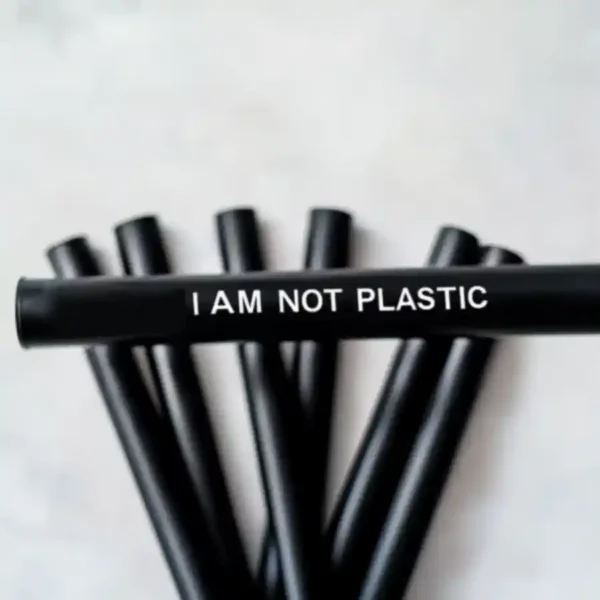
- Cannucce di carta: These are the classics, made from sustainably sourced paper. They’re totally compostable and come in all sorts of fun sizes and designs. The only thing is, they might not last as long as other options, especially in liquids.
- Cannucce di bambù: These are crafted from organic, fast-growing bamboo, making them a super sustainable choice. They’re reusable, naturally heat-resistant, and quite durable. Just make sure to clean and dry them well after use. Some bamboo straws may also contain “forever chemicals” so be sure to look for those that do not.
- PLA Straws: Made from renewable plant sources like cornstarch or sugarcane, PLA straws look and feel similar to plastic straws, but they’re actually compostable. However, they do need to be disposed of in industrial composting facilities to break down properly.
- PHA Straws: These innovative straws are made from plant-based sugars that are fermented by bacteria. They’re super flexible, resilient, and can even break down in marine environments! They’re a newer option, so they may not be as readily available yet.
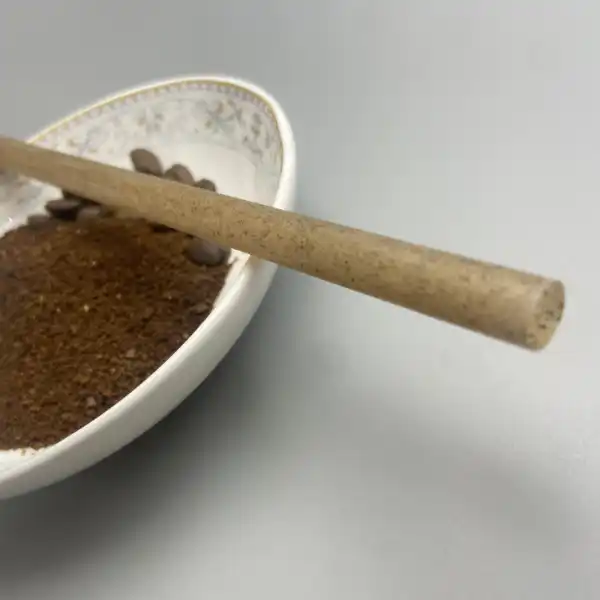
- Reusable Coffee Straws: These are made from coffee grounds, which is a fantastic way to reuse a waste product. They’re biodegradable, durable and even have a slight coffee scent! They may only come in a brown color.
- Sugarcane Straws: As the name suggests, these are made from the sugarcane plant. They’re biodegradable and have a mild, sweet scent of brown sugar. They also come in various diameters, so they are great for all sorts of drinks.
- Grass Straws: These straws are made from dried grass, often sedge grass. They’re surprisingly durable and crunchy, and they won’t get soggy even if you’re taking your time with your drink! They even come in a soft lime green color and can have a slight tea leaf scent.
- Rice Straws: Made from rice and tapioca starch, these straws are compostable and can even be eaten as a snack! They can also come in multiple colors, thanks to natural food dyes.
- Coconut Straws: These plant-based straws are made from fermented coconut water. They’re reusable, compostable, and have zero taste or scent. They do need to be heated and steamed to be shaped for use.
- Reusable Metal Straws: Typically made of stainless steel, these straws are super durable, rust-resistant, and can last for a really long time! They can conduct heat, so they’re not ideal for hot drinks. You’ll also need to use cleaning brushes to keep them clean.
- Cannucce di vetro riutilizzabili: le cannucce di vetro sono un'opzione elegante che non conducono il calore, rendendole ideali sia per bevande calde che fredde. Sono trasparenti, quindi puoi facilmente verificare se sono puliti e sono esteticamente gradevoli. Fai solo attenzione, perché possono frantumarsi se li lasci cadere, quindi potrebbero non essere la scelta migliore per i bambini.
- Cannucce in silicone: sono morbide, flessibili e assolutamente adatte ai bambini! Sono anche lavabili in lavastoviglie. Tuttavia, non sono sempre privi di plastica al 100% e possono essere difficili da riciclare.
Choosing the Right Straw: A Practical Guide
Ok, quindi con tutte queste opzioni, come scegli la cannuccia giusta per te? Analizziamolo:
- Abbinamento delle cannucce alle bevande:
- Cannucce da cocktail: corte e dolci, perfette per drink miscelati.
- Standard straws: Your go-to for sodas, juices, and iced teas.
- Jumbo straws: Wide and wonderful for smoothies and milkshakes.
- Extra-long straws: Ideal for those super tall iced coffees.
- Prioritizing Safety:
- Be aware that glass and metal straws can be dangerous if you trip or fall.
- If you’re using metal straws, consider getting silicone tips to protect your teeth.
- If you go with glass, make sure it’s borosilicate glass which is a stronger, safer option.
- Considering Usage:
- For home use, glass or metal straws are great.
- On-the-go, look for retractable metal or silicone straws that come with carrying cases.
- For kids, silicone straws are a soft and safe option.
- If you prefer hot drinks, go for bamboo, glass or silicone straws.
- Cleaning and Maintenance:
- Cannucce riutilizzabili: il metallo e il vetro sono i più facili da pulire, mentre il silicone potrebbe richiedere un po' più di attenzione.
- Assicurati di utilizzare spazzole per la pulizia delle cannucce metalliche.
- Alcune cannucce in silicone si aprono per facilitare la pulizia.
- Assicurati sempre che le cannucce siano completamente asciutte per prevenire la formazione di muffe.
- Molte cannucce in silicone, metallo e vetro sono anche lavabili in lavastoviglie.
- Considerazioni sullo smaltimento:
- Cannucce compostabili: ricorda che devono essere smaltite in impianti di compostaggio industriale per degradarsi correttamente.
- Tieni presente che non tutte le cannucce compostabili sono biodegradabili in mare.

For Businesses: Making the Sustainable Switch
Se sei un imprenditore, passare alle cannucce sostenibili è un modo fantastico per dimostrare ai tuoi clienti che hai a cuore l'ambiente. Ecco alcune cose da tenere a mente:
- Opzioni di personalizzazione:
- Many straw manufacturers offer customization options, like printing your logo or message on the wrapper.
- You can also choose from different sizes and shapes to best suit your drinks.
- Brand Image:
- Using sustainable straws demonstrates your commitment to the environment.
- It’s a great way to attract environmentally conscious customers.
- Cost Considerations:
- While sustainable straws might have a higher upfront cost, they offer long-term value.
- They can actually increase customer loyalty and profits in the long run.
- Choosing a Manufacturer:
- Look for manufacturers who have integrity and follow sustainable practices.
- Ensure they offer customization options.
- Check if they offer marine biodegradable straws, especially if you’re in a coastal area.
Additional Insights and Expert Tips
Here are a few extra nuggets of wisdom to help you on your eco-friendly straw journey:
- New to Zero Waste?
- Join a “buy nothing” group to snag some free reusable straws.
- Shop at package-free stores, co-ops, or discount retailers.
- Check out virtual retailers that specialize in low-waste products.
- Concerned about Chemicals?
- Opt for straws made from natural or plant-derived materials.
- Be aware of potential “forever chemicals” in some bamboo straws and avoid them.
- Straws as a marketing tool: Customized straws can enhance your brand recognition.
- Proper disposal is key: Even compostable straws need to go to the right place for breakdown.
- Consumer Empowerment: Feel proud of yourself for choosing eco-friendly options.
- Sii consapevole dei potenziali pericoli: le cannucce di metallo o di vetro possono causare lesioni se non stai attento.
- Sicurezza degli animali domestici: i gatti potrebbero provare a masticare o rompere le cannucce in silicone e vetro.
Straws as a Building Material
Ok, potrebbe sembrare un po' fuori dal comune, ma in realtà le cannucce possono essere usate come... edificio materiale! Sul serio! I prodotti a base di paglia offrono un eccellente isolamento e possono anche essere carbonio-negativi, rendendoli una scelta fantastica per i progetti di bioedilizia. Aziende come VestaEco, Strawcture Eco Pvt, EKOPANELY ed EcoCocon sono all’avanguardia in questa innovazione.
Conclusione
Making the switch to sustainable straws is a simple but significant step towards a greener future. By choosing eco-friendly alternatives, you’re not only reducing plastic waste, but you’re also showing that you care about our planet. So, let’s all make a conscious effort to ditch those plastic straws and embrace a more sustainable way of sipping. Together, we can make a difference – one straw at a time!