Every day, millions of plastic straws are used and discarded, contributing significantly to environmental pollution. This single-use item, often used for mere minutes, poses a long-term threat to our planet. Fortunately, a shift toward eco-friendly alternatives like biodegradable and compostable straws is gaining momentum. This comprehensive guide explores the various types of sustainable straws, their benefits, and how to make informed choices that support a healthier planet.
Why Plastic Straws Are a Problem
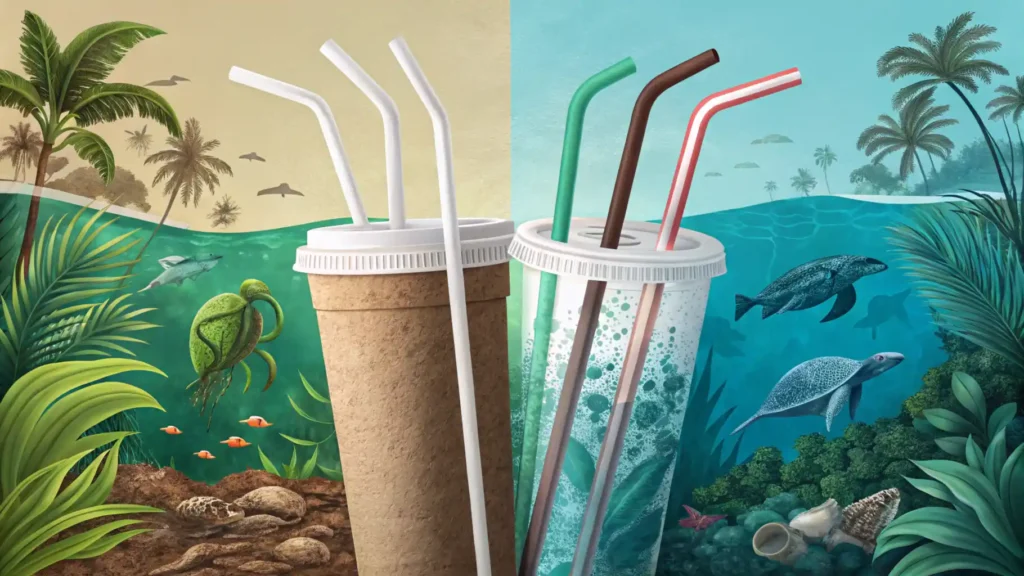
Plastic straws are typically made from petroleum-based materials and can take centuries to break down. They clog landfills, endanger marine wildlife, and eventually disintegrate into microplastics that contaminate water sources and even human food chains. According to a study by the American Chemical Society, “biodegradable” straws can still take many months to break down fully in the ocean, emphasizing the magnitude of the plastic pollution crisis.
Key Issues with Plastic Straws
- Slow Decomposition: They linger in landfills, the ocean, and other natural habitats for decades or centuries.
- Wildlife Impact: Marine animals mistake plastic fragments for food, causing injuries or death.
- Microplastics: As they degrade, plastic straws add to the ever-increasing microplastic pollution in our ecosystems.
Understanding Biodegradable, Compostable, and Marine-Degradable
Straw labels can be confusing. Terms like “biodegradable,” “compostable,” and “marine-degradable” are often used interchangeably, though they don’t mean the same thing:
- Biodegradabile: Breaks down over time through natural processes, but may take years and often requires specific conditions.
- Compostabile: Decomposes into nutrient-rich soil under certain conditions, such as in an industrial or home composting environment.
- Marine-Degradable: Specifically formulated to break down in saltwater, reducing harm to marine life. However, it’s still preferable to dispose of these products properly rather than relying on ocean degradation.
If you’re interested in a deeper dive, Sugarcane Straw explains how “biodegradable” and “compostable” can differ in their requirements and timelines.
Types of Biodegradable and Compostable Straws

1. PHA (Polyhydroxyalkanoates)
PHA straws are made from renewable resources (e.g., plant oils, microbes) and are often both industrially and home-compostable. They also tend to be marine-degradable, making them a strong candidate for eco-conscious consumers.
2. PLA (Polylactic Acid)
PLA is derived from plant starches like corn or sugarcane but behaves much like traditional plastic. It usually requires high-heat industrial composting to break down, meaning it’s not universally compostable. For more insight on its downsides, see Roc Paper Straws’ discussion.
3. Paper Straws
Paper straws decompose faster than plastics but can become soggy and may contain chemicals like PFAS. Production can also be energy-intensive, and not all paper straws are easily recyclable or compostable.
4. Cannucce di canna da zucchero
Sugarcane straws come from bagasse—a byproduct of sugarcane processing—and are popular for their durability and compostability. For example, you can check out Nature Bio Eco’s wrapped smoothie sugarcane straw if you’re looking for a home-compostable option.
5. Cannucce per fondi di caffè
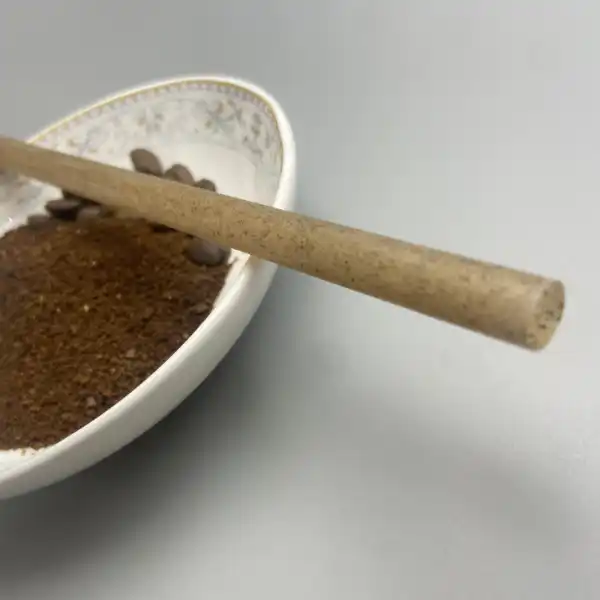
Straws made from coffee grounds offer a second life for coffee waste, reducing reliance on virgin materials. They’re typically free of harsh chemicals and suitable for composting. One option is Nature Bio Eco’s boba coffee grounds straw (12mm x 210mm), designed to withstand thicker beverages while remaining eco-friendly.
6. Bamboo and Agave
Other plant-based options include bamboo (fast-growing, reusable, and compostable) and agave (upcycled waste fibers from tequila production). Both can decompose more quickly than petroleum-based plastics.
Making the Right Choice

Consider the following:
- Metodo di smaltimento
- Can you compost at home?
- Is industrial composting available locally?
- Tipo di bevanda
- Hot vs. cold drinks? (Some straws can’t handle high heat.)
- Thick smoothies vs. lighter cocktails?
- Materiali
- Avoid “compostable” claims without third-party certifications.
- Cost and Availability
- Sustainable straws may be pricier, but prices are dropping as adoption grows.
- Longevity and User Experience
- Reusable straws like bamboo or stainless steel may be best for frequent straw users.
- Single-use? Look for verified compostabile O marine-degradable.
To learn more about how compostable materials help combat plastic waste, check out EcoSoul’s “5 Reasons To Choose Compostable Straws Over Plastic Straws” for additional perspective on the environmental benefits.
Tips for Businesses and Consumers
- Per le aziende
- Educate Staff & Customers: Provide clear signage and instructions on disposal.
- Test Multiple Options: Offer different straw types (e.g., sugarcane vs. coffee grounds) to find a balance of cost and performance.
- Commercializza i tuoi sforzi: Let your patrons know you’re switching to eco-friendly alternatives as part of your sustainability pledge.
- Per i consumatori
- Skip the Straw: If a straw isn’t necessary, forgo it entirely.
- Choose Reusable: Metal, silicone, or glass straws can dramatically cut waste over time.
- Dispose Responsibly: If using compostable straws, ensure they go into the proper composting stream. In many places, a standard trash bin means it may not break down as intended.
Putting It All Together
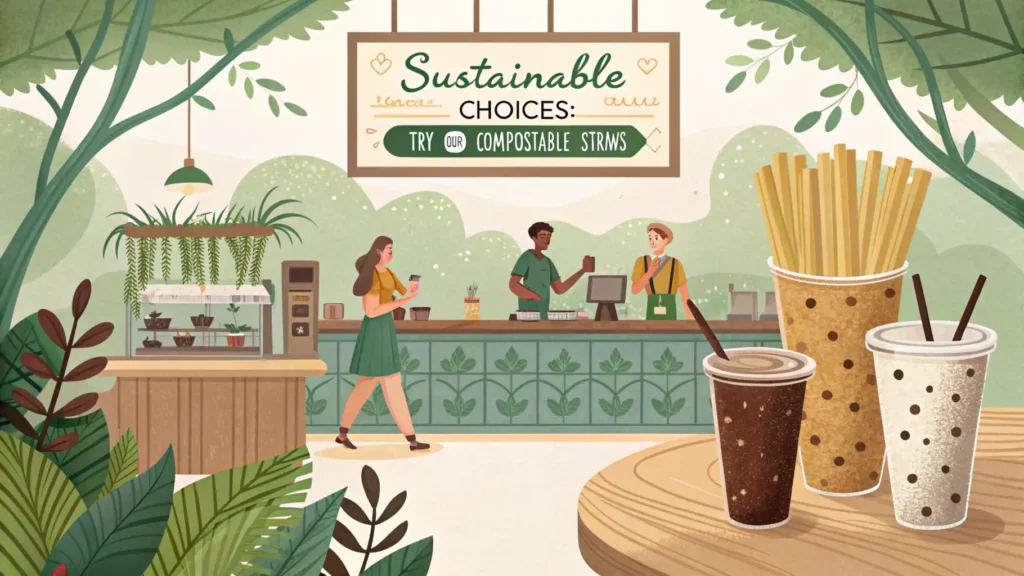
Making the switch from plastic to more eco-friendly straw alternatives is a tangible step in fighting pollution and protecting our oceans. However, it’s important to remember that no single material is a cure-all. Reduce overall consumption and dispose of your straws properly to maximize environmental benefits. If you’re curious about the lifecycle of different biodegradable options, ScienceDirect’s research overview breaks down challenges, performance, and broader implications of each straw type.
Domande frequenti (FAQ)
- What’s the main difference between biodegradable and compostable straws?
- Le cannucce biodegradabili alla fine si decompongono in condizioni naturali, ma possono comunque lasciare microplastiche. Le cannucce compostabili sono progettate per decomporsi completamente in materia ricca di sostanze nutritive, tipicamente in un impianto di compostaggio.
- Le cannucce di carta sono sempre migliori di quelle di plastica?
- Si decompongono più velocemente ma possono essere mollicci, contenere sostanze chimiche e non sono sempre riciclabili. Tuttavia, generalmente hanno un impatto ambientale a lungo termine inferiore rispetto alla plastica.
- Le cannucce in PLA aiutano davvero l'ambiente?
- Le cannucce in PLA possono essere fuorvianti; spesso necessitano di condizioni di compostaggio industriale per degradarsi completamente. Senza queste condizioni possono comportarsi in modo simile alla plastica tradizionale.
- Qual è la differenza tra cannucce compostabili a livello domestico e compostabili a livello industriale?
- Le cannucce compostabili in casa si decompongono nei contenitori per il compostaggio del cortile, mentre le cannucce compostabili a livello industriale richiedono temperature più elevate e condizioni controllate riscontrate negli impianti di compostaggio commerciali.
- Quanto velocemente si decompongono le cannucce di canna da zucchero o di fondi di caffè?
- In condizioni ottimali, possono rompersi nel giro di settimane o mesi. Il tempo di decomposizione effettivo dipende dalla temperatura, dall'umidità e dalla presenza di microbi di compostaggio.
- La degradabilità marina è la stessa cosa che gettare una cannuccia nell'oceano?
- Non esattamente. Degradabile in mare significa che non danneggerà l’oceano a lungo termine se dovesse finire lì. Tuttavia, il corretto smaltimento in compost o in impianti di smaltimento dei rifiuti è ancora la pratica migliore.
- Dove posso trovare cannucce compostabili affidabili?
- Look for vendors that hold reputable certifications (e.g., BPI, TÜV AUSTRIA). You can also explore Nature Bio Eco’s sugarcane straws per un'opzione ecologica.
By choosing compostable or biodegradable straws—and, whenever possible, reducing or eliminating the need for straws altogether—you can play a role in fostering a cleaner planet for future generations.