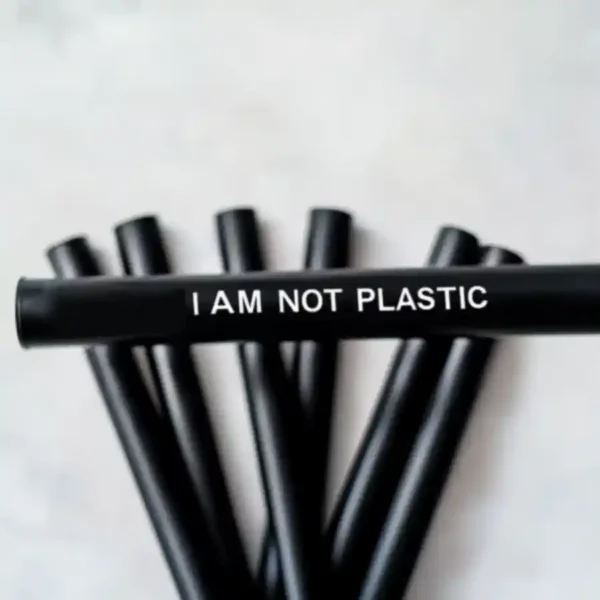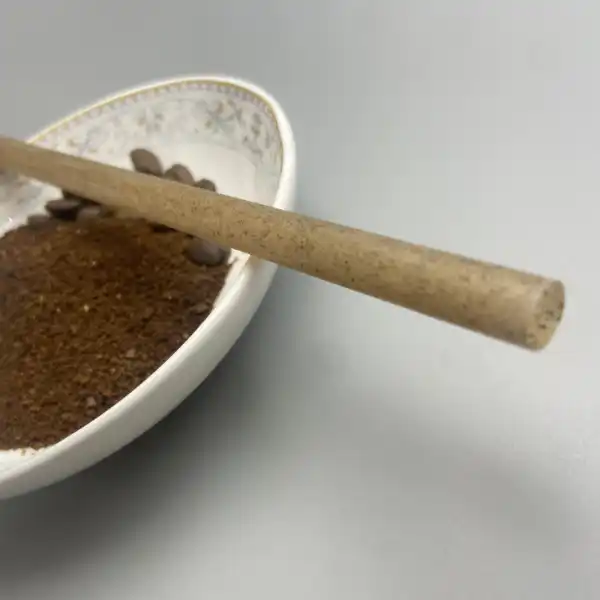

Di fronte alle crescenti preoccupazioni ambientali, il mondo ha assistito a un’impennata delle normative contro le cannucce di plastica Boba, uno dei principali fattori che contribuiscono alla crisi dell’inquinamento da plastica. Questo post del blog mira a far luce sulla situazione attuale, sulle normative governative e sulle loro implicazioni per le aziende in termini di conformità, sostenibilità e tendenze future.
Introduzione

Scenario attuale dell’inquinamento da plastica
L’inquinamento da plastica è un grave problema ambientale, poiché la plastica monouso, comprese le cannucce di plastica Boba, causa danni ecologici significativi. Negli Stati Uniti, ogni giorno vengono gettate via 500 milioni di cannucce di plastica, contribuendo in modo massiccio all’inquinamento marino[1][5]. Queste cannucce spesso finiscono nelle discariche o negli oceani, rappresentando una seria minaccia per la vita marina.
Normative governative sulle cannucce Boba in plastica
I governi globali hanno implementato normative per ridurre l’uso di cannucce di plastica Boba. Ad esempio, il Regno Unito ha vietato la distribuzione di cannucce di plastica dal luglio 2021 con alcune esenzioni[4].
Compliance e sostenibilità per le imprese

Il rispetto di queste normative non è solo un requisito legale ma una necessità aziendale. Gli acquirenti B2B e le aziende focalizzate sulla sostenibilità devono adattarsi a questi cambiamenti per mantenere la propria reputazione e posizione sul mercato.
Sfondo
Storia delle normative sulle cannucce di plastica
Le normative contro le cannucce di plastica sono aumentate nel corso degli anni. Negli Stati Uniti, la legge Save Our Seas 2.0 approvata nel dicembre 2020 ha incaricato l’EPA di sviluppare una strategia nazionale per affrontare l’inquinamento da plastica, inclusa la riduzione dell’uso di cannucce di plastica[3].
Problema delle cannucce Boba in plastica

Le cannucce di plastica Boba, a causa del loro ampio utilizzo nell’industria alimentare e delle bevande, contribuiscono in modo significativo all’inquinamento da microplastica. La non biodegradabilità di queste cannucce significa che rimangono nell'ambiente per centinaia di anni, rilasciando microplastiche dannose mentre si degradano.
Current Government Regulations on Plastic Boba Straws
Governments across the world have implemented regulations to curb the use of plastic boba straws. These regulations are pushing businesses, particularly those in the food and beverage industry, to adopt sustainable alternatives. Below is an overview of key regulations in several countries:
European Union (EU)
In 2021, the European Union enforced the Single-Use Plastics Directive (SUPD), which prohibits the use of single-use plastic straws, whether they are labeled as “bio-sourced” or “home compostable.” This ban applies to all EU member states and aims to reduce plastic waste and its environmental impact.
United Kingdom (UK)
Since July 2021, the UK has implemented a ban on the distribution of plastic straws. Businesses are prohibited from selling plastic straws as a standard offering and must instead provide alternatives such as paper or bamboo. However, there are exemptions:
- Plastic straws may be kept out of sight and provided only upon customer request.
- Businesses cannot offer plastic straws verbally or in writing.
Australia (New South Wales)
Starting January 1, 2025, businesses in New South Wales will no longer be allowed to include banned plastic items in packaged food and drinks. This includes plastic straws sealed within packaging or attached to beverage containers via machine automation.
Implications for Businesses
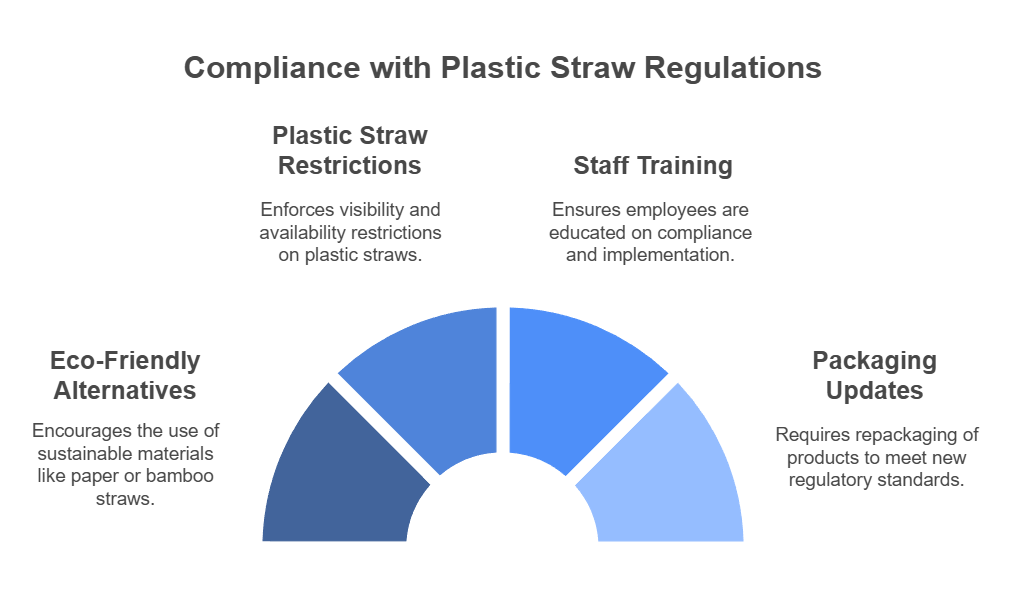
Compliance Requirements
To comply with these regulations, businesses must make adjustments to their operations:
- Offer Alternatives: Businesses must provide eco-friendly alternatives such as paper or bamboo straws.
- Plastic Straw Restrictions: Where permitted, businesses must keep plastic straws out of sight and offer them only upon request.
- Formazione del personale: Businesses need to ensure that employees are informed about the new regulations and understand how to implement them.
- Packaging Updates: Products with integrated straws must be repackaged to comply with the new regulations.
Sustainability Challenges
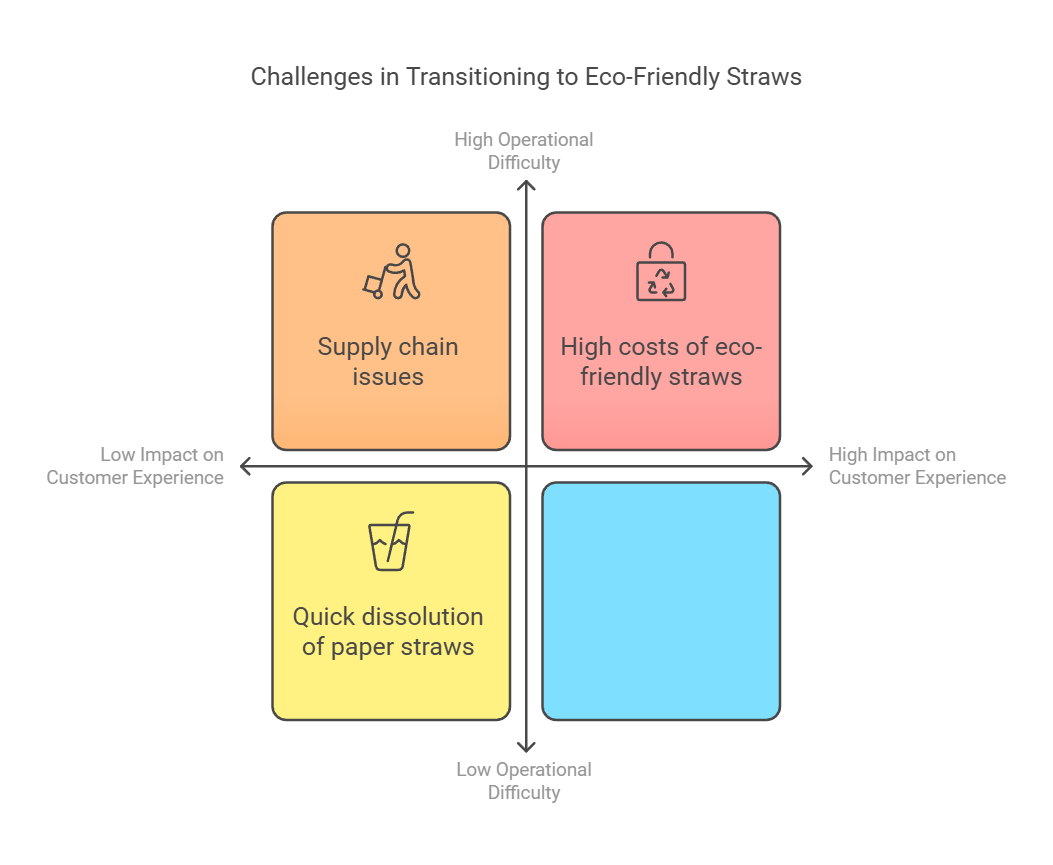
While transitioning away from plastic straws, businesses face several challenges:
- Quality of Alternatives: Many paper straws dissolve quickly in liquids, potentially affecting the customer experience, especially in beverages like bubble tea.
- Costi più elevati: Eco-friendly alternatives often come with a higher price point compared to plastic straws.
- Supply Chain Issues: Businesses must source reliable suppliers for sustainable straws, which can sometimes be challenging and costly.

Tendenze future
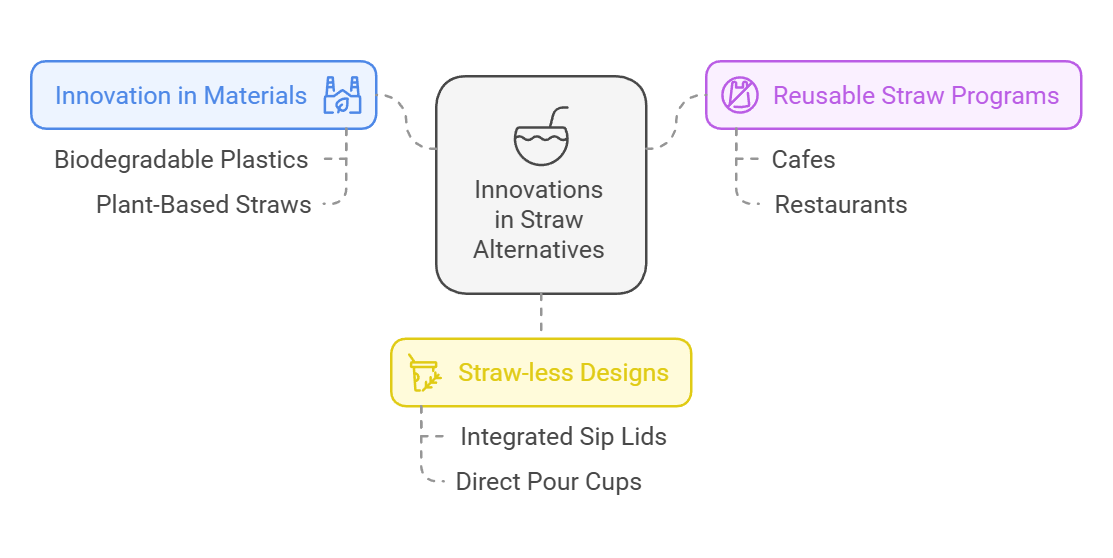
As the market adapts to these regulations, businesses are looking towards innovations that can address both environmental concerns and customer needs:
- Innovation in Materials: New, more durable, and eco-friendly materials are being developed to replace plastic straws.
- Reusable Straw Programs: Cafes and restaurants are introducing reusable straw programs to further reduce waste and enhance sustainability.
- Straw-less Designs: Some businesses are exploring cup designs that eliminate the need for straws altogether, further contributing to sustainability efforts.
Conclusione
The shift towards banning plastic straws is not just a regulatory requirement but a business opportunity. By staying informed about government regulations and adopting sustainable practices, businesses, especially in the bubble tea industry, can avoid penalties, enhance their brand image, and attract environmentally conscious customers. Embracing eco-friendly alternatives can improve sustainability efforts, reduce costs, and ultimately build customer loyalty.
Citazioni:
- Taipec – Plastic Straws: What Are the Rules Bubble Tea Shop Owners Should Know?
- Drinking Straw – What is Bio-Sourced Bioplastic Straw?
- EPA – New South Wales Plastics Ban Guidance
- Drinking Straw – Which Alternatives to Plastic Straws?
- Renouvo – Plastic Straws Ban in the US and Europe
- Instagram – Advancing Justice