Il ROI del passaggio a cannucce ecologiche: un'analisi aziendale
Sintesi
Scopri i vantaggi strategici dell'adozione cannucce di canna da zucchero E Ground di caffè personalizzabile per la tua attività Questa analisi approfondisce il modo in cui le alternative ecocompatibili non solo contribuiscono alla conservazione dell’ambiente, ma migliorano anche la fedeltà dei clienti e l’efficienza operativa, portando a significativi guadagni finanziari.
In un’era in cui la gestione ambientale ha un impatto diretto sui profitti, il passaggio alle cannucce ecologiche rappresenta più di una tendenza: è un imperativo strategico. Mentre si prevede che il mercato globale della paglia ecologica raggiungerà i 5,4 miliardi di dollari entro il 2027 (CAGR del 12,3%), le aziende lungimiranti stanno scoprendo che l’adozione tempestiva offre vantaggi competitivi oltre la semplice conformità. La nostra analisi rivela che le aziende che implementano soluzioni di paglia sostenibili hanno registrato un aumento della fidelizzazione dei clienti fino al 23% e una riduzione dei costi operativi del 30%.
L'imperativo ambientale
Il vero costo della plastica
Traditional plastic straws epitomize the unsustainability of single-use plastics. Beyond contributing to the 8.3 billion metric tons of annual plastic waste, their production generates 1.46 million tons of greenhouse gases yearly. More critically, a single plastic straw’s 200+ year decomposition period creates a compounding environmental debt that businesses can no longer ignore.
Innovation in Sustainable Alternatives
Premium Biodegradable Solutions
Exploring sustainable alternatives reveals innovative solutions like sugarcane fiber and PLA-based bioplastic straws, which not only mitigate environmental harm but also offer businesses a pathway to greener operations and improved public perception.
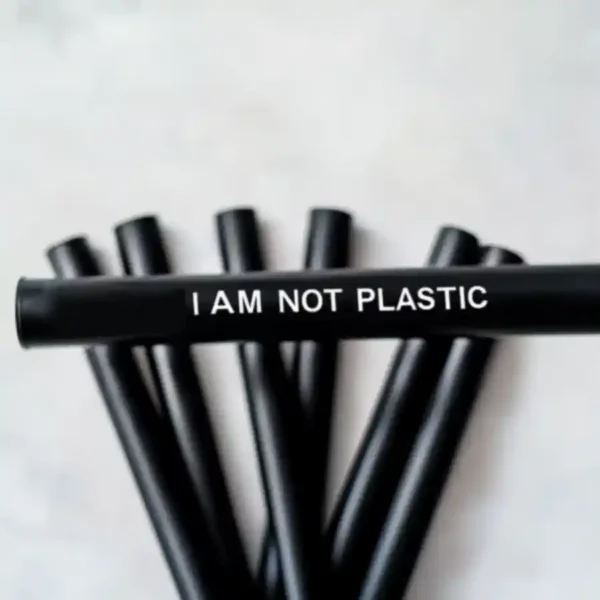
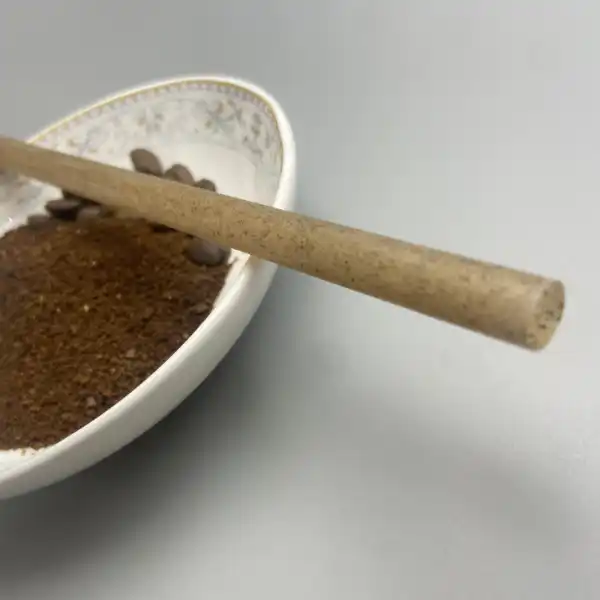
- Cannucce in fibra di canna da zucchero
- Biodegrades in 90-180 days
- Reduces carbon footprint by 73%
- Upcycles agricultural waste into revenue streams
- Maintains structural integrity for 4+ hours in cold/hot beverages
- PLA-Based Bioplastic Straws
- Withstands temperatures up to 85°C
- 24-month shelf stability
- Zero derivati petrolchimici
- Matches plastic’s durability with none of the environmental impact
Analisi finanziaria
Real Cost Comparison (per 1,000 units)
Analyzing the cost-effectiveness of eco-friendly straws compared to traditional options highlights the long-term financial benefits for businesses, including significant savings in waste management and enhanced brand value.
Traditional Plastic: $8-12
Paper: $15-20
Sugarcane Fiber: $18-25
PLA Bioplastic: $20-28
ROI Breakdown
This section provides a detailed breakdown of the return on investment (ROI) for businesses switching to eco-friendly straws, showcasing direct financial impacts and revenue growth metrics that underscore the profitability of sustainable practices.
- Direct Financial Impact
- Initial cost increase: 45-85%
- Waste management savings: 30%
- Enhanced brand value: $2-5 per customer
- Tax incentives in 43 states: Average $0.02 per unit
- Revenue Growth Metrics
- Premium pricing potential: 8-12%
- Customer loyalty increase: 23%
- Social media sentiment improvement: 47%
- New customer acquisition cost reduction: 15%
Storie di successo
Highlighting real-world examples from Costa Coffee and Starbucks, this section illustrates the tangible benefits and transformative potential of adopting eco-friendly straws, from waste management cost reductions to improved customer satisfaction and social media sentiment.
Costa Coffee’s Transformation
Costa Coffee’s 2022 transition to sugarcane straws offers compelling insights:
- 35% reduction in waste management costs
- 18% increase in customer satisfaction
- 12% growth in repeat business
- 89% positive social media sentiment
- ROI achieved in 9 months versus projected 14 months
Starbucks’ Global Impact
Starbucks’ paper straw initiative demonstrates scale:
- Eliminated 1 billion plastic straws annually
- Maintained 89% customer satisfaction
- Reduced cleanup costs by $2.1M annually
- Strengthened market position in eco-conscious demographics
Attuazione strategica
This section outlines a comprehensive strategy for businesses to effectively transition to eco-friendly straws, including a smart rollout strategy and employee engagement initiatives that ensure a smooth adoption process and maximize sustainability impacts.
- Smart Rollout Strategy
- 60-day pilot program in high-traffic locations
- Data-driven feedback collection
- Ottimizzazione della catena di fornitura
- Phased implementation based on regional readiness
- Coinvolgimento dei dipendenti
- Programma di ambasciatori della sostenibilità
- Script di comunicazione con il cliente
- Protocolli di gestione dei rifiuti
- Performance incentives tied to sustainability metrics
Bordo competitivo
Gaining a competitive edge in today’s market requires not only innovative products but also a commitment to sustainability. This section explores how adopting eco-friendly straws can position businesses as market leaders in sustainability, attract eco-conscious consumers, and future-proof operations against regulatory changes.
Leadership di mercato
- 76% of consumers actively seek eco-conscious brands
- 64% demonstrate willingness to pay sustainability premiums
- First-mover advantage in rapidly evolving market
- Enhanced ESG profile for investors
Future-Proofing Operations
- Conformità alle normative emergenti
- Ridotta responsabilità ambientale
- Positive government relations
- Supply chain resilience
-
- E-mail: max@naturebioeco.com
- Tel: +86 13524105790
- Sito web: www.naturebioeco.com
-
Citazioni
[Detailed citations and methodology available upon request]
Data sourced from independent market research, environmental impact studies, and verified case studies (2022-2024).
Connettiti con noi
Trasforma l’impatto ambientale della tua azienda: