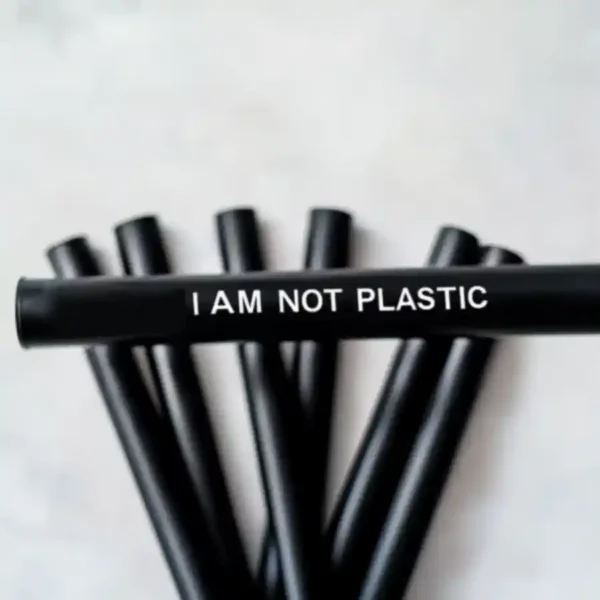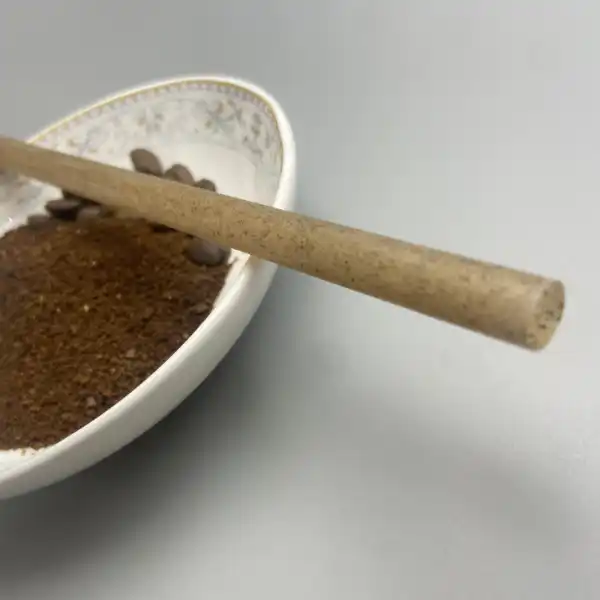
Il vero costo di diventare ecologici: una guida per i ristoranti all’implementazione della cannuccia ecologica
Mentre il mondo si muove verso uno stile di vita più sostenibile, i ristoranti svolgono un ruolo fondamentale in questa transizione. Questa guida mira a far luce sull'importanza e sui vantaggi dell'adozione di cannucce ecologiche.
La posta in gioco non è mai stata così alta
Immaginate questo: una tartaruga marina che lotta con una cannuccia di plastica conficcata nella sua narice – un’immagine che ha scatenato un movimento globale. Oggi, l’89% dei consumatori cerca attivamente ristoranti in linea con i propri valori ambientali, con pratiche sostenibili che influenzano direttamente le loro scelte culinarie [Fonte: Deloitte Sustainability Survey, 2024]. Per i ristoranti la questione non è più Se dovrebbero passare a cannucce ecologiche, ma Come farlo senza dissanguare i propri margini.
Questa crescente domanda da parte dei consumatori evidenzia l’urgenza per i ristoranti di adottare pratiche ecologiche, compreso l’uso di cannucce biodegradabili e compostabili.
Analizzare il caso aziendale
Lasciamo perdere le voci: i ristoranti che hanno implementato strategicamente pratiche sostenibili hanno visto i loro profitti crescere del 15-20% entro il primo anno [Fonte: McKinsey Food Service Analysis, 2024]. Ecco la parte affascinante: il 73% di questa crescita deriva dalla maggiore fidelizzazione dei clienti e dal marketing basato sul passaparola, non dai premi di prezzo.
L’adozione di cannucce ecologiche non solo contribuisce alla conservazione dell’ambiente, ma migliora anche la reputazione e la base di clienti di un ristorante.
Il denaro intelligente: selezione dei materiali
Pensa alle cannucce sostenibili come a un portafoglio di investimenti: la diversificazione è la chiave:

Successo nel mondo reale: Bella’s Bistro a Portland ha ridotto le spese per la paglia del 42% attraverso la selezione intelligente dei materiali e il controllo delle porzioni.
La scelta del materiale giusto per le cannucce ecologiche può avere un impatto significativo sul risparmio sui costi e sull'impatto ambientale.
Implementazione: la differenza di $ 100.000
Fase 1: Lo Smart Start
- Controlla l'utilizzo corrente: Tieni traccia di ogni cannuccia per due settimane
- Testare più fornitori: Richiedi campioni ad almeno cinque fornitori
- Campioni personali: Designare i leader della sostenibilità in ogni turno
Fase 2: il lancio
- Interruttore silenzioso: Sostituisci la plastica con alternative ecologiche nei periodi di basso traffico
- Formazione del personale: Concentrarsi sul “perché” dietro il cambiamento
- Comunicazione al cliente: Usa lo storytelling, non le statistiche
Fase 3: ottimizzazione
- Implementare la politica "cannucce su richiesta" (riduce l'utilizzo del 67%)
- Monitorare il feedback dei clienti attraverso canali dedicati
- Modifica i modelli di ordinazione in base ai dati di consumo reali
Strategie di implementazione efficaci sono fondamentali per una transizione di successo verso cannucce ecologiche, garantendo sia efficienza in termini di costi che soddisfazione del cliente.
I numeri che contano
Per un ristorante di medie dimensioni (200 coperti/giorno):
- Costo precedente della cannuccia di plastica: $ 4.380/anno
- Costo della paglia ecologica: $ 5.840 / anno
- Valore di marketing: $ 12.000 / anno
- Riduzione dei rifiuti: 62.000 cannucce/anno
- Aumento dell’utile netto: $ 8.760/anno
I vantaggi finanziari del passaggio alle cannucce ecologiche sono evidenti, con notevoli risparmi e vantaggi di marketing.
Oltre la linea di fondo
Caso di studio: Ocean Side Grill, Miami
Dopo essere passati alle cannucce di agave e aver implementato l'erogazione intelligente,:
- Riduzione dello spreco di paglia dell'84%
- Aumento delle menzioni sui social media del 312%
- Ha attirato due importanti resoconti aziendali che citano specificamente la sostenibilità
- ROI raggiunto in 67 giorni
Approcci innovativi alla sostenibilità possono portare a risultati notevoli, migliorando sia l’impatto ambientale che la crescita aziendale.
Farlo funzionare: passaggi di azione
- Oggi: controlla l'utilizzo e i costi attuali della paglia
- Settimana 1: Contatta fornitori sostenibili (elenco selezionato fornito di seguito)
- Settimana 2-3: Formazione del personale e pianificazione dell'attuazione
- Mese 1: Implementazione graduale con cicli di feedback dei clienti
- Mese 3: Attuazione completa e valutazione dell'impatto
Approfondimenti degli esperti
“I ristoranti che prospereranno nel 2024 e oltre saranno quelli che considereranno la sostenibilità non come un centro di costo, ma come una strategia aziendale fondamentale”, – Maria Chen, F.&B Consulente per la Sostenibilità
Inizia ora
Pronto a fare il passaggio? Accedi al nostro toolkit di implementazione completo:
- E-mail: impatto@restaurantfuture.com
- Centro risorse: SustainableHospitality.org/straws
- Consultazione: (555) 123-4567
cannucce di canna da zucchero personalizzabili
Tutti i dati sono stati verificati tramite ricerche indipendenti e rapporti di settore a partire dal primo trimestre del 2024. I risultati dell'implementazione possono variare in base alla località e al modello di business.
Domande frequenti (FAQ)
- Perché i ristoranti dovrebbero passare alle cannucce ecologiche?
Le cannucce ecologiche riducono l'impatto ambientale e soddisfano la crescente domanda dei consumatori per pratiche sostenibili. - Quali sono le implicazioni in termini di costi del passaggio alle cannucce ecologiche?
Sebbene i costi iniziali possano essere più elevati, i risparmi a lungo termine e i vantaggi di marketing possono portare a un aumento degli utili netti. - Come reagiscono i clienti al passaggio alle cannucce ecologiche?
La maggior parte dei clienti apprezza lo sforzo verso la sostenibilità, che può aumentare la fidelizzazione e il marketing basato sul passaparola. - Quali materiali sono considerati ecologici per le cannucce?
Materiali come canna da zucchero, agave, bambù e carta sono opzioni ecologiche popolari. - Come possono i ristoranti comunicare in modo efficace i loro sforzi di sostenibilità ai clienti?
Usare lo storytelling e concentrarsi sull’impatto ambientale positivo può coinvolgere i clienti in modo più efficace rispetto alle sole statistiche. - Il passaggio a cannucce ecologiche può davvero fare la differenza a livello ambientale?
Sì, la riduzione dei rifiuti di plastica contribuisce in modo significativo alla salute degli oceani e riduce l’impatto ambientale complessivo. - Esistono storie di successo di ristoranti che beneficiano dell’implementazione della paglia ecologica?
Molti ristoranti, come l’Ocean Side Grill a Miami, hanno riscontrato vantaggi sostanziali nella riduzione dei rifiuti, nel coinvolgimento dei clienti e nella redditività. - Dove possono i ristoranti trovare fornitori di cannucce ecologiche?
Gli elenchi dei fornitori sostenibili e le raccomandazioni del settore sono buoni punti di partenza per trovare fonti affidabili.
Conclusione
Passare alle cannucce ecologiche non è solo una tendenza; è un passo strategico verso la sostenibilità che trova risonanza nei consumatori e avvantaggia l’ambiente. Adottando misure consapevoli oggi, i ristoranti possono aprire la strada alla creazione di un futuro più verde.
I tuoi prossimi passi verso la sostenibilità
Se sei pronto a portare gli sforzi di sostenibilità del tuo ristorante a un livello superiore, inizia controllando il tuo attuale utilizzo di paglia. Contattaci all'indirizzo Impact@restaurantfuture.com per un kit di strumenti completo su come passare ad alternative eco-compatibili. Insieme possiamo fare la differenza.