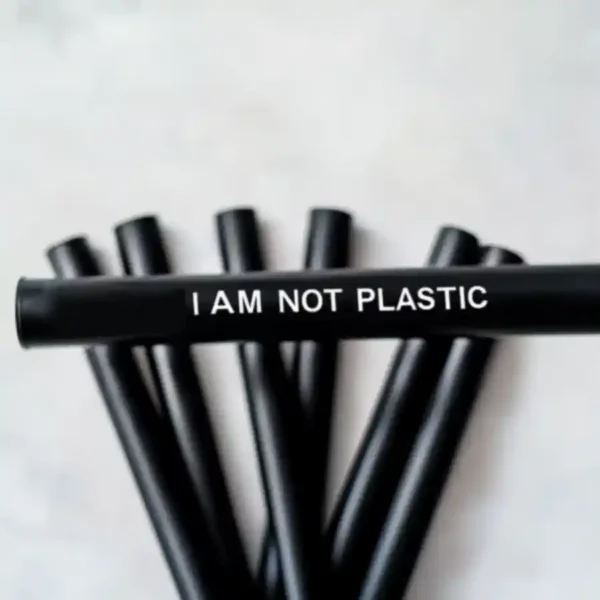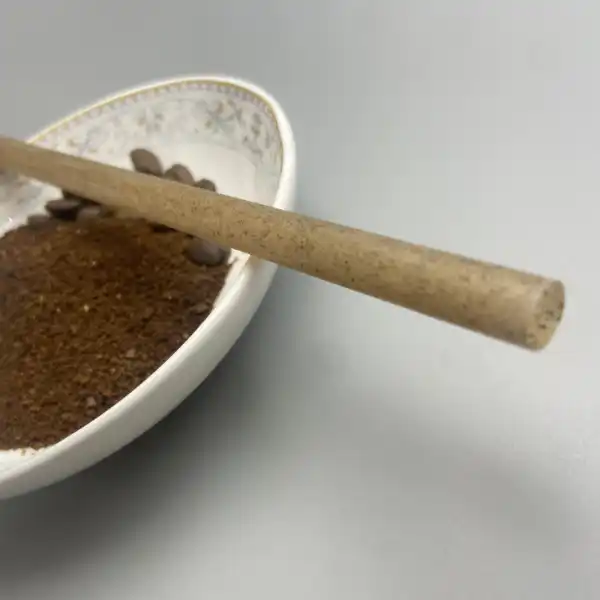

Principali vantaggi del passaggio a cannucce ecologiche
- Impatto ambientale ridotto: Le alternative alla paglia biodegradabile si decompongono naturalmente, eliminando l’inquinamento da microplastiche e proteggendo la vita marina. Le cannucce di canna da zucchero e di grano si decompongono entro poche settimane in condizioni di compostaggio adeguate. Prendere in considerazione le valutazioni del ciclo di vita per rafforzare le narrazioni sulla sostenibilità.
- Miglioramento della reputazione del marchio: Sostenibile cannucce Boba dimostrare impegno ambientale, attirando una popolazione demografica eco-consapevole. Metti queste cannucce in primo piano nelle campagne di marketing.
- Conformità normativa: Anticipare i divieti sulla plastica monouso attraverso l’adozione proattiva di alternative.
- Efficienza dei costi: Le cannucce riutilizzabili in acciaio inossidabile o vetro offrono risparmi a lungo termine rispetto alla plastica usa e getta.
Confronto tra materiali in paglia senza plastica
1. Cannucce di carta
- Pro: Conveniente (€ 0,02–€ 0,25), disponibile in diversi modelli
- Contro: Diventa fradicio; spesso utilizzano pasta di legno non sostenibile
- Ideale per: Eventi a breve termine che necessitano di soluzioni economicamente vantaggiose
2. Cannucce di canna da zucchero
- Pro: Compostabile in casa, resistente alla temperatura
- Contro: Disponibilità regionale limitata
- Ideale per: Ristoranti a rifiuti zero con partner per il compostaggio
3. Cannucce di bambù
- Pro: Estetica naturale, riutilizzabile
- Contro: Richiede un'asciugatura meticolosa
- Ideale per: Eco-resort con marchio rustico
4. Acciaio inossidabile & Cannucce di vetro
- Pro: Durata a vita, facile pulizia
- Contro: Costo iniziale più elevato (€ 2–€ 10)
- Ideale per: Dine-in café che offrono incentivi al riutilizzo
5. Cannucce in silicone
- Pro: Flessibile, sicuro per i bambini
- Contro: Riciclaggio limitato, potenziali rischi legati al BPA
- Ideale per: Le famiglie danno priorità alla sicurezza

6. Cannucce in PLA (bioplastica).
Pro: Compostabilità industriale con durabilità simile alla plastica
Contro: Frequente identificazione errata come plastica normale
Ideale per: Locali di grandi dimensioni che necessitano di soluzioni usa e getta. Fonte cannucce di canna da zucchero compostabili certificate con etichette di smaltimento chiare.
Informazioni utili per le aziende
-
1. Controlla le tue esigenze
Analizza i tipi di bevande, i dati demografici dei clienti e le infrastrutture dei rifiuti prima della selezione dei materiali.
-
2. Approvvigionamento responsabile
Collaborare con fornitori certificati come #IAMPLASTICFREE per filiere etiche.
-
3. Educare i clienti
Implementare formazione e segnaletica per promuovere l’adozione di cannucce riutilizzabili e messaggi di sostenibilità.
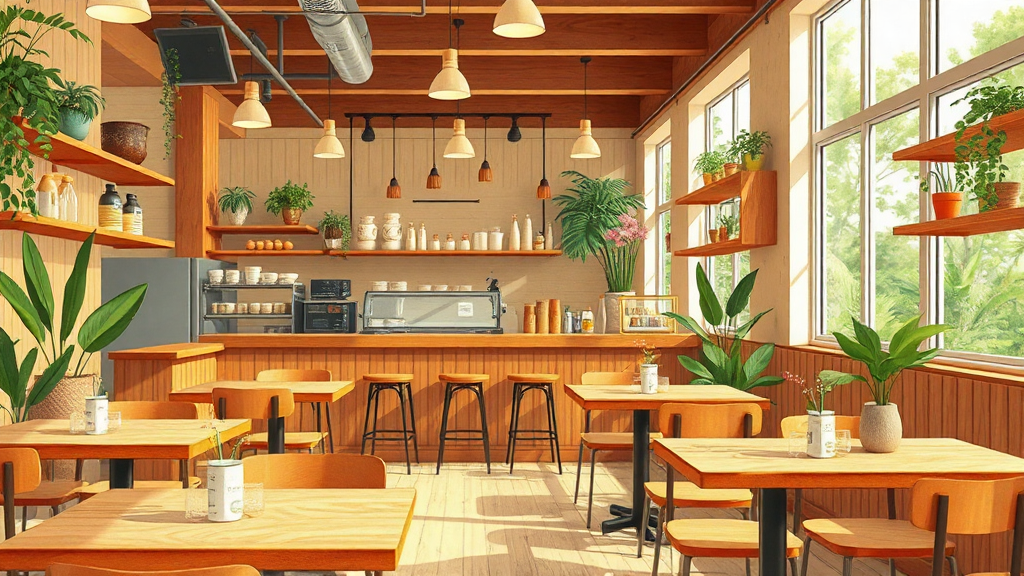
Approfondimenti attuabili per le aziende: ottimizzazione della selezione della paglia per la sostenibilità
Con un segmento di mercato in crescita che ricerca attivamente aziende con forti profili ESG (ambientali, sociali e di governance).
3. Conformità normativa:
Molte regioni stanno implementando divieti o tasse sulla plastica monouso. L'adozione proattiva di alternative sostenibili garantisce la conformità, evita potenziali multe e posiziona la tua azienda in vista delle normative future. Stare al passo con i tempi riduce al minimo i disagi e dimostra una lungimiranza responsabile.
4. Efficienza dei costi:
Sebbene i costi iniziali possano variare, le opzioni riutilizzabili come le cannucce in acciaio inossidabile o in vetro offrono notevoli risparmi sui costi a lungo termine rispetto all’acquisto costante di cannucce di plastica usa e getta. Considerare il costo totale di proprietà, inclusi l'acquisto, lo smaltimento e le potenziali sanzioni per non conformità.
Confronto tra materiali in paglia senza plastica
1. Cannucce di carta:
- Pro: Conveniente (€ 0,02–€ 0,25 per unità), ampiamente disponibile in vari colori e design.
- Contro: Spesso diventano mollicci, spesso sono costituiti da pasta di legno non sostenibile e possono richiedere quantità significative di acqua per la produzione.
- Ideale per: Eventi o applicazioni a breve termine in cui il basso costo è la preoccupazione principale. Considerare l’impatto ambientale dell’approvvigionamento e dello smaltimento.
2. Cannucce di canna da zucchero:
- Pro: Compostabile in casa, resiste alle bevande calde e fredde senza ammorbidirsi.
- Contro: Potrebbero essere meno facilmente disponibili delle cannucce di carta, richiedendo una gestione della catena di approvvigionamento più solida.
- Ideale per: Ristoranti e aziende che mirano a iniziative a rifiuti zero e si rivolgono a clienti attenti all'ambiente.
3. Cannucce di bambù:
- Pro: Estetica naturale, riutilizzabile con un'adeguata pulizia.
- Contro: Richiedono un'asciugatura diligente per prevenire la crescita di muffe, potenziale rischio di schegge e potrebbero non essere adatti a tutte le bevande.
- Ideale per: Strutture con un'immagine di marca rustica o che si rivolgono a un mercato di nicchia specifico che valorizza i materiali naturali.
4. Acciaio inossidabile & Cannucce di vetro:
- Pro: Estremamente durevole (uso permanente), facile da pulire e altamente riutilizzabile.
- Contro: Costo iniziale più elevato (€ 2–€ 10 per unità), meno trasportabile rispetto alle alternative usa e getta.
- Ideale per: Aziende che offrono servizi di ristorazione, bar o che danno priorità agli investimenti nella sostenibilità a lungo termine.
Domande frequenti
5. Cannucce in silicone: considerazioni su flessibilità e sicurezza
- Pro: Flessibile, sicuro per i bambini.
- Contro: Potenziali preoccupazioni relative al BPA (garantire l'assenza di BPA), sfide relative al riciclaggio.
- Ideale per: Famiglie o applicazioni in cui la flessibilità e la sicurezza dei bambini sono fondamentali. Un’attenta considerazione dell’approvvigionamento e dello smaltimento responsabile è fondamentale.
Dove la sicurezza supera la sostenibilità nella selezione della paglia
6. Cannucce in PLA (bioplastica).
- Pro: Imitano la tradizionale durabilità della plastica pur essendo compostabili industrialmente. Ideale per eventi su larga scala che necessitano di materiali usa e getta economici.
- Contro: Spesso confuso con la plastica convenzionale, porta ad uno smaltimento improprio. Richiede programmi di formazione del cliente per massimizzare i benefici ambientali.
Strategie di efficienza operativa per l'implementazione della paglia
1. Valutazione globale dei bisogni
Prima di selezionare i materiali in paglia, condurre audit sui tipi di bevande (calde o fredde), sui profili dei clienti e sulle infrastrutture per i rifiuti. I ristoranti di fascia alta potrebbero dare la priorità alle cannucce in acciaio inossidabile, mentre i locali fast-informali potrebbero scegliere opzioni compostabili.
2. Pratiche di approvvigionamento responsabile
Collabora con fornitori certificati come #IAMPLASTICFREE o Bambu per garantire un approvvigionamento etico di paglia. Verificare le certificazioni di sostenibilità e richiedere la documentazione di impatto ambientale.
3. Tattiche di educazione del cliente
Utilizza la segnaletica ("Le nostre cannucce di canna da zucchero si decompongono in 90 giorni!"), gli inserti dei menu e i social media per spiegare gli sforzi di sostenibilità. I quiz interattivi possono aumentare il coinvolgimento.
4. Ottimizzazione degli approvvigionamenti
Negoziare i prezzi all’ingrosso per le cannucce di grano/canna (€0,07–€0,10/unità). Analizzare i costi totali di proprietà, comprese le spese di smaltimento.
5. Integrazione della gestione dei rifiuti
Allineare i materiali di paglia alle capacità locali di compostaggio/riciclaggio. Etichettare chiaramente i contenitori per lo smaltimento per prevenire la contaminazione.
Domande frequenti sulle cannucce sostenibili
Domande frequenti
D: Come posso assicurarmi che le mie cannucce siano veramente ecologiche?
R: Cerca certificazioni come OK Compost HOME (per la compostabilità domestica) e FSC (per materiali di provenienza sostenibile). Queste certificazioni forniscono la verifica da parte di terzi delle dichiarazioni ambientali di un prodotto. Senza di essi, le affermazioni “ecosostenibili” possono essere fuorvianti.
D: Le cannucce compostabili sono più costose di quelle in plastica?
R: Sebbene i costi iniziali siano più elevati (€ 0,05–€ 0,25 rispetto a € 0,01), le opzioni riutilizzabili come l'acciaio inossidabile offrono risparmi a lungo termine grazie alla riduzione del riacquisto.
D: Le cannucce biodegradabili funzionano con le bevande calde?
R: Alcuni materiali biodegradabili resistenti al calore come le cannucce a base di legno di #IAMPLASTICFREE mantengono l'integrità nelle bevande calde: controlla sempre le specifiche del produttore.
D: Come posso verificare l'ecocompatibilità della paglia?
R: Richiede USDA BioPreferred o certificazioni equivalenti. Richiedere la documentazione completa del ciclo di vita ai fornitori, compresi i protocolli di approvvigionamento e smaltimento.