Nel mondo degli affari di oggi, Ambientale, sociale e di governance (ESG) i fattori sono più importanti che mai. Poiché le parti interessate richiedono una maggiore responsabilità, le aziende sono sempre più tenute a rispettare standard più elevati in termini di impronta ambientale, responsabilità sociale e pratiche di governance. Questo post del blog esplorerà i fattori ESG, i suoi componenti, l’implementazione pratica e il suo impatto sul successo aziendale a lungo termine.

Cos’è l’ESG?
Esg sta per Ambientale, sociale e governance, tre fattori critici utilizzati per valutare la sostenibilità e l’impatto etico di un’azienda. I fattori ESG hanno guadagnato importanza poiché investitori, consumatori e altri stakeholder richiedono che le aziende non considerino solo il profitto: devono anche considerare il loro impatto ambientale, il modo in cui trattano i dipendenti e le comunità e il modo in cui sono governati.
Origine dell'ESG
L’ESG affonda le sue radici in investimenti socialmente responsabili (SRI), che risale agli anni '60. Nel corso dei decenni, l’attenzione alle preoccupazioni ambientali e sociali è cresciuta, portando alla formalizzazione dell’ESG come quadro di riferimento all’inizio degli anni 2000. L’ESG è oggi un approccio ampiamente riconosciuto che influenza sia gli investimenti che la strategia aziendale.
Perché i fattori ESG sono importanti
Le pratiche ESG sono essenziali perché forniscono un quadro completo affinché le aziende possano gestire i rischi a lungo termine, migliorare la sostenibilità e soddisfare le crescenti richieste di clienti e investitori. Le aziende che adottano forti pratiche ESG hanno maggiori probabilità di prosperare in un mercato sempre più coscienzioso.
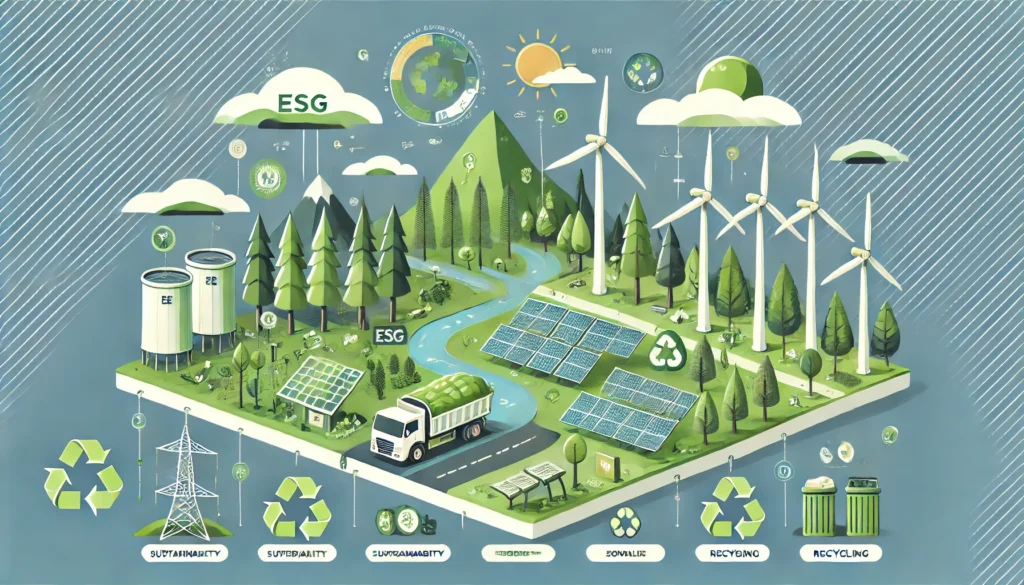
Componenti ESG
L’ESG è suddiviso in tre componenti principali: Ambientale, Sociale, E Governo. Ciascuna di queste aree svolge un ruolo cruciale nella valutazione dell’impatto e della responsabilità complessivi di un’azienda.
Ambientale (E)
IL Ambientale La componente ESG si concentra sul modo in cui un’azienda influisce sul mondo naturale. I fattori chiave includono:
- Impronta di carbonio: Le aziende vengono valutate in base alle emissioni di gas serra e agli sforzi per ridurle.
- Efficienza energetica e risorse rinnovabili: Quanto efficientemente un'azienda utilizza l'energia e se adotta fonti energetiche rinnovabili.
- Gestione dei rifiuti: gli sforzi di un’azienda per ridurre al minimo i rifiuti, in particolare quelli pericolosi o non riciclabili.
- Tutela della biodiversità: Iniziative per conservare gli ecosistemi e proteggere gli habitat della fauna selvatica.
Migliorare le prestazioni ambientali aiuta le aziende a ridurre i costi, mitigare i rischi e soddisfare i requisiti normativi, migliorando al contempo le proprie credenziali di sostenibilità.
Sociale (S)
IL Sociale Il componente valuta il modo in cui le aziende gestiscono le relazioni con le persone, inclusi dipendenti, clienti e comunità. Le considerazioni chiave includono:
- Trattamento dei dipendenti: Pratiche di lavoro corrette, standard di salute e sicurezza e soddisfazione dei dipendenti.
- Diversità e inclusione: sforzi per favorire una forza lavoro diversificata e promuovere le pari opportunità.
- Diritti del lavoro e diritti umani: Garantire salari equi, condizioni di lavoro sicure e rispetto dei diritti umani nella catena di fornitura.
- Coinvolgimento della comunità: Come le aziende supportano le comunità locali e contribuiscono al benessere sociale.
Una forte politica sociale favorisce la lealtà dei dipendenti e dei clienti e migliora la reputazione di un’azienda.

Governance (G)
IL Governo La componente valuta come è governata un'azienda e se opera in modo etico e trasparente. Le aree chiave includono:
- Diversità e struttura del consiglio: Consigli di amministrazione diversi apportano prospettive diverse, che possono migliorare il processo decisionale e le prestazioni aziendali.
- Retribuzione dei dirigenti: Garantire che la retribuzione dei dirigenti sia allineata al successo a lungo termine dell’azienda e dei suoi stakeholder.
- Diritti degli azionisti: Tutelare gli interessi degli azionisti e garantire la trasparenza nei processi decisionali.
- Pratiche commerciali etiche: Forti politiche anticorruzione, trasparenza nella rendicontazione finanziaria e rispetto degli standard etici.
Una governance efficace garantisce che le aziende siano gestite in modo responsabile e con integrità, il che crea fiducia tra gli investitori e le parti interessate.
Perché i fattori ESG sono importanti per il successo aziendale
L’ESG non è solo una questione di responsabilità etica: è un fattore chiave del successo aziendale a lungo termine. Le aziende che ottengono buoni risultati in termini di fattori ESG hanno maggiori probabilità di:
Attenzione agli investitori
Gli investitori socialmente responsabili utilizzano sempre più i criteri ESG per guidare le loro decisioni di investimento. Gli investitori sono consapevoli che le aziende con forti pratiche ESG sono in una posizione migliore per prosperare in un mondo caratterizzato da crescenti preoccupazioni ambientali e consapevolezza sociale.
Gestione del rischio
Concentrandosi sugli ESG, le aziende possono gestire i potenziali rischi legati al cambiamento climatico, ai disordini sociali e alle questioni di governance. Solide pratiche ESG aiutano le aziende a evitare danni alla reputazione e responsabilità legali, migliorando al contempo la resilienza alle sfide future.
Fedeltà al marchio e aspettative dei clienti
I consumatori sono sempre più interessati ad acquistare prodotti e servizi da aziende in linea con i loro valori. Forti pratiche ESG portano a una maggiore fedeltà al marchio, poiché i clienti apprezzano le aziende etiche che contribuiscono positivamente alla società e all’ambiente.
Resilienza a lungo termine
Le aziende orientate ai criteri ESG tendono ad essere più adattabili e resilienti nel lungo termine. Affrontando in modo proattivo le questioni ambientali, sociali e di governance, le aziende sono meglio preparate ad affrontare i cambiamenti del mercato e i futuri cambiamenti normativi.
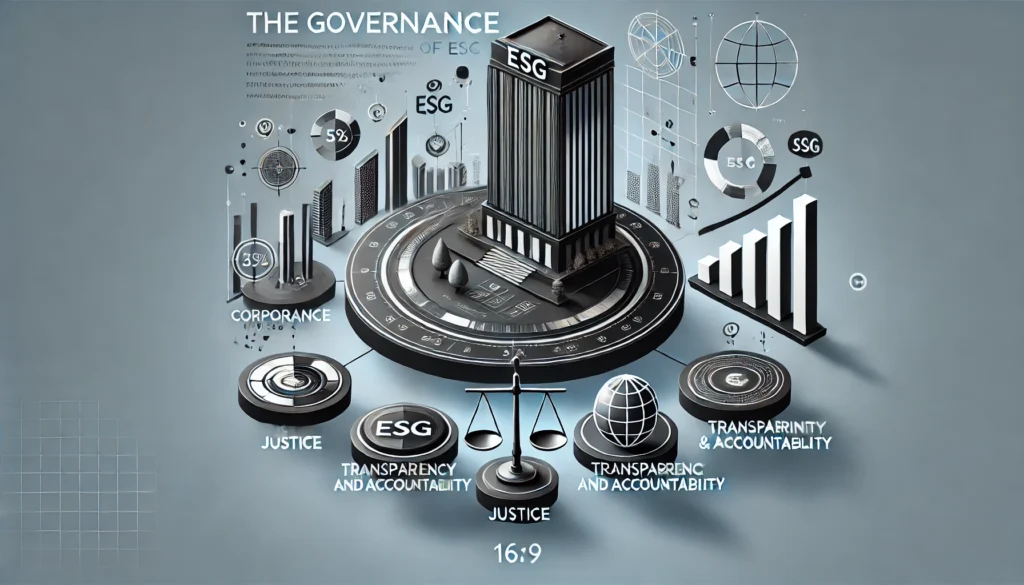
Rating e reporting ESG
Le aziende vengono sempre più valutate in base alla loro performance ESG. Diverse agenzie terze forniscono rating ESG, che aiutano gli investitori a valutare gli sforzi di sostenibilità e le pratiche etiche di un’azienda. Le principali agenzie di rating includono:
- Classifica di sostenibilità totale RobecoSAM: Fornisce una valutazione di sostenibilità completa per le aziende a livello globale.
- Punteggio di qualità della governance dell'ISS: si concentra sulla governance aziendale e valuta il modo in cui le aziende gestiscono i fattori di governance.
- CDP (ex Carbon Disclosure Project): si concentra sulle prestazioni ambientali di un’azienda, in particolare sui suoi sforzi per gestire i rischi legati al clima.
Si prevede che anche le aziende forniranno relazioni ESG annuali per dimostrare il loro impegno per la trasparenza e la sostenibilità. Questi report sono sempre più importanti per gli stakeholder che desiderano comprendere la performance ESG di un’azienda.

Implementare i fattori ESG nelle imprese: una guida passo passo
L’implementazione delle pratiche ESG può sembrare impegnativa, ma le aziende possono adottare un approccio graduale per garantire un’integrazione di successo.
Inizia con le nozioni di base
- Stabilire obiettivi ESG chiari: identifica aree chiave come le emissioni di carbonio, la diversità dei dipendenti o la governance aziendale in cui la tua azienda può migliorare.
- Coinvolgere le parti interessate: Coinvolgi dipendenti, clienti e investitori nelle tue iniziative ESG. Il loro contributo e supporto sono essenziali per il successo.
Misurare e segnalare
- Tieni traccia dei dati ESG: utilizza software ESG o strumenti di raccolta dati per misurare i tuoi progressi rispetto agli obiettivi ESG.
- Pubblicare rapporti regolari: Condividi i tuoi progressi ESG con le parti interessate attraverso rapporti annuali, dimostrando trasparenza e responsabilità.
Sfide nell’adozione ESG
Nonostante i numerosi vantaggi dei criteri ESG, le aziende devono affrontare diverse sfide quando adottano queste pratiche:
Raccolta e reporting dei dati
Raccogliere dati ESG affidabili e coerenti può essere difficile, soprattutto per le aziende con operazioni complesse. È essenziale investire negli strumenti e nelle risorse giusti per monitorare accuratamente le prestazioni.
Complessità di conformità
Regioni diverse hanno normative ESG diverse. Orientarsi nel panorama globale in evoluzione della conformità ESG può essere impegnativo per le aziende multinazionali.
Resistenza al cambiamento
Nei settori tradizionali potrebbe esserci resistenza all’adozione di nuove pratiche ESG. Superare questa resistenza richiede l’impegno della leadership e il consenso dei dipendenti.

Il futuro dell’ESG
Il futuro degli ESG è luminoso poiché sempre più aziende ne riconoscono l’importanza nel plasmare un futuro sostenibile ed etico. Le tendenze principali includono:
ESG e innovazione
Le aziende che adottano i principi ESG sono spesso in una posizione migliore per innovare, soprattutto in settori come questo tecnologia verde, sviluppo sostenibile del prodotto, E soluzioni ad alta efficienza energetica.
ESG nei mercati emergenti
Man mano che i principi ESG guadagnano terreno in tutto il mondo, si prevede che i mercati emergenti svolgeranno un ruolo cruciale nel panorama ESG globale. Le aziende di queste regioni dovranno adottare pratiche ESG per attrarre investimenti e promuovere una crescita sostenibile.
Progressi tecnologici
L'uso di IA, analisi dei dati, E blockchain Le tecnologie continueranno a rivoluzionare il reporting ESG e ad aiutare le aziende a monitorare, misurare e rendicontare le proprie prestazioni ESG in modo più efficiente.
Sezione Domande frequenti
1. Cos’è l’ESG?
- ESG sta per Ambientale, sociale e governance. È un quadro utilizzato per valutare l’impatto di un’azienda in queste tre aree, concentrandosi sulla sostenibilità e sulle pratiche etiche.
2. Perché i criteri ESG sono importanti per le imprese?
- L’ESG è fondamentale perché aiuta le aziende a gestire i rischi, a soddisfare le aspettative degli stakeholder e a costruire una sostenibilità a lungo termine. Inoltre, ha un impatto positivo sulla performance finanziaria attirando investitori socialmente responsabili.
3. In che modo le aziende possono iniziare ad implementare le pratiche ESG?
- Le imprese dovrebbero iniziare mettendo in chiaro Obiettivi ESG, coinvolgente dipendenti e stakeholdere adottando strumenti basati sui dati per monitorare i progressi e creare report.
4. Cosa sono i rating ESG e perché sono importanti?
- I rating ESG sono valutazioni di agenzie terze che valutano il rendimento di un'azienda ambientale, sociale, E governo criteri. Questi rating aiutano gli investitori a prendere decisioni informate.
5. Quali sono le sfide nell’adozione dei criteri ESG?
- Le sfide includono raccolta dati, conformità con i diversi standard globalie superamento resistenza interna cambiare, soprattutto nei settori con pratiche consolidate.
6. In che modo i fattori ESG influiscono sulla performance finanziaria di un’azienda?
- Forti pratiche ESG possono migliorare gestione dei costi, migliorare fedeltà alla marcae attrarre investitori a lungo termine, contribuendo alla stabilità finanziaria e alla crescita.
7. In che modo i fattori ESG contribuiscono alla sostenibilità ambientale?
- Le pratiche ESG si concentrano sulla riduzione emissioni di carbonio, migliorando efficienza energeticae minimizzando sciupare, che contribuiscono tutti a sostenibilità ambientale.
8. Che ruolo gioca la governance nell’ambito ESG?
- La governance garantisce che un'azienda operi in a trasparente, etico, E responsabile modo, che crea fiducia con investitori E parti interessate.
Citazioni:
- Climate Partner – Spiegazione ESG
- Rosstone Opex – Cos’è l’ESG?
- IBM – Panoramica ESG
- 6click – Componenti ESG
- TechTarget – ESG
- Investopedia – ESG
- Istituto di Corporate Governance – Importanza ESG
- Istituto di Corporate Governance – Guida ESG
- Istituto di Finanza Aziendale – ESG