Exploring the Downsides: The Cons of Sugarcane Straws
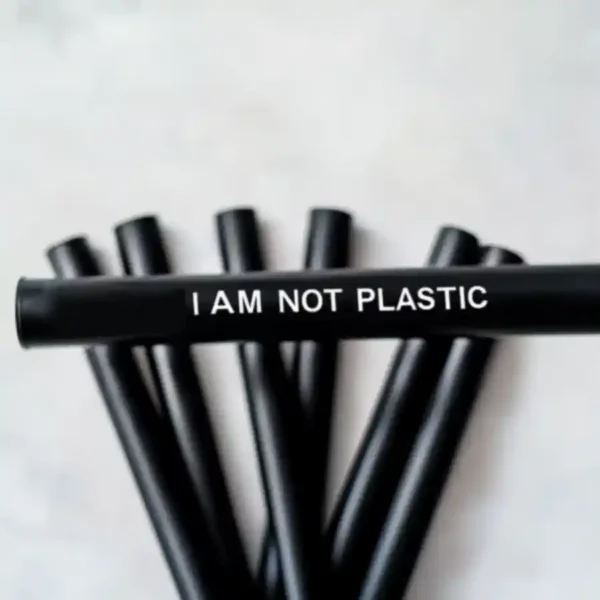
As the world edges towards more sustainable alternatives in every facet of life, sugarcane straws have emerged as an eco-friendly alternative to plastic. However, like any product, they come with their own set of drawbacks. This article explores the cons of sugarcane straws.
Understanding Sugarcane Straws: An Introduction
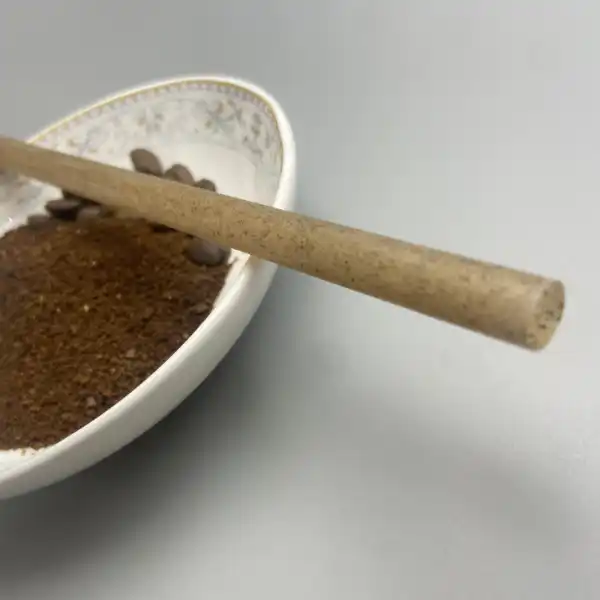
Sugarcane straws are made from the pulp of sugarcane, a renewable resource. They are touted as a biodegradable and compostable alternative to plastic straws, but they are not without their problems. Related Topic One discusses this in more detail.
The Environmental Impact of Sugarcane Straws
While they’re indeed biodegradable, the process of producing sugarcane straws can be quite taxing on the environment. The cultivation of sugarcane requires large amounts of water and often involves the use of harmful pesticides.
Sugarcane Straws and Sustainability: A Misunderstood Relationship
Nonostante venga pubblicizzato come sostenibile, la realtà è più complessa. La sostenibilità delle cannucce di canna da zucchero dipende da diversi fattori, tra cui le pratiche utilizzate nella coltivazione della canna da zucchero e i metodi utilizzati per convertire la materia prima in cannucce.
The Hidden Costs of Producing Sugarcane Straws
Oltre all’impatto ambientale, ci sono anche i costi economici da considerare. Il costo di produzione delle cannucce di canna da zucchero è sostanzialmente più elevato rispetto alle loro controparti in plastica. Questo Risorsa esterna uno spiega l'economia della produzione di paglia di canna da zucchero.
Quality Concerns: The Durability of Sugarcane Straws
Sebbene le cannucce di canna da zucchero siano abbastanza robuste per un uso singolo, non hanno la durata delle cannucce di plastica. Tendono a diventare mollicci dopo un uso prolungato, il che può influire sull'esperienza dell'utente.
Sugarcane Straws: A Threat to Biodiversity?
The cultivation of sugarcane can lead to soil degradation and loss of biodiversity. These issues are further elaborated in Related Topic Two.
The Health Risks Associated with Sugarcane Straws
There are also potential health risks associated with sugarcane straws. Pesticides used in sugarcane cultivation can potentially linger on the straws, posing a health risk to users.
Convenience Versus Eco-friendliness: The Practicality of Using Sugarcane Straws
While sugarcane straws are a more eco-friendly option, they are not as convenient as plastic straws. They require special storage conditions and have a shorter shelf life.
The Commercial Drawbacks of Sugarcane Straws
The higher production cost and shorter shelf life of sugarcane straws make them a less attractive option for businesses. This External Resource Two explores the commercial implications of sugarcane straws.
Are Sugarcane Straws Really the Answer to Plastic Pollution?
Sebbene le cannucce di canna da zucchero offrano un’alternativa più ecologica, non sono una panacea per la crisi dell’inquinamento da plastica. È necessario un approccio più completo che includa la riduzione, il riutilizzo e il riciclaggio.
Re-thinking the Alternatives: Other Eco-friendly Straw Options
Considerati gli svantaggi delle cannucce di canna da zucchero, vale la pena considerare altre alternative ecologiche come bambù, acciaio inossidabile e cannucce di vetro.
Conclusion: Weighing the Pros and Cons of Sugarcane Straws
Anche se le cannucce di canna da zucchero rappresentano un passo nella giusta direzione, è importante considerare i loro svantaggi prima di fare un cambiamento. Ciò ci aiuterà a prendere decisioni migliori e più informate sulle nostre scelte e sul loro impatto sull’ambiente.