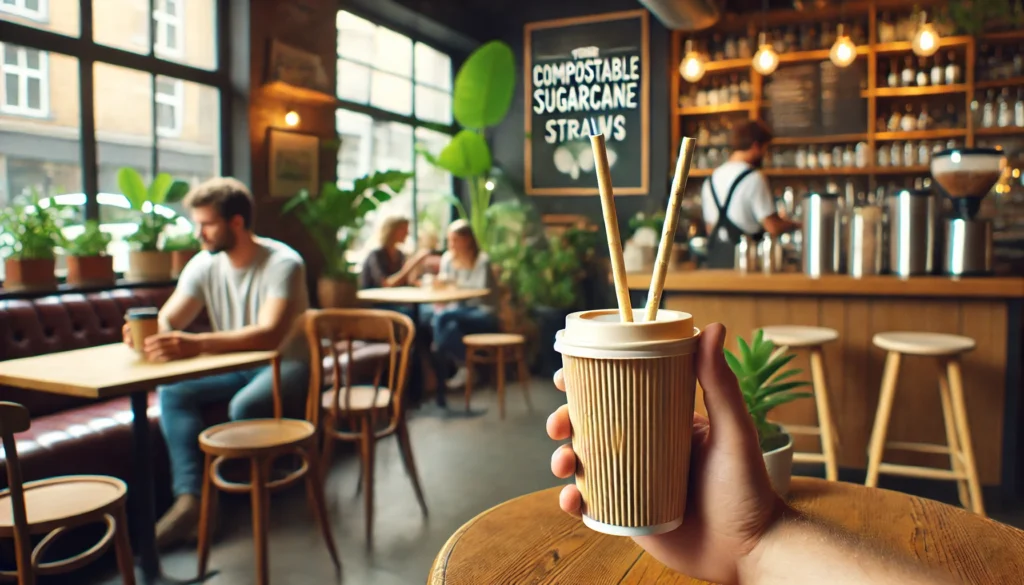
In a world where sustainability is becoming a necessity rather than an option, coffee shops are leading the way in adopting eco-friendly practices. From responsibly sourced coffee beans to recyclable packaging, a new wave of green innovation is brewing. One such change is the shift from plastic to compostable straws—a simple yet impactful step toward a greener future. Every sip becomes an opportunity to contribute to a sustainable planet, making coffee more than just a daily pick-me-up; it’s a movement for environmental consciousness.
The Plastic Straw Predicament
Le tradizionali cannucce di plastica sono state per lungo tempo un punto fermo e pratico, ma comportano un costo ambientale nascosto. Realizzate con materiali non biodegradabili, queste cannucce impiegano centinaia di anni per rompersi. Ogni anno milioni di cannucce di plastica finiscono negli oceani, danneggiando la vita marina e inquinando gli ecosistemi. Questi rifiuti di plastica colpiscono anche le comunità, intasando i corsi d’acqua e contribuendo alla crisi di inquinamento globale. Le caffetterie, in quanto attori chiave nel settore alimentare e delle bevande, hanno un ruolo unico nell’affrontare questo problema.
The Shift in Consumer Expectations
I clienti di oggi sono più attenti all’ambiente che mai e chiedono alternative più ecologiche. Le piattaforme di social media stanno amplificando queste voci, creando tendenze che celebrano i marchi sostenibili e svergognano le pratiche dispendiose. Per le caffetterie, adottare cannucce compostabili non è più una scelta: è una necessità per stare al passo con l’evoluzione dei valori dei consumatori. Offrire opzioni rispettose dell’ambiente ora va di pari passo con l’attrazione di clienti fedeli e socialmente responsabili che desiderano che i loro acquisti siano in linea con i loro principi.
Cosa sono le cannucce compostabili?
Le cannucce compostabili sono un'alternativa sostenibile alle tradizionali cannucce di plastica. A differenza delle cannucce di plastica, che persistono nell'ambiente per secoli, le opzioni compostabili sono progettate per rompersi naturalmente nel tempo, senza lasciare residui nocivi. Queste cannucce sono generalmente realizzate con materiali rinnovabili e di origine vegetale, il che le rende una scelta più sicura e rispettosa dell'ambiente. Offrono alle caffetterie un modo per ridurre gli sprechi pur mantenendo un'eccellente funzionalità.

La scienza dietro la biodegradazione
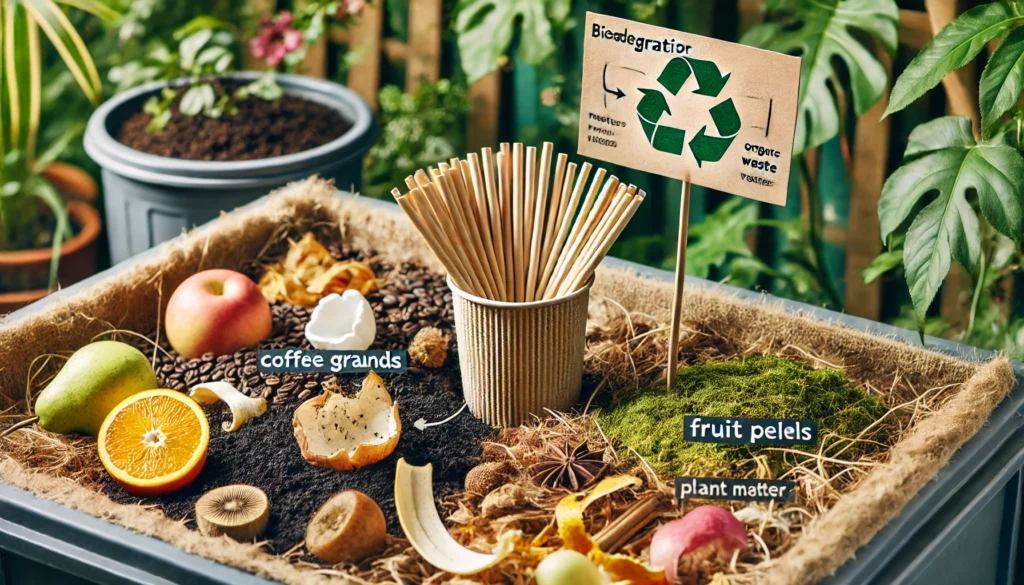
Il processo che rende ecologiche le cannucce compostabili si chiama biodegradazione. Se smaltite nel giusto ambiente di compostaggio, queste cannucce si decompongono in materia organica, come acqua, anidride carbonica e terreno ricco di sostanze nutritive. Questo processo può richiedere anche solo poche settimane, a seconda del materiale e delle condizioni di compostaggio, garantendo che quella che una volta era una cannuccia ritorni alla natura senza danneggiare il pianeta.
Materials That Make a Difference
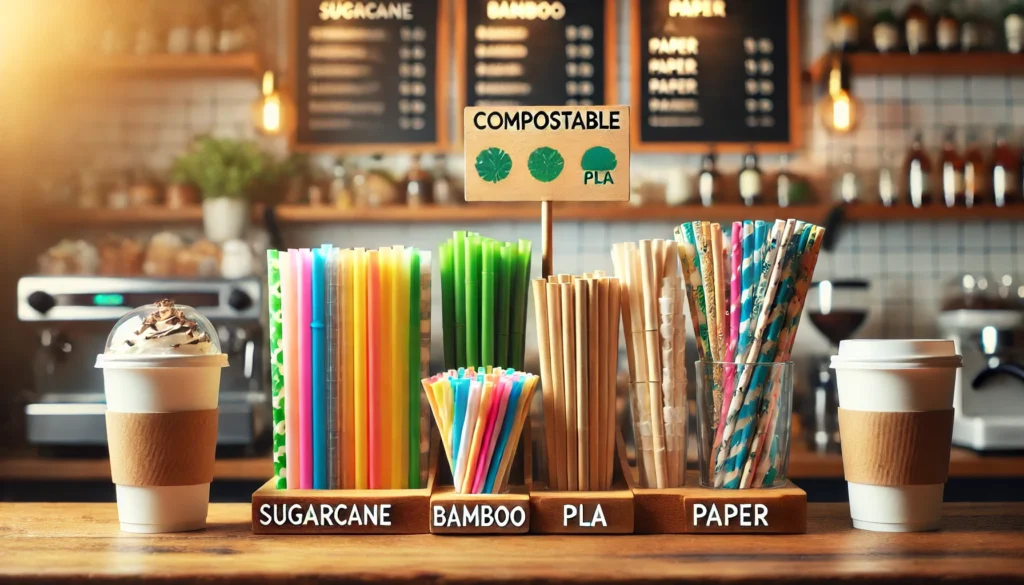
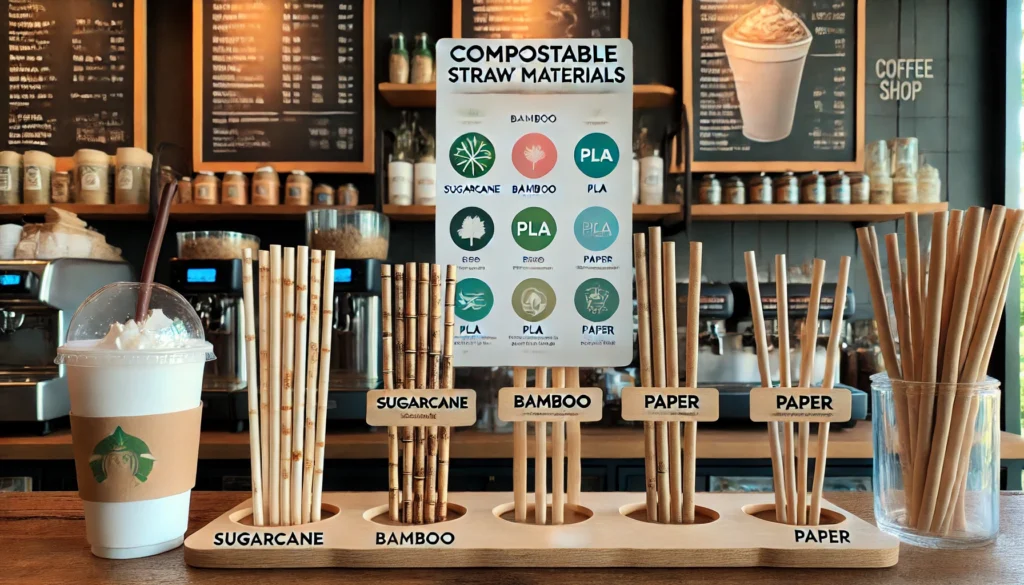
I materiali utilizzati per realizzare cannucce compostabili sono tanto diversi quanto innovativi. Le opzioni più popolari includono:
- Cannauga: Un sottoprodotto della produzione di zucchero, la fibra di canna da zucchero crea cannucce durevoli ed ecologiche. Ad esempio, Cannuccia ecologica di canna da zucchero Boba di NatureBioEco Ø12mm × 210mm offre un'opzione sostenibile per gli appassionati di tè boba.
- Bambù: Una risorsa rinnovabile e in rapida crescita, il bambù offre un'opzione naturale e biodegradabile.
- Acido Polilattico (PLA): Derivate dall'amido di mais, le cannucce in PLA imitano l'aspetto e la sensazione della plastica ma sono completamente compostabili.
- Carta: Pur essendo tradizionale, la carta rimane una scelta funzionale e biodegradabile, soprattutto per le bevande fredde.
Sfruttando questi materiali, le caffetterie possono offrire cannucce ecologiche ed efficaci.
Design and Functionality: More Than Just Eco-Friendly
Una delle preoccupazioni principali delle cannucce compostabili è la funzionalità. Tuttavia, il design moderno garantisce che queste cannucce bilancino durata e sostenibilità. Sono resistenti all'umidità, resistono bene alle bevande fredde e calde e sono disponibili anche in design esteticamente gradevoli. Ciò garantisce che i clienti possano godersi la loro esperienza del caffè senza sacrificare la praticità che si aspettano.
Economic Benefits for Coffee Shops
Switching to compostable straws may seem like an expensive endeavor initially, but it can lead to longer-term economic benefits:
- Waste Management Savings: Compostable straws reduce plastic waste, potentially lowering disposal costs.
- Fidelizzazione dei clienti: Eco-conscious initiatives can attract new customers and retain existing ones, boosting revenue.
- Conformità normativa: Adopting compostable straws can help coffee shops stay ahead of government regulations banning single-use plastics.
Enhancing Brand Image with Green Practices
Sustainability isn’t just good for the planet—it’s good for business. Customers are more likely to support brands that share their environmental values. By transitioning to compostable straws, coffee shops can build a strong green reputation, inspiring customer loyalty and turning sustainable initiatives into a competitive advantage.
Case Studies: Success Stories in the Coffee Industry
Dai bar locali alle catene di caffè globali, molte aziende sono passate con successo alle cannucce compostabili:
- Starbucks: Sforzi pionieristici nella sostituzione delle cannucce di plastica con coperchi sippy compostabili e cannucce ecologiche. In Giappone, Starbucks ha introdotto le cannucce biodegradabili a base vegetale Green Planet™, che emettono meno anidride carbonica durante tutto il loro ciclo di vita rispetto alle tradizionali cannucce di carta. citaturn0search3
- Caffè in bottiglia blu: Enfatizzare la sostenibilità adottando cannucce compostabili e incoraggiando i clienti a utilizzare opzioni riutilizzabili.
- Caffè locali: Le piccole imprese hanno scoperto che il marketing dei loro sforzi ecologici ha una buona risonanza con le loro comunità.
Questi esempi dimostrano che il passaggio non è solo fattibile ma anche vantaggioso in tutto il settore.

Overcoming Challenges in the Transition
Switching to compostable straws isn’t without its challenges. Some hurdles include higher upfront costs, supply chain complexities, and educating staff about the new products. However, these obstacles can be mitigated through:
- Building relationships with eco-friendly suppliers: Sourcing from reputable manufacturers ensures a steady supply of high-quality compostable straws. For example, NatureBioEco’s sugarcane straws are made from renewable materials and offer excellent durability.
- Buying in bulk to reduce costs: Larger orders can help coffee shops lower per-unit expenses. Options such as Cannucce per fondi di caffè Boba confezionate singolarmente provide a practical solution for businesses that need sanitary, grab-and-go alternatives.
- Conducting employee training to ensure a smooth transition: Educating staff about the benefits and proper use of compostable straws will enable them to advocate for the change and answer customer questions effectively.

Employee Training and Customer Engagement
A successful transition requires buy-in from both staff and customers. Employees should be well-informed about compostable straws to confidently explain their advantages. Coffee shops can further enhance customer engagement by:
- Utilizzando in-store displays E informational cards to highlight the benefits of compostable straws.
- Offering sampling opportunities for customers to test compostable straws like cannucce per frullato di canna da zucchero.
- Encouraging customer feedback and rewarding eco-conscious behavior, such as bringing reusable straws.
Sustainability Marketing: Turning Green into Gold
Eco-friendly practices aren’t just a trend—they’re a powerful marketing tool. Coffee shops can promote their switch to compostable straws through:
- Campagne sui social media featuring success stories and customer testimonials. For example, global chains like Starbucks Japan have successfully transitioned to biodegradable straws.
- Highlighting sustainability initiatives on coffee menus, reinforcing the message that customers are making an eco-friendly choice.
- Sharing environmental impact data to showcase plastic waste reduction. Businesses using NatureBioEco’s eco-friendly cocktail coffee grounds straws can emphasize their role in sustainable hospitality.
Collaborations and Partnerships
Partnering with suppliers and sustainability organizations can simplify the transition. Coffee shops can collaborate with:
- Eco-friendly packaging manufacturers for a full sustainability overhaul.
- Green business alliances like the Sustainable Coffee Challenge O Coalizione per l’inquinamento da plastica to enhance credibility.
- Local environmental groups to host community clean-ups, strengthening their eco-conscious reputation.

Future Trends in Compostable Technology
The journey toward sustainability doesn’t stop with straws. Emerging innovations continue to transform the industry, including:
- Improved compostable materials that enhance durability.
- Biodegradable accessories like coffee cup lids and stirrers.
- Zero-waste packaging for the coffee sector, reducing landfill waste.
Implementing a Seamless Transition
UN structured approach ensures a smooth shift to compostable straws. Here’s a step-by-step guide:
- Research eco-friendly suppliers: Compare quality, pricing, and certifications before choosing a provider like NaturaBioEco.
- Test straw functionality: Conduct trials with different beverages, such as smoothies or iced coffee, to determine compatibility.
- Train employees: Provide staff with educational resources and FAQs.
- Launch a marketing campaign: Utilize social media, newsletters, and store promotions to announce the transition.
- Monitorare il feedback dei clienti: Gather insights and refine the strategy as needed.
Measuring the Environmental Impact
Tracking tangible benefits helps demonstrate progress:
- Measuring reductions in plastic waste through internal waste audits.
- Tracking compostable waste disposal rates to ensure proper breakdown.
- Sharing sustainability milestones through reports or blog posts on corporate websites.
Consumer Participation: Making It a Movement
Encouraging customers to participate in sustainability efforts increases engagement. Consider:
- Offering rewards: Discounts for bringing reusable straws or cups.
- Hosting community events: Partnering with eco-conscious brands for workshops on sustainable living.
- Sharing educational content: Blog posts and eco-tips on social media can boost awareness.
Policy and Regulatory Influences
Government bans on single-use plastics are increasing worldwide. By proactively switching to compostable straws, coffee shops ensure compliance with upcoming regulations while reinforcing their position as industry leaders.
Brewing a Greener Future
Adopting compostable straws is more than a small operational change—it’s a commitment to sustainability. By implementing pratiche ecocompatibili, coffee shops can:
- Reduce plastic pollution.
- Enhance brand reputation.
- Attract environmentally conscious customers.
Every compostable straw used is a step toward a greener future.
Join the Compostable Revolution
As a coffee shop owner, the time to act is now. By switching to compostable straws, your business contributes to global sustainability while appealing to eco-conscious consumers.
🌱 Take the first step today! Esplorare NatureBioEco’s range of compostable straws Qui.
Together, we can make a difference—one sip at a time.
FAQs: Compostable Straws for Coffee Shops
- Di cosa sono fatte le cannucce compostabili?
Compostable straws are typically made from plant-based materials such as fibra di canna da zucchero, bambù, cornstarch-based PLA, E paper, all of which break down naturally in composting environments. - How long does it take for compostable straws to degrade?
The degradation time varies based on the material and composting conditions. Sugarcane and paper straws break down within 12-16 mesi, while PLA requires industrial composting facilities. - Are compostable straws as durable as plastic straws?
Yes! High-quality compostable straws, like NatureBioEco’s sugarcane straws, are designed to withstand bevande calde e fredde without becoming soggy or breaking down too quickly. - Le cannucce compostabili possono essere riciclate?
No, compostable straws should not be placed in regular recycling bins. Instead, they should be disposed of in impianti di compostaggio commerciale or home composting systems if the material allows. - Do compostable straws cost more than plastic straws?
Initially, compostable straws may have a higher price than traditional plastic ones, but bulk purchasing and growing consumer demand have made them more affordable and cost-effective col tempo. - Le cannucce compostabili influenzano il gusto delle bevande?
No, premium compostable straws like cannucce in fibra di canna da zucchero do not alter the taste of drinks. Unlike some cannucce di carta, they maintain a neutral taste and strong structure. - Are compostable straws legally required in certain areas?
Many countries and states have introduced bans on plastic straws, including California, the EU, and Canada, rendendo le alternative compostabili una necessità per la conformità. - Dove possono le caffetterie acquistare cannucce compostabili di alta qualità?
Le aziende possono procurarsi cannucce compostabili da fornitori ecologici come NatureBioEco. Esplora opzioni sostenibili come: