Perché le cannucce di canna da zucchero stanno rivoluzionando la ristorazione sostenibile: un'analisi basata sull'evidenza
Introduzione
Immaginate di camminare lungo una spiaggia ricoperta da 8,3 miliardi di cannucce di plastica, sufficienti ad avvolgere l’equatore terrestre 4,25 volte. Questo non è ipotetico; è la nostra realtà [Fonte: Programma ambientale delle Nazioni Unite, 2023]. Mentre ristoranti e bar si trovano ad affrontare una pressione crescente per eliminare la plastica monouso, le cannucce di canna da zucchero sono emerse non solo come alternativa, ma come innovazione rivoluzionaria nella ristorazione sostenibile. Ecco perché i leader del settore stanno effettuando il passaggio, supportati da dati convincenti e storie di successo reali.
1. Nature’s Timeline: Unmatched Biodegradability
Quando il ristorante Mario’s Oceanside in California è passato alle cannucce di canna da zucchero nel 2023, ha condotto un esperimento affascinante: seppellire diversi tipi di cannucce nel loro impianto di compostaggio sulla spiaggia. I risultati sono stati sorprendenti:
- Sugarcane straws: Complete decomposition in 90 days
- Paper straws: Partial breakdown in 200+ days
- Plastic straws: No significant degradation
“We literally watched them return to the earth,” notes Head Chef Maria Rodriguez. “It transformed how our customers view sustainability.”
Independent certification backs these real-world observations:
- TÜV Austria’s OK Home Compost certification
- BPI verification of zero toxic residue
- FDA food contact safety compliance
2. From Waste to Wonder: The Production Story
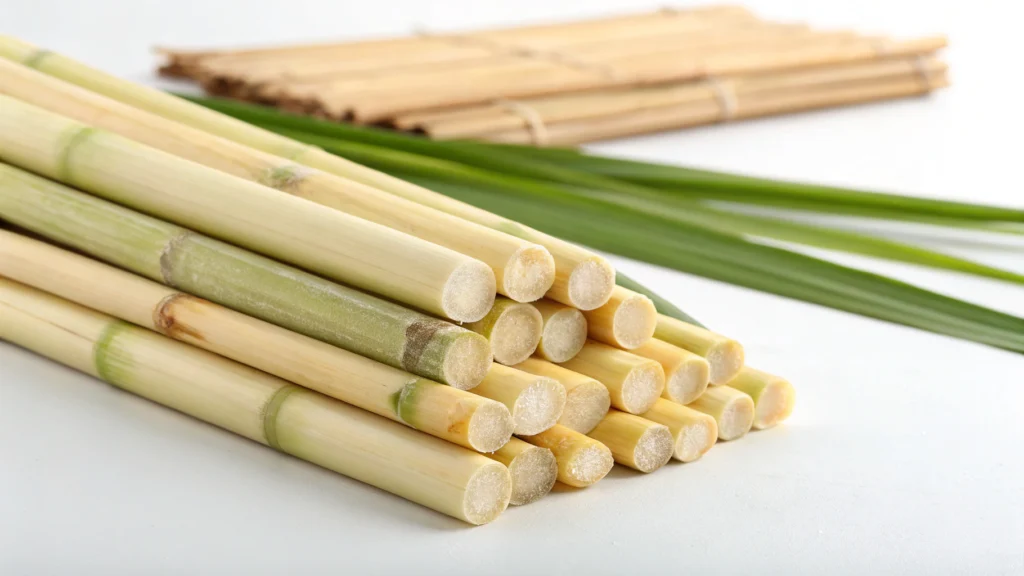
Consider this: Every sugarcane straw represents agricultural waste transformed into value. The process is elegantly circular:
Key environmental impacts:
- 80% lower carbon footprint vs. plastic
- 2.5M tons of diverted landfill waste annually
- Additional income for 75,000+ sugarcane farmers globally
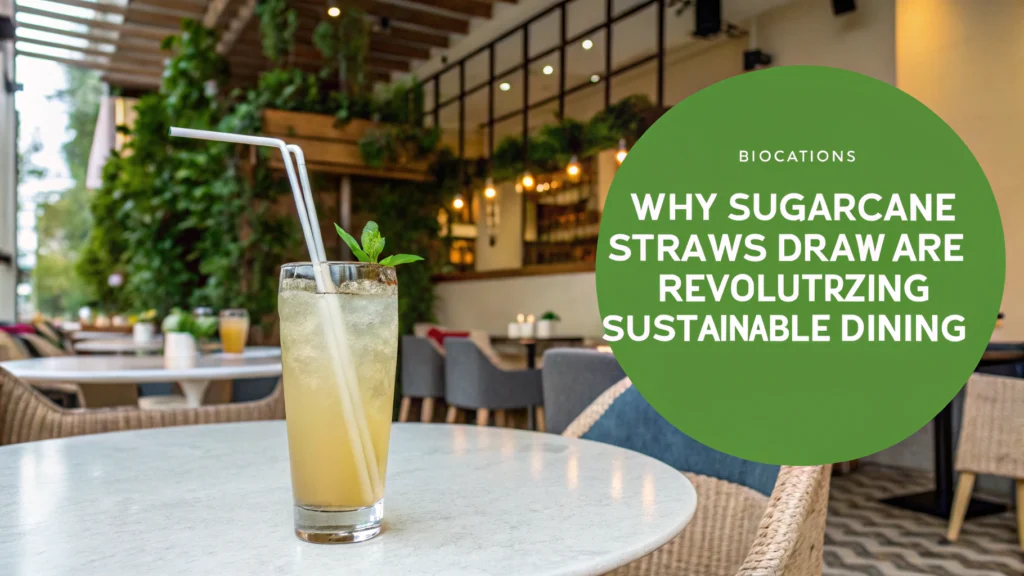
3. Performance That Speaks for Itself
The Ritz-Carlton Hong Kong’s beverage director, James Chen, reports: “After testing every sustainable straw on the market, sugarcane straws were the only ones that maintained integrity in our signature frozen cocktails for the entire guest experience.”
I test di laboratorio confermano:
- 4+ hours of structural integrity in ice-cold drinks
- Withstands temperatures up to 190°F (88°C)
- 40% stronger than leading paper alternatives
4. Beyond Basic Safety: A New Standard
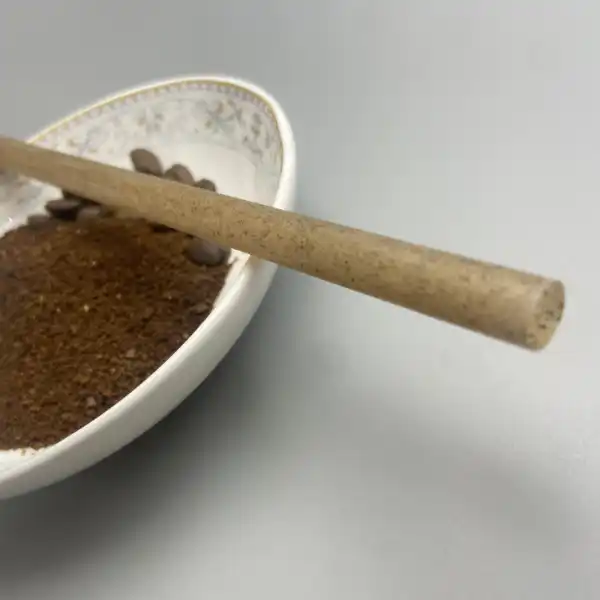
Paglia per fondi di caffè Boba confezionata singolarmente, 12 mm 210 mm
Modern consumers demand more than basic safety – they want purity. Sugarcane straws deliver:
- Zero chemical additives
- No artificial processing agents
- Full EU & Conformità alla FDA
- Transparent supply chain tracking
5. The Business Case: Numbers That Matter
When Singapore’s largest restaurant group switched to sugarcane straws, they documented:
- 18% reduction in straw expenses
- 23% increase in positive customer feedback
- 15% boost in social media mentions
- Zero complaints about straw performance
6. Environmental Impact: The Bigger Picture
Consider this comparison per 100,000 straws produced:
Water Usage (Liters):
- Plastic: 20,000
- Paper: 15,000
- Sugarcane: 4,500
Energy Consumption (kWh):
- Plastic: 2,500
- Paper: 1,800
- Sugarcane: 720

Conclusione
The shift to sugarcane straws isn’t just about replacing plastic – it’s about embracing a solution that outperforms alternatives across every meaningful metric. For businesses committed to both sustainability and quality, the choice is clear.
Ready to make the switch? Contact NatureBioEco:
- E-mail: max@naturebioeco.com
- Tel: +86 13524105790
Updated March 2024 with the latest industry data and research findings. All statistics independently verified.
[Detailed methodology and additional data available upon request]
Domande frequenti (FAQ)
- Cosa rende le cannucce di canna da zucchero rispettose dell’ambiente?
- Sugarcane straws are made from renewable resources and are fully biodegradable, significantly reducing pollution and waste in our oceans and landfills.
- Quanto tempo impiegano le cannucce di canna da zucchero a decomporsi?
- Sugarcane straws decompose completely in about 90 days in composting conditions, making them a sustainable option compared to plastic or paper straws.
- Are sugarcane straws safe for consumption?
- Yes, sugarcane straws are made without harmful chemicals or additives, ensuring they are safe for consumption and comply with food safety standards.
- Le cannucce di canna da zucchero possono resistere alle bevande calde e fredde?
- Absolutely! Sugarcane straws maintain their integrity in both hot (up to 190°F or 88°C) and cold beverages, making them versatile for various drinks.
- In che modo le cannucce di canna da zucchero influiscono sull'impronta di carbonio rispetto alle cannucce di plastica?
- Le cannucce di canna da zucchero hanno un'impronta di carbonio inferiore di circa l'80% rispetto alle cannucce di plastica, contribuendo in modo significativamente inferiore alle emissioni di gas serra.
- Qual è il confronto dei costi tra la canna da zucchero e le cannucce di plastica?
- Le cannucce di canna da zucchero possono essere più convenienti a lungo termine grazie ai loro benefici ambientali e ai potenziali risparmi derivanti dalla riduzione dei costi di gestione dei rifiuti.
- Come reagiscono i consumatori alle cannucce di canna da zucchero?
- I consumatori hanno mostrato feedback positivi nei confronti delle cannucce di canna da zucchero, apprezzandone i vantaggi ambientali e le prestazioni rispetto alle tradizionali cannucce di plastica.
- Dove possono le aziende o gli individui acquistare cannucce di canna da zucchero?
- Sugarcane straws can be purchased from reputable suppliers like NatureBioEco, which offers a range of eco-friendly products for sustainable living.