I. はじめに
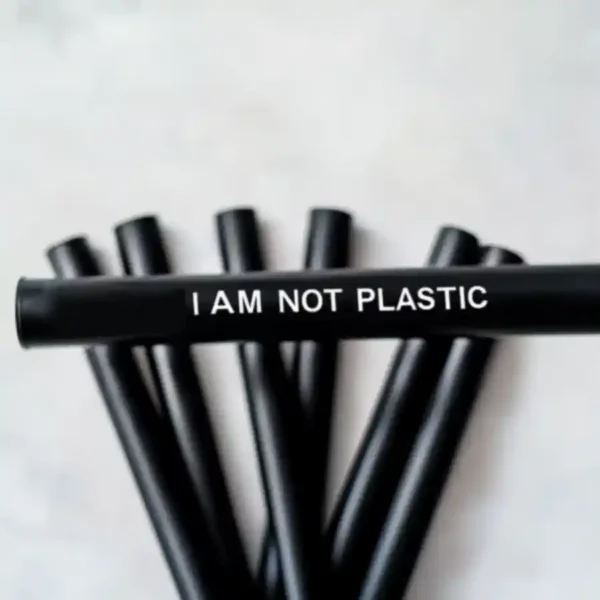
Plastic pollution has become one of the most pressing environmental concerns of our time, with single-use plastics—particularly straws—contributing significantly to global waste. In response, businesses and consumers are increasingly turning to 生分解性ボバストロー as an alternative. However, questions remain regarding their effectiveness, disposal methods, and economic viability.
この記事では、生分解性ボバ ストローの材料、性能、廃棄方法、ビジネス上の利点、将来の傾向を網羅した包括的なガイドを提供します。

II.生分解性ボバストローを理解する
A. 生分解性ボバストローとは何ですか?
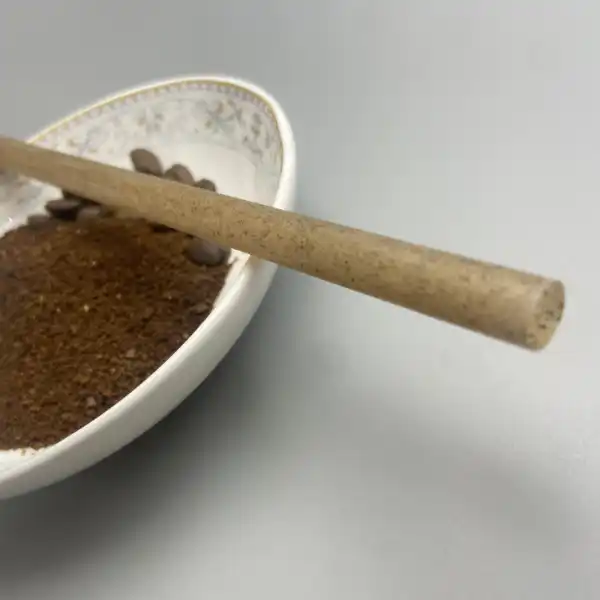
生分解性ボバ ストローは、適切な条件下で天然成分に分解し、有害な残留物を残さないように特別に設計された飲料用ストローです。従来のプラスチック製ストローとは異なり、これらの代替品は自然な微生物の活動によって分解され、環境への影響を軽減します。
B. ボバ産業における持続可能性の台頭
- プラスチック汚染の影響: Over 8 million tons of plastic enter oceans annually, harming marine life【1】.
- Regulatory actions: Countries such as the European Union, Canada, and several U.S. states have banned plastic straws【2】.
- Consumer preference: Studies indicate that 73% of Millennials are willing to pay more for sustainable products【3】.

III. Comparing Biodegradable Straw Materials for Boba
A. Breakdown of Available Materials
| 材料 | 長所 | 短所 |
|---|---|---|
| サトウキビ繊維 | Sturdy, compostable, taste-neutral | 産業用堆肥化が必要 |
| PLA (トウモロコシベース) | Similar to plastic, heat-resistant | 家庭向けではなく産業用堆肥化が必要 |
| 竹 | Durable, reusable | More expensive than disposable options |
| 紙 | 費用対効果が高く、広く入手可能 | すぐにべたべたになる |
| 米・小麦 | 食用、完全生分解性 | Less durable for thick drinks |
B. タピオカティーに最適な素材
- Wide diameter: Essential for tapioca pearls.
- 耐久性: Must withstand thick drinks and prolonged use.
- No taste alteration: Some materials, like paper, can affect drink flavor.

IV. Performance and User Experience
A. 生分解性ストローはどれくらい長持ちしますか?
- サトウキビとPLAのストローが残る 2〜3時間機能します 柔らかくする前【4】。
- 紙ストローは内部で弱くなる傾向があります 30~45分。
B. 顧客の懸念
- 味の中立性: サトウキビ繊維と PLA ストローは飲み物の風味を変えません。
- カップシールの穿刺性: 竹ストローと PLA ストローは、シールフィルムの浸透に優れています。
- 温度耐性: PLA は紙ベースの代替品よりも高温に耐えます。
V. The Lifecycle of a Biodegradable Boba Straw
A. 製造工程
- サトウキビ繊維は、 アップサイクルされた農業副産物、その生産を持続可能にします[5]。
- PLA はコーンスターチに由来し、重合プロセスを受けます。
B. 適切な廃棄と堆肥化
- 家庭で堆肥化可能: 竹、米、麦。
- 産業用堆肥化が必要: PLA、サトウキビ繊維。
- リサイクルの課題: PLA は従来のプラスチックのリサイクルの流れを汚染する可能性があります。
C. 埋め立て地に行き着いた場合はどうなりますか?
- 分解速度: 酸素と水分がないと分解は大幅に遅くなります[6]。
- メタン排出リスク: 一部の生分解性材料は、埋め立て地に閉じ込められると温室効果ガスを放出する可能性があります。
VI. Addressing Common Misconceptions
| 神話 | 現実 |
|---|---|
| 「生分解性ストローはすぐに分解します」 | 完全に分解するには、適切な堆肥化条件が必要です。 |
| 「環境に優しいストローはどれも同じ」 | 材質が異なれば、耐久性や分解速度も異なります。 |
| 「企業にとっては高すぎる」 | コストは低下しており、大量注文により競争力が高まります。 |
| 「紙ストローが唯一の代替品です」 | サトウキビ、PLA、竹は耐久性に優れています。 |
VII. Why Businesses Should Switch to Biodegradable Boba Straws
A. 経済的およびブランド上の利点
- 消費者の需要: 78% of consumers prefer businesses with sustainable practices【7】.
- Regulatory compliance: Avoid potential fines from plastic bans.
- Sustainability marketing: Improves brand reputation and customer loyalty.
B. Case Studies: Success in the Bubble Tea Industry
- Large chains like Starbucks and Costa Coffee have phased out plastic straws.
- Independent boba tea shops adopting biodegradable options report increased eco-conscious clientele.
C. Overcoming Challenges in the Transition
- 顧客の教育 on proper disposal.
- Managing inventory to prevent material degradation.
- Choosing the right supplier to ensure consistent quality.

VIII. The Future of Biodegradable Boba Straws
A. Innovations in Sustainable Straw Technology
- 海藻ベースのストロー:完全に食べられる、廃棄物ゼロ。
- 竹繊維ハイブリッドストロー:耐久性を高めた設計です。
B. 世界的な動向と今後の規制
- の EU、カナダ、オーストラリア 使い捨てプラスチックに対する政策を引き続き強化する[8]。
C. 消費者がこの運動をどのように支援できるか
- 生分解性のストローを使用しているカフェを選ぶ。
- 堆肥化インフラの改善を提唱 コミュニティで。
- ストローを超えた使い捨て廃棄物の削減 (例:堆肥化可能なカップや蓋に切り替える)。
あなたの よくある質問セクション はよく構成されており、有益であり、生分解性ボバストローに関する主な懸念事項に効果的に対処しています。ただし、 明確さとエンゲージメントを高める、次のことを考慮してください 改良点:
IX.よくある質問 (FAQ)
1. 生分解性のボバストローはプラスチックよりも優れていますか?
✅ はい。 何世紀にもわたって埋め立て地や海洋に残るプラスチック製のストローとは異なり、生分解性のボバ ストローは自然に分解され、長期的な廃棄物と環境汚染を大幅に削減します[1]。
2. 生分解性ストローは埋め立て地で分解しますか?
❌ 効率的ではありません。 ほとんどの生分解性材料には、 酸素、水分、微生物の活動 きちんと分解すること。これらの条件が欠けている埋め立て地では、分解が大幅に遅くなります[6]。
3. ストローが本当に生分解性であるかどうかを確認するにはどうすればよいですか?
🔍 認定資格を探す のような:
- ASTM D6400 (米国) – 産業施設での堆肥化可能性を確保します。
- EN 13432 (EU) – 完全な生分解性を保証します。
- TUV OK コンポスト (グローバル) – 家庭用または産業用堆肥化への適合性を証明します【7】。
4. 生分解性ストローは飲み物の風味に影響しますか?
🥤 いいえ。 のような高品質な素材 サトウキビ繊維とPLA 味は中立であり、飲料の風味を変えません[5]。ただし、低品質の紙ストローの中には、わずかな後味が残るものもあります。
5. 生分解性ストローを自宅で堆肥化できますか?
🏡 それは材料によって異なります:
- ✅ 家庭で堆肥化可能: サトウキビ繊維、竹、米、麦わら。
- ❌ 産業用堆肥化が必要: PLA ベースのストロー。分解するには高温が必要です[6]。
6. 生分解性ストローは企業にとって費用対効果が高いですか?
💰 はい、時間の経過とともに。 While biodegradable straws may have a higher initial cost than plastic, まとめ買い そして government regulations banning plastic make them an increasingly cost-competitive option【3】.
7. タピオカティーに最適な生分解性ストローは何ですか?
🍹 理想的なオプションは次のとおりです。
- サトウキビ繊維ストロー – 強力で堆肥化可能で、濃い飲み物に最適です。
- 竹ストロー – 丈夫で再利用可能、環境に優しい。
- PLAストロー – Resemble plastic in texture but require industrial composting【4】.
8. 生分解性のボバストローを大量に購入できる場所はどこですか?
🛒 推奨されるサプライヤーは次のとおりです。
- NatureBioeco – 持続可能なサトウキビ繊維ストローを専門としています。
- TheSugarcaneStraw.com – 生分解性ボバストローを卸売りで提供します。
X. 引用 & さらに読む
- EPA: プラスチックストローが環境に及ぼす影響
- 堆肥化協議会生分解性材料に関するガイド
- 持続可能性に対する消費者の需要に関するニールセンレポート
- 生分解性ストロー素材の比較
- 持続可能なビジネスの事例研究
- ASTM D6400 堆肥化可能性規格
- ヨーロッパのバイオプラスチック: EN 13432 認証
- UNEP: Global Policies on Plastic Waste
最終的な考え
The shift toward 生分解性ボバストロー is not just an environmental necessity but also a business opportunity. As consumer demand grows and regulations tighten, companies that adopt sustainable solutions will lead the market.
選択することで 生分解性ストロー, we take a small but meaningful step toward reducing plastic waste そして creating a more sustainable future。