導入
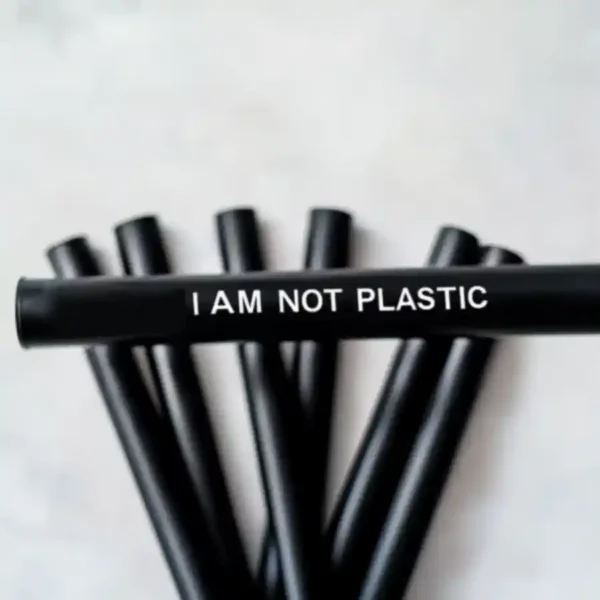
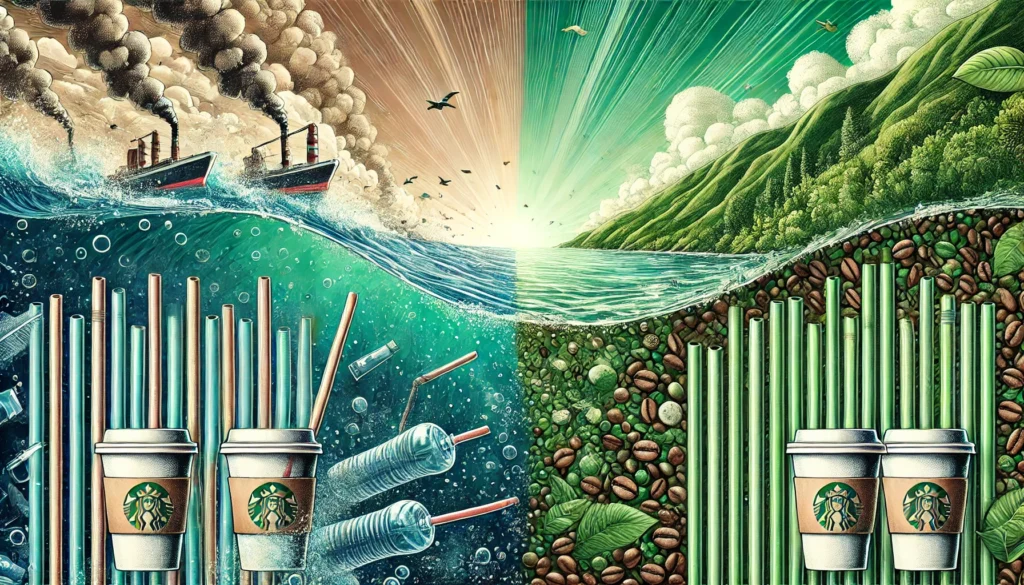
プラスチック汚染は重大な環境問題となっており、使い捨てプラスチックは地球規模の廃棄物に大きく貢献しています。これに応じて、次のような代替案が考えられます。 生分解性プラスチックストロー そして アップサイクルされたコーヒーかすストロー が現れてきました。このブログでは、持続可能なソリューションの導入を検討している企業や消費者向けに、その利点、制限、環境への影響、ベスト プラクティスを探ります。
生分解性プラスチックストローを理解する
生分解性プラスチックストローとは何ですか?
生分解性プラスチックのストローは、従来のプラスチックのストローよりも早く分解するように設計されています。通常、これらは次のものから作られます。
- ポリ乳酸 (PLA) – コーンスターチまたはサトウキビ由来ですが、工業用堆肥化が必要です。
- ポリヒドロキシアルカノエート (PHA) – 海洋生態系を含む自然環境で分解される植物ベースの代替品。
- PBAT (ポリブチレンアジピン酸テレフタレート) – 堆肥化可能性を高める生分解性ポリマー。
どのように分解するのでしょうか?
生分解性プラスチックのストローは従来のプラスチックよりも早く分解しますが、 特定の条件が必要です 効率的に分解するには:
- 産業用堆肥化: 完全に分解するには、高温と制御された微生物環境が必要です。
- 埋め立て地 & オーシャンズ: 最適でない条件では、一部の生分解性プラスチックはゆっくりと分解し、マイクロプラスチックが残る可能性があります。
課題 & 誤解
- グリーンウォッシングの懸念: 「生分解性」とラベル付けされた製品の多くは、適切な処理を行わなければ自然環境では分解されません。
- 限られたリサイクル & 堆肥化施設: 多くの都市には、PLA または PHA ストローを適切に堆肥化するインフラがありません。
- マイクロプラスチックのリスク: 生分解性プラスチックの中には、完全に分解せずに断片化するだけのものもあります。

コーヒー粕のストローをアップサイクル:ゲームチェンジャー?
コーヒーかすストローとは何ですか?
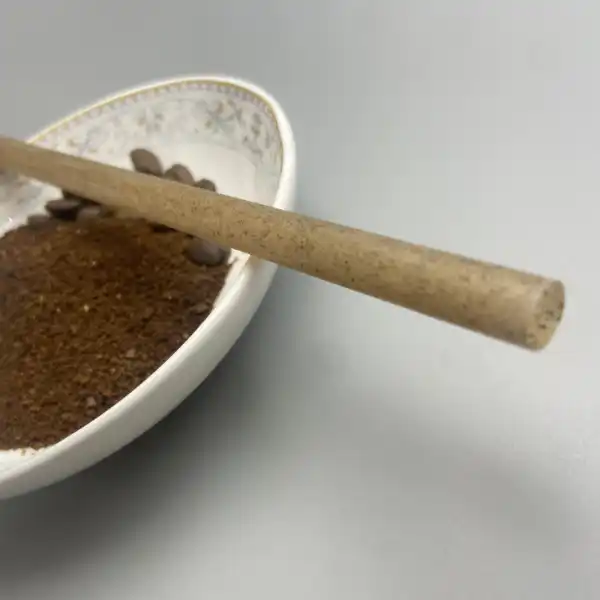
アップサイクルされたコーヒーかすストローを再利用して作られています 使用済みのコーヒーかす into durable, compostable drinking straws. This innovation supports the 循環経済, reducing organic waste while offering an eco-friendly alternative.
主な利点
- Zero Waste: Uses discarded coffee grounds that would otherwise end up in landfills.
- 耐久性: Unlike paper straws, they maintain structural integrity in hot and cold beverages.
- 堆肥化可能性: Naturally breaks down in home composting conditions without requiring industrial facilities.
- Flavor Neutral: Unlike some plant-based straws, coffee grounds straws do not alter the taste of drinks.
Limitations & 考慮事項
- Production & Scalability: Adoption is still growing, and large-scale manufacturing remains limited.
- Storage Sensitivity: Must be stored in dry conditions to maintain longevity.
- Higher Production Costs: Compared to traditional plastic or paper straws, production costs may be slightly higher.

持続可能なストロー代替品の比較
| ストロータイプ | 最適な用途 | 耐久性 | 廃棄方法 | Key Benefit |
|---|---|---|---|---|
| Upcycled Coffee Grounds | Coffee shops, eco-conscious consumers | 高い | 家庭で堆肥化可能 | Waste reduction |
| Biodegradable Plastic (PLA/PHA) | Restaurants, fast food | 適度 | Industrial composting required | Familiar texture |
| 紙 | Quick-service restaurants | Low (soggy) | リサイクル可能/堆肥化可能 | Cost-effective |
| 竹 | Premium cafes, home use | 高い | 堆肥化可能 | Natural material |
| 金属/ガラス | Personal use, long-term | 非常に高い | Wash & reuse | 持続可能な |
環境への影響 & 企業コンプライアンス
Do These Straws Truly Reduce Waste?
- Countries that have 禁止されたプラスチック製ストロー, such as the EU, Canada, and certain U.S. states, have reported reductions in single-use plastic consumption.
- あ life cycle assessment (LCA) comparing different materials shows that upcycled coffee grounds and PHA straws have a lower carbon footprint than conventional PLA-based straws.
規制の状況
- EU Single-Use Plastics Directive (2021) – Bans conventional plastic straws, pushing for compostable or reusable alternatives.
- U.S. State Bans (California, New York, Washington, etc.) – Restrict plastic straw distribution, encouraging biodegradable options.
- China’s Plastic Reduction Policy – Aims to eliminate single-use plastics by 2025, promoting sustainable alternatives.

ビジネス向けのベストプラクティス & 消費者
How to Choose the Right Sustainable Straw
- Check Certifications: 探す BPI, TÜV OK Compost, and USDA BioPreferred labels.
- Understand Disposal Requirements: Ensure access to composting facilities for biodegradable plastics.
- Educate Consumers: Provide signage or messaging about proper straw disposal.
Sustainability Practices for Restaurants & カフェ
- Offer Straw Alternatives Only Upon Request – Reduces unnecessary waste.
- Provide Proper Disposal Bins – Encourage composting rather than landfilling.
- Gradual Transition – Start by introducing eco-friendly straws for dine-in customers, then phase out single-use plastics.
よくある質問 (FAQ)
1. Are biodegradable plastic straws really better than traditional plastic?
✅ Yes, but only when disposed of correctly. They require industrial composting to fully degrade, unlike traditional plastic, which lingers in the environment for centuries.
2. Do biodegradable plastic straws break down in the ocean?
🚫 Most do not. Many biodegradable plastics require high temperatures to break down, which are not present in marine environments. However, PHA-based straws are more likely to degrade naturally in water.
3. Are upcycled coffee grounds straws safe for food use?
✅ Yes. They meet food safety standards and do not release harmful chemicals into beverages.
4. What’s the best straw alternative for businesses?
🏢 It depends on the business type:
- レストラン & fast food chains: Prefer 生分解性プラスチックストロー for their durability and familiar texture.
- Coffee shops & eco-conscious brands: Benefit from using アップサイクルされたコーヒーかすストロー, which align with their sustainability goals.
5. Do biodegradable plastics contribute to microplastic pollution?
⚠️ Some do, especially if they are not composted under the right conditions. Incomplete decomposition in landfills or oceans may result in microplastic fragments.
6. How can consumers dispose of biodegradable and upcycled straws properly?
♻️ Proper disposal methods:
- Biodegradable plastic straws → Industrial composting facilities are required for full degradation.
- Upcycled coffee grounds straws → Can be composted at home or disposed of with organic waste.
7. How much more expensive are sustainable straws?
💰 Cost comparison of eco-friendly straws:
- 紙ストロー: 2–3x the price of plastic.
- Biodegradable plastic straws: 3–5x costlier than traditional plastic.
- Upcycled coffee grounds straws: Slightly higher, but offset by branding and sustainability advantages。
8. Which countries have banned plastic straws?
🌍 Global plastic straw bans:
- Europe: EU-wide ban on single-use plastics.
- USA: California, New York, Washington, and several other states have restricted plastic straw usage.
- China: Phasing out plastic straws by 2025 under its national plastic reduction policy.
結論
Both 生分解性プラスチックストロー そして アップサイクルされたコーヒーかすストロー offer sustainable alternatives to traditional plastics. However, the effectiveness of these solutions depends on proper disposal, business adoption, and consumer education. Businesses should evaluate their needs and choose the most practical solution based on cost, sustainability, and regulatory compliance。
行動喚起
Are you looking for a sustainable straw solution? Consider switching to biodegradable plastic または アップサイクルされたコーヒーかすストロー and educate your customers about proper disposal.