環境に優しいドリンク用カクテルストロー:B2Bバルクソリューション

プラスチック禁止革命: カクテルストローがこれまで以上に重要な理由
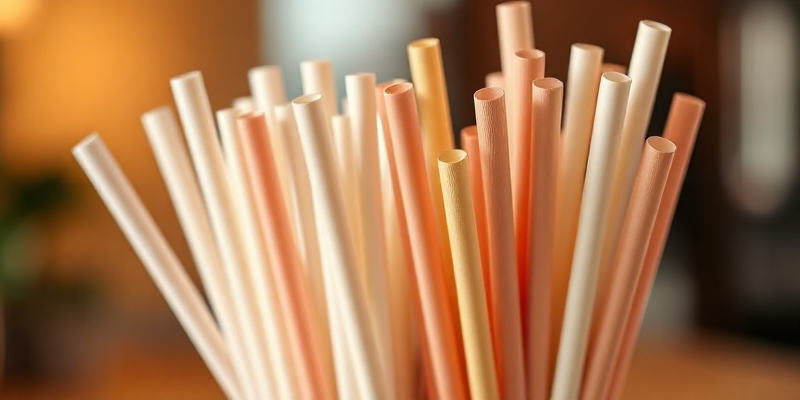
これを想像してみてください。高級バーやレストランでの金曜日の夜です。雰囲気は完璧で、音楽も適切で、客はあちこちで特製カクテルを注文しています。そして、その瞬間がやって来ます。ある常連客がモスコミュールのプラスチックのストローを見て眉をひそめます。 「環境に優しい代替品はありますか?」彼らは尋ねます。このシナリオはホスピタリティ業界全体でますます頻繁に展開されており、もはや 1 人の顧客の好みだけの問題ではありません。
プラスチック製のカクテルストローは、不要な使い捨てプラスチック廃棄物の代表格となっています。それらの有用性は通常 30 分未満という短いものですが、環境中での持続性が 200 年にも及ぶこととは対照的です。この明らかな格差により、世界60カ国以上が何らかの形の使い捨てプラスチック制限の導入を余儀なくされており、最初の対象品目としてカクテルストローが含まれることが多い。
この数字は厳粛な状況を示している。アメリカ人だけでも毎日推定 5 億本のプラスチック ストローを使用しており、これは地球を 2.5 周するのに十分な量である。バーやレストランの場合、これは 1 週間あたり何千本ものストローに相当し、業務上の無駄に大きく貢献します。環境への被害以外にも、プラスチック禁止を遵守しないことによる経済的リスクが増大しており、さまざまな管轄区域で違反ごとに 100 ドルから 1,000 ドルの罰金が科される可能性があります。
しかし、ここに良いニュースがあります。持続可能性を追求するためにカクテル体験を犠牲にする必要はありません。 環境に優しいドリンク用カクテルストロー は近年劇的に進化し、プレミアム飲料サービスを損なうのではなく、強化するエレガントで機能的な代替品を提供しています。
持続可能なカクテル ストローへの移行は、単に罰金を回避したり、環境に配慮した常連客をなだめることが目的ではありません。ただし、これらは確かに有効な考慮事項です。ブランドを現代の価値観と調和させ、市場の期待に応えることがますます重要になっています。消費者の 78% が、環境責任を表明している企業から購入する可能性が高いと回答しているため、プラスチック製のストローを環境に優しい代替品に交換することは、企業の持続可能性への取り組みを目に見える具体的な方法として示すことができます。
規制順守: FDA & ドリンク用カクテルストローのLFGB認証

食品および飲料業界の B2B バイヤーにとって、規制遵守は必須ではありません。環境に優しいカクテル ストローを調達する場合、認証要件を理解することで、ビジネスと顧客の両方を保護できます。
FDA (食品医薬品局) の認証により、食品や飲料と接触する材料が厳しい安全基準を満たしていることが保証されます。によると、 FDA の食品接触材料ガイドライン{rel=”nofollow”}、すべてのコンポーネントは、消耗品と接触したときに非毒性および非浸出であることが証明されている必要があります。これは、酸性ミキサー、アルコール、飲み物と長時間接触することが多いカクテル ストローにとって特に重要です。
同様に、ドイツの LFGB (Lebensmittel- und Futtermittelgesetzbuch) 認証は、世界的に最も厳格な食品接触材料基準の 1 つを表しています。 LFGB 認定製品は、さまざまな条件下で飲料に移行する可能性のある有害物質の分析など、FDA の要件を超える追加のテストを受けます。
多くの企業は、規格に準拠していないストローが法的責任問題を引き起こす可能性があることを認識していません。 2022年、大手ホテルチェーンが「環境に優しい」ストローにPFAS(パーフルオロアルキル物質およびポリフルオロアルキル物質)が含まれていることが判明し集団訴訟に直面し、適切な認証の重要性が浮き彫りになった。
環境に優しいサトウキビストロー FDA と LFGB の両方の認証を取得しており、ビジネスに二重層の保護を提供します。これらの認証により、当社の製品は次のとおりであることが確認されます。
- 有害な化学物質や添加物は含まれていません
- 物質を浸出させることなく構造の完全性を維持
- 一般的な飲料温度範囲で安全に実行
- 食品と接触する材料の国際安全基準を満たしています
法的要件を超えて、適切に認定されたカクテル ストローはビジネスに実際的なメリットをもたらします。これらは、プレミアム カクテルの味の変化に関する懸念を解消し、顧客の安全に関する安心感を提供します。これは、特に健康志向の顧客にサービスを提供する施設にとって重要です。
最近の業界データによると、食品および飲料企業の 63% が、2023 年に特に食品と接触する材料に関して衛生検査官による監視が強化されると報告しており、適切な認証がこれまで以上に重要になっています。
ドリンク用カクテルストローと他のエコ代替品との比較

バーやレストランの持続可能な選択肢を評価する場合、利用可能な代替案の実際的な違いを理解することが不可欠です。各素材には、特定のビジネス ニーズと照らし合わせて検討する価値のある明確な利点と考慮事項があります。
持続可能なカクテルストロー いくつかの種類があり、それぞれに独自の特徴があります。
| 材料 | 飲み物の耐久性 | カスタマイズオプション | 堆肥化可能性 | コスト範囲(1000あたり) | 最適な用途 |
|---|---|---|---|---|---|
| ——-- | ———————- | ———————- | —————- | ——————— | ——-- |
| サトウキビ | 冷たい飲み物で3〜4時間 | ロゴ印刷、カスタムカラー | 家庭で堆肥化可能 (30~90日) | $35-$50 | プレミアムカクテル、長期利用ドリンク |
| PLAバイオプラスチック | 2~3時間 | 限られた色のオプション | 産業用堆肥化可能のみ | $30-$45 | 標準的なサービス、コストを意識した運用 |
| 紙・段ボール | 1~2時間(塗布)、20~30分(未塗布) | 豊富なデザインオプション | 家庭で堆肥化可能 (2~6週間) | $25-$40 | すぐに消費できるドリンク、ブランド体験 |
| 竹 | 不定 | 限定的(自然変動) | 家庭で堆肥化可能(6~12か月) | 70ドル~100ドル | 超高級な会場、再利用可能なアプリケーション |
| 小麦 | 1~2時間 | ナチュラルカラーのみ | 家庭で堆肥化可能(1~3か月) | $40-$55 | オーガニックにこだわった施設 |
最近の業界調査によると、飲料ディレクターの 47% が、環境に優しい代替品に切り替える際の主な懸念事項として、飲料のストローの性能を挙げています。ここが アイスドリンク用の堆肥化可能なストロー 決定的な変化をもたらします。
プレミアム サトウキビ カクテル ストローの特徴は、アルコール含有量の高い蒸留酒やモヒートやマルガリータのような酸性のカクテルであっても、柔らかくなりにくいことです。すぐに劣化し始める可能性のある紙の代替品とは異なり、高品質のサトウキビストローは、カクテル体験全体にわたってその構造的完全性を維持します。
高級設定では色の安定性も重要です。環境に配慮した代替品の中には、クランベリー ジュースやブルー キュラソーなどの色の濃い原料にさらされると変色するものもありますが、適切なサトウキビ ストローは使用中ずっとその外観を維持します。
インスタグラムに映えるプレゼンテーションに重点を置いている企業にとって、ストローをロゴ入りでカスタマイズしたり、ブランドの色に合わせたりできることは、サトウキビとボール紙のオプションが独自に提供する大きな利点となります。これにより、必要な道具がマーケティングの機会とブランドの拡張に変わります。
飲み物をカクテルストローに切り替えることで得られる主な企業のメリット
環境に優しいカクテル ストローへの移行は、単にプラスチック禁止を遵守するだけでなく、さまざまなメリットをもたらします。賢明な企業は、この切り替えにより、ブランドのポジショニングを強化しながら収益も実際に向上できることに気づき始めています。
### 顧客の認識の向上
ニールセンの最近の調査によると、バーやレストランの主要な層であるミレニアル世代と Z 世代の消費者の 73% が、持続可能な製品や体験に対してより多くのお金を払っても構わないと考えています。 カスタムカクテルストロー 普通の飲酒体験を記憶に残るブランドステートメントに変えることができます。顧客が環境に優しいストローのロゴやカスタム デザインを見ると、さりげないタッチで細部へのこだわりと環境への意識が伝わります。
### プレミアムポジショニングによるコストの中立化
環境に優しいストローは通常、従来のプラスチックよりも高価です (1 個あたり約 2 ~ 3 セント高い) が、賢明な企業は戦略的な導入によってこの差を補っています。多くの施設は次のような方法で成功を収めています。
- 「リクエストに応じてストロー」ポリシーを採用し、全体の消費量を 30 ~ 40% 削減
- 持続可能性への取り組みを促進しながら、カクテルの価格をわずかに値上げ(25〜50セント)
- 環境に優しいストローを販促資料に組み込んでセールスポイントに
これらの戦略を導入しているレストランは、顧客から肯定的なフィードバックを得ているにもかかわらず、収益性への影響はほとんどないと報告しています。ある全国規模のレストランチェーンは、販促資料で持続可能なストローへの切り替えを目立つようにしたことにより、バーの収益が4.7%増加したと記録しています。
### サプライチェーンのリスク軽減
プラスチック製ストローの禁止が世界的に拡大する中、従来のプラスチック製ストローに依存している企業は、供給の不確実性の増大に直面している。に移行することで、 手頃な価格の堆肥化可能なわらの卸売 今すぐにオプションを選択することで、企業は将来の混乱や潜在的なコンプライアンスコストから身を守ることができます。
### スタッフの関与と定着
見落とされがちなのは、従業員満足度への影響です。ホスピタリティ業界の従業員、特に若いスタッフは、雇用主が環境に対する責任を表明すると、職場での誇りが高まると報告しています。離職率が高い業界 (年間平均 73%) では、この追加のエンゲージメント要素が実際の定着価値につながる可能性があります。
全米レストラン協会のデータによると、目に見える持続可能性プログラムを導入している施設では、業界平均と比較して離職率が 18% 低く、従業員 1 人を置き換えるのに 2,000 ドルから 5,000 ドルかかることを考えると、大幅な運営コストの削減となります。
環境への影響: 飲み物用のカクテルストローが選ばれる理由
環境に優しいカクテルストローに切り替えることの環境上のメリットは、単に埋立地からプラスチックを除去するだけではありません。適切に調達して廃棄すると、持続可能なカクテル ストローはライフサイクル全体にわたって連鎖的にプラスの効果をもたらします。
サトウキビベースのストローは、特に優れた環境認証を提供します。バガス(砂糖抽出後に残る繊維状の副産物)から作られたこれらのストローは、大気汚染の原因となり、焼却されるはずだった農業廃棄物を再利用します。によると、 国連環境プログラム{rel=”nofollow”}、農業廃棄物のアップサイクルは、持続可能な素材における最も有望な循環経済の機会の 1 つです。
二酸化炭素排出量の分析により、次のことが明らかになりました。 政府調達用の堆肥化可能なストロー 商業利用では、ライフサイクル全体の影響を考慮すると、従来のプラスチック代替品と比較して温室効果ガス排出量を最大 80% 削減できます。毎週 2,000 種類のカクテルを提供する中規模のバーの場合、これは年間約 1.2 トンの CO2 換算に相当し、毎年 20 本の木を植えることに相当します。
製造における水の消費は、もう 1 つの重要な環境要因となります。プラスチック製ストローの製造には通常、完成品 1 ポンドあたり 4.5 ガロンの水が必要ですが、サトウキビのストローでは 1 ポンドあたり約 1.8 ガロンというかなりの量の水が使用されます。水不足が世界的により多くの地域に影響を与えるため、この水効率は特に重要になります。
おそらく最も重要なことは、家庭で堆肥化できるカクテルストローは、適切な条件下で 90 日以内に分解され、マイクロプラスチックを残さずに土に還ることです。この完全な生分解は、多くの場合工業処理施設を必要とし、依然として環境中に微細な破片を残す、いわゆる「生分解性」プラスチックとはまったく対照的です。
ケーススタディ: ドリンク用カクテルストローが実際に成功
北米とカリブ海に 42 軒のホテルを構える高級ホテル チェーンであるオーシャン ビュー リゾーツは、すべてのバーとレストランでプラスチック製のストローを廃止することを決定したとき、重大な課題に直面しました。彼らの代表的なトロピカル カクテルは、多くの場合、複数の付け合わせを備えた手の込んだ創作品であり、ゲストの体験を損なうことのない、丈夫で信頼性の高いストローを必要としていました。
複数の代替品をテストした後、彼らは NatureBioEco と提携して、カスタム ブランドのサトウキビ カクテル ストローを敷地内に導入しました。耐久性についての最初の懸念は、フローズンドリンクやアルコール含有量の高いカクテルの中でもストローが完全性を維持できるとバーテンダーが報告したため、すぐに消えました。
「私たちはプラスチック製のカクテルストローに年間約 24,000 ドルを費やしていました」とオーシャン ビューの食品・飲料事業部長のマリア・サンチェス氏は説明します。 「持続可能な代替品によりコストは約 40% 増加しましたが、特定の飲料については『リクエストに応じて』モデルに移行することで部分的な相殺を実施し、全体の使用量を 35% 削減しました。」
環境への影響はかなり大きいことが判明しました。オーシャン ビューは初年度だけで 180 万本以上のプラスチック ストローを廃棄物の流れから排除し、約 4,000 ポンドのプラスチックが埋め立て地や水路に流入するのを防ぎました。
経営陣が驚いたのは、予想外のマーケティング効果でした。持続可能なカクテル プログラムをゲストとのコミュニケーションで目立つように紹介することで、バーの収益が目に見えて増加しました。プログラムをまだ導入していなかった施設では前年比 2.1% 増と比較して、7.3% 増となりました。
「ゲストは定期的にストローについてコメントします」とサンチェス氏は言います。 「バーテンダーにとって、当社のより広範な持続可能性への取り組みについて話し合うことが会話のきっかけとなり、つながりが生まれ、追加購入につながることもよくあります。」
このプログラムは現在、ブランドのマドラーやピックを含むように拡張され、環境への影響を軽減しながらブランドのアイデンティティを強化する、一貫した持続可能なバープログラムを作成しています。
よくある質問
- 環境に優しいカクテルストローはプレミアムカクテルの味にどのような影響を与えるのでしょうか?
- 高品質で持続可能なカクテル ストローは味に影響を与えず、慎重に作られたフレーバー プロファイルを妨げません。ボール紙のような風味を与える可能性がある低品質の紙代替品とは異なり、高級サトウキビやその他の植物ベースのオプションは飲料の完全性を維持します。バーテンダーは、風味のニュアンスが最も重要な利益率の高い特製カクテルを提供する場合に、この品質を特に高く評価します。
- カスタムブランドのカクテルストローの最低注文数量はいくらですか?
- カスタム ブランドの注文は通常、印刷デザインの場合は 10,000 ユニット、カスタム カラーの場合は 50,000 ユニットから始まります。ただし、企業のニーズが異なることを当社は理解しているため、季節ビジネス向けに分割実行 (1 つの注文内で複数のデザイン) や段階的発注プログラムなどの柔軟なソリューションを提供します。
- 持続可能なカクテルストローはどのくらいの期間保管できますか?
- 環境に優しいカクテル ストローは、涼しく乾燥した環境で適切に保管すると、12 ~ 18 か月間品質を維持できます。湿気の蓄積を防ぐために、密閉容器ではなく通気性のある包装を使用することをお勧めします。最適な在庫管理のために、標準の FIFO (先入れ先出し) 慣行に従うことで、一貫した製品品質が保証されます。
- 環境に優しいカクテルストローは温かい飲み物にも対応できますか?
- 主に冷たいカクテル用に設計されていますが、当社のプレミアム サトウキビ ストローは、140°F までの温かい (熱くない) 飲み物でも適切に機能します。コーヒーカクテルやホットトディなどの本格的な温かい飲み物の場合は、高温用途向けに特別に設計された特殊な耐熱オプションをお勧めします。
- 企業は堆肥化可能なカクテルストローをどのように処分すべきでしょうか?
- 当社のカクテルストローは家庭で堆肥化可能で、適切な堆肥化条件下では 30 ~ 90 日で分解されます。堆肥化プログラムを実施している企業の場合、それらを食品廃棄物に含めることができます。堆肥化へのアクセスがない場合でも、埋め立て地や環境に捨てられた場合、従来のプラスチックよりもはるかに早く生分解されるため、依然としてプラスチックよりも好ましいと言えます。
- 持続可能なカクテルストローはプラスチックよりも高価ですか?
- 単価は高く、仕様にもよりますが、通常、ストロー 1 本あたり 2 ~ 4 セント高くなります。ただし、ほとんどの企業は、使用量の削減 (リクエストに応じたポリシーの導入)、メニュー価格のわずかな調整、または持続可能性への取り組みの一環としてのアップグレードのマーケティングによってこれを相殺しています。ブランドのメリットが増分コストを上回ると多くの人が報告しています。
- 環境に優しいストローが実際に持続可能であることを確認するにはどうすればよいですか?
- 曖昧なマーケティング用語ではなく、具体的な認定資格を探してください。真の持続可能なストローは、堆肥化可能性の検証 (BPI、TÜV オーストリアなど)、食品安全コンプライアンス (FDA/LFGB)、および原材料調達に関する明確な情報を含む認証文書を提供する必要があります。大量注文を確定する前に、特定の用途でのサンプル テストをリクエストしてください。