
Transitioning to eco-friendly straws and drinkware is a vital step for businesses that want to reduce their environmental impact and appeal to the growing number of environmentally conscious consumers. This comprehensive guide will provide businesses with actionable steps to make the switch smoothly and effectively.
環境に優しいストロー代替品の選択
The first step in transitioning to sustainable alternatives is selecting the right eco-friendly straws. Here are some popular options, each with distinct benefits:
1. 紙ストロー
Paper straws are one of the most common eco-friendly alternatives to plastic. Made from FSC-certified fiber, they are compostable and widely available, making them an easy choice for businesses looking to reduce their plastic usage. Paper straws are ideal for beverages that require a single-use straw, such as juices or soft drinks [5].
2. 植物由来のストロー
Plant-based straws come in several varieties, all offering biodegradable and compostable benefits:
- 稲わら: Made from rice and tapioca starch, these are biodegradable and even edible, providing a unique option for customers who prioritize zero-waste practices [2].
- 小麦ストロー: These straws are made from wheat stems, offering a natural, biodegradable alternative. They are single-use but break down easily in composting environments [1].
- 竹ストロー: Known for their durability and antibacterial properties, bamboo straws are reusable and compostable, making them an excellent long-term solution [1].
- 干し草ストロー: Made from natural wheat stems, hay straws are gluten-free and 100% compostable, offering a versatile and sustainable option for businesses [7].

3. ココナッツストロー
Coconut straws are made from fermented coconut water and offer the benefit of being biodegradable. These straws can be reused throughout the day, making them an eco-friendly and durable alternative to plastic [2].
4. スラパックストロー
Sulapac straws are made from wood chips and plant-based binders. They biodegrade without leaving harmful microplastics, making them an excellent choice for businesses seeking a truly eco-friendly solution [3].
5.金属ストロー
Stainless steel metal straws are highly durable and reusable, making them an excellent investment for businesses. They provide a sustainable, long-term solution to single-use plastic straws and can be customized with branding for added appeal [6].
6. ガラスストロー
Glass straws are another reusable option. They are easy to clean, visually appealing, and offer a high-end alternative for businesses in the food and beverage industry. These straws are durable, but care must be taken to prevent breakage [6].
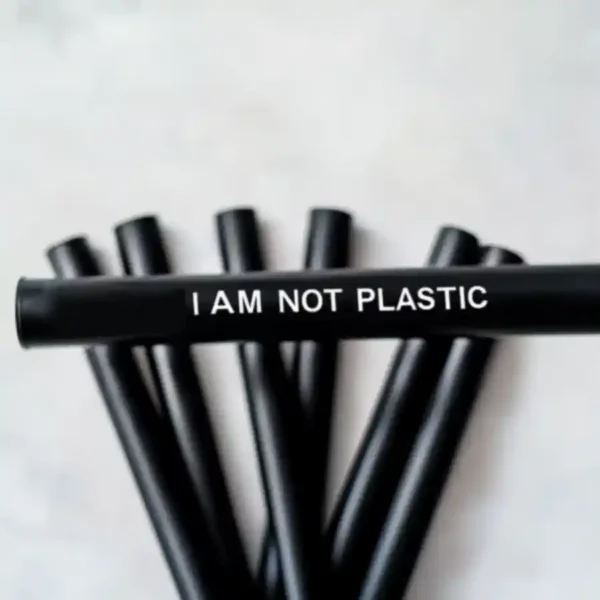
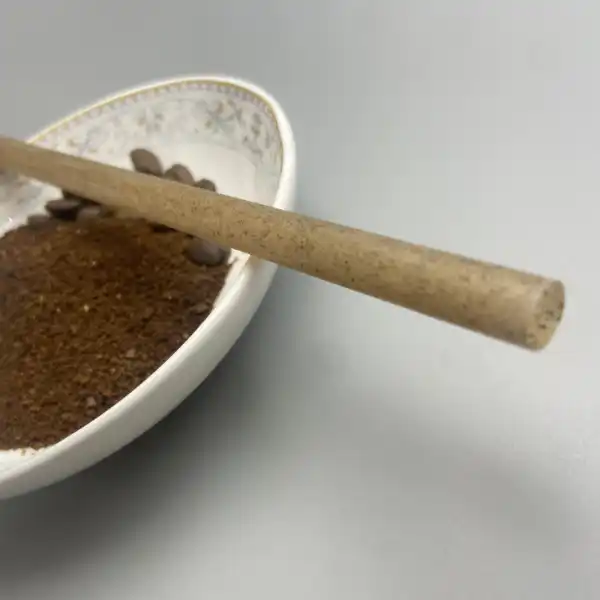
7. Coffee Grounds Straws
For businesses focused on sustainability, コーヒーグラウンドストロー present an innovative eco-friendly option. These straws are biodegradable, compostable, and made from repurposed coffee grounds, offering an upcycled product that helps reduce waste. You can check out the 個別に包まれたボバコーヒーグラウンドストロー for a unique offering.

移行の実施
Transitioning to eco-friendly straws and drinkware requires a thoughtful approach. Here’s a step-by-step guide to help businesses implement this shift:
1. 現在の使用状況を評価する
まずはあなたのビジネスのストロー消費量を評価することから始めましょう。毎日、週ごと、月ごとに使用されているストローの数を特定し、プラスチック製ストローの代わりに必要な環境に優しい代替品の数を計算します。
2. 適切な代替手段を選択する
適切な環境に優しい代替品を選択するかどうかは、提供される飲み物の種類、顧客の好み、地域の規制などのいくつかの要因によって決まります。たとえば、温かい飲み物を提供するお店の場合は、金属製または竹製のストローが好ましいかもしれません。売上高が速く、大量のビジネスを運営している場合は、堆肥化可能な紙や植物ベースのストローの方が適している可能性があります。
3. サプライヤー調査
Look for reputable manufacturers that offer eco-friendly straws. Companies such as Aardvark Straws, which specializes in biodegradable paper straws, offer a range of sustainable products that can meet your needs [4]. You can also explore options like カスタマイズ可能なサトウキビストロー to align your brand with sustainable practices.
4. スタッフのトレーニング
Educate your staff about the new products, their benefits, and the proper disposal methods. Ensure they are equipped to answer customer questions and explain the environmental advantages of eco-friendly alternatives.

5. 顧客教育
持続可能性への取り組みについて顧客に知らせます。これは、提供している環境に優しい製品の利点を説明する店内の看板、メニューのメモ、またはテーブル テントを通じて行うことができます。
6. 段階的な実施
従来のプラスチック製ストローと並行して環境に優しいストローを提供することで、段階的に移行を実施します。時間が経てば、プラスチック製のストローは完全に廃止されます。この段階的なアプローチにより、顧客と従業員の両方にとってスムーズな移行が保証されます。
環境に配慮したドリンクウェアへの展開
環境に優しいストローへの移行に成功したら、持続可能な取り組みをドリンクウェアにも拡大することを検討してください。以下に検討すべきオプションをいくつか示します。

1. 再利用可能なカップ
ブランドの再利用可能なカップを導入すると、顧客はカップを割引価格で購入して詰め替えることができるため、使い捨てカップの必要性が減り、長期的かつ持続可能な選択肢が提供されます。
2. 生分解性カップ
For businesses that require single-use cups, consider switching to compostable options like PLA (corn-based plastic). These cups are biodegradable and a more environmentally responsible choice than traditional plastic cups [5].
3. ガラス製品
For dine-in establishments, prioritize the use of traditional glassware over disposable cups. This not only reduces waste but also enhances the dining experience for your customers.
課題を克服する
While the transition to eco-friendly products offers numerous benefits, there are challenges that businesses may face. Here’s how to address them:
1. コスト管理
Eco-friendly products may come at a higher initial cost compared to plastic alternatives. However, businesses can offset these costs through reduced waste management fees, potential government incentives, and the long-term savings associated with sustainability efforts.
2. 品質管理
Test different eco-friendly products to ensure they meet your business’s standards for durability and customer satisfaction. This may involve trial runs and feedback from customers to identify the most suitable alternatives.
3. 処分インフラ
Work with local waste management facilities to ensure the proper composting or recycling of biodegradable products. This will help ensure that your efforts to reduce waste are not undermined by poor disposal practices.
結論
By transitioning to eco-friendly straws and drinkware, businesses can significantly reduce their environmental impact while meeting customer demand for sustainable practices. With careful planning, supplier research, and customer education, businesses can make the switch smoothly and set themselves apart as leaders in sustainability.
よくある質問
1。 What are eco-friendly straws made from?
Eco-friendly straws can be made from a variety of materials including paper, bamboo, rice, wheat, coffee grounds, glass, metal, and biodegradable plastics.
2。 Are metal straws really better for the environment than plastic?
Yes, metal straws are reusable and durable, which reduces waste over time. Unlike plastic straws, which are used once and discarded, metal straws can last for years, offering a more sustainable alternative.
3。 How long do compostable straws take to break down?
Compostable straws, such as those made from sugarcane or bamboo, typically break down within 3 to 6 months under proper composting conditions.
4。 How can I ensure the eco-friendly products I buy are truly sustainable?
Look for certifications like FSC (Forest Stewardship Council) for paper straws or compostable logos that indicate the products meet environmental standards. Researching manufacturers and understanding their sourcing and manufacturing practices is also key.
5。 環境に優しいストローはプラスチック製のストローよりも高価ですか?
While eco-friendly straws can be more expensive initially, the long-term benefits—such as reduced waste management costs and potential government incentives—can offset these costs.
6。 Can I customize eco-friendly straws with my brand’s logo?
Yes, many suppliers offer customization services for eco-friendly straws, including options for adding logos and branding for businesses looking to promote their commitment to sustainability.
7。 What are the environmental benefits of switching to bamboo or sugarcane straws?
Bamboo and sugarcane are both renewable resources. Bamboo is fast-growing and requires no pesticides, while sugarcane straws are made from waste byproducts, reducing agricultural waste and promoting sustainability.
8。 What certifications should I look for when purchasing eco-friendly products?
Look for certifications such as compostable, biodegradable, and FSC-certified, which guarantee that the products meet environmental standards for sustainability and waste reduction.