蔓延するプラスチック汚染の問題はエスカレートし続けており、即時かつ効果的な解決策が求められています。この危機の最も顕著な要因は使い捨てプラスチックストローであり、これらは一見無害に見え、全体として地球生態系に重大な脅威をもたらします。このガイドでは、従来のプラスチック製ストローが環境に与える影響を調査し、持続可能な代替品の包括的な概要を提供し、消費者と企業の両方にとってのメリットと実際的な考慮事項を明らかにします。

プラスチックストローの問題
プラスチック製のストローは現代社会のいたるところに普及しており、さまざまな場面で飲み物に添えられているのが一般的です。しかし、その広範な使用は、その有害な環境影響を裏付けています。
環境への影響:
- 海洋汚染: Millions of tons of plastic waste enter our oceans annually, with plastic straws contributing significantly to this debris.
- Harm to Marine Life: Marine animals often mistake plastic for food, leading to ingestion, entanglement, suffocation, and death.
- Microplastics: Plastic straws degrade into microplastics, which contaminate ecosystems and enter the food chain, posing risks to both marine life and human health.
- Landfill Waste: Plastic straws, composed of non-biodegradable materials, persist in landfills for centuries, exacerbating waste management challenges.
- Greenhouse Gas Emissions: The production of plastic straws, derived from petroleum, contributes to greenhouse gas emissions, further compounding environmental concerns.
Human Health Implications:
- Microplastics have been found in seafood and water sources, resulting in human ingestion and increasing the risk of chronic health conditions.
Scale of the Problem:
- In the United States alone, approximately 500 million plastic straws are discarded daily.
- In Europe, approximately 36 billion straws are consumed annually.
ストローの歴史
The use of straws for consuming beverages has ancient origins, with evidence of gold tubes being used by Sumerians. Straws have evolved significantly over time, but the current use of unsustainable materials warrants a necessary shift towards environmentally responsible alternatives.

持続可能な代替手段の台頭
In response to growing environmental awareness, there has been a significant shift towards adopting eco-friendly alternatives to plastic straws.
Key Benefits of Eco-Friendly Straws:
- 環境への影響の削減: Sustainable straws significantly decrease pollution, landfill waste, and harm to wildlife.
- Non-Toxic: These alternatives are produced from natural materials, ensuring safety for consumers and the environment.
- Biodegradable and Compostable: They decompose naturally, minimizing their long-term impact on the environment.
- 二酸化炭素排出量の削減: Sustainable straws use renewable resources and have a lower carbon footprint than plastic options.
生分解性で再利用可能なストローの種類
A variety of sustainable straw options are now available, catering to diverse needs and preferences.
Biodegradable Straws:
- 草ストロー: Composed of natural grass, these straws are biodegradable, though they may possess a distinct aroma.
- 稲わら: Made from rice, these straws are biodegradable and, in some cases, even edible.
- 紙ストロー:
- Composition: FDA承認の食品グレードのクラフト紙と接着剤を使用して製造されています。
- 利点: 生分解性、リサイクル可能、プラスチックコーティングなし。
- カスタマイズ: カスタムパッケージやロゴ印刷のオプションを使用して簡単にカスタマイズできます。
- サイズとスタイル: 曲げ可能なデザインを含め、さまざまな直径、長さ、色、スタイルをご用意しています。
- 竹ストロー:
- 材料: 急速に再生可能な竹を原料としており、成長するために必要な資源は最小限です。
- 耐久性と再利用性: 耐久性があり、再利用可能で、堆肥化可能です。
- 温度:熱や冷たさを伝えず、心地よい飲み心地を提供します。
- 小麦ストロー:小麦の茎から作られており、植物ベースのグルテンフリーオプションです。
- サトウキビストロー: サトウキビの繊維を使用して作られたこれらのストローは耐久性があり、砂糖のような味を与えません。
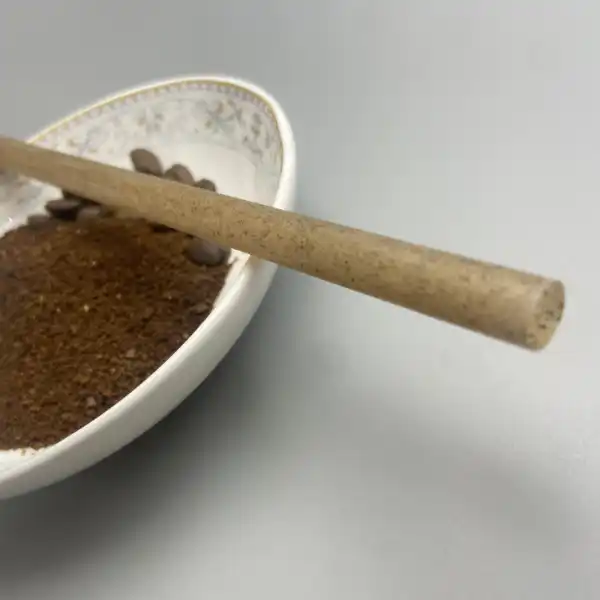
- コーヒーストロー: コーヒー粉を使用して製造されており、コーヒーの香りと味わいを提供します。
再利用可能なストロー:
- ステンレスストロー: 耐久性があり、お手入れが簡単で、飲み物の風味を保ちます。
- ガラスストロー: スタイリッシュで再利用可能、簡単に掃除できるオプションを提供します。
- シリコンストロー: 柔軟性があり再利用可能ですが、一部の風味を吸収する可能性があります。
海洋生分解性ストロー:
- 材料: 発酵を通じて微生物によって生成されるポリヒドロキシアルカノエート (PHA) などの材料から作られています。
- 利点: 海洋環境で自然に分解され、海洋汚染を軽減します。
- 区別: 他の環境に優しいオプションとは異なり、海洋や海水の条件で分解されるように特別に配合されています。
その他の考慮事項:
- 食用ストロー: ストローの中には、使用後に食べられるように設計されているものもあります。
- 回収された海洋行きプラスチックストロー: 一部のストローは、海に隣接した地域から収集されたプラスチック廃棄物を再利用して作られています。

適切なストローの選択
最適なストローを選択するには、個人のニーズと優先順位を慎重に考慮する必要があります。
消費者向け:
- Personal Preferences: Consider drinking habits and preferences.
- Specific Needs: Individuals with sensitive teeth may find straws useful to direct liquid away from sensitive areas.
- Reusable vs. Single-Use: Assess when reusable straws are practical versus the necessity for single-use options.
- 環境への影響: Evaluate the full life cycle and material composition of the straws.
企業向け:
- Brand Image: Using eco-friendly straws enhances brand perception and appeals to eco-conscious consumers.
- 費用対効果: Sourcing in bulk and recognizing long-term benefits can offset higher initial costs.
- 規制遵守: Adhere to regulations restricting single-use plastics.
- 顧客の好み: Meet the increasing consumer demand for eco-friendly products.
- カスタマイズ: Enhance brand recognition through customized straws.
- スタッフのトレーニング: Ensure staff is trained on using and promoting sustainable straws.
- Supplier Selection: 信頼できる倫理的なサプライヤーを選択してください。
- 持続可能性の標識: 持続可能性への取り組みを伝える看板を表示します。
持続可能なストローに切り替えるための実践的なヒント
持続可能な慣行を採用するには、消費者と企業の両方からの具体的な行動が必要です。
消費者向け:
- 再利用可能なストローを持ち歩きましょう: 再利用可能なストローを個人使用のためにすぐに入手できるようにしておいてください。
- 可能な場合はストローを拒否してください: 飲み物を注文する際はストローをご遠慮ください。
- 適切なクリーニング: 再利用可能なストローは、使用するたびに徹底的に洗浄し、維持してください。
企業向け:
- 現在のストローの使用量を評価する: 現在使用しているストローの量と種類を評価します。
- 一括ソース: コストを削減するために、持続可能なストローを大量に購入します。
- 関係を築く: 一貫した製品供給のためにサプライヤーとのパートナーシップを構築します。
- 顧客を教育する: ワークショップやソーシャルメディアを通じて、持続可能なストローの利点に関する情報を提供します。
- 顧客のフィードバックを収集する: アンケートやソーシャル メディアを通じて、新しいストローに関する顧客のフィードバックを収集します。
- プロモーションで持続可能性を強調する:マーケティング戦略において環境上の利点に焦点を当てます。
課題と誤解に対処する
こうした利点にもかかわらず、持続可能なストローへの移行は課題や誤解に直面しています。
- コストの障壁: 持続可能なストローの初期コストは高いかもしれませんが、長期的なメリットと大量購入によりコストを削減できます。
- 消費者の誤解: 明確な情報と教育を通じて、衛生と使いやすさに関する懸念に対処します。
- サプライチェーンの問題: 安定した供給を確保するために信頼できるパートナーシップを確立します。
- 製品の品質: 品質基準を確保するために、調達中に品質チェックを維持します。
より広範な影響
The transition to sustainable straws is part of a larger shift towards more environmentally responsible practices.
- Moving Beyond Straws: It’s important to reduce the use of all single-use plastics, not just straws.
- 循環経済: Sustainable straws can be part of a circular economy where products are reused and recycled.
- Corporate Social Responsibility: Demonstrating a commitment to sustainability aligns with corporate social responsibility goals.
- Employee Engagement: Include employees in sustainability efforts to foster a sense of responsibility.
- Community Engagement: Partner with local farmers or environmental organizations to enhance sustainability efforts.
- Technological Advancements: Research and innovation can lead to better performance and lower environmental impact of sustainable straws.
- Financial Incentives: Seek out government grants and incentives that support sustainable practices.

ケーススタディと成功事例
Numerous businesses and organizations have successfully integrated sustainable straws.
- Examples of Businesses: Cafes, restaurants, and bars are adopting sustainable straws, attracting eco-conscious customers.
- Corporate Initiatives: Corporations are incorporating sustainable straws into their wellness programs, reinforcing sustainability goals.
- 学んだ教訓: Businesses that adopt sustainable practices see increased customer loyalty and brand reputation.
行動喚起
Consumers and businesses alike must embrace the shift towards sustainable drinking straws. This collective effort will help mitigate the environmental impact of plastic waste and promote a healthier planet.
結論
The evidence is clear: traditional plastic straws contribute significantly to environmental degradation. By transitioning to sustainable alternatives, such as biodegradable and reusable straws, we can reduce plastic waste, protect marine life, and foster a more sustainable future. Embracing this change is not just an option, it is a responsibility we must all share. By making conscious decisions about the materials we use, we can achieve a more sustainable and environmentally responsible future.
Okay, here is an expanded version of the blog post with 8 additional FAQs, formatted in Markdown, using a professional and formal tone, and drawing on information from the sources and our conversation history:
Sip Sustainably: A Comprehensive Guide to Eco-Friendly Drinking Straws
蔓延するプラスチック汚染の問題はエスカレートし続けており、即時かつ効果的な解決策が求められています。この危機の最も顕著な要因は使い捨てプラスチックストローであり、これらは一見無害に見え、全体として地球生態系に重大な脅威をもたらします。このガイドでは、従来のプラスチック製ストローが環境に与える影響を調査し、持続可能な代替品の包括的な概要を提供し、消費者と企業の両方にとってのメリットと実際的な考慮事項を明らかにします。
プラスチックストローの問題
プラスチック製のストローは現代社会のいたるところに普及しており、さまざまな場面で飲み物に添えられているのが一般的です。しかし、その広範な使用は、その有害な環境影響を裏付けています。
環境への影響:
- 海洋汚染: Millions of tons of plastic waste enter our oceans annually, with plastic straws contributing significantly to this debris.
- Harm to Marine Life: Marine animals often mistake plastic for food, leading to ingestion, entanglement, suffocation, and death.
- Microplastics: Plastic straws degrade into microplastics, which contaminate ecosystems and enter the food chain, posing risks to both marine life and human health.
- Landfill Waste: Plastic straws, composed of non-biodegradable materials, persist in landfills for centuries, exacerbating waste management challenges.
- Greenhouse Gas Emissions: The production of plastic straws, derived from petroleum, contributes to greenhouse gas emissions, further compounding environmental concerns.
Human Health Implications:
- Microplastics have been found in seafood and water sources, resulting in human ingestion and increasing the risk of chronic health conditions.
Scale of the Problem:
- In the United States alone, approximately 500 million plastic straws are discarded daily.
- In Europe, approximately 36 billion straws are consumed annually.
ストローの歴史
The use of straws for consuming beverages has ancient origins, with evidence of gold tubes being used by Sumerians. Straws have evolved significantly over time, but the current use of unsustainable materials warrants a necessary shift towards environmentally responsible alternatives. The modern paper straw was patented in 1888 by Marvin C. Stone.
持続可能な代替手段の台頭
In response to growing environmental awareness, there has been a significant shift towards adopting eco-friendly alternatives to plastic straws.
Key Benefits of Eco-Friendly Straws:
- 環境への影響の削減: Sustainable straws significantly decrease pollution, landfill waste, and harm to wildlife.
- Non-Toxic: These alternatives are produced from natural materials, ensuring safety for consumers and the environment.
- Biodegradable and Compostable: They decompose naturally, minimizing their long-term impact on the environment.
- 二酸化炭素排出量の削減: Sustainable straws use renewable resources and have a lower carbon footprint than plastic options.
生分解性で再利用可能なストローの種類
A variety of sustainable straw options are now available, catering to diverse needs and preferences.
Biodegradable Straws:
- 草ストロー: Composed of natural grass, these straws are biodegradable, though they may possess a distinct aroma.
- 稲わら: Made from rice, these straws are biodegradable and, in some cases, even edible.
- 紙ストロー:
- Composition: FDA承認の食品グレードのクラフト紙と接着剤を使用して製造されています。
- 利点: 生分解性、リサイクル可能、プラスチックコーティングなし。
- カスタマイズ: カスタムパッケージやロゴ印刷のオプションを使用して簡単にカスタマイズできます。
- サイズとスタイル: 曲げ可能なデザインを含め、さまざまな直径、長さ、色、スタイルをご用意しています。
- 竹ストロー:
- 材料: 急速に再生可能な竹を原料としており、成長するために必要な資源は最小限です。
- 耐久性と再利用性: 耐久性があり、再利用可能で、堆肥化可能です。
- 温度:熱や冷たさを伝えず、心地よい飲み心地を提供します。
- 小麦ストロー:小麦の茎から作られており、植物ベースのグルテンフリーオプションです。
- サトウキビストロー: サトウキビの繊維を使用して作られたこれらのストローは耐久性があり、砂糖のような味を与えません。
- コーヒーストロー: コーヒー粉を使用して製造されており、コーヒーの香りと味わいを提供します。
再利用可能なストロー:
- ステンレスストロー: 耐久性があり、お手入れが簡単で、飲み物の風味を保ちます。
- ガラスストロー: スタイリッシュで再利用可能、簡単に掃除できるオプションを提供します。
- シリコンストロー: 柔軟性があり再利用可能ですが、一部の風味を吸収する可能性があります。
海洋生分解性ストロー:
- 材料: 発酵を通じて微生物によって生成されるポリヒドロキシアルカノエート (PHA) などの材料から作られています。
- 利点: 海洋環境で自然に分解され、海洋汚染を軽減します。
- 区別: 他の環境に優しいオプションとは異なり、海洋や海水の条件で分解されるように特別に配合されています。
その他の考慮事項:
- 食用ストロー: ストローの中には、使用後に食べられるように設計されているものもあります。
- 回収された海洋行きプラスチックストロー: 一部のストローは、海に隣接した地域から収集されたプラスチック廃棄物を再利用して作られています。
適切なストローの選択
最適なストローを選択するには、個人のニーズと優先順位を慎重に考慮する必要があります。
消費者向け:
- Personal Preferences: Consider drinking habits and preferences.
- Specific Needs: Individuals with sensitive teeth may find straws useful to direct liquid away from sensitive areas.
- Reusable vs. Single-Use: Assess when reusable straws are practical versus the necessity for single-use options.
- 環境への影響: Evaluate the full life cycle and material composition of the straws.
企業向け:
- Brand Image: Using eco-friendly straws enhances brand perception and appeals to eco-conscious consumers.
- 費用対効果: Sourcing in bulk and recognizing long-term benefits can offset higher initial costs.
- 規制遵守: Adhere to regulations restricting single-use plastics.
- 顧客の好み: Meet the increasing consumer demand for eco-friendly products.
- カスタマイズ: Enhance brand recognition through customized straws.
- スタッフのトレーニング: Ensure staff is trained on using and promoting sustainable straws.
- Supplier Selection: 信頼できる倫理的なサプライヤーを選択してください。
- 持続可能性の標識: 持続可能性への取り組みを伝える看板を表示します。
持続可能なストローに切り替えるための実践的なヒント
持続可能な慣行を採用するには、消費者と企業の両方からの具体的な行動が必要です。
消費者向け:
- 再利用可能なストローを持ち歩きましょう: 再利用可能なストローを個人使用のためにすぐに入手できるようにしておいてください。
- 可能な場合はストローを拒否してください: 飲み物を注文する際はストローをご遠慮ください。
- 適切なクリーニング: 再利用可能なストローは、使用するたびに徹底的に洗浄し、維持してください。
企業向け:
- 現在のストローの使用量を評価する: 現在使用しているストローの量と種類を評価します。
- 一括ソース: コストを削減するために、持続可能なストローを大量に購入します。
- 関係を築く: 一貫した製品供給のためにサプライヤーとのパートナーシップを構築します。
- 顧客を教育する: ワークショップやソーシャルメディアを通じて、持続可能なストローの利点に関する情報を提供します。
- 顧客のフィードバックを収集する: アンケートやソーシャル メディアを通じて、新しいストローに関する顧客のフィードバックを収集します。
- プロモーションで持続可能性を強調する:マーケティング戦略において環境上の利点に焦点を当てます。
課題と誤解に対処する
こうした利点にもかかわらず、持続可能なストローへの移行は課題や誤解に直面しています。
- コストの障壁: 持続可能なストローの初期コストは高いかもしれませんが、長期的なメリットと大量購入によりコストを削減できます。
- 消費者の誤解: 明確な情報と教育を通じて、衛生と使いやすさに関する懸念に対処します。
- サプライチェーンの問題: 安定した供給を確保するために信頼できるパートナーシップを確立します。
- 製品の品質: 品質基準を確保するために、調達中に品質チェックを維持します。
より広範な影響
The transition to sustainable straws is part of a larger shift towards more environmentally responsible practices.
- Moving Beyond Straws: It’s important to reduce the use of all single-use plastics, not just straws.
- 循環経済: Sustainable straws can be part of a circular economy where products are reused and recycled.
- Corporate Social Responsibility: Demonstrating a commitment to sustainability aligns with corporate social responsibility goals.
- Employee Engagement: Include employees in sustainability efforts to foster a sense of responsibility.
- Community Engagement: Partner with local farmers or environmental organizations to enhance sustainability efforts.
- Technological Advancements: Research and innovation can lead to better performance and lower environmental impact of sustainable straws.
- Financial Incentives: Seek out government grants and incentives that support sustainable practices.
ケーススタディと成功事例
Numerous businesses and organizations have successfully integrated sustainable straws.
- Examples of Businesses: Cafes, restaurants, and bars are adopting sustainable straws, attracting eco-conscious customers.
- Corporate Initiatives: Corporations are incorporating sustainable straws into their wellness programs, reinforcing sustainability goals.
- 学んだ教訓: Businesses that adopt sustainable practices see increased customer loyalty and brand reputation.
行動喚起
Consumers and businesses alike must embrace the shift towards sustainable drinking straws. This collective effort will help mitigate the environmental impact of plastic waste and promote a healthier planet.
結論
The evidence is clear: traditional plastic straws contribute significantly to environmental degradation. By transitioning to sustainable alternatives, such as biodegradable and reusable straws, we can reduce plastic waste, protect marine life, and foster a more sustainable future. Embracing this change is not just an option, it is a responsibility we must all share. By making conscious decisions about the materials we use, we can achieve a more sustainable and environmentally responsible future.
よくある質問 (FAQ)
- Q: Why should I consider replacing single-use plastic straws with a more eco-friendly straw? A: Single-use plastic straws contribute significantly to environmental pollution, harming marine life and ecosystems. Choosing eco-friendly alternatives helps reduce plastic waste and promotes a healthier planet.
- Q: How do biodegradable straws help reduce single-use plastic waste? A: Biodegradable straws are made from materials that decompose naturally over time, reducing the amount of waste that ends up in landfills and oceans.
- Q: What environmental benefits do I contribute to by using biodegradable straws? A: By choosing biodegradable straws, you help reduce the amount of single-use plastic that could harm wildlife, decrease landfill waste, and conserve natural resources.
- Q: What materials are biodegradable straws usually made of? A: Biodegradable straws are made from a variety of materials such as paper, bamboo, grass, rice, sugarcane, and even some types of metal. These materials are chosen for their ability to decompose naturally.
- Q: Can I use biodegradable straws for hot drinks? A: Yes, you can use biodegradable straws for hot drinks. However, it’s best to check the manufacturer’s recommendations as some types may become soggy quicker than others. Alternatives like bamboo or metal are designed to withstand hot temperatures.
- Q: Do biodegradable straws taste different than plastic ones? A: Most people find that there is little to no taste difference when using biodegradable straws compared to plastic ones. Some, like paper, might have a slightly different feel, but they generally do not affect the taste of the drink. Bamboo and metal straws are almost completely tasteless.
- Q: Are paper straws bad for the environment? A: Paper straws are a more eco-friendly alternative to plastic, as they are biodegradable and compostable. However, it’s important to source paper straws from responsibly managed forests to avoid deforestation.
- Q: How long do paper straws last in a drink? A: A paper straw will typically last over one hour in a drink, and sometimes much longer depending on the liquid and how the straw is handled.