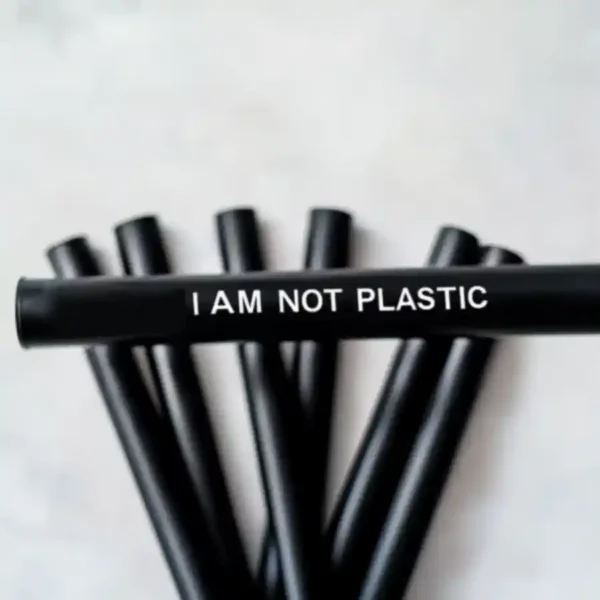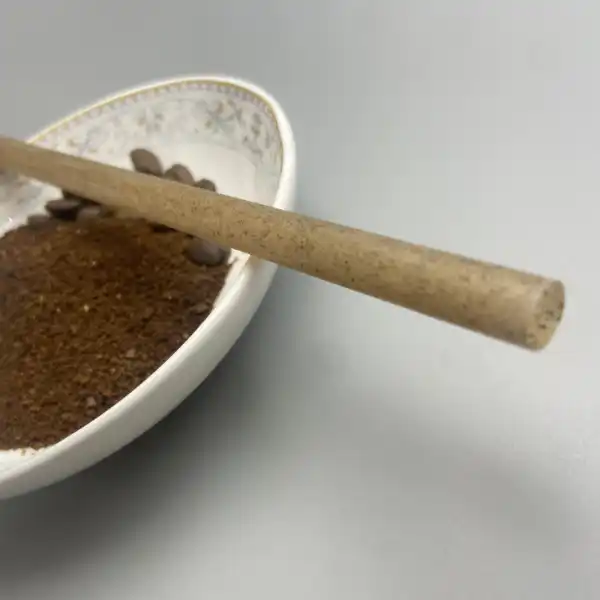

持続可能な実践への世界的な移行: 環境に優しい代替品としてのサトウキビストロー
The global landscape is rapidly evolving as businesses and consumers alike strive to embrace sustainable practices.現在市場に出回っている環境に優しい代替品の中でも、サトウキビストローはカフェ、レストラン、さらには小売ブランドでも人気の選択肢として浮上しています。環境の持続可能性、耐久性、美しさを兼ね備えたサトウキビ ストローは、従来のプラスチック ストローに代わる優れた代替品となります。ただし、自社のビジネスに適したサトウキビ ストローを選択するには、原材料の調達や生産プロセスからコスト、耐久性、使用後の廃棄に至るまで、複数の要素を理解する必要があります。この記事では、情報に基づいた意思決定を行い、ビジネス目標と環境に優しい未来への取り組みの両方に合致する完璧なサトウキビ ストロー ソリューションを選択するために知っておくべきことをすべて詳しく掘り下げていきます。
サトウキビストローを理解する
The growing demand for biodegradable alternatives has spurred innovation and research into products that minimize environmental impact.サトウキビのストローもそのようなイノベーションの 1 つです。これらのストローは、サトウキビの果汁を抽出した後に残る繊維状の残骸から作られており、プラスチック製品に代わる再生可能で生分解性の代替品となります。その組成は、副産物を再利用することで農業廃棄物を削減するだけでなく、他の一部のバイオベース プラスチックと比較して、エネルギー集約型の加工処理にも貢献します。

サトウキビストローとは何ですか?
サトウキビのストローは、サトウキビから果汁を抽出した後に残る乾燥果肉状の残留物である加工バガスから作られています。サトウキビの繊維は加工されると、耐久性があり持続可能なストローに成形されます。自然の特性により、これらのストローは完全に堆肥化可能であり、適切な工業環境下では数か月以内に分解します。
サトウキビストローの特徴
サトウキビストローを評価する際、ほとんどの企業はいくつかの重要な特性を考慮します。
- 環境にやさしい:天然の副産物として、サトウキビ繊維は廃棄物を大幅に削減し、正しく処分すれば二酸化炭素排出量を最小限に抑えます。
- 耐久性: サトウキビストローは他の生分解性素材と比較して、剛性と弾力性に優れているため、さまざまな飲料に適しています。
- 美的魅力: ニュートラルな色と洗練された外観は、多くの場合、現代のブランディングやプロモーションの美学によく合います。
- 費用対効果:技術が向上し、生産が拡大するにつれて、サトウキビストローはプラスチック製のストローと比較して競争力のある価格で提供できるようになります。
環境的および経済的利点
サトウキビのストローを選択することは、倫理的な決定だけでなく、経済的にも合理的です。環境と経済の利点の両方が、責任あるビジネス慣行をサポートすると同時に、環境意識の高い消費者層の増加にアピールする説得力のある物語の中に組み合わされています。
環境上の利点
サトウキビストローの環境上の利点は次のとおりです。
- プラスチック汚染の削減:プラスチック廃棄物が海や風景に散らばっているという悪名高いイメージがある中、サトウキビストローに切り替えることはプラスチック汚染のサイクルを打破するのに役立ちます。世界的に調査によると、使い捨てプラスチックは海洋に流出する廃棄物のほぼ 40% を占めています。
- 生分解性: プラスチックとは異なり、サトウキビのストローは自然に分解されるため、ビジネスの環境フットプリントが削減され、持続可能な廃棄物管理の実践に適合します。
- 再生可能な資源:サトウキビは、化石燃料由来のプラスチックをはるかに上回る速度で補充される急成長している作物です。

経済効果と市場動向
サトウキビストローの採用は、大きな経済的チャンスももたらす可能性があります。
- 消費者の魅力: ニールセンの調査によると、世界の消費者の 66% は持続可能なブランドにもっとお金を払っても構わないと考えており、サトウキビのストローのような環境に優しい器具を採用することでブランド イメージを向上させることができます。
- 企業コンプライアンス: 多くの地域で使い捨てプラスチックに厳しい禁止や規制が課されているため、生分解性の代替品に移行することで罰金を回避し、将来の事業運営を保証することができます。
- 廃棄物管理のコスト削減: 生分解性製品を利用すると、特にリサイクル プログラムが活発な地域では、廃棄物管理と廃棄コストの削減につながることがよくあります。
サトウキビストローを選ぶ際に考慮すべき要素
サトウキビストローへの投資では、ビジネスのニーズを効果的に満たすために、さまざまな基準をバランスよく評価する必要があります。ここでは、意思決定プロセスの指針となる重要な要素を詳しく説明します。
1。 品質と耐久性
最も重要な考慮事項の 1 つは、サトウキビ ストローの品質と耐久性です。これらのストローは堆肥化できるように設計されていますが、混雑したカフェやレストランでの一般的な使用シナリオにも耐えられる必要があります。長さ、直径、柔軟性、剛性などの要素をすべて慎重に検討する必要があります。
- 柔軟性と頑丈さ: 柔軟性はユーザーエクスペリエンスにとって有益ですが、ストローは使用中に曲がらないように十分な剛性を維持する必要があります。プロトタイプの物理的特性をテストすることは、本格的な採用の前に賢明なステップとなる可能性があります。
- 液体に対する耐性: 冷たい飲み物用と温かい飲み物用のストローを設計する場合、耐久性は特に重要です。ストローが液体に触れたときにすぐに劣化しないように注意してください。
- 認証と規格: 製品が ASTM の生分解性試験や使い捨て品に関する地域の規制などの業界基準を満たしているかどうかを確認します。
2。 調達とサプライチェーンの安定性
安定した品質と可用性を実現するには、効果的なサプライ チェーンが不可欠です。調達とサプライ チェーンの物流を管理するためのヒントをいくつか紹介します。
- メーカーの透明性: 調達、生産プロセス、品質管理の実践について透明性のあるサプライヤーを選択してください。
- 地元のサプライヤーと海外のサプライヤー: 所在地とビジネス モデルに応じて、配送時間を短縮し、地域経済をサポートするために地元のサプライヤーを検討してください。地元のサプライヤーは、地域の市場動向に関する洞察を提供することもできます。
- 一貫した品質管理: 堅牢な品質管理プロセスに投資するサプライヤーと連携します。頻繁な品質監査と認証が信頼性を示しています。

3。 カスタマイズとブランディングのオプション
サトウキビのストローは、ブランド アイデンティティの延長となることができます。一部のサプライヤーは、会社のロゴ、独自の色処理、カスタム カップに合わせたサイズなどのカスタマイズ オプションを提供しています。
- ブランドアイデンティティ:ブランドのサトウキビストローはミニマーケティングツールとして機能し、最終消費者にあなたの倫理的実践についての情報を広めることを奨励します。
- デザインの多様性: サプライヤーがさまざまな形状やサイズを提供しているかどうかを調べます。ビジネスを差別化するユニークなデザインは、大きな競争上の優位性となります。
- ボリュームディスカウント: カスタマイズすると、ストローあたりの単価が高くなる可能性があります。ただし、大量に注文した場合、多くのサプライヤーは魅力的な大量割引を提供します。
4。 コストに関する考慮事項
環境の持続可能性は主要な利点ですが、プラスチックやその他の素材からサトウキビストローへの切り替えの経済的実行可能性を評価することが不可欠です。以下に、検討すべきコスト関連の要素をいくつか示します。
- 単価比較: サトウキビストローの単位あたりのコストを現在のサプライヤーのオプションと比較してください。コストの差がマーケティングと環境上の利点によって正当化されるかどうかを検討してください。
- まとめ買い割引: サプライヤーの価格モデルを確認します。多くの場合、初期費用が高くても、大量注文の大幅な割引によって相殺されます。
- 長期的な貯蓄:リサイクル不可能な材料の廃棄物処理にかかる支出の削減や、持続可能なビジネス慣行に対する潜在的な税制優遇など、長期的な節約を考慮します。
- 輸送費と輸入費: 広告に掲載されている費用には、送料、関税 (該当する場合)、およびその他の諸経費が含まれていることを確認してください。

5。 耐用年数終了後の廃棄と生分解性
持続可能性においては、選択が意図された環境への影響を確実に満たすことが重要です。サトウキビのストローは生分解性があると考えられていますが、使用済みのプロセスに関しては考慮すべきさまざまな基準があります。
- 産業用堆肥化の互換性: サトウキビのストローによっては、完全に分解するには産業用堆肥化施設が必要です。お住まいの地域でそのような施設が利用できるか調べてください。
- 家庭での堆肥化可能性: あなたのビジネスが主に家庭や地元の消費者をターゲットにしている場合は、製品が一般的な家庭用堆肥の設定で適切に分解されるかどうかを確認してください。
- 認証: 生分解性製品協会 (BPI) またはお住まいの地域の同様の認定機関などの認定機関からの認定を探してください。
ケーススタディと実際の例
現実世界の成功事例は、さまざまなビジネス環境におけるサトウキビストローの実用化についての貴重な洞察を提供します。サトウキビストローをビジネスモデルに効果的に統合する方法を示すいくつかのケーススタディを以下に示します。
事例 1: 北米のエコカフェ チェーン
北米に本拠を置く環境意識の高いカフェチェーンは、持続可能性の包括的な見直しの一環として、すべてのプラスチックストローをサトウキビストローに置き換えることを決定しました。主な成果には以下が含まれます。
- ブランド強化: 顧客調査によると、70% 以上の常連客がこの切り替えを高く評価し、プラスチック廃棄物の削減に対するブランドの取り組みについてより肯定的に感じていることがわかりました。
- 運用効率: サプライ チェーンを地元メーカーと連携させたことにより、カフェ チェーンでは混乱が減り、配送時間が短縮され、製品品質の一貫性が向上したと報告されています。
- 市場の差別化:グリーンイニシアチブは、ブランドが競争市場で差別化するのに役立ち、ソーシャルメディアでますます影響力を持つ環境意識の高い消費者を惹きつけました。

事例 2: ヨーロッパのレストラングループ
ヨーロッパの著名なレストラングループは、使い捨てプラスチックの使用を禁止する今後の規制に対応して、使い捨て食器の徹底的な見直しを求めた。このグループは、より広範な持続可能性実践の一環としてサトウキビのストローを選択しました。彼らの旅には次のことが含まれていました。
- 適応とテスト: レストラン グループは、本格的な展開に先立って、複数の種類の飲料にわたって広範な社内テストを実施し、冷たい飲み物と温かい飲み物の両方に合わせてストローのデザインを最適化しました。
- コスト分析: 初期費用は若干高くなりましたが、廃棄物管理手数料の削減と消費者の好意的な反応により長期的な節約が見られ、最終的に全体で 15% の顧客維持率の向上につながりました。
- ブランドロイヤルティ: 環境に優しい移行に関するマーケティング キャンペーンは地元メディアやソーシャル プラットフォームで話題を呼び、持続可能性のリーダーとしてのブランドのイメージを強化しました。
サプライヤーと製品を評価する方法
サトウキビストローをビジネスに導入できるかどうかは、適切なサプライヤーを選択できるかどうかに大きくかかっています。効果的な評価プロセスには、次の手順が含まれている必要があります。
- リサーチとデューデリジェンス: 徹底的な市場調査を実施して、サトウキビストローの最適なサプライヤーを特定します。評判や口コミ、同業他社の事例をチェックしてみましょう。
- サンプルテスト: 長期的なパートナーシップを結ぶ前に、複数のサプライヤーにサンプルを依頼して、耐久性、外観、機能性を評価してください。
- 認証とコンプライアンス: 製品が ASTM や BPI 認証などの必要な基準を満たしていることを確認します。
- 透明性: 調達と環境への影響について透明性のあるサプライヤーを選択してください。
- 持続可能性の実践: エネルギー使用、梱包材、二酸化炭素排出量削減におけるサプライヤーの全体的な持続可能性への取り組みを評価します。
- サプライヤーとの関係構築: より良いサービスと潜在的な製品革新のために、サプライヤーとの長期的な関係を築きます。
最後に: サトウキビ ストローがあなたのビジネスにとって賢い選択である理由
サトウキビのストローはプラスチック製のストローに代わる持続可能な代替品であり、いくつかの環境的および経済的利点をもたらします。品質、コスト、サプライヤーの信頼性などの重要な要素を考慮することで、企業は情報に基づいてこれらのストローを自社の業務に組み込む決定を下すことができます。目標がブランドイメージの向上、規制の順守、または環境に優しい世界への貢献のいずれであっても、サトウキビストローは持続可能性戦略に不可欠な部分となります。

重要なポイント:
- サトウキビのストローは生分解性があり、プラスチック汚染の削減や再生可能資源の利用など、環境上の利点をもたらします。
- サトウキビストローを採用すると、ブランドイメージが向上し、環境に配慮した消費者を惹きつけ、規制を遵守することができます。
- Businesses should evaluate factors such as durability, sourcing, customization, and cost before choosing sugarcane straws.
- Partnering with the right supplier ensures a steady supply of high-quality products and supports long-term sustainability goals.