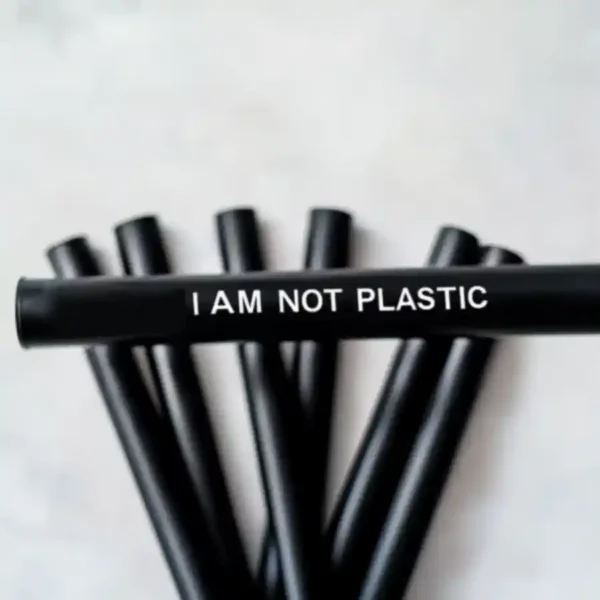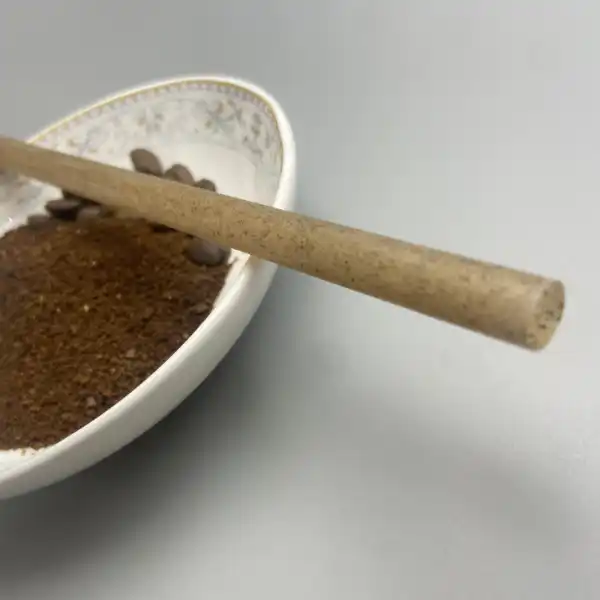

As businesses worldwide transition from plastic straws to compostable alternatives, one critical question remains: How do you ensure these eco-friendly options break down as intended? Improper disposal undermines sustainability goals, leaving compostable straws in landfills where they behave like plastics. This guide provides actionable strategies for disposing of compostable straws correctly while addressing common concerns about cost, durability, and accessibility.
Why Proper disposal from boba straws Matters
Compostable straws—like those made from sugarcane fiber (bagasse), PLA, or bamboo—are designed to decompose into water, carbon dioxide, and nutrient-rich biomass under specific conditions[3][8]. However, when discarded in regular trash or recycling bins, they end up in oxygen-deprived landfills where decomposition stalls, releasing methane (a potent greenhouse gas)[6][8]. For businesses investing in sustainability, proper disposal is non-negotiable to maximize environmental benefits.
How to Properly Dispose of compostable from sugarcane straws ストロー
Industrial Composting: The Gold Standard
Industrial composting facilities maintain high temperatures (55–70°C) and controlled moisture levels to break down compostable materials efficiently[8].
Steps for Businesses:
- Partner with Certified Facilities: Verify local industrial composters accept compostable straws (look for BPI or TÜV Austria certifications)[6].
- Educate Staff/Customers: Use signage like “Compost Only—Help Us Close the Loop!”
- Use Certified Straws: Ensure straws meet ASTM D6400 or EN 13432 standards[6][8].
例: NatureBioEco’s sugarcane straws decompose in 90~180日 in industrial settings[8].
Home Composting: A Viable Alternative
While slower than industrial methods, home composting works for certain materials:
- Sugarcane and Paper Straws: Break down in 6–12 months if shredded[4][8].
- PLAストロー: Require sustained heat (rare in home systems) and are not recommended[4][10].
Best Practices:
- Chop straws into smaller pieces to accelerate decomposition.
- Balance with nitrogen-rich materials (food scraps) and aerate piles weekly[1][4].

Alternative Disposal Methods
If composting isn’t available:
- Local Green Waste Programs: Some municipalities collect organic waste for centralized composting[4][7].
- Terracycle Partnerships: Specialty programs handle hard-to-recycle items[7].
- Waste-to-Energy Plants: Converts non-recyclables into electricity (better than landfills)[7].

Addressing Key Pain Points
Durability Concerns
Sugarcane straws (like NatureBioEco’s) withstand hot/cold beverages for 4時間以上 without sogginess—outperforming traditional paper straws[3][10].
コスト分析
| ストロータイプ | Cost per 1K Units | 寿命 |
|---|---|---|
| プラスチック | $5–$10 | 500 years+ |
| サトウキビ | $15–$25 | 90~180日 |
| 人民解放軍 | $20–$30 | 産業用堆肥化が必要 |
Data sourced from Sumkoka & NatureBioEco[2][5]
可用性 & 調達
NatureBioEco offers bulk purchasing for restaurants and cafes, with global shipping for sugarcane, bamboo, and hay straws[3][9].
FAQs: Compostable Straw Disposal
Q: How long do sugarcane straws take to decompose?
A: In industrial composters: 90–180 days. In home bins: 6–12 months if shredded[8][10].
Q: Can compostable straws go in recycling?
A: No—they contaminate recycling streams. Use compost bins only[1][7].
Q: Are “biodegradable” and “compostable” the same?
A: No! Only certified compostable straws guarantee breakdown into non-toxic biomass[6][8].
Q: Do compostable straws cost more than plastic?
A: Initially yes, but bulk orders reduce costs by 30–40%, and sustainability boosts customer loyalty[2][5].
Call to Action: Join the Compostable Revolution
切り替える準備はできていますか? Claim your free sample pack of NatureBioEco’s sugarcane straws today! Experience durability firsthand while aligning with global sustainability goals.
By adopting compostable straws and educating stakeholders on proper disposal, businesses can turn single-use items into nutrients for the planet—one sip at a time.
「」
[SEO enhancement failed, retaining original]