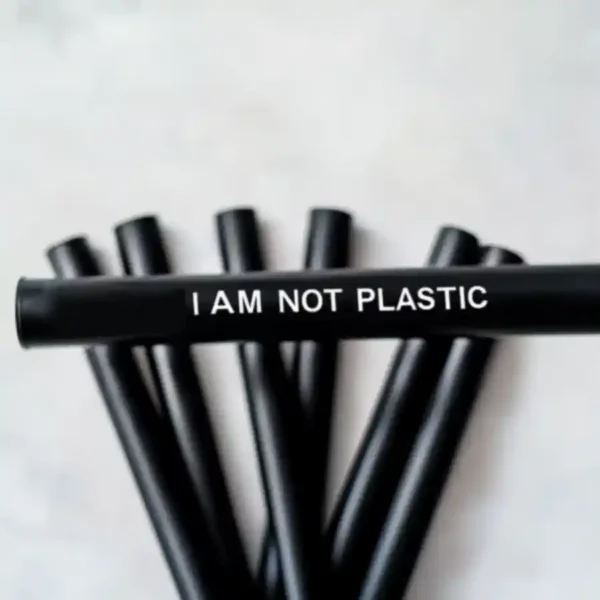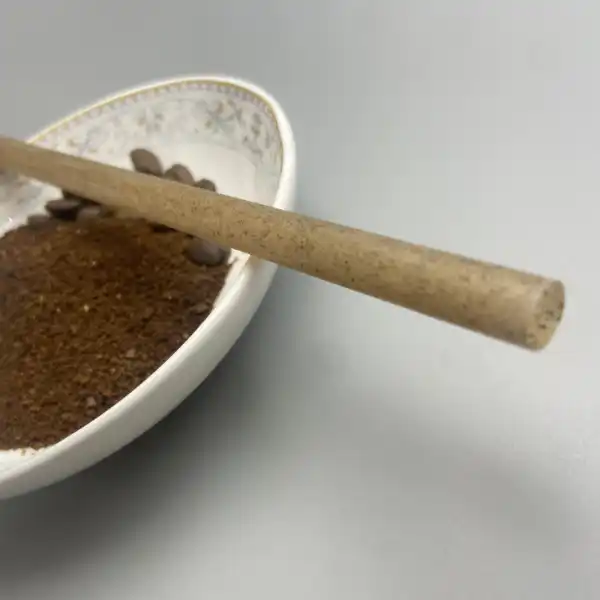

The shift towards eco-friendly practices has intensified scrutiny of single-use plastic straws. Businesses are increasingly seeking sustainable alternatives, primarily reusable straws and biodegradable disposables like sugarcane or paper straws. This guide analyzes the environmental impact, pros, cons, and cost implications of each option to help your business make informed decisions.
ストローの環境影響
Single-use plastics pose a significant environmental threat. Plastic ボバストローからのストロー 分解するには推定200年かかり、マイクロプラスチックを環境中に放出し、土壌や水の汚染を引き起こします。 2050 年までに、プラスチックは世界の炭素排出量の 15% を占める可能性があります。廃棄物の膨大な量は驚くべきものです。研究によると、一部の大学キャンパスだけでも毎月8万4,000本以上のプラスチック製ストローが廃棄されており、使い捨て製品への依存が蔓延していることが浮き彫りになっている。
それに対して紙は、 サトウキビのストローからのストロー 約 3 時間で分解しますが、寿命が短いため頻繁に交換する必要があり、森林破壊の原因となります。サトウキビのストローは、より持続可能な代替品であり、12 週間以内に分解し、ほとんどの飲料に十分な耐久性を誇ります。金属や竹などの再利用可能なストローは無駄を完全に排除しますが、洗浄が必要で初期投資がかかります。
再利用可能なストロー: 詳細な分析
金属ストロー:
- 長所: 耐久性があり、食洗機対応、耐熱性、耐寒性にも優れています。長期的には大幅なコスト削減が可能になります。
- 短所: 初期コストが高くなります (ユニットあたり 2 ~ 8 ドル)。一部のユーザーは、特定の飲料の金属的な味を報告しています。この問題を最小限に抑えるために、さまざまな種類の金属を提供することを検討してください。
シリコンストロー:
- 長所: 柔軟性があり、BPA フリーで、予算に優しい (1 ~ 3 ドル) ため、従業員や顧客にとってより利用しやすいオプションとなっています。
- 短所: 汚れや臭いが残りやすい。生分解性ではありません。衛生状態を維持するために、定期的な清掃と交換が必要な場合があります。
ガラスストロー:
- 長所: 無毒で見た目にも美しく、エレガンスを優先する企業のブランドイメージを向上させる可能性があります。
- 短所: 壊れやすい(ユニットあたり 2 ~ 8 ドル)ため、輸送中や取り扱い中に破損する危険があります。交通量の多い環境には理想的ではありません。
竹ストロー:
- 長所: 生分解性 (1 個あたり 0.50 ~ 2 ドル)、天然抗菌性があり、環境に配慮したブランドに合わせた持続可能な選択肢を提供します。
- 短所: 食器洗い機には対応していません。時間の経過とともに風味が吸収される可能性があるため、より頻繁に交換する必要があります。
使い捨てストローの代替品: 利便性と持続可能性のバランス
使い捨てオプションを必要とする企業の場合、慎重な検討が重要です。
紙ストロー:
- 長所: Affordable ($0.01–$0.05 per unit), and recyclable, appealing to environmentally conscious consumers.
- 短所: Become soggy quickly, limiting their usability; their production contributes to deforestation. Consider sourcing straws made from recycled paper to mitigate this impact.
サトウキビストロー:
- 長所: Heat-resistant (up to 90°C), remain functional for 24+ hours in drinks, and are compostable within 12 weeks. Certifications such as ABA Home Compostable and BPI Commercial Compostable validate their sustainability.
- 短所: Limited availability in some regions; may not be suitable for all beverages.
To Stay Ahead of the Curve in Sustainable Practices

コストの比較: 長期投資と短期支出
The initial cost of reusable straws is higher, but their longevity significantly reduces long-term expenses and waste. Disposable options offer immediate cost savings, but the ongoing environmental and potential reputational costs must be factored in.
| 基準 | Reusable (Metal) | Disposable (Sugarcane) | プラスチック |
|---|---|---|---|
| Upfront Cost | $2–$8 per unit | $0.10–$0.15 per unit | $0.005 |
| 寿命 | Years | Single use | Single use |
Innovative Alternatives:
Explore emerging options like pasta straws (biodegradable/edible) and seaweed-based “disappearing” straws (LOLIWARE).
- 長所: Durable and ideal for restaurants and cafes.
- 短所: Higher initial cost than paper straws. Ensure proper composting facilities are available.
Waste ImpactMinimal to NoneCompostableSignificant
Long-Term CostSignificantly LowerSignificantly HigherHigh
実用的な洞察:
- Assess your business needs: High-volume businesses might benefit from sugarcane straws, while cafes or restaurants with a focus on sustainability might prioritize reusable options.
- Educate your customers: Promote the benefits of reusable straws and provide clear disposal instructions for biodegradable alternatives.
- Consider a hybrid approach: Offer both reusable and sustainable disposable options to cater to diverse customer preferences.
- Partner with suppliers: Collaborate with suppliers committed to sustainable sourcing and manufacturing practices.
- Measure your impact: Track your straw usage and waste to monitor the effectiveness of your chosen strategy.
While reusable options offer long-term cost savings by eliminating repeat purchases, sugarcane straws provide a financially viable and sustainable alternative for high-volume businesses like cafes.
ビジネスのための実用的な洞察
- Prioritize Durability: Sugarcane straws surpass paper straws in hot and cold drinks, minimizing customer dissatisfaction related to sogginess. For example, a cafe switching from paper to sugarcane straws might see a decrease in complaints and potentially…
Understanding the Impact of Straws on Sustainability
| Waste Impact | Minimal to None | 堆肥化可能 | Significant |
| Long-Term Cost | Significantly Lower | Significantly Higher | 高い |
実用的な洞察:
- Assess your business needs: High-volume businesses might benefit from sugarcane straws, while cafes or restaurants with a focus on sustainability might prioritize reusable options.
- Educate your customers: Promote the benefits of reusable straws and provide clear disposal instructions for biodegradable alternatives.
- Consider a hybrid approach: Offer both reusable and sustainable disposable options to cater to diverse customer preferences.
- Partner with suppliers: Collaborate with suppliers committed to sustainable sourcing and manufacturing practices.
- Measure your impact: Track your straw usage and waste to monitor the effectiveness of your chosen strategy.
While reusable options offer long-term cost savings by eliminating repeat purchases, sugarcane straws provide a financially viable and sustainable alternative for high-volume businesses like cafes.
ビジネスのための実用的な洞察
- Prioritize Durability: Sugarcane straws surpass paper straws in hot and cold drinks, minimizing customer dissatisfaction related to sogginess. For example, a cafe switching from paper to sugarcane straws might see a decrease in complaints and potentially…
- Market Your Sustainability: Promote certifications like BPI Compostable or highlight partnerships with reusable product initiatives to appeal to environmentally conscious customers. Consider using marketing materials that clearly display these certifications and partnerships. A simple logo placement or a brief description on your menu can make a difference.
- Leverage Incentives: Explore local municipal programs offering tax breaks or other incentives for businesses using biodegradable products. Contact your local government’s environmental or business development office to inquire about available incentives.
- Educate Your Customers: Implement in-store signage or digital content explaining the benefits of your chosen straw type. For sugarcane straws, emphasize compostability.
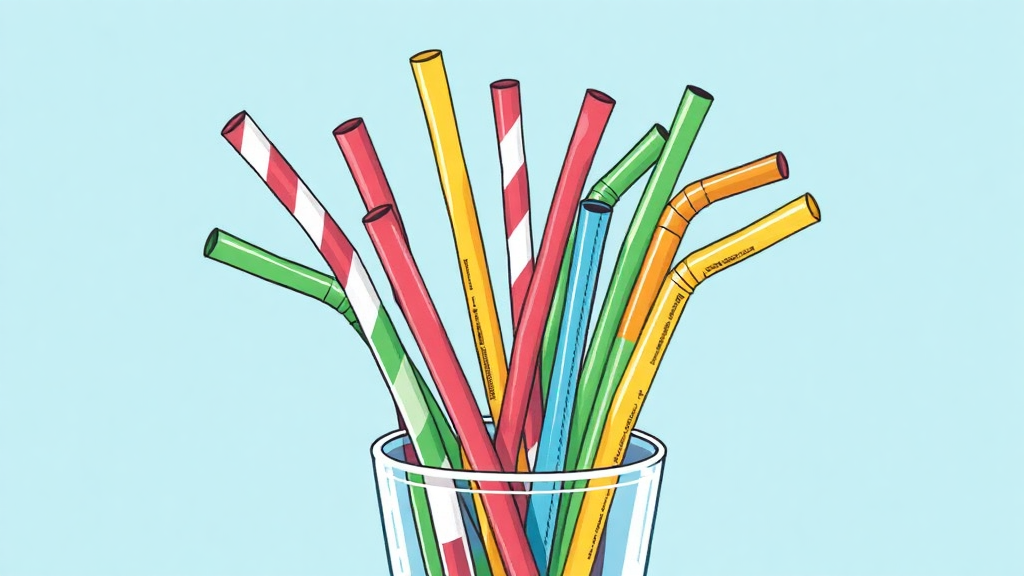
Durability and Sustainability in Straw Options
For reusable options, highlight their contribution to zero-waste initiatives. Consider using visually appealing infographics or short videos to effectively communicate this information.
5. 環境に優しいブランドと提携する
Collaborate with suppliers offering sustainable packaging or products to enhance your overall environmental impact. This synergistic approach strengthens your brand’s sustainability narrative and can attract environmentally conscious consumers. For example, partnering with a local composting facility could add another layer to your sustainability message.
FAQs: Addressing Key Concerns
Q: Are reusable straws hygienic?
A: Yes! Metal, silicone, and glass straws are typically dishwasher-safe. Bamboo straws require handwashing with a vinegar solution. Clearly communicate cleaning instructions to customers, especially
- Market Your Sustainability: Promote certifications like BPI Compostable or highlight partnerships with reusable product initiatives to appeal to environmentally conscious customers. Consider using marketing materials that clearly display these certifications and partnerships. A simple logo placement or a brief description on your menu can make a difference.
- Leverage Incentives: Explore local municipal programs offering tax breaks or other incentives for businesses using biodegradable products. Contact your local government’s environmental or business development office to inquire about available incentives.
- Educate Your Customers: Implement in-store signage or digital content explaining the benefits of your chosen straw type. For sugarcane straws, emphasize compostability.
Durability and Sustainability in Straw Options
For reusable options, highlight their contribution to zero-waste initiatives. Consider using visually appealing infographics or short videos to effectively communicate this information.
5. 環境に優しいブランドと提携する
Collaborate with suppliers offering sustainable packaging or products to enhance your overall environmental impact. This synergistic approach strengthens your brand’s sustainability narrative and can attract environmentally conscious consumers. For example, partnering with a local composting facility could add another layer to your sustainability message.
FAQs: Addressing Key Concerns
Q: Are reusable straws hygienic?
A: Yes! Metal, silicone, and glass straws are typically dishwasher-safe. Bamboo straws require handwashing with a vinegar solution. Clearly communicate cleaning instructions to customers, especially.
Q: 温かい飲み物にはどのオプションが最適ですか?
A: Sugarcane straws (heat-resistant up to 90°C) and metal straws are suitable. Avoid paper or silicone straws for hot beverages. This information should be included in staff training materials to ensure consistent service.
Q: 長期的なコストを比較するとどうなりますか?
A: A $5 metal straw used daily saves approximately $18 annually compared to daily plastic straw usage (assuming $0.01/plastic straw). This cost savings calculation can be adjusted based on local pricing and usage patterns. Consider creating a simple cost comparison chart for your internal use.
最終評決
For businesses seeking immediate, impactful change without significant operational adjustments, sugarcane straws offer a superior compostable alternative to paper or plastic straws due to their durability. Businesses prioritizing zero-waste goals should invest in reusable metal or bamboo straws alongside comprehensive customer education campaigns. A phased approach, starting with sugarcane straws and gradually transitioning to reusable options, might be a practical strategy for some businesses.
ディスカッションの強化: ケーススタディとデータ
Case Study: Starbucks’ Transition to Sustainable Straws
Starbucks’ 2018 global phase-out of plastic straws, replacing them with recyclable lids and compostable straws, exemplifies a successful transition to sustainable practices. This initiative, part of their broader commitment to reducing plastic waste by 50% by 2030, resulted in significant waste reduction and positive customer feedback.

Data-Driven Insights
- Consumer Preferences: A 2022 Nielsen survey indicated that 73% of global consumers are willing to alter consumption habits to reduce environmental impact. Aligning with these values can
Reusable Straws: The Sustainable Choice for Your Business
Q: 温かい飲み物にはどのオプションが最適ですか?
A: Sugarcane straws (heat-resistant up to 90°C) and metal straws are suitable. Avoid paper or silicone straws for hot beverages. This information should be included in staff training materials to ensure consistent service.
Q: 長期的なコストを比較するとどうなりますか?
A: A $5 metal straw used daily saves approximately $18 annually compared to daily plastic straw usage (assuming $0.01/plastic straw). This cost savings calculation can be adjusted based on local pricing and usage patterns. Consider creating a simple cost comparison chart for your internal use.
再利用可能なストローに関する最終判決
For businesses seeking immediate, impactful change without significant operational adjustments, sugarcane straws offer a superior compostable alternative to paper or plastic straws due to their durability. Businesses prioritizing zero-waste goals should invest in reusable metal or bamboo straws alongside comprehensive customer education campaigns. A phased approach, starting with sugarcane straws and gradually transitioning to reusable options, might be a practical strategy for some businesses.
ディスカッションの強化: ケーススタディとデータ
Case Study: Starbucks’ Transition to Sustainable Straws
Starbucks’ 2018 global phase-out of plastic straws, replacing them with recyclable lids and compostable straws, exemplifies a successful transition to sustainable practices. This initiative, part of their broader commitment to reducing plastic waste by 50% by 2030, resulted in significant waste reduction and positive customer feedback.
Data-Driven Insights
- Consumer Preferences: A 2022 Nielsen survey indicated that 73% of global consumers are willing to alter consumption habits to reduce environmental impact. Aligning with these values can
Reducing Plastic Waste with Reusable Straws

Quantify the decrease in single-use plastic straw consumption—for instance, measure the number of plastic straws avoided per month or year. Then, transparently share these quantifiable metrics with your customers via your website, social media, and marketing materials. Showcase success stories and case studies demonstrating your environmental commitment. Transparency builds trust and strengthens your brand’s reputation as a responsible corporate citizen. For example, a statement like, “By switching to reusable straws, we’ve prevented X tons of plastic waste from entering landfills this year,” provides concrete evidence of your impact.
追加のよくある質問
Q: How do I ensure my reusable straws are clean?
- コスト削減: The Ellen MacArthur Foundation’s research suggests that companies adopting circular economy practices, including reusable products, could save $700 billion annually by 2030. This highlights the significant long-term financial benefits of sustainability.
Innovative Solutions
- 食用ストロー: Companies like Sorbos offer edible straws made from sugar, rice, and natural flavors, providing a unique customer experience while minimizing waste.
- Seaweed-Based Straws: LOLIWARE’s seaweed straws decompose within 24 hours, offering a fully sustainable single-use option.
行動喚起
Ready to explore eco-friendly alternatives? Request free samples of our top-rated sugarcane or metal straw bundles today! Boosting your business’s green credentials involves a multifaceted approach. Let’s delve deeper into sustainable straw choices and their impact.
6. 影響の監視と報告
Meticulously track your reduction.
Reducing Plastic Waste with Reusable Straws

Quantify the decrease in single-use plastic straw consumption—for instance, measure the number of plastic straws avoided per month or year. Then, transparently share these quantifiable metrics with your customers via your website, social media, and marketing materials. Showcase success stories and case studies demonstrating your environmental commitment. Transparency builds trust and strengthens your brand’s reputation as a responsible corporate citizen. For example, a statement like, “By switching to reusable straws, we’ve prevented X tons of plastic waste from entering landfills this year,” provides concrete evidence of your impact.
追加のよくある質問
Q: How do I ensure my reusable straws are clean?
- コスト削減: The Ellen MacArthur Foundation’s research suggests that companies adopting circular economy practices, including reusable products, could save $700 billion annually by 2030. This highlights the significant long-term financial benefits of sustainability.
Innovative Solutions
- 食用ストロー: Companies like Sorbos offer edible straws made from sugar, rice, and natural flavors, providing a unique customer experience while minimizing waste.
- Seaweed-Based Straws: LOLIWARE’s seaweed straws decompose within 24 hours, offering a fully sustainable single-use option.
行動喚起
Ready to explore eco-friendly alternatives? Request free samples of our top-rated sugarcane or metal straw bundles today! Boosting your business’s green credentials involves a multifaceted approach. Let’s delve deeper into sustainable straw choices and their impact.
6. 影響の監視と報告
Meticulously track your reduction.
Maintaining Hygiene Standards for Reusable Straws
Q: How can I maintain hygiene standards?
A: Maintaining the cleanliness of reusable straws is crucial. Use a specialized straw cleaning brush, following the manufacturer’s instructions precisely. For bamboo straws, a regular soak in a diluted white vinegar solution (one part vinegar to four parts water) effectively sanitizes and removes lingering odors. Establish a clear cleaning protocol for staff to ensure consistent hygiene. Consider providing staff with training on proper cleaning techniques to maintain high standards.
Q: Are there regulatory benefits to switching to sustainable straws?
A: Switching to sustainable alternatives offers significant regulatory advantages. Many jurisdictions are enacting bans or restrictions on single-use plastics, including straws. Proactive adoption of sustainable straws ensures compliance, avoiding potential fines and penalties associated with non-compliance. Stay informed about evolving regulations in your area and adjust your strategy accordingly. Regularly review relevant legislation to ensure ongoing compliance.
Q: What is the complete lifecycle carbon footprint of producing reusable straws compared to disposable ones?
A: While the initial carbon footprint of manufacturing reusable straws (e.g., stainless steel or bamboo) might be higher than disposable plastic straws, their significantly extended lifespan dramatically reduces their overall environmental impact. Consider the entire lifecycle: material sourcing, manufacturing, transportation, use, cleaning, and disposal or recycling. Life cycle assessments (LCAs) can provide a comprehensive comparison, highlighting the long-term environmental benefits of reusable options. For instance, a reusable stainless steel straw, used daily for years, will have a lower overall carbon footprint than thousands of disposable plastic straws.
最終的な考え
The choice between reusable and disposable straws is a strategic business decision.
Impacting Environmental Responsibility and Brand Image
A thorough cost-benefit analysis considering environmental impact, regulatory compliance, customer preferences, and potential long-term savings should guide your decision. Prioritize sustainability goals alongside operational efficiency to maximize positive impact. Consider conducting customer surveys to gauge preferences and incorporate their feedback into your decision-making process.
CTA: Ready to make a sustainable switch and enhance your brand’s image? Request free samples of our premium sugarcane or metal straw bundles today and embark on a journey towards a greener, more responsible future for your business.