B2B 向けの持続可能なシュガーストロー: 環境に優しい & 準拠

The Plastic Ban Revolution: Why Sugar Straws Matter Now

Picture this: It’s a busy Friday afternoon at your beachside hotel, and guests are enjoying cocktails by the pool. You glance over and notice something that would have been unremarkable a few years ago—straws in drinks. But today, those seemingly innocent plastic tubes represent a significant liability for your busines.
With plastic straw bans sweeping acros more than 32 countries and hundreds of cities worldwide, hospitality businesses face mounting pressure to find sustainable alternatives that don’t compromise on quality or guest experience. The global single-use plastic market, once valued at $1.1 trillion, is undergoing a seismic shift as regulations tighten and consumer preferences evolve.
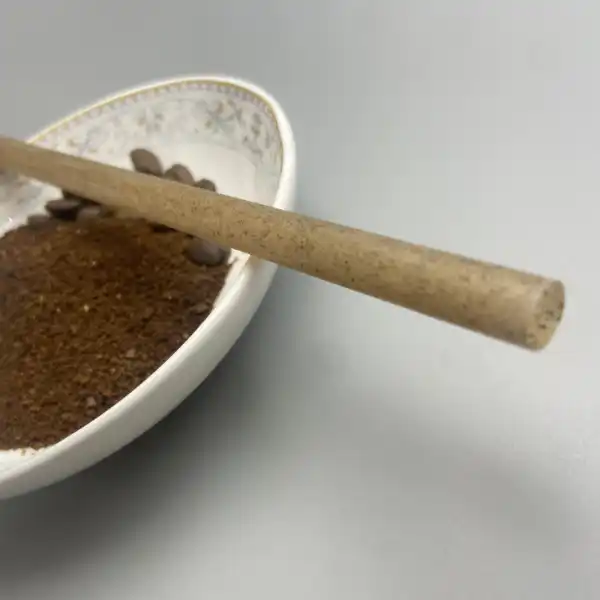
Enter sugar straws—biodegradable drinking tubes made from renewable sugarcane fibers that provide a genuine solution to this modern busines challenge. Unlike conventional plastic straws that persist in oceans for centuries, sugar straws return to the earth within weeks under proper composting conditions, leaving no microplastics behind.
“The first time I held a sugar straw, I was skeptical,” admits Marco Hernandez, F&B Director of a leading resort chain. “But after testing them with our most discerning guests, we were amazed by the positive feedback. They didn’t get soggy in tropical drinks, maintained structural integrity, and completely aligned with our sustainability commitments.”
Learn how sugar straws are transforming sustainable events acros industries as businesses discover the remarkable versatility of this plant-based alternative. The transition isn’t merely about avoiding fines or appeasing eco-conscious customers—it represents a fundamental shift in how forward-thinking businesses approach their environmental responsibilities while maintaining operational excellence.
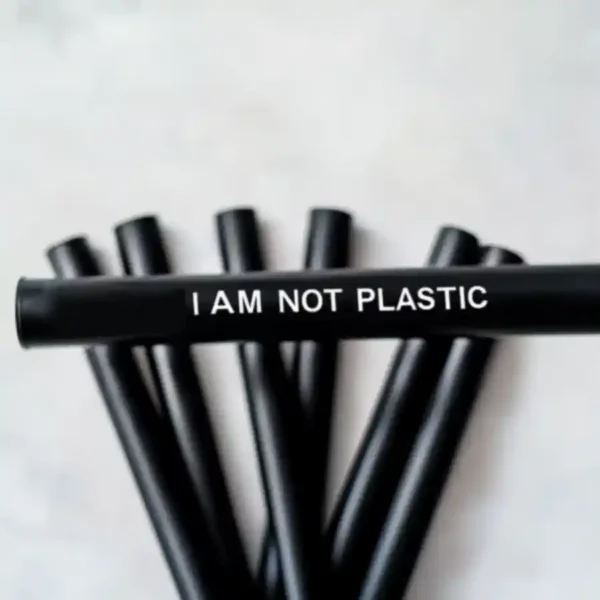
Sugar straws offer a compelling proposition: maintain the familiar straw experience your customers expect while eliminating plastic waste from your busines operations. With customization options including branded printing, varied sizes, and even colorful variations, these sustainable alternatives allow businesses to make an environmental statement without sacrificing functionality or brand identity.
As plastic regulations intensify and consumer expectations evolve, the question isn’t whether your busines should transition away from plastic straws—it’s which sustainable alternative best serves your specific needs while addressing broader environmental concerns.
Regulatory Compliance: Certifications That Matter for B2B Sugar Straws

Navigating the complex landscape of food-contact material regulations can be daunting for businesses sourcing sustainable alternatives. When it comes to sugar straws, understanding the certification requirements is essential for both compliance and customer confidence.
The financial implications of non-compliance are substantial. According to the FDA, businesses distributing non-compliant food contact materials can face penalties up to $500,000 per violation, alongside potential busines interruptions and reputation damage. These risks make proper certification an imperative rather than an option.
FDA certified compostable sugar straws from reputable manufacturers like NatureBioEco undergo rigorous testing to meet food contact safety standards established by the FDA. This certification verifies that the products contain no harmful chemicals and are safe for contact with beverages acros different temperature ranges and pH levels.
Beyond FDA compliance, leading sugar straw manufacturers also secure:
- **LFGB 認証**: ドイツの食品安全基準は、FDA の要件よりも厳しいと考えられることがよくあります。
- **Home Compostability Verification**: Confirming the products break down safely in home composting environments
- **BPI Certification**: Validating the straws meet specific biodegradability standards
- **ISO 9001**: Ensuring consistent manufacturing quality standards
When sourcing sugar straws for your busines, request comprehensive documentation of these certifications. The most reputable suppliers maintain current testing reports and can provide certificates upon request.
“Compliance isn’t just about avoiding legal issues—it’s about trust,” explains Sophia Chen, Procurement Director at a global hotel chain. “When we display certification labels on our sustainable packaging, our customers immediately recognize our commitment to both safety and sustainability.”
For franchises and chains with international operations, working with suppliers who understand global compliance requirements becomes particularly valuable, as it eliminates the need to source different products for different markets.
How Sugar Straws Compare to Other Eco Alternatives

The sustainable straw market has exploded with options, making it challenging for businesses to determine which alternative best suits their specific needs. Let’s compare sugar straws against other popular sustainable options based on practical busines considerations:
| 基準 | Sugar Straws | 紙ストロー | プラストロー | 金属ストロー | ガラスストロー |
|---|---|---|---|---|---|
| ——-- | ————– | ————– | ———— | ————– | ————– |
| 飲み物の耐久性 | 2~3時間 | 30~60分 | 2~3時間 | 不定 | 不定 |
| 生産終了 | 家庭で堆肥化可能 | 産業用堆肥化可能 | 産業用堆肥化可能 | 再利用可能 | 再利用可能 |
| ユニットあたりのコスト | 0.03~0.06ドル | $0.02-0.05 | 0.03~0.05ドル | $0.50-2.00 | $1.00-3.00 |
| メンテナンス | なし | なし | なし | Cleaning required | Cleaning required |
| カスタマーエクスペリエンス | 自然な感触 | ねっとりする可能性があります | プラスチックに似たもの | 温度伝導性 | 破損の危険性 |
| ブランドの可能性 | 高い | 中くらい | 高い | 限定 | 限定 |
| 二酸化炭素排出量 | 非常に低い | 低い | 中くらい | 高(初期) | 高(初期) |
Sustainable sugarcane straws offer unique advantages for cafes and restaurants seeking solutions that balance performance with environmental benefits. According to a 2022 UNEP report on plastic alternatives, agricultural waste-based products like sugar straws produce 80% fewer carbon emissions acros their lifecycle compared to conventional plastics.
温かい飲み物や冷たい飲み物におけるシュガー ストローの耐久性に優れているため、消費時間が長い飲み物を提供する企業にとって、シュガー ストローは特に価値があります。多くの場合数分以内に湿ってしまう紙の代替品とは異なり、シュガー ストローはその構造を何時間も維持し、環境に影響を与えることなく、従来のプラスチック ストローによく似た顧客エクスペリエンスを提供します。
For businesses prioritizing complete biodegradability, sugar straws offer distinct advantages over PLA (polylactic acid) alternatives. While PLA straws appear similar to conventional plastic, they require industrial composting facilities to break down properly—facilities that remain unavailable in many regions. Sugar straws, by contrast, decompose naturally in home composting environments within 90 days.
The most significant limitation of reusable alternatives like metal or glas straws in B2B contexts is the logistical complexity of collection, sanitization, and redistribution. These operational challenges make disposable yet sustainable options more practical for most food service businesses.
Top Busines Benefits of Switching to Sugar Straws

Transitioning to sugar straws offers businesses tangible advantages beyond mere environmental compliance. Understanding these benefits helps justify the investment and maximize the return on your sustainability initiatives.
Cost-effective sugar straws for distributors present a compelling financial case when evaluating total implementation costs. While the unit price may slightly exceed conventional plastic (typically by $0.01-0.02 per straw), businesses frequently discover offsetting benefits:
1. **Regulatory Compliance Cost Avoidance**: According to the National Restaurant Association, businesses in regions with plastic bans save an average of $2,800 annually by avoiding non-compliance penalties.
2. **Customer Perception and Loyalty**: 73% of consumers say they would switch to businesses that demonstrate environmental responsibility. This loyalty translates to measurable revenue increases—businesses implementing visible sustainability initiatives report 4-7% higher average spend per customer.
3. **Marketing Value**: Sustainable practices provide authentic content for marketing materials, social media, and pres coverage—essentially functioning as free advertising with the added benefit of positive brand association.
4. **Operational Simplicity**: Unlike reusable alternatives that require collection and cleaning protocols, compostable sugar straws integrate seamlessly into existing operations without additional staff training or processes.
5. **競争上の差別化**: 持続可能な実践がまだ普及していない市場では、早期に導入することで、環境に配慮した消費者の共感を呼ぶ有意義な差別化を生み出すことができます。
多くの企業は、カスタマイズを通じてこれらの利点を強化します。 B2B アプリケーション向けのカスタム ブランドのシュガー ストローは、必要な経費をマーケティング ツールに変え、顧客体験全体にわたってブランドの露出を拡大します。色、サイズ、さらにはロゴの印刷も選択できるシュガー ストローは、さりげなくも効果的なブランド アンバサダーになります。
“When we switched to branded sugar straws in our cocktail program, we noticed an unexpected benefit,” shares James Liang, Bar Director at a premium hospitality group. “They became conversation starters. Guests would ask about them, which gave our staff natural opportunities to highlight our broader sustainability initiatives.”
Environmental Impact: Why Sugar Straws Win

The environmental advantages of sugar straws extend far beyond simply being plastic-free. Understanding these benefits equips businesses to effectively communicate their environmental initiatives to increasingly eco-conscious customers.
The sustainable revolution of sugarcane straws is transforming the single-use item landscape through measurable environmental improvements:
- **二酸化炭素排出量の削減**: 環境研究所によるライフサイクル評価では、プラスチックストローからサトウキビストローに切り替えると、ユニットあたりの炭素排出量が約 91% 削減されることがわかりました。毎日 200 杯のドリンクを提供する中規模のカフェの場合、これは年間約 1.8 トンの CO2 削減に相当し、これは 30 本の木を植えることに相当します。
- **農業廃棄物のアップサイクル**: シュガーストローは、本来なら焼かれるか廃棄されるバガス(砂糖抽出後に残る繊維状の副産物)を利用しています。このアップサイクルのアプローチは、廃棄物を貴重な資源に変えます。
- **節水**: 砂糖ストローの製造では、紙製ストローの製造と比較して 79% 少ない水が必要となり、重要な節水問題に対処できます。
- **Biodegradation Timeline**: Unlike conventional plastics that persist for centuries, sugar straws completely biodegrade within 90 days in home composting environments without producing harmful microplastics.
- **Land Use Efficiency**: Sugarcane grows rapidly with minimal agricultural inputs, producing 6-8 times more fiber per acre than trees used for paper straws.
These environmental benefits offer businesses authentic sustainability credentials that resonate with the 67% of consumers who report actively researching brands’ environmental practices before making purchasing decisions.
Case Study: Sugar Straws Succes in Action

When coastal resort chain Oceanic Properties faced impending plastic straw bans acros their 12 locations, they needed a solution that would maintain their premium guest experience while complying with new regulations.
“Our clientele expects luxury at every touchpoint,” explains Dana Ramirez, Sustainability Director at Oceanic. “We couldn’t compromise on quality, but needed to addres growing environmental concerns from both regulators and guests.”
After testing multiple alternatives, Oceanic implemented custom-branded sugar straws throughout their properties. The implementation included:
- Custom 8″ straws for signature tropical cocktails
- Standard 7.75″ straws for soft drinks and iced coffees
- Wrapped options for sanitary self-service stations
- Staff training on communicating the sustainability initiative
The results exceeded expectations acros multiple metrics:
- **Guest Satisfaction**: Post-implementation surveys showed a 22% increase in positive mentions of environmental initiatives.
- **Cost Management**: Despite a per-unit increase of $0.015 compared to previous plastic straws, the chain avoided approximately $45,000 in potential non-compliance penalties.
- **Brand Enhancement**: The initiative generated unpaid media coverage valued at approximately $78,000 in equivalent advertising.
- **Waste Reduction**: The company eliminated 1.2 million plastic straws annually, preventing approximately 2.4 tons of plastic from entering waste streams.
As businesses evaluate eco-friendly sugarcane straws, the Oceanic case demonstrates how thoughtful implementation can transform a necessary compliance measure into a brand-enhancing opportunity with measurable busines benefits.
“What began as a regulatory response became one of our most successful sustainability initiatives,” Ramirez notes. “The visible nature of straws makes them perfect vehicles for demonstrating environmental commitments directly to consumers.”
よくある質問
- How do sugar straws perform in different beverages compared to plastic?
- Sugar straws maintain their structure for 2-3 hours in most beverages—comparable to plastic performance. They perform exceptionally well in cold drinks and show good stability in hot beverages under 160°F. The main difference users notice is a slightly more natural mouthfeel compared to petroleum-based plastics.
- B2B バイヤーはどれくらいの最小注文数量を想定する必要がありますか?
- Most manufacturers set MOQs between 10,000-25,000 units for standard sizes and specifications. For custom branded sugar straws, MOQs typically start at 50,000 units. Distributors can often acces lower MOQs of 5,000-10,000 units for initial testing purposes.
- How should businesses store sugar straws to maintain quality?
- Store sugar straws in cool, dry conditions away from direct sunlight. While they have excellent shelf stability (typically 24+ months), extreme humidity can affect performance over time. Wrapped options provide additional protection for longer storage or self-service settings.
- Can sugar straws be composted in standard commercial composting operations?
- Yes, sugar straws are accepted by virtually all commercial composting facilities, breaking down within 30-90 days. They’re also home compostable, providing flexibility for businesses with varying waste management systems.
- How do costs compare to conventional plastic straws?
- Sugar straws typically cost $0.01-0.03 more per unit than conventional plastic straws. However, businesses should calculate total implementation costs including potential non-compliance penalties, marketing benefits, and customer preference advantages when evaluating ROI.
- Are sugar straws suitable for branding opportunities?
- Absolutely. Sugar straws accept food-safe inks for logo printing, offering excellent branding opportunities. Custom color options are also available, though minimum order quantities for customization typically start at 50,000 units.
- What certifications should B2B buyers look for when sourcing sugar straws?
- Priority certifications include FDA compliance for food contact safety, home compostability verification, LFGB certification for international markets, and ISO 9001 for manufacturing quality assurance. Legitimate suppliers readily provide certification documentation upon request.