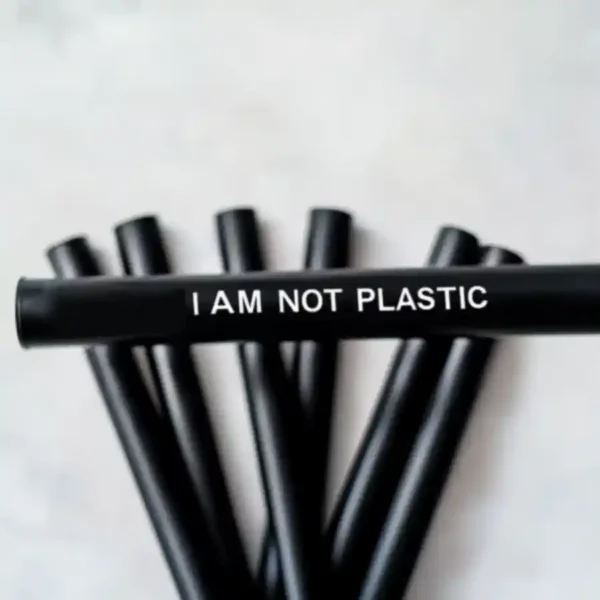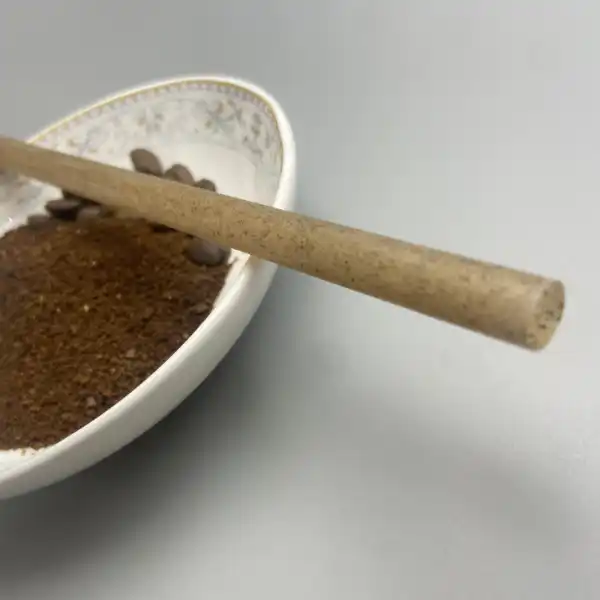
従来のプラスチックに代わる持続可能な代替品の必要性は、かつてないほど重要になっています。これに関連して、サトウキビと竹は、その自然で生分解性の特性が高く評価され、非常に有望な環境に優しい素材として浮上しています。この投稿の目的は、これら 2 つの材料を詳細に分析し、その違い、利点、実際の用途を探ることです。
サトウキビと竹の違い
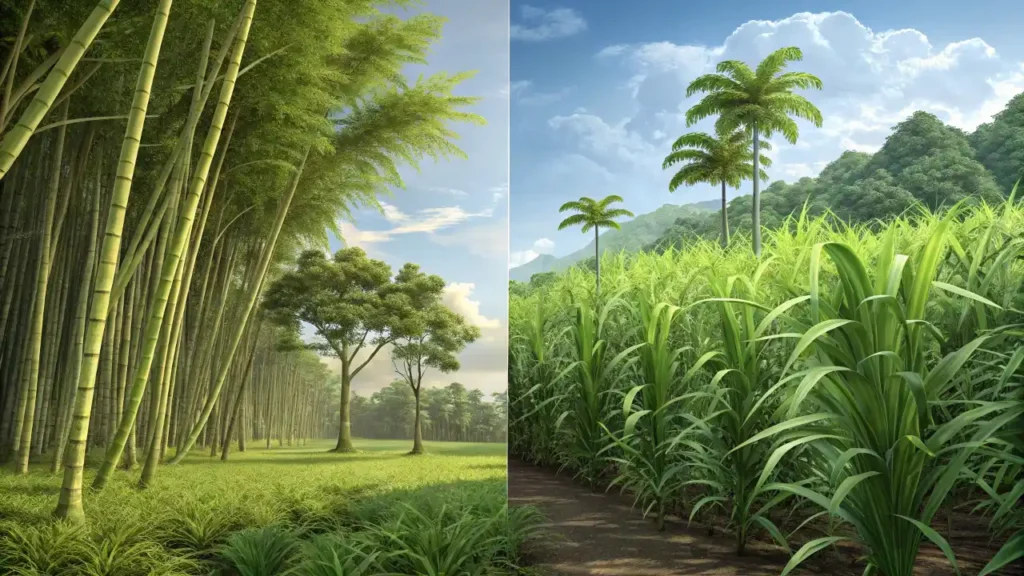
- 成長特性: サトウキビは通常、高さ 3 ~ 4 メートルに達し、12 ~ 18 か月で収穫できるように成熟します。一方、竹は高さ 10 ~ 40 メートルまで成長し、建築や製紙に使用できるよう成長するまでに 2 ~ 3 年かかります。サトウキビの茎は水分を多く含んで堅いのに対し、竹の茎は中空で柔軟です。
- 強度と柔軟性: 竹は低炭素鋼をも上回る優れた引張強度を示します。対照的に、サトウキビは強度に劣りますが、加工が容易で、果汁抽出に必要なエネルギーが少なくなります。
- 生育条件: サトウキビは熱帯および亜熱帯地域で生育し、最適な成長には十分な水が必要です。竹は適応範囲が広く、温暖で雨の多い条件と水はけの良い土壌を好み、さまざまな気候で生育します。
- 地理的分布: サトウキビは主に熱帯諸国で栽培されており、ブラジルが主要な生産国および輸出国です。竹はアジア太平洋、南北アメリカ、アフリカに分布しており、アジア太平洋地域が世界の生産量の 50% 以上を占めています。
サトウキビ: 詳しく見る
- 分類: サトウキビは、イネ科に属する単子葉植物 C4 です。 C4 分類は、高効率の光合成プロセスを備えていることを意味します。このプロセスにより、二酸化炭素を炭素数 4 の分子に固定することができ、乾燥条件での成長が促進されます。
- 従来の用途: サトウキビは砂糖の主要供給源として長い歴史があります。さらに、果汁を抽出した後に残る繊維状物質であるバガスは、ボイラー燃料や堆肥化に使用されます。
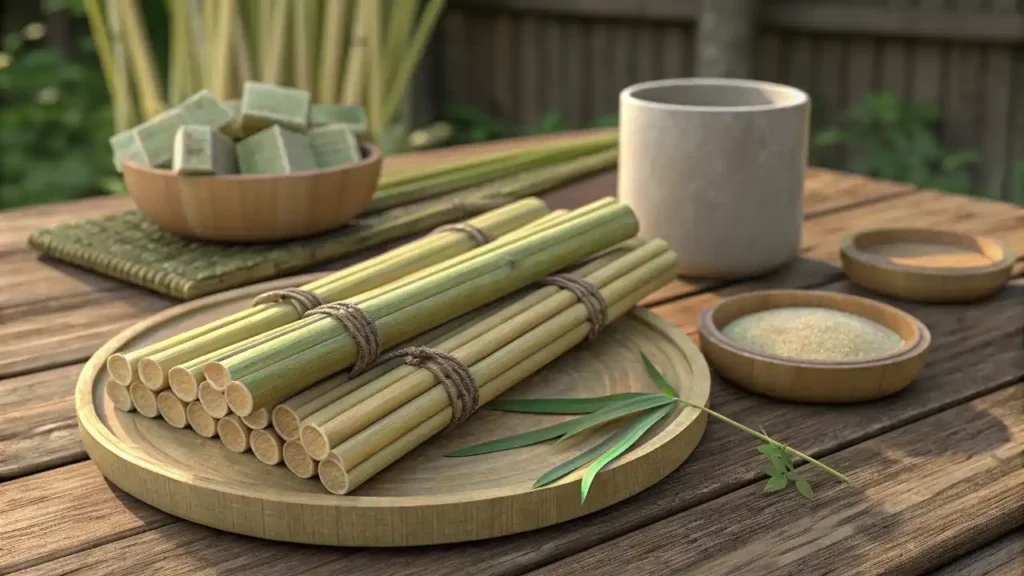
- 最新のアプリケーション: サトウキビは、特にブラジルでバイオエタノールの生産に使用されており、サトウキビの繊維はプラスチックの代替品として包装、ストロー、食器などに使用されています。これらの用途は、材料の堆肥化可能性によって強化され、循環経済を促進します。
- 持続可能な調達のためのベストプラクティス: 持続可能なサトウキビ栽培には、節水、効果的な土壌管理、森林破壊の回避が含まれます。
- 材料特性に関する専門家の洞察: C4 植物であるサトウキビは、竹などの C3 植物よりも光合成効率が高くなります。この特性により、特に持続可能な農法が使用されている場合、炭素隔離が強化されます。
竹: 詳しく見る
- 分類: 竹も C3 植物で、イネ科に属します。 C3 植物である竹はサトウキビよりも乾燥に弱いです。
- 従来の用途: 竹は伝統的に建築資材、家庭用品、製紙に使用されてきました。
- 最新のアプリケーション: 竹は現在、家具、紙、包装材などに利用されています。竹繊維は、ストローや食器などのプラスチックの代替品としてだけでなく、建築物やコンクリートの補強材としても機能します。
- 材料特性に関する専門家の洞察: 竹は細胞構造をしているため引張強度が高く、建築材料に適しています。
- 持続可能な調達のためのベストプラクティス: 持続可能な収穫を確保するには、Forest Stewardship Council (FSC) などの認証を探してください。
サトウキビと竹の利点と利点
- 耐久性: 竹は本来より耐久性がありますが、サトウキビの繊維を加工して同等の靭性を得ることができます。竹は耐久性を高めるために炭化されることがよくあります。サトウキビ繊維は、特定の製品要件に合わせて厚さを調整できます。
- 二酸化炭素排出量の削減: C4 植物であるサトウキビは、C3 植物である竹よりも二酸化炭素を吸収する効率が高くなります。どちらも炭素排出量の点で石油ベースのプラスチックよりも優れた選択肢です。
- 生分解性と堆肥化可能性: サトウキビ製品は堆肥化可能性が高く、循環経済に適しています。竹製品は分解する可能性がありますが、炭化によりこのプロセスが遅くなります。
- 製品の適用性: サトウキビは、包装、食器、プラスチックの代替品など、さまざまな業界で多用途に使用されています。竹の主な用途は、家具、食器、建材などの日常生活です。
特定の製品の詳細: サトウキビストロー
サトウキビのストローはプラスチック製のストローの効果的な代替品です。これらはサトウキビ加工の繊維状副産物から作られます。これらは使用中に構造的完全性を維持し、生分解性で堆肥化可能です。サトウキビストローを購入する際は、持続可能な方法で調達されたサトウキビから生産されており、有害な添加物が含まれていないことを確認してください。
サトウキビと竹繊維の用途
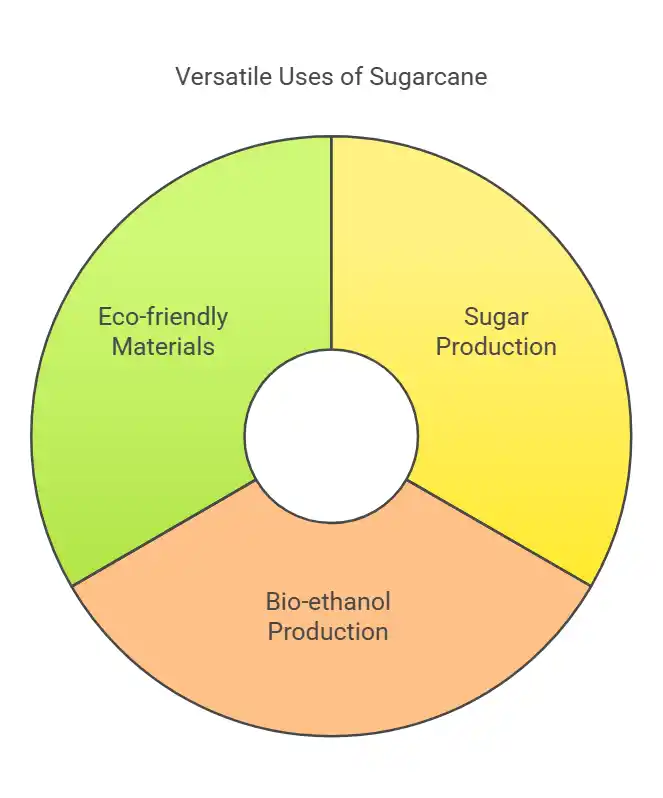
- サトウキビ:
- 砂糖の生産: サトウキビの絞り汁を濃縮し、結晶化させて砂糖を作ります。
- バイオエタノールの製造: サトウキビを発酵、蒸留して水性アルコールを生成し、燃料として使用できます。バガスはバイオエタノールの生産にも使用できます。
- 環境に優しい素材: サトウキビの繊維は食品包装や食器に使用されています。
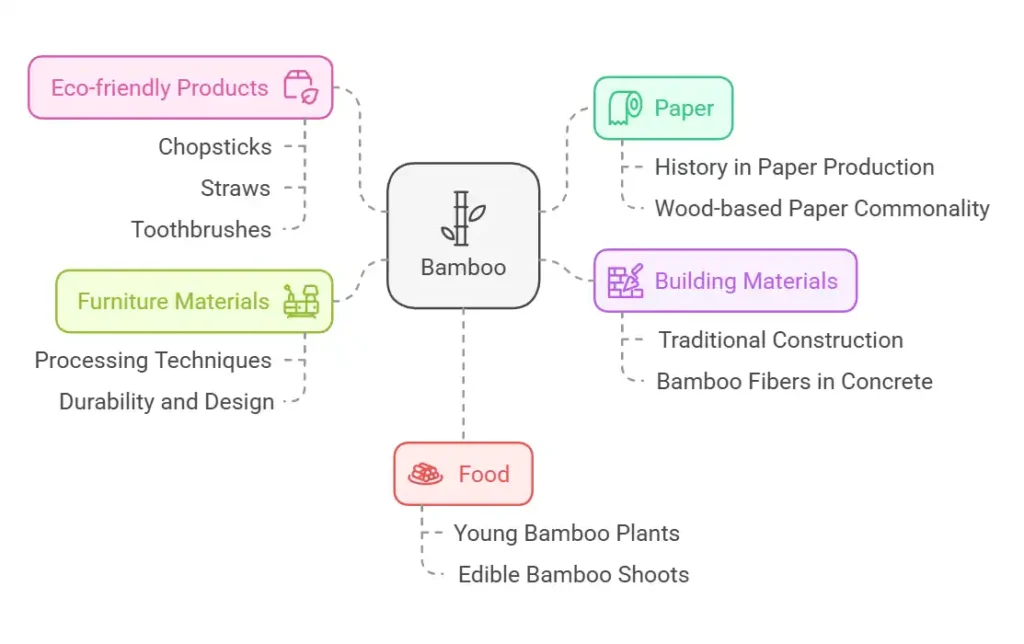
- 竹:
- 紙: 竹は紙の製造に使用されてきた歴史がありますが、現在では木質紙の方が一般的です。
- 建築資材: 竹は伝統的な建築物に使用されており、加工された竹繊維はコンクリートに使用できます。
- 家具の材質: 竹は丈夫な家具に加工できます。
- 環境に優しい製品: 竹は箸やストロー、歯ブラシなどに使われています。
- 食べ物: タケノコとして知られる若い竹は食用です。
サトウキビ繊維のカトラリーと竹繊維のカトラリー: 正しい選択をする
サトウキビ繊維の食器は、堆肥化性に優れているため、使い捨てまたは短期間の用途に適しています。竹製の食器は耐久性に優れていますが、堆肥化するのがより困難です。したがって、サトウキビ繊維の食器は、使用量が少ない場合や堆肥化が不可欠な用途に適しています。
潜在的な欠点とトレードオフへの対処
サトウキビと竹の両方の生産拡大に伴う潜在的な土地利用の変化と森林破壊を考慮することが重要です。集約農業が土壌と水資源に及ぼす影響にも対処する必要があります。
消費者および企業向けガイダンス
- 消費者へのヒント: サトウキビや竹製品を購入する場合は、持続可能な方法で管理された供給源からのものを優先してください。適切な再利用と堆肥化により、環境への影響を最小限に抑えることができます。
- ビジネスガイダンス: 持続可能な素材に移行する場合は、認められた持続可能性認証を持つ製品を優先的に調達してください。これらのメリットを消費者に効果的に伝えることで、市場での地位を高めることができます。
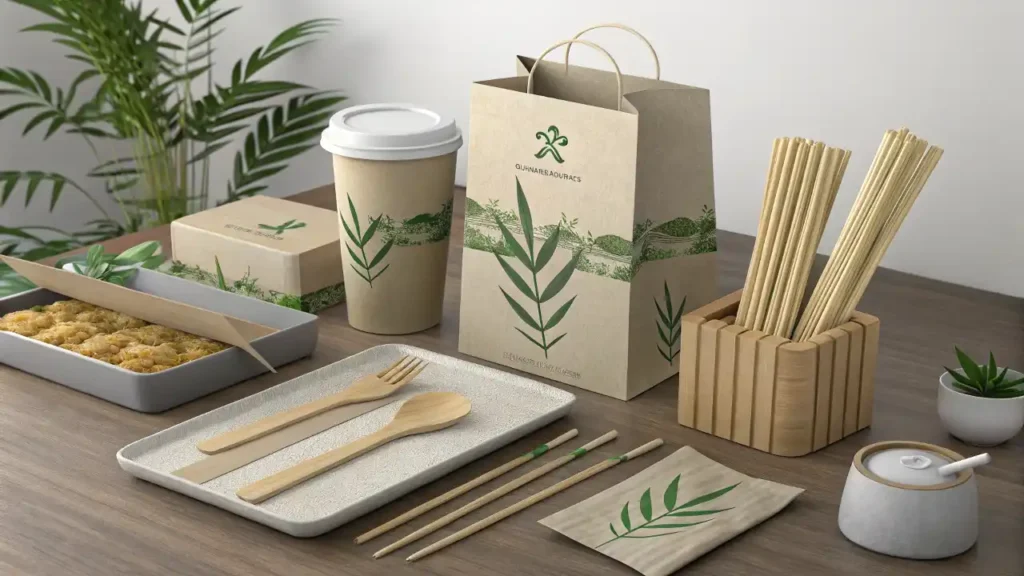
将来のトレンドとイノベーション
今後のトレンドには、新しい製品用途の探索、両方の材料の加工技術の強化、生産における資源効率の最大化などが含まれます。
結論
サトウキビと竹はどちらも、従来のプラスチックに代わる魅力的な持続可能な代替品を提供します。情報に基づいた選択を行い、循環経済への移行をサポートすることで、より持続可能な未来を促進することができます。
よくある質問 (FAQ)
- サトウキビと竹の主な違いは何ですか?
- サトウキビは短くて茎がしっかりしていますが、竹は高くて茎が中空です。サトウキビは 12 ~ 18 か月で収穫されますが、竹は収穫までに 2 ~ 3 年かかります。サトウキビは砂糖の生産に適しており、竹は建築材料として適しています。
- サトウキビと竹のどちらが環境に優しいのでしょうか?
- サトウキビは C4 植物として、二酸化炭素をより効率的に吸収します。どちらもプラスチックよりも環境に優しいです。
- サトウキビや竹製品が分解されるまでどのくらい時間がかかりますか?
- サトウキビ製品は堆肥化可能性が高く、比較的早く分解されます。炭化した竹は分解が遅くなります。
- サトウキビや竹製品は家庭で堆肥化できますか?
- はい、サトウキビ製品は家庭で堆肥化できます。竹が効果的に分解するには、より特殊な条件が必要な場合があります。
- サトウキビや竹製品はプラスチックと同じくらい耐久性がありますか?
- 竹は本来より耐久性に優れています。サトウキビを加工して、同様のレベルの靭性を達成することができます。
- サトウキビや竹から作られる製品は何ですか?
- サトウキビは砂糖、バイオエタノール、食品包装に使用されています。竹は建築材、家具、紙、環境に優しい製品などに使用されています。
- これらの製品を購入する際に確認すべき認証はありますか?
- はい、森林管理協議会 (FSC) などの竹の認証を探し、サトウキビが持続可能な方法で調達されていることを確認してください。
- これらの持続可能な素材の使用を促進するにはどうすればよいでしょうか?
- サトウキビや竹から作られた製品を選択し、その利点を宣伝し、持続可能性に取り組む企業をサポートします。
引用:
- https://firststopsuppliesdorset.co.uk/first-stop-news.php?newsID=83&article=Bamboo-vs.-Sugarcane.-Why-sugarcane-is-the-more-conscientious-choice
- https://foogogreen.com/blog/the-benefits-of-sugarcane-bagasse-food-packaging/
- https://renouvo.net/biomass-materials/sugarcane-vs-bamboo/
- https://vocal.media/education/sugar-cane-vs-bamboo-differences-benefits-and-products
- https://www.polytheneuk.co.uk/news/environment/sugar-cane-sustainable
- https://thesugarcanestraw.com/bamboo-vs-sugarcane-straws/
- https://www.tiboo.co.uk/blog/sugarcane-vs-bamboo-toilet-paper/
- https://greg.app/sugar-cane-benefits/
- https://ibambo.com/blog/bamboo-vs-bagasse/
- https://www.worldwildlife.org/projects/the-journey-to-sustainable-sugar-begins-here
- https://www.worldwildlife.org/industries/sugarcane