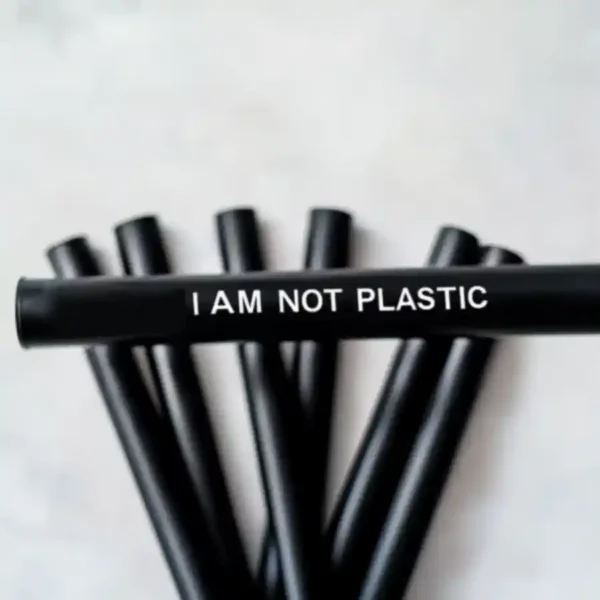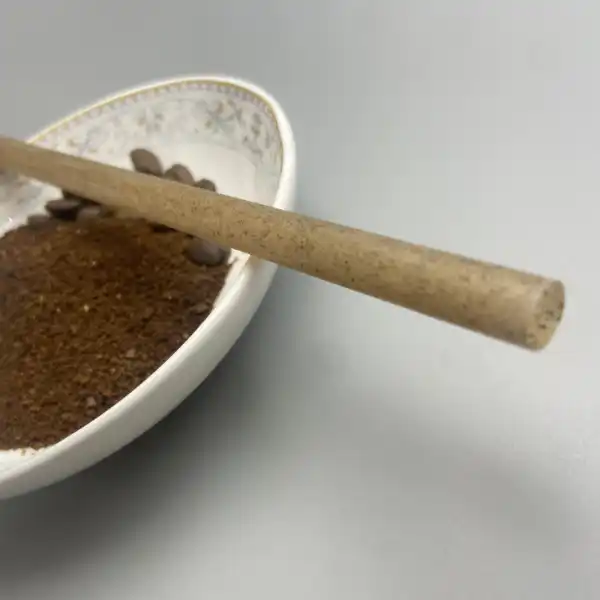
持続可能なストロー:環境に優しいブランドのトップ & 材料

企業や消費者が持続可能性を重視するようになるにつれ、使い捨てプラスチックストローは不必要な廃棄物の象徴となっています。 環境に配慮したブランドは、機能性と環境への責任のバランスをとった革新的な代替品を提供します。このガイドでは、ストロー市場を変革し、プラスチック汚染を削減する、持続可能なストローの主要ブランドと素材を紹介します。
持続可能なストローに切り替えるメリット
持続可能なストローに切り替えると、次のような多くの利点が得られます。
- プラスチック汚染の削減: プラスチック製のストロー廃棄物の膨大な量は驚異的です。米国だけでも毎日 5 億個以上が使用されており、海洋汚染と海洋生物への被害に大きく貢献しています。この汚染は何世紀にもわたって続き、マイクロプラスチックに分解されて生態系を汚染し、食物連鎖に侵入する可能性があります。長期的な環境への影響と、この問題の一因となるブランド イメージを考慮してください。 持続可能なストローを選ぶことは、よりクリーンな地球への一歩です。
- 生分解性: 持続可能なストローの代替品の多くは、何百年も持続するプラスチックとは異なり、自然に分解します。これにより埋め立ての負担が軽減され、環境への被害が最小限に抑えられます。ただし、各材料に必要な特定の生分解性の主張と堆肥化条件を確認することが重要です。竹や紙などの生分解性素材で作られたストローを探してください。
- ブランドの評判の向上: 環境に優しい取り組みを採用すると、ブランドイメージが向上し、環境に配慮した消費者にアピールします。持続可能性の価値観との整合により、新規顧客を引き付け、より強い顧客ロイヤルティを促進することができます。マーケティング資料で持続可能性への取り組みを強調し、このポジティブなブランドの関連付けを紹介します。 持続可能なストローを使用することは、環境に対する責任への取り組みを示しています。
- 規制遵守: Many cities and regions are enacting bans or restrictions on single-use plastics, including straws. Switching to sustainable alternatives ensures compliance with current and future regulations, avoiding potential fines and negative publicity. Proactive compliance demonstrates responsible business practices. Sustainable straws help you stay ahead of the curve.
素材別トップサステナブルストローブランド
This section categorizes sustainable straw brands based on material, highlighting their pros, cons, and ideal applications. Remember to thoroughly vet any supplier to ensure their sustainability claims are verifiable and meet your ethical standards. Choosing the right sustainable straw brand is crucial for your business and the environment.
1. Bamboo Straws
- Key Brands: Bambaw, ibambo, HAY! Straws
- 長所: Naturally antibacterial, reusable for months with proper cleaning, aesthetically pleasing.
- 短所: Requires diligent manual cleaning; not suitable for all beverages (e.g., thick smoothies may clog them).
- こんな方に最適: Cafés, bars, and restaurants serving smoothies, cocktails, or juices where reusability is feasible. Consider providing a cleaning brush with each straw for customer convenience.

2. Paper Straws
- Key Brands: Green Paper Products, Phade®
- 長所: Affordable, widely recyclable (although recyclability depends on local facilities).
- 短所: Can become soggy quickly, especially with prolonged contact with liquids; some contain PFAS (per- and polyfluoroalkyl substances) chemicals, raising health concerns. Choose brands that explicitly state they are PFAS-free.
- こんな方に最適: Single-use events or fast-food chains where cost and ease of disposal are prioritized. However, carefully evaluate the environmental impact of paper straw production and disposal. Look for eco-friendly paper straws.

3. Stainless Steel & 金属ストロー
- Key Brands: OXO Good Grips, Stainless Steel Straw Co.
- 長所: Durable, reusable, and a sustainable alternative to plastic straws.
- 短所: Can be more expensive upfront; require regular cleaning.
- こんな方に最適: Consumers looking for a long-lasting, reusable option. Metal straws are a great sustainable choice.
持続可能なストローのオプション: 包括的なガイド
Choosing sustainable straws is a significant step towards reducing plastic waste and protecting our environment. This guide explores various eco-friendly alternatives to traditional plastic straws, highlighting their pros, cons, and best applications. We’ll delve into the specifics of each type, helping you make an informed decision based on your needs and preferences. From durable stainless steel straws to compostable plant-based options, there’s a perfect sustainable straw solution for everyone.
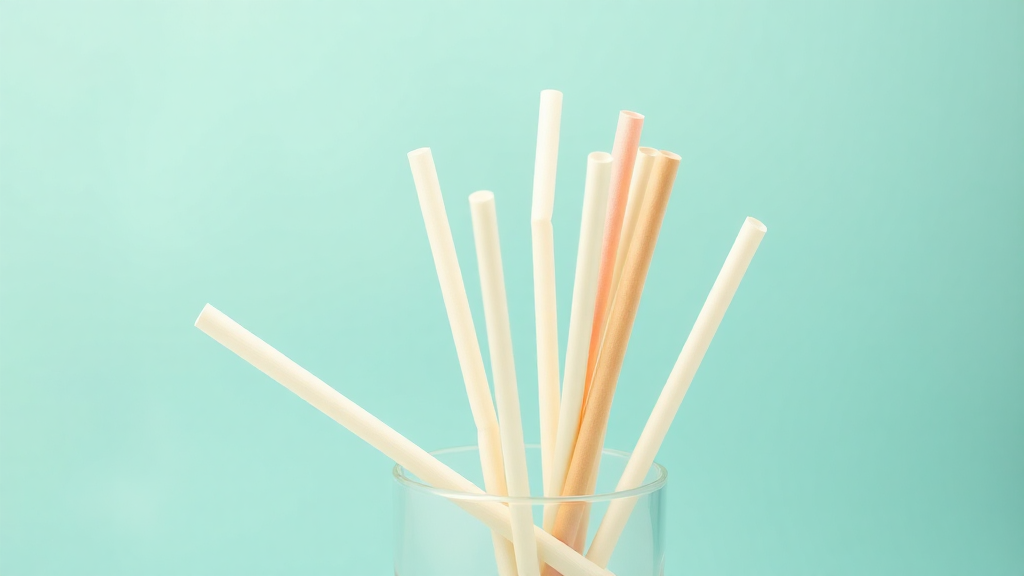
Stainless Steel Straws: Durability and Longevity
- Key Brands: FinalStraw, Klean Kanteen
- 長所: Durable, reusable for a lifetime, dishwasher-safe, resistant to sogginess.
- 短所: Can conduct heat, potentially altering drink temperature; may require a cleaning brush for thorough cleaning.
- こんな方に最適: Reusable kits for coffee shops, travel mugs, or individual consumers prioritizing durability and long-term cost savings. Offer cleaning instructions and brushes to encourage proper hygiene.
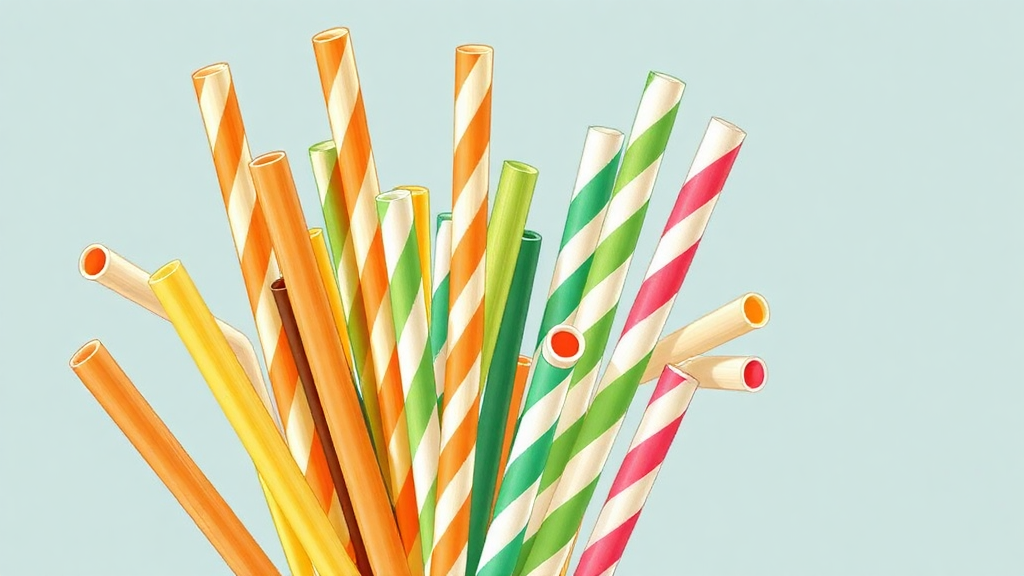
Silicone Straws: Soft and Flexible
- Key Brands: Flathead Products, GIR
- 長所: Soft, flexible, kid-friendly, suitable for tumblers and various cups.
- 短所: Not biodegradable; some silicone products may contain BPA (Bisphenol A) – check for BPA-free certifications.
- こんな方に最適: Families, schools, or settings where safety and flexibility are paramount. Clearly communicate the material composition and any relevant certifications to address consumer concerns.
Glass Straws: Elegant and Easy to Clean
- Key Brands: Hiware, Simply Straws
- 長所: Transparent for easy cleaning, elegant aesthetics.
- 短所: Fragile, not suitable for high-traffic venues or environments with risk of breakage.
- こんな方に最適: Upscale restaurants, home use, or settings where breakage is minimal. Consider offering protective carrying cases to enhance durability.
Plant-Based Compostable Straws: Eco-Friendly Choice
- Key Brands: EQUO, Sulapac, Renouvo
- Materials: Sugarcane bagasse, rice starch, fermented coconut water, and other plant-based materials.
- 長所: Home-compostable in optimal conditions; withstand hot and cold drinks without becoming soggy.
- こんな方に最適: Zero-waste businesses, eco-conscious consumers, and settings where home composting is accessible. Clearly communicate composting instructions to ensure proper disposal. Consider offering a compostable carrying case.
持続可能なストロー素材の比較
| 材料 | 耐久性 | Cost per Unit (USD) | 生分解性 | 温度耐性 | 再利用性 | ノート |
|---|---|---|---|---|---|---|
| 竹 | 高い | $0.10 – $0.30 | はい | 素晴らしい | Reusable (years) | Durable, aesthetically pleasing; responsible sourcing is crucial for sustainability. |
| サトウキビ | 適度 | $0.01 – $0.05 | はい | 素晴らしい | Single-use | Cost-effective, widely available; ensure compostable certification for truly sustainable straws. |
| PLA(ポリ乳酸) | 適度 | $0.05 – $0.15 | Biodegradable (check specific material) | 良い | Single-use | Compostable under industrial conditions; avoid disposal in regular waste. |
| プラスチック | 低い | Relatively inexpensive (initially) | 非生分解性 | 良い | Single-use | Contributes significantly to plastic pollution; avoid for sustainable practices. |
Choosing sustainable straws is a significant step towards reducing plastic waste and promoting environmental responsibility. The table above compares various straw materials, highlighting their biodegradability, cost, and durability. Consider the long-term environmental impact when selecting straws for your business.
Remember to factor in the reusability and temperature resistance of each material to ensure they meet your specific needs. For example, bamboo straws are highly durable and reusable, while sugarcane straws are a more cost-effective single-use option. Always prioritize straws made from sustainable and responsibly sourced materials.
| ステンレス鋼 | 非常に高い |
Additional Considerations for Sustainable Straws
- Durability varies by material (high for some)
- Generally single-use, except for reusable options
- Reusable (bamboo, metal) or compostable options available
- Increasingly subject to bans and restrictions on plastic straws
- Often compliant with existing environmental regulations
持続可能なストローのオプション: 比較
Choosing sustainable straws is a crucial step towards reducing plastic waste. Bamboo and sugarcane straws offer eco-friendly alternatives to traditional plastic straws, each with its own advantages. Stainless steel straws provide a durable and reusable option.

Frequently Asked Questions About Sustainable Straws for Businesses
持続可能なストローで環境に優しい実践を強調
Highlighting your eco-friendly practices can attract environmentally conscious customers and enhance your brand image. Consider using visually appealing designs on your sustainable straws to reinforce your message.
最終的な考えと行動喚起
Switching to sustainable straws is not just an environmentally responsible choice; it’s a strategic move that aligns with growing consumer demand for eco-conscious products. By choosing options like sugarcane or bamboo straws, businesses can balance cost-effectiveness with environmental responsibility, enhancing their brand reputation and attracting customers who value sustainability. The initial investment in sustainable straws is offset by long-term cost savings and the significant positive impact on your brand image.
Request Free Samples Today! Contact EQUO or Green Paper Products to explore top-rated compostable straw brands, receive tailored bulk pricing, and request sample kits to test which option best suits your business needs. Consider conducting a trial period with different types of straws to determine which material best fits your customer preferences and operational needs. Remember to factor in storage and cleaning requirements if choosing reusable options.
ケーススタディと実用的な洞察
Case Study 1: Starbucks’ Transition to Paper Straws
In 2018, Starbucks announced its global initiative to eliminate plastic straws by 2020, replacing them with paper straws and sippy cup lids. This initiative, aligning with their sustainability goals, resonated strongly with their environmentally conscious customer base. By 2021, Starbucks reported a reduction exceeding 1 billion plastic straws annually, demonstrating the significant environmental impact achievable through large-scale adoption of sustainable alternatives. This success underscores the potential for substantial positive change when major corporations prioritize eco-friendly practices. The transition, while initially met with some customer resistance due to the perceived inferiority of paper straws, ultimately proved successful due to Starbucks’ strong brand reputation and commitment to sustainability.
Case Study 2: A Local Café’s Success with Sugarcane Straws
A small café in Portland, Oregon, implemented a switch to sugarcane straws in 2022, resulting in a remarkable 20% increase in customer satisfaction scores. The café strategically leveraged social media to market this change, highlighting the straws’ compostability and the support of sustainable agriculture. This proactive communication not only reduced their environmental footprint but also attracted a new customer segment prioritizing eco-friendly businesses. The success of this local café demonstrates that even small businesses can achieve significant positive impacts through environmentally responsible choices and effective marketing. The café’s experience highlights the importance of transparency and engaging with customers on sustainability initiatives.
ビジネスのための実用的な洞察
- Educate Your Customers: Implement a comprehensive communication strategy. Utilize signage, social media campaigns, menu inserts, and even in-person staff training to clearly articulate the environmental benefits of your chosen sustainable straws. Transparency fosters trust and strengthens customer loyalty. For example, visually appealing infographics explaining the lifecycle of your chosen straw compared to plastic can be very effective.
- Offer Straws on Request: Proactively reducing default straw usage significantly cuts costs and minimizes waste. Communicate this policy clearly.
持続可能なストローのオプション: 包括的なガイド
Choosing sustainable straws is a crucial step towards reducing plastic waste and minimizing your environmental impact. This guide explores various sustainable straw options, highlighting their benefits and drawbacks to help you make informed decisions. From bamboo and sugarcane to stainless steel and silicone, we’ll examine the durability, cost, and environmental impact of each type of eco-friendly straw.
Consider factors like durability, cost, and compostability when selecting sustainable straws for your business or personal use. Remember that even small changes can make a significant difference in reducing plastic pollution and promoting a greener future. The shift towards sustainable straws is not just an environmental responsibility; it’s also a smart business decision, aligning with growing consumer demand for eco-conscious products.
The choice of sustainable straw will depend on your specific needs and priorities. Factors to consider include the intended use (single-use vs. reusable), cost, and the overall environmental impact of the material and manufacturing process.
拡張比較表: 持続可能なストローのオプション
| 特徴 | プラスチックストロー | 竹ストロー | サトウキビストロー | ステンレスストロー | シリコンストロー | ガラスストロー |
|---|---|---|---|---|---|---|
| 耐久性 | Single-use | Reusable (6+ months) | Single-use | Reusable (years) | Reusable (years) | Reusable (years) |
| ユニットあたりのコスト | $0.01 | $0.25 – $0.50 | $0.10 – $0.20 | $1.00 – $3.00 | $2.00 – $5.00 | $2.00 – $5.00 |
| 堆肥化可能性 | いいえ | Potentially compostable | Potentially compostable | いいえ | いいえ | いいえ |
持続可能なストローのオプション: コストの比較
Choosing sustainable straws is crucial for reducing plastic waste. This comparison explores various eco-friendly straw materials, highlighting their costs and environmental impact. Let’s delve into the specifics of sustainable straws and their cost-effectiveness.
Many people are switching to sustainable alternatives like bamboo and paper straws. These options offer a more environmentally friendly choice compared to traditional plastic straws.
The cost of sustainable straws varies depending on the material and supplier. However, the long-term environmental benefits often outweigh the initial cost difference.
Consider the long-term environmental impact when choosing between plastic and sustainable straws. Reducing plastic straw usage contributes significantly to a cleaner planet.
Remember to consider factors like reusability and biodegradability when selecting your straws. Sustainable straws are a step towards a greener future.
Sustainable Straw Considerations
持続可能なストロー素材の比較
| 材料 | 料金 | 堆肥化可能 | 耐熱性 | Common Uses | ノート |
|---|---|---|---|---|---|
| Polystyrene (PS) | $0.10–$0.30 | いいえ | 全て | General purpose, inexpensive applications | Not environmentally friendly; potential health concerns with leaching chemicals. Avoid hot liquids. Consider sustainable alternatives like paper or bamboo straws. |
| PLA(ポリ乳酸) | $0.02–$0.05 | はい | 全て | Smoothies, cocktails, zero-waste events | Compostable under industrial conditions; may not break down in home composting. A good sustainable straw option. |
| Paper (Compostable) | $1–$3 | はい | 全て | Zero-waste events, eco-conscious businesses | Price varies greatly depending on quality and features (e.g., coating, print). Requires proper disposal for composting. A popular sustainable straw choice. |
| Polypropylene (PP) | $0.50–$1.50 | いいえ | Conducts heat | Travel mugs (with sleeve), some food service | Reusable options are more sustainable. Consider double-walled designs for hot beverages. While not a sustainable straw material itself, reusable PP straws are better than single-use plastic straws. |
| Paper (Non-Compostable) | $2–$5 | いいえ | 全て | Limited use | Often coated with non-compostable materials. Not a sustainable straw option. |
| 竹 | $0.15-$0.50 | はい | 全て | Drinks, smoothies | A durable and sustainable straw alternative. |
| 金属 | $1-$5 | いいえ | 全て | Drinks, smoothies | Reusable and sustainable, but requires cleaning. |
| ガラス | $2-$10 | いいえ | 全て | Drinks, smoothies | Reusable and sustainable, but fragile and requires cleaning. |
| 全て | Families, schools, high-volume events | Lacks the eco-friendly credentials of compostable options. |
持続可能なストローのコストと持続可能性
| $2–$5 | いいえ | 全て | Upscale dining, reusable applications | Highest upfront cost, but reusable and sustainable over the long term. Fragile and requires careful handling. |
Actionable Insights: Choosing Sustainable Straws
-
ストローの環境影響
Prioritize biodegradable and compostable straws (PLA and compostable paper) to minimize your environmental footprint. Consider the entire lifecycle of the straw, including manufacturing, transportation, and disposal.
-
Cost Optimization for Sustainable Straws
While PLA and compostable paper straws initially cost more, the environmental and potential brand image benefits often outweigh the higher price, especially for businesses focused on sustainability. Bulk purchasing can help reduce per-unit costs.
-
Matching Straws to Applications
Carefully select the straw material based on its intended use. For example, avoid plastic straws for hot beverages.
-
Branding and Marketing with Sustainable Straws
Eco-friendly choices can be a significant marketing advantage, attracting environmentally conscious customers. Highlight the sustainable aspects of your chosen straw material in your marketing materials.
-
Long-Term Savings with Reusable Straws
Investing in reusable straws (metal or bamboo) may seem expensive upfront, but they offer significant cost savings over time, especially for businesses with high volume usage, and are clearly a more sustainable option.
Examples of Sustainable Straw Choices
A café aiming for a sustainable image might opt for compostable paper straws, despite the higher cost, to align with their brand values and attract environmentally conscious customers. A large-scale event might choose PLA straws for their biodegradability and ease of disposal, balancing cost with environmental responsibility. A fast-food chain focused on cost-efficiency might stick with plastic straws (while acknowledging the environmental cost), but should examine the long-term costs of disposal and brand image.
サトウキビのストローについてよくある質問
Q: Why Choose Sugarcane Straws?
Sugarcane straws are a compelling option due to their sustainability and functionality. They are made from bagasse, a byproduct of sugar production, minimizing agricultural waste and reducing the need for new resources. These straws biodegrade within 3–6 months in home compost systems, a significant contrast to the centuries-long lifespan of plastic straws. Furthermore, they retain rigidity in both hot (up to 85°C) and cold beverages for extended periods and are available in various diameters to accommodate different beverages, including boba tea. Bulk purchasing also offers competitive pricing, often comparable to or even less expensive than plastic alternatives, making them a financially viable sustainable choice.
Q: How do sustainable straws compare to plastic straws?
Sustainable straws offer a significantly lower environmental impact compared to plastic straws. While plastic straws contribute to high pollution and have a very long decomposition time, sustainable alternatives like sugarcane straws are biodegradable or recyclable, minimizing their environmental footprint. This makes them a responsible and eco-conscious choice for both consumers and businesses.
Q: What are the most sustainable straw options?
Bamboo and sugarcane straws are generally considered the most sustainable options, offering excellent biodegradability and often being produced from renewable resources.
Q: How can I ensure my straws are truly sustainable?
Look for certifications that verify compostability and responsible sourcing. Transparency from your supplier regarding the materials and manufacturing process is also key.
Q: Are eco-friendly straws more expensive than plastic straws?
While the initial cost of sustainable straws (e.g., $0.05 for sugarcane vs. $0.01 for plastic) might seem higher, the long-term cost savings and positive brand image often outweigh this. Bulk purchasing significantly reduces the per-unit cost, making them increasingly competitive. For example, purchasing 10,000 sugarcane straws could reduce the cost to $0.01-$0.02 per straw, comparable to plastic but with the added benefit of sustainability.
Q: Do biodegradable straws perform as well as plastic straws?
Yes, many sustainable options, such as sugarcane bagasse and bamboo, offer comparable or even superior performance to plastic straws. They maintain their structural integrity, resisting breakage and ensuring a pleasant drinking experience. Unlike paper straws, they don’t get soggy quickly and won’t affect the taste of your beverages.
Q: Where can I buy bulk sustainable straws?
Several reputable suppliers offer wholesale pricing and bulk discounts to businesses. EQUO and Green Paper Products are examples of companies catering to restaurants and businesses needing 10,000+ units monthly. Explore their websites or contact them directly for pricing and minimum order quantities. Consider local suppliers to reduce your carbon footprint from transportation.
Q: What certifications should I look for in sustainable straws?
To ensure authenticity and compliance with sustainability standards, look for certifications such as the Biodegradable Products Institute (BPI) certification, OK Compost HOME, or Forest Stewardship Council (FSC) certification for sustainably sourced materials. These certifications verify the product’s biodegradability or responsible sourcing, assuring your customers and enhancing your brand’s credibility.
Q: How can restaurants promote sustainable straw use?
Proactively reduce straw consumption by offering them only upon request. Clearly communicate your commitment to sustainability through menu inserts, table tents, or signage explaining the environmental benefits of sustainable straws.
Q: What are the benefits of using sustainable straws?
Sustainable straws offer numerous benefits, including reducing plastic waste, minimizing environmental impact, and aligning with growing consumer demand for eco-friendly products. They also often present opportunities for improved brand image and increased customer loyalty.
Q: What types of sustainable straws are available?
A wide variety of sustainable straws are available, including bamboo, sugarcane, stainless steel, silicone, and glass straws. Each type offers unique benefits in terms of durability, cost, and compostability.
Q: What are the most common sustainable straw materials?
A: Common sustainable straw materials include bamboo, paper, and stainless steel. Each offers unique benefits and drawbacks in terms of cost, durability, and environmental impact.
Q: How much more expensive are sustainable straws compared to plastic straws?
A: The price difference varies. While sustainable straws might have a higher upfront cost, the environmental benefits and reduced plastic waste make them a worthwhile investment.
Q: What are the most sustainable straw options?
The most sustainable straw options are generally compostable straws made from materials like PLA or paper, and reusable straws made from bamboo, metal, or glass.
Q: How can I reduce my plastic straw consumption?
Reduce your plastic straw consumption by using reusable straws, opting for drinks without straws, or choosing establishments that offer sustainable alternatives.
Q: Are paper straws always compostable?
No, not all paper straws are compostable. Check the packaging to ensure they are certified compostable and disposed of properly.