Introduction: Understanding the Importance of Eco-Friendly Straws
Exploring the Environmental Impact of Single-Use Plastic Straws
Single-use plastic straws have become a significant environmental problem. They are often used for a few minutes but take hundreds of years to decompose. As a result, they contribute to the growing issue of plastic pollution, harming wildlife and marine ecosystems. Understanding this impact is crucial for motivating individuals and businesses to switch to eco-friendly alternatives.
The Rise of Plastic Pollution and its Consequences
Plastic straws are among the top items found during beach cleanups, indicating their prevalence in our waste streams. They break down into microplastics, which can be ingested by marine animals, leading to injury or death. This pollution also affects human health as microplastics enter the food chain.
Public Awareness and Shifting Consumer Behavior Towards Sustainability
Increasing awareness of plastic pollution has led to a shift in consumer behavior. More people are seeking sustainable alternatives, and businesses are responding by offering eco-friendly products. This growing demand is driving innovation and the development of various sustainable straw options.

Embracing Eco-Friendly Alternatives: The Role of Sustainable Straws
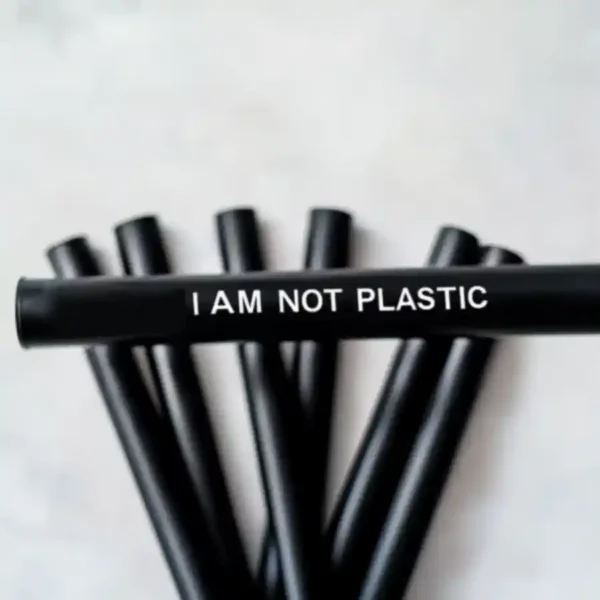
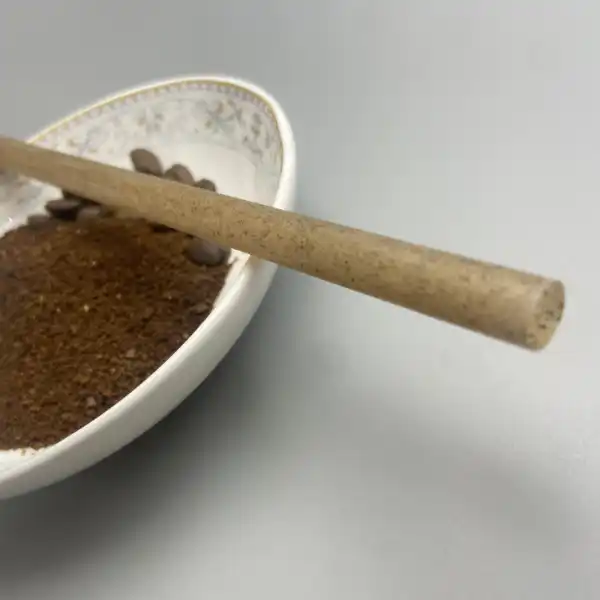
Eco-friendly straws play a vital role in reducing plastic waste. By choosing sustainable materials, individuals and businesses can significantly lower their environmental footprint. These straws are designed to be biodegradable, reusable, or even edible, providing multiple options for different needs and preferences.
Benefits of Adopting Eco-Friendly Straw Options
Switching to eco-friendly straws helps reduce plastic waste, protect marine life, and promote a culture of sustainability. It also supports the market for green products, encouraging further innovation and availability.
Trends in Eco-Conscious Consumer Choices
Consumers are increasingly prioritizing products that align with their values. This trend is evident in the growing market for eco-friendly products, including sustainable straws. Businesses that adopt and promote these products can attract and retain environmentally conscious customers.

環境に優しいストローを選ぶ理由: 利点とオプション
環境に優しいストローの環境上の利点
環境に優しいストローは、従来のプラスチック製のストローに比べて、環境上の利点がいくつかあります。これらは、海洋や埋め立て地に行き着くプラスチック廃棄物の量を減らし、海洋生物や生態系への被害を最小限に抑えるのに役立ちます。竹、ステンレス鋼、ガラス、シリコン、紙などの持続可能な素材を選択することで、個人は罪悪感なく好きな飲み物を楽しみながら環境保護に貢献できます。
環境に優しいストロー素材の種類
- 竹ストロー: 天然の竹繊維で作られたストローは生分解性、再生可能、耐久性に優れています。素朴な魅力があり、温かい飲み物にも冷たい飲み物にも最適です。
- ステンレスストロー: 耐久性と再利用性で知られるステンレス製ストローは、長期使用に最適です。お手入れが簡単で食器洗い機に対応しており、さまざまな飲み物の種類に合わせてさまざまな長さと直径をご用意しています。
- ガラスストロー: エレガントでスタイリッシュなガラス製ストローは、プラスチックに代わる洗練された代替品です。毒性がなく、掃除が簡単で、汚れや臭いが残りにくいです。さらに、コーヒーや紅茶などの温かい飲み物にも安全です。
- シリコンストロー: 柔軟で柔らかい手触りのシリコンストローは、歯が敏感な方やお子様にも最適です。食洗機対応で耐熱性があり、折りたたんだり曲げたりできるので、保管や持ち運びに便利です。
- 紙ストロー: 堆肥化可能で使い捨て可能な紙ストローは、使い捨て用途に持続可能なソリューションを提供します。さまざまなカラーやデザインが揃っているので、パーティーやイベント、おもてなしのシーンなどに最適です。
- 食用ストロー: 米、小麦、パスタなどの食用素材から作られた食用ストローは、廃棄物を出さずにドリンクを楽しむ革新的な楽しみ方を提供します。通常、カリカリとした生分解性があり、ユニークな飲酒体験を提供します。

FAQ: 環境に優しいストローに関する一般的な懸念への対処
- 環境に優しいストローに最適な素材は何ですか?
- 最適な素材は個人の好みやニーズによって異なります。耐久性と再利用性により、竹、ステンレス鋼、ガラス、シリコンが人気の選択肢です。
- 環境に優しいストローの掃除とメンテナンスはどのようにすればよいですか?
- ほとんどの環境に優しいストローは食器洗い機に対応しているか、ブラシと石鹸水で簡単に掃除できます。カビや細菌の繁殖を防ぐために、洗濯後は完全に乾燥させることが重要です。
- 環境に優しいストロー素材に健康上の懸念はありますか?
- 環境に優しいストロー素材は通常、安全に使用できます。ただし、特定のアレルギーを持つ人は、特に竹や小麦ベースのストローを使用する場合は注意が必要です。
- 環境に優しいストローを大量に購入できる場所はどこですか?
- 環境に優しいストローは、持続可能な製品を専門とするさまざまな小売店を通じてオンラインで購入できます。さらに、地元の環境に優しい店や廃棄物ゼロ店がそれらを大量に扱っている場合もあります。
- 環境に優しいストローとプラスチック製ストローのコストの違いは何ですか?
- 環境に優しいストローは初期費用が高いかもしれませんが、長期的な耐久性と再利用性により、使い捨てのプラスチック製ストローと比較して経済的な選択肢となることがよくあります。
- 企業はどのようにして環境に優しいストローの使用に移行できるでしょうか?
- 企業は、持続可能な代替品を調達し、その利点について顧客に教育し、再利用可能なオプションを使用するためのインセンティブを提供することで、環境に優しいストローに移行できます。
- 環境に優しいストロー製品に対する規制や認証はありますか?
- 環境に優しいストローメーカーの中には、認証を取得している場合や、持続可能性や環境への影響に関する特定の規制に準拠している場合があります。消費者は環境に優しいストローを購入する際、「堆肥化可能」、「生分解性」、「FDA 承認」などのラベルを探すことができます。

Benefits of Using Eco-Friendly Straws in Various Settings
Eco-Friendly Straws for Individuals
Enhancing Personal Sustainability Practices
Using eco-friendly straws is a simple yet effective way for individuals to enhance their personal sustainability practices. By incorporating these straws into daily routines, people can significantly reduce their plastic waste and contribute to a cleaner environment.
Making Conscious Choices for a Greener Lifestyle
Adopting eco-friendly straws encourages individuals to make more conscious choices in other areas of their lives. This small change can lead to broader environmental awareness and a greater commitment to sustainability.
Eco-Friendly Straws for Businesses
Meeting Corporate Social Responsibility Goals
Businesses can use eco-friendly straws to meet their corporate social responsibility (CSR) goals. By offering sustainable alternatives, companies demonstrate their commitment to environmental stewardship, which can enhance their reputation and customer loyalty.
Appealing to Environmentally-Conscious Customers
Offering eco-friendly straws can attract environmentally-conscious customers. These consumers are more likely to support businesses that align with their values, leading to increased customer satisfaction and loyalty.
Eco-Friendly Straws for Events and Hospitality
Reducing Environmental Footprint at Parties and Gatherings
Eco-friendly straws are perfect for events and hospitality settings, where single-use plastic straws are commonly used. By switching to sustainable alternatives, event organizers can significantly reduce their environmental footprint and promote a green message.
Providing Sustainable Options for Guests and Clients
Offering eco-friendly straws in hospitality settings, such as hotels and restaurants, provides guests with sustainable options and enhances the establishment’s eco-friendly image. This practice can also educate clients about the importance of sustainability.

Making the Switch: Practical Tips for Choosing Eco-Friendly Straws
Assessing Personal Preferences and Needs
Identifying Key Factors: Durability, Reusability, and Aesthetics
When choosing eco-friendly straws, it’s important to consider factors such as durability, reusability, and aesthetics. Different materials offer various benefits, so selecting the right type depends on personal preferences and intended use.
Considering Practicality: On-the-Go Use and Cleaning Requirements
For those who are always on the go, portable and easy-to-clean options like stainless steel or silicone straws might be the best choice. These materials are convenient for travel and daily use.
Exploring Product Options and Availability
Researching Brands and Suppliers
Researching brands and suppliers is crucial to finding high-quality eco-friendly straws. Look for companies that prioritize sustainability and transparency in their production processes.
Reading Reviews and Comparing Features
Reading reviews and comparing features can help in making an informed decision. Customer feedback provides insights into the practicality, durability, and overall satisfaction with different types of straws.
Implementing Eco-Friendly Practices in Daily Life
Incorporating Eco-Friendly Straws into Daily Routines
Incorporating eco-friendly straws into daily routines is a simple step towards a more sustainable lifestyle. Keep a set of reusable straws at home, in the car, or in your bag to ensure you always have an eco-friendly option on hand.
Spreading Awareness and Encouraging Others to Make the Switch
Educating friends, family, and colleagues about the benefits of eco-friendly straws can help spread awareness and encourage others to make the switch. Sharing personal experiences and recommendations can be particularly effective.

Environmental Impact and Sustainability: Beyond Eco-Friendly Straws
Understanding the Lifecycle of Eco-Friendly Products
Manufacturing Processes and Resource Consumption
Understanding the lifecycle of eco-friendly products involves considering their manufacturing processes and resource consumption. Sustainable products should minimize environmental impact throughout their lifecycle, from production to disposal.
End-of-Life Disposal and Decomposition
The end-of-life disposal and decomposition of eco-friendly straws are crucial factors in their sustainability. Compostable and biodegradable materials are preferred as they break down naturally and do not contribute to long-term pollution.
Advocating for Sustainable Practices Beyond Straw Usage
Supporting Legislation and Policy Changes
Advocating for sustainable practices involves supporting legislation and policy changes that promote environmental protection. This can include regulations on single-use plastics and incentives for using eco-friendly products.
Participating in Community Clean-Up Efforts and Conservation Initiatives
Participating in community clean-up efforts and conservation initiatives can make a significant difference in protecting the environment. These activities raise awareness, reduce pollution, and foster a sense of community responsibility.