導入
持続可能性を世界的に追求する中で、堆肥化可能な材料の役割はますます重要になっています。これらの材料を正しく処分すれば、廃棄物の削減と循環経済の促進に大きく貢献できます。この包括的なガイドでは、堆肥化可能な材料の重要性、その利点、持続可能性への影響について説明します。
堆肥化可能性を解読する
堆肥化可能な物質とは、特定の時間枠内で堆肥条件下で分解され、栄養豊富な土壌に変化する物質です[^1^]。このプロセスは、土壌を必ずしも豊かにすることなく、時間の経過とともに単に小さな破片に分解するだけの生分解性物質とは区別されます[^2^]。
堆肥化可能な材料の一般的な例には、生ごみ、庭の廃棄物、紙、堆肥化可能なプラスチックなどの特定の種類の包装材が含まれます[^3^]。
堆肥化可能な材料の環境上の利点
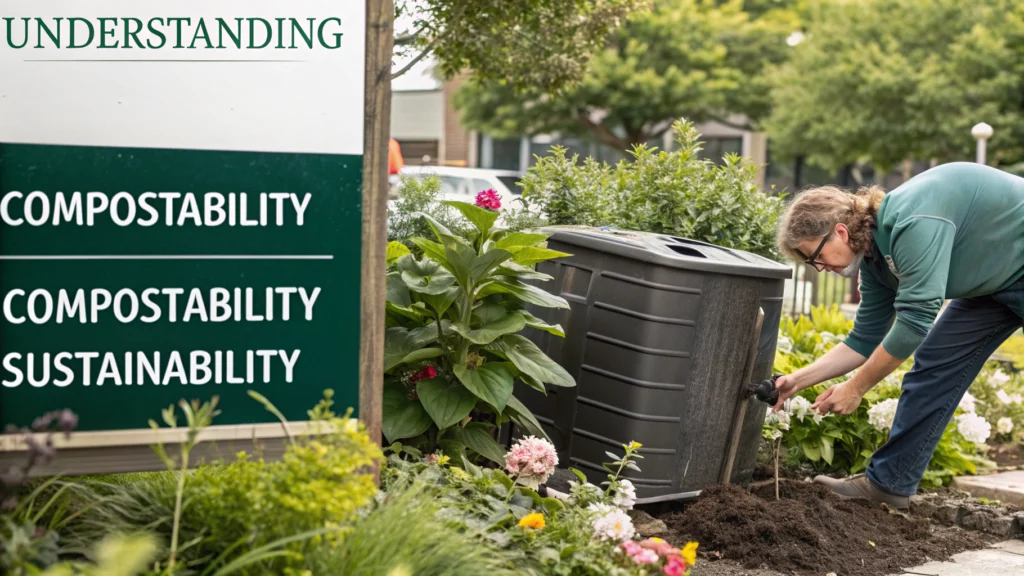
堆肥化可能な材料は環境に大きなメリットをもたらします。これらは埋め立て廃棄物の削減と、強力な温室効果ガスであるメタンの排出の抑制に役立ちます[^4^]。さらに、堆肥化可能な材料は、廃棄物を貴重な資源に変換し、土壌を豊かにし、植物の成長をサポートすることで循環経済を促進します[^5^]。
堆肥化: 詳細なプロセス
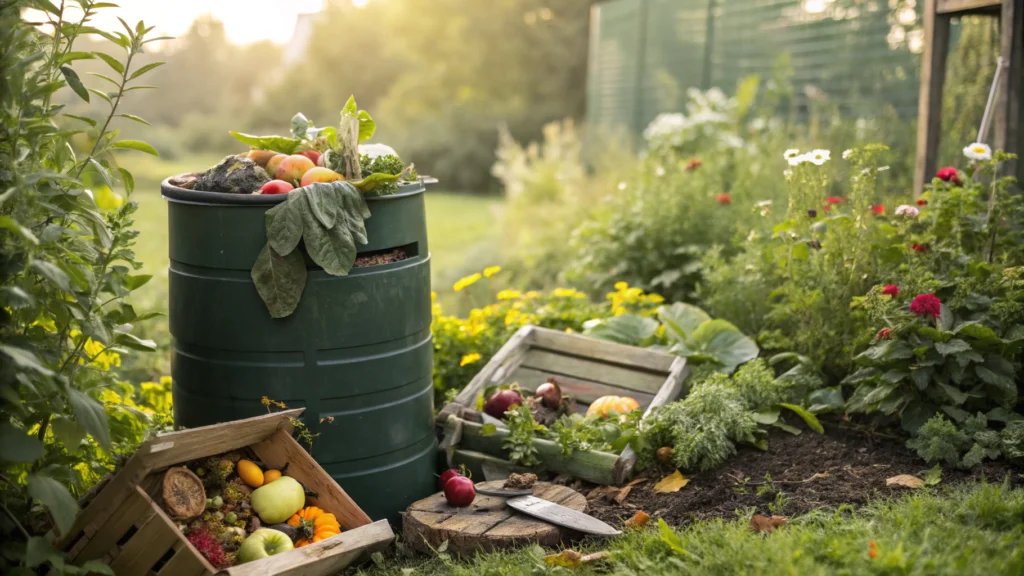
堆肥化は、制御された条件下で微生物による有機材料の分解を伴うプロセスです。それは家庭でも産業規模でも実行できます[^6^]。家庭用堆肥化は生ごみや庭の廃棄物に最適ですが、工業用堆肥化では、堆肥化可能な包装など、より大量の、より広範囲の材料を管理できます[^7^]。
堆肥化可能な廃棄物の適切な処分は不可欠です。堆肥化不可能な廃棄物から隔離し、専用の堆肥箱または施設で処分するのが理想的です[^8^]。
堆肥化可能な製品とその認証
典型的な堆肥化可能な製品には、食品サービス用の食器、袋、包装などが含まれます。製品が主張どおりに堆肥化できることを確認するには、米国の BPI (生分解性製品協会) 認証など、堆肥化可能な認証を検証することが重要です[^9^]。
堆肥化可能な材料の採用における課題
堆肥化可能な材料には多くの利点があるにもかかわらず、採用にはハードルがあります。消費者や企業は、堆肥化施設へのアクセスの制限や、堆肥化可能性と生分解性の混同などの問題に直面することがよくあります[^10^]。堆肥化可能な材料についての誤解や誤った情報は、その幅広い利用を促進するために対処する必要があります[^11^]。
堆肥化可能な材料の進歩における企業の役割
NatureBioEco のような企業は、堆肥化可能な材料の推進の最前線に立っています。持続可能性における企業の責任は最も重要であり、企業は堆肥化可能な材料を採用し、提唱することで多大な貢献をすることができます。
結論
堆肥化可能な材料の採用と適切な処分は、廃棄物の削減から循環経済の促進まで、環境に多大なメリットをもたらします。私たちは皆さんに、堆肥化可能な材料と実践を日常生活に組み込むことを検討することを強くお勧めします。
よくある質問
- 「堆肥化可能」とはどういう意味ですか?
堆肥化可能な材料とは、堆肥条件で分解して栄養豊富な土壌を形成できる材料です。 - 堆肥化可能と生分解性はどう違うのですか?
生分解性材料は時間の経過とともに小さな破片に分解されますが、必ずしも土壌を豊かにするわけではありません。堆肥化可能な材料は、堆肥条件下で栄養豊富な土壌に分解されます。 - 堆肥化可能な材料を使用する利点は何ですか?
堆肥化可能な材料は、廃棄物を貴重な資源に変えることで埋め立て廃棄物の削減、温室効果ガスの排出量の削減、循環経済への貢献に役立ちます。 - 堆肥化可能な廃棄物を適切に処理するにはどうすればよいですか?
堆肥化可能な廃棄物は、堆肥化不可能な廃棄物から分離し、専用の堆肥箱または施設で処分する必要があります。 - どのような製品が堆肥化可能と考えられていますか?
生ゴミ、庭の廃棄物、紙、堆肥化可能なプラスチックなどの特定の種類の梱包材は堆肥化可能です。 - すべての種類の堆肥化可能な材料が堆肥化に適していますか?
すべての堆肥化可能な材料が家庭での堆肥化に適しているわけではありません。堆肥化可能なプラスチックのように、産業用堆肥化施設が必要なものもあります。 - 製品が本当に堆肥化可能であることを示す認証は何ですか?
米国の BPI (生分解性製品協会) 認証などの認証を探してください。 - 堆肥化は循環経済にどのように貢献しますか?
堆肥化は廃棄物を貴重な資源に変え、土壌を豊かにし、植物の成長をサポートすることで、循環経済に貢献します。
参考文献
[1]: 堆肥化可能な情報
[2]: 生分解性 vs.堆肥化可能
[3]: 堆肥化可能な材料の例
[4]: 堆肥化可能な材料の環境への影響
[5]: 堆肥化と循環経済
[6]: ホーム vs.産業用堆肥化
[7]: 堆肥化可能な廃棄物の適切な処理
[8]: 堆肥化可能な認定
[9]: 堆肥化可能な製品
[10]: 堆肥化可能な材料を採用する際の課題
[11]: 堆肥化可能な材料に関する誤解
ネイチャーバイオエコについて
NatureBioEco は、堆肥化可能な材料と持続可能な実践を促進することに専念しています。私たちは、廃棄物が問題ではなく資源として認識される世界を思い描いています。このビジョンの実現にぜひご参加ください。