Introduction: A Critical Turning Point
In an era where environmental consciousness defines business success, the humble straw has become a symbol of transformative change. With global plastic waste exceeding 8.3 billion metric tons since the 1950s and only 9% recycled, businesses are at a pivotal moment of ecological reckoning.
Wholesale eco-friendly straws are not just an alternative but a strategic business imperative. This guide explores their financial, environmental, and operational benefits, showing how they align with sustainability goals while meeting consumer expectations and regulatory requirements.
1. 持続可能な代替案を求める世界的な推進
消費者の需要
- Over 70% of consumers prioritize sustainable products and are willing to pay a premium for them.
- Shifting consumer preferences underscore the importance of adopting eco-friendly practices.
規制の変更
- Governments worldwide are enacting bans on single-use plastics.
- Examples include the European Union’s plastic ban, U.S. state-level restrictions, and Asia-Pacific campaigns to reduce plastic waste.
Businesses must transition to sustainable products, such as eco-friendly straws, to stay compliant and competitive.
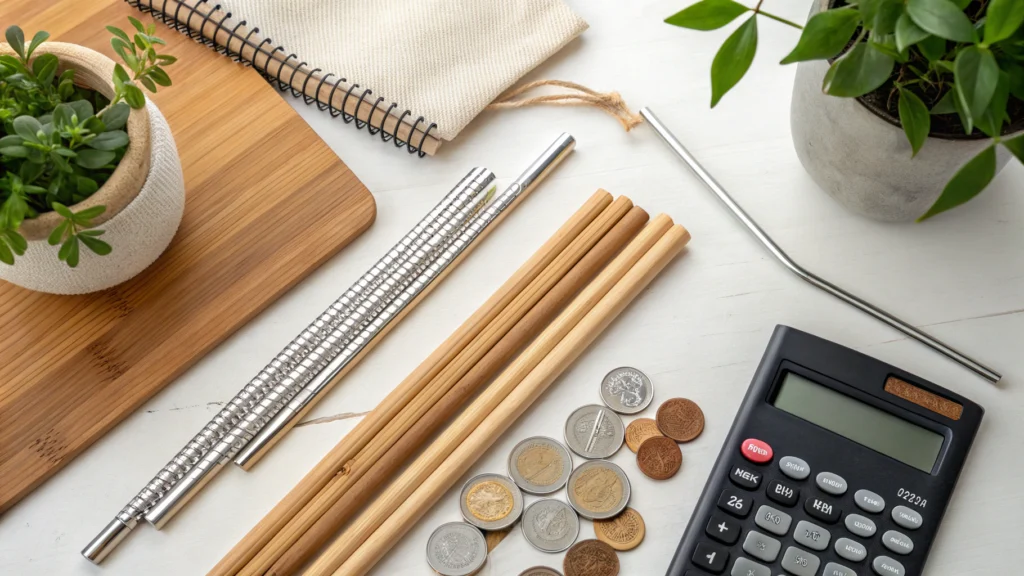
2. 使い捨てプラスチックの環境への影響
Plastic Pollution Crisis
- Plastic straws can take up to 200 years to decompose.
- They significantly contribute to marine pollution, endangering over 700 marine species.
Eco-Friendly Straws as a Solution
- Materials such as サトウキビ繊維、 コーヒーかす、 PLA (polylactic acid)、 そして 竹 offer compostable and biodegradable alternatives.
- Replacing plastic straws with these options can reduce waste and promote a healthier planet.
3. Benefits of Buying Eco-Friendly Straws Wholesale
Economic and Environmental Benefits
- コスト削減: Bulk purchasing reduces per-unit costs by 40-60%.
- 二酸化炭素排出量の削減: Consolidated logistics minimize environmental impact.
- Operational Consistency: Ensures a consistent supply of sustainable products.
Material Innovation Spectrum
- サトウキビ繊維: Compostable, heat-resistant, and versatile.
- 人民解放軍:生分解性があり、産業用堆肥化に適しています。
- 竹: Reusable, premium, and aesthetically appealing.
- コーヒーかす: Upcycled material with innovative applications.
4. Innovations in Eco-Friendly Straw Technology
- Upcycled Materials: Utilizing waste materials like coffee grounds to create durable straws.
- Customization Trends: Personalized branding options for eco-friendly straws.
- 先進的な製造業: Improvements in heat resistance, durability, and compostability.
5. How to Choose the Right Supplier
サプライヤー選択の主な基準
- 認証: Look for BPI, USDA Biopreferred, or ISO 14001 certifications.
- Environmental Reporting: Ensure transparency in sustainability claims.
- 製品範囲: Opt for suppliers offering diverse materials and customization options.
なぜNatureBioecoを選ぶのですか?
NatureBioEco offers high-quality eco-friendly straw solutions with competitive pricing. With certifications and a strong focus on environmental stewardship, they are an ideal partner for businesses aiming to implement sustainable practices.
6. Transformative Case Studies
- Global Hotel Chain: Achieved a 45% reduction in plastic waste by adopting bamboo straws.
- Regional Restaurant Group: Saved 30% in operational costs by transitioning to sugarcane fiber straws.
- Tech Startup: Eliminated plastic straws entirely within 12 months, gaining significant consumer trust.
結論
Wholesale eco-friendly straws represent a smart approach to balancing financial efficiency and environmental responsibility. By strategically partnering with suppliers like NatureBioeco、企業は実質的な経済的および持続可能性の利点を引き出すことができます。
Take the first step toward a greener future—one straw at a time. Contact NatureBioeco today to explore high-quality, sustainable solutions for your business.