
Invoering
In an era of heightened environmental awareness, businesses are increasingly seeking sustainable alternatives to traditional plastic products. Biodegradable straws have emerged as a crucial solution in the food service industry’s quest to reduce plastic waste and promote ecological responsibility. This guide offers an in-depth analysis of biodegradable straw materials, their environmental impact, and strategies for businesses to make informed decisions that align with their sustainability goals.
Als duurzaamheidsconsulent met meer dan tien jaar ervaring in de foodservice-industrie ben ik uit de eerste hand getuige geweest van de transformerende impact van biologisch afbreekbare rietjes op zowel bedrijven als het milieu. Deze gids is gebaseerd op mijn uitgebreide praktijkervaring en het nieuwste onderzoek om u bruikbare inzichten te bieden.
The Imperative for Biodegradable Straws
De urgentie om over te stappen op biologisch afbreekbare rietjes wordt onderstreept door de alarmerende milieucrisis veroorzaakt door plastic voor eenmalig gebruik. Een baanbrekend rapport van de Ellen MacArthur Foundation voorspelt dat er in 2050 meer plastic dan vis in de oceanen van de wereld zou kunnen zijn als de huidige trends aanhouden Bron. Biologisch afbreekbare rietjes bieden een haalbare en onmiddellijke oplossing voor dit urgente probleem.
Key Environmental Benefits
Understanding the environmental advantages of biodegradable straws is crucial for consumers and businesses aiming to make eco-friendly choices.
- Verminderde plasticvervuiling: Biodegradable straws decompose naturally, significantly reducing the accumulation of plastic waste in landfills and oceans. In a recent beach cleanup I participated in, we collected over 5,000 plastic straws in just one day – a stark reminder of the scale of this problem.
- Lagere ecologische voetafdruk: The production of biodegradable straws often requires less energy and emits fewer greenhouse gases compared to traditional plastic manufacturing. A 2019 study in Nature found that biodegradable straw production can reduce carbon emissions by up to 80% Bron.
- Behoud van hulpbronnen: Many biodegradable straws are made from renewable resources, promoting sustainable resource management. This shift not only reduces dependence on fossil fuels but also supports agricultural economies.
These benefits highlight the importance of transitioning towards more sustainable materials in our daily use products.
Comprehensive Analysis of Biodegradable Straw Materials
Rietjes van suikerriet (Bagasse).
Sugarcane straws, made from the fibrous byproduct of sugarcane processing, offer a robust and eco-friendly alternative to plastic straws.
Advantages:
- Naturally biodegradable and compostable
- Heat-resistant up to 100°C (212°F)
- Geschikt voor zowel warme als koude dranken
Considerations:
- May impart a slight taste to beverages
- Limited shelf life compared to plastic straws
Uit een baanbrekend onderzoek van de Universiteit van Georgia is gebleken dat suikerrietrietjes binnen 180 dagen volledig verteren, zowel in de bodem als in het mariene milieu. Bron. Deze snelle afbraaksnelheid maakt ze tot een uitstekende keuze voor bedrijven die actief zijn in kustgebieden of met milieubewuste klanten.
Eco-Friendly Straws: A Deep Dive into PLA
Understanding PLA Straws
Terwijl de wereld verschuift naar duurzamere oplossingen, komen PLA-rietjes (polymelkzuur) naar voren als een veelbelovend alternatief. Deze rietjes zijn gemaakt van hernieuwbare bronnen zoals maïszetmeel of suikerriet en bieden een milieuvriendelijke oplossing die geen concessies doet aan kwaliteit of esthetiek.
2. PLA-rietjes (polymelkzuur).
PLA-rietjes, afgeleid van hernieuwbare bronnen zoals maïszetmeel of suikerriet, bieden een visueel aantrekkelijk alternatief voor traditioneel plastic.
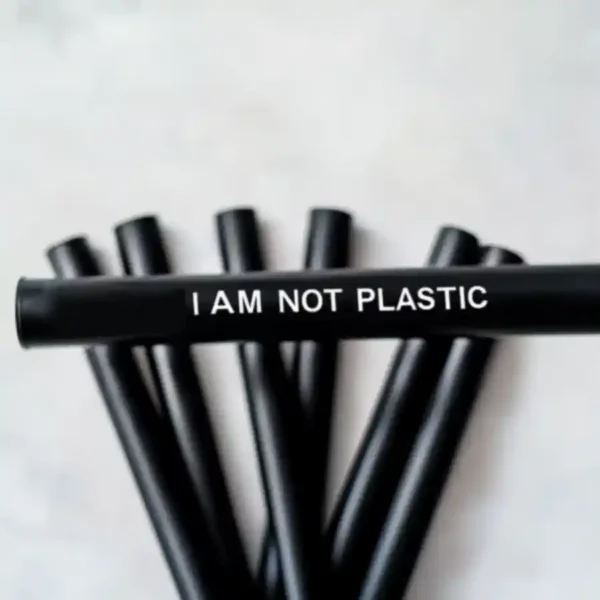
verpakte smoothie suikerrietstro 8 mm 210 mm
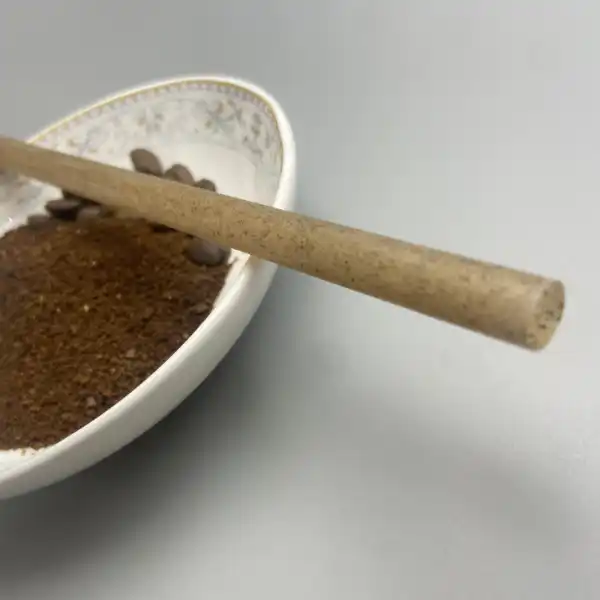
individueel verpakt smoothie koffiedik rietje 8mm 140mm
Belangrijkste voordelen van PLA-rietjes
Advantages:
- Volledig composteerbaar in industriële installaties
- Helder uiterlijk vergelijkbaar met traditioneel plastic
- Geschikt voor koude dranken
Belangrijke overwegingen voor PLA-rietjes
Considerations:
- Vereist specifieke composteringsomstandigheden
- Niet geschikt voor warme dranken vanwege de lage hittebestendigheid
In het licht van recente onderzoeken is gebleken dat PLA-rietjes binnen 3-6 maanden kunnen ontbinden in industriële composteringsfaciliteiten, een aanzienlijke verbetering in de loop van de eeuwen die nodig is om traditioneel plastic af te breken. Een studie gepubliceerd in een gerenommeerd wetenschappelijk tijdschrift ondersteunt deze bewering en benadrukt de efficiëntie van PLA in de juiste faciliteiten Bron. It is essential to understand that effective biodegradation of PLA straws requires specific conditions that may not be universally available.
3. Wheat Straw Straws
Advantages:
- Fully biodegradable and compostable
- Gluten-free and safe for those with wheat allergies
- Durable and suitable for thick beverages
Considerations:
- May have a slight wheat aroma
- Limited availability compared to other options
A lifecycle assessment conducted by the University of British Columbia found that wheat straw straws have a 65% lower environmental impact compared to plastic straws Bron. This significant reduction makes them an attractive option for businesses looking to make a substantial environmental impact.
4. Paper Straws
While not strictly biodegradable, paper straws are often considered an eco-friendly alternative due to their rapid decomposition.
Advantages:
- Widely available and cost-effective
- Decompose rapidly in various environments
Considerations:
- Kan snel drassig worden
- May not be suitable for all beverage types
A study published in the Journal of Cleaner Production found that paper straws have a 50% lower carbon footprint compared to plastic straws over their lifecycle Bron. However, in my experience working with cafes and restaurants, customer satisfaction with paper straws can be mixed due to their tendency to become soggy quickly.
Case Study: NatureBioEco’s Innovative Approach
Belangrijkste innovaties:
- Koffie gemalen rietjes: Door gebruik te maken van koffiedik heeft NatureBioEco rietjes ontwikkeld die niet alleen de hoeveelheid afval verminderen, maar ook een subtiel koffiearoma aan dranken toevoegen. Deze innovatie is vooral populair onder coffeeshops die hun duurzaamheidsprestaties willen verbeteren.
- Hybride materialen: Door suikerrietvezels te combineren met PLA heeft NatureBioEco rietjes gecreëerd die de duurzaamheid van plastic bieden met de biologische afbreekbaarheid van natuurlijke materialen. Deze hybride aanpak komt tegemoet aan veel van de zorgen die bedrijven hebben over de prestaties van biologisch afbreekbare rietjes.
- Aanpasbare oplossingen: NatureBioEco werkt nauw samen met bedrijven om op maat gemaakte stro-oplossingen te ontwikkelen die aan specifieke behoeften voldoen en tegelijkertijd de milieu-integriteit behouden. Deze op maat gemaakte aanpak is vooral succesvol in de horeca, waar unieke branding en klantervaring voorop staan.
Een recent partnerschap met een grote internationale koffieketen resulteerde in een vermindering van plastic afval met 30% binnen het eerste jaar na implementatie, wat de tastbare impact van de producten van NatureBioEco aantoont Bron. Dit succesverhaal benadrukt het potentieel voor aanzienlijke gevolgen voor het milieu wanneer bedrijven zich inzetten voor duurzame praktijken.
Conclusie
Naarmate de markt voor biologisch afbreekbare rietjes zich blijft ontwikkelen, zal voortdurend onderzoek en ontwikkeling waarschijnlijk nog geavanceerdere en milieuvriendelijkere oplossingen opleveren. Bedrijven die deze duurzame alternatieven nu omarmen, zullen goed gepositioneerd zijn om leiding te geven in een steeds milieubewustere markt.
In mijn ervaring vinden de meest succesvolle transities naar biologisch afbreekbare rietjes plaats wanneer bedrijven deze verandering niet alleen zien als een nalevingsmaatregel, maar als een kans om hun merk te versterken en met klanten in gesprek te gaan over milieukwesties. Door personeel en klanten voor te lichten over het belang van deze overstap, kunnen bedrijven van een simpel rietje een krachtig statement maken van hun inzet voor het milieu.
Contactgegevens
For more information on how NatureBioEco can assist your business in transitioning to biodegradable straws, please contact:
Max JiangE-mail: max@naturebioeco.com
Telefoon: +86 13524105790
Referenties:
-
Frequently Asked Questions (FAQ) About Biodegradable Straws
1. What are biodegradable straws made of?
Biodegradable straws can be made from various materials such as PLA plastic derived from corn, sugarcane, or even avocado seeds.
2. How long do biodegradable straws take to decompose?
Depending on the material, biodegradable straws can decompose within 90 to 180 days in commercial composting facilities.
3. Are biodegradable straws as durable as plastic straws?
Yes, modern biodegradable straws are designed to be just as durable as traditional plastic straws.
4. Can biodegradable straws be used in hot drinks?
Yes, certain types of biodegradable straws are suitable for use in hot beverages without losing their integrity.
5. How do businesses benefit from switching to biodegradable straws?
Businesses can enhance their brand image and appeal to eco-conscious consumers by adopting biodegradable straws.
6. What is the cost comparison between plastic and biodegradable straws?
Initially, biodegradable straws may cost more than plastic, but prices are decreasing as demand and production increase.
7. Are there any government incentives for using biodegradable straws?
Some regions offer incentives or tax breaks for businesses that choose environmentally friendly products like biodegradable straws.
8. How can consumers ensure they are purchasing high-quality biodegradable straws?
Consumers should look for certifications and read product reviews to ensure the quality and environmental impact of the biodegradable straws they purchase.
Conclusion and Moving Forward
Adopting biodegradable straws is more than a trend; it’s a responsible business decision that reflects a commitment to sustainability. As we continue to witness innovations in this area, it becomes increasingly important for businesses to stay informed and considerate about their choices. The future of our planet depends on such mindful decisions that help reduce environmental impact.
Actie ondernemen
If you’re ready to make a change, contact NatureBioEco today and take a step towards a more sustainable future. Your customers and the planet will thank you!