Biologisch afbreekbare rietjes voor B2B: duurzaam & Gecertificeerde oplossingen

Inleiding: Plasticverboden en biologisch afbreekbare rietjes Voordelen van duurzame keuze
Stel je voor: jouw restaurantketen heeft zojuist bericht ontvangen dat plastic rietjes voor eenmalig gebruik binnen zes maanden in jouw regio verboden zullen worden. Plotseling wordt u geconfronteerd met een grote supply chain-uitdaging terwijl u probeert de klantervaring op peil te houden en de kosten te beheersen. Klinkt bekend? Dit scenario speelt zich wereldwijd af nu het verbod op plastic stro zich door steden, landen en hele continenten verspreidt.
Het bescheiden plastic rietje, ooit een belangrijk onderdeel van de horeca, is uitgegroeid tot het voorbeeld van onnodig plastic afval. Met meer dan 500 miljoen plastic rietjes die alleen al in de VS dagelijks worden gebruikt, vormen deze kleine voorwerpen een enorm milieuprobleem. Ze staan steevast in de top tien van voorwerpen die tijdens strandopruimingen worden gevonden en het kan tot 200 jaar duren voordat ze zijn afgebroken – als dat ooit echt het geval is.
Voor bedrijven in de horecasector – restaurants, hotels, cafés, bars en zelfs luchtvaartmaatschappijen – vormt deze verschuiving in de regelgeving zowel een uitdaging als een kans. Hoewel de transitie van conventionele plastic rietjes operationele veranderingen vereist, biedt het ook een kans om in lijn te komen met de consumentenwaarden en de merkidentiteit te versterken.
Ontdek duurzame alternatieven voor uw bedrijf that meet both regulatory requirements and customer expectations. Biodegradable straws represent one of the most promising solutions in this space, offering the familiar user experience of traditional straws with a dramatically reduced environmental footprint.
As a B2B decision-maker, you need options that make sense for your specific busines model—products that are cost-effective, readily available in bulk quantities, compliant with relevant regulations, and aligned with your sustainability goals. Biodegradable straws check all these boxes while giving you a compelling sustainability story to share with increasingly eco-conscious customers.
In deze uitgebreide gids onderzoeken we alles wat u moet weten over biologisch afbreekbare rietjes voor uw bedrijf – van naleving van de regelgeving tot milieuvoordelen, vergelijkende analyses met andere alternatieven en succesverhalen over de implementatie uit de praktijk. Laten we erin duiken.
Naleving van de regelgeving: certificeringen voor biologisch afbreekbare rietjes Duurzame keuze

Navigeren door het complexe landschap van duurzame productcertificeringen kan overweldigend zijn. Het begrijpen van deze normen is echter van cruciaal belang voor B2B-kopers die op zoek zijn naar legitieme, biologisch afbreekbare stro-opties die hun bedrijven niet blootstellen aan beschuldigingen van greenwashing of regelgevingsproblemen.
De belangrijkste certificering waar u op moet letten, is naleving van de FDA. De FDA evaluates food-contact materials for safety, ensuring they don’t introduce harmful substances into beverages or foods. For international businesses, equivalent certifications like the European Union’s Food Contact Materials Regulation or LFGB certification (German food safety standard) provide similar assurances.
Did you know? According to a 2023 industry report, businesses using uncertified “eco-friendly” products face an average fine of $12,500 when these products fail to meet regulatory standards or when marketing claims can’t be substantiated.
Beyond food safety, legitimate biodegradable straws should carry composting certifications. These typically include:
- Home compostability certification (TÜV Austria OK Compost HOME)
- Industrial compostability certification (BPI, EN 13432, ASTM D6400)
- Marine degradability certification (for waterfront businesses)
“We nearly made the mistake of purchasing ‘biodegradable’ straws without proper certification,” shares Michael Chen, operations manager for a regional coffee chain. “We discovered they contained oxo-degradable additives, which are actually banned in many jurisdictions because they break down into microplastics. Proper certification saved us from a potentially costly mistake.”
When evaluating suppliers, ask for specific certification documentation rather than vague claims about biodegradability. FDA certified sugar cane straws in bulk provide one example of properly certified products that meet rigorous standards.
The certification landscape continues to evolve as regulations tighten around environmental claims. Working with suppliers who maintain up-to-date certifications protects your busines from compliance issues and strengthens your sustainability credentials with increasingly skeptical consumers who are quick to call out greenwashing.
Hoe biologisch afbreekbare rietjes Duurzame keuze vergelijkt met andere ecologische alternatieven
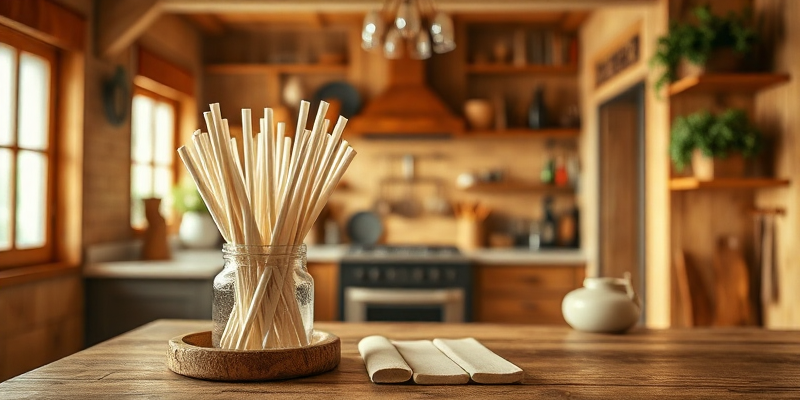
When evaluating sustainable straw options for your busines, understanding the full spectrum of alternatives helps you make informed decisions. Let’s compare biodegradable straws against other popular eco-friendly options:
| Soort stro | Duurzaamheid | Gebruikerservaring | Einde levensduur | Kosten (bulk) | Maatwerk |
|---|---|---|---|---|---|
| ———— | ———— | —————– | ————- | ————- | ————— |
| Biodegradable (PLA) | Medium | Het lijkt het meest op plastic | Industrieel composteerbaar | $$ | Hoog |
| Thuis Composteerbaar | Medium | Uitstekend | Thuis & industrieel composteerbaar | $$ | Middelhoog |
| Papier | Laag | Changes during use | Recyclebaar/composteerbaar | $ | Hoog |
| Herbruikbaar metaal | Erg hoog | Temperatuur geleidend | Reusable/Recyclable | $$$$ | Beperkt |
| Reusable Silicone | Hoog | Soft, flexible | Herbruikbaar | $$$ | Medium |
| Bamboe | Medium | Natuurlijke textuur | Composteerbaar | $$ | Beperkt |
| Suikerriet | Middelhoog | Stevige, neutrale smaak | Composteerbaar | $$ | Medium |
| No Straw Policy | n/a | Customer resistance | n/a | Vrij | n/a |
According to a 2022 industry survey, 68% of hospitality businesses that implemented “no straw by default” policies reported customer dissatisfaction, with 42% eventually reintroducing straws upon request.
For businesses serving customers with mobility or disability needs, FDA certified large plastic straws for B2B eco-accessible options represent an important consideration. Not all eco-alternatives work for all customers, and accessibility should remain a priority alongside sustainability goals.
When making your selection, consider your specific busines context:
- Quick-service restaurants might prioritize cost and familiar user experience
- Upscale bars may prefer the premium feel of reusable options
- Healthcare facilities need consistent performance and hygiene assurance
- Hotels often require individually wrapped options for sanitation perception
“We tried paper straws initially but received so many customer complaints about soggines that we switched to home compostable PLA straws,” explains Samantha Rodriguez, purchasing director for a cruise line. “The slightly higher cost was offset by dramatically improved customer satisfaction.”
While each alternative has its place, home compostable options often represent the sweet spot for many businesses—providing familiar functionality while offering genuine end-of-life environmental benefits.
Voordelen van topbedrijven van de overstap naar biologisch afbreekbare rietjes Duurzame keuze
Beyond environmental considerations, biodegradable straws offer tangible busines advantages that directly impact your bottom line and brand perception.
### Enhanced Brand Image
According to a 2023 consumer survey, 74% of customers view businesses using sustainable alternatives more favorably than those still providing conventional plastic straws, with 47% reporting they’re more likely to return to establishments with visible sustainability practices.
This positive perception extends beyond direct customers to potential B2B partners, investors, and employees who increasingly factor environmental responsibility into their decision-making processes.
### Regulatory Compliance and Future-Proofing
As plastic straw bans continue to expand globally, biodegradable alternatives ensure compliance without disrupting operations. Rather than reactively responding to each new regulation, forward-thinking businesses are proactively transitioning to sustainable alternatives. Explore eco-friendly cocktail straws for your bar or restaurant to stay ahead of regulatory changes.
### Cost Competitivenes
While biodegradable options typically cost more than conventional plastic straws, the price gap continues to narrow as production scales up. When factoring in potential fines for non-compliance with plastic bans, the comparative cost difference becomes negligible or even favorable for sustainable options.
### Marketing Opportunities
Sustainable choices provide content for your marketing efforts, from social media posts to in-store signage. These initiatives resonate with audiences and generate positive publicity that conventional operations simply cannot match.
### Customer Education Platform
Your sustainable straw choice creates natural opportunities for customer engagement around broader sustainability initiatives. For coffee shops specifically, sustainable coffee straws can complement other green initiatives while reinforcing your commitment to environmental responsibility.
### Operational Consistency
Voor bedrijven met meerdere locaties of internationale bedrijven bieden biologisch afbreekbare rietjes een gestandaardiseerde oplossing die werkt in alle rechtsgebieden met verschillende plasticregelgeving, waardoor het beheer van de toeleveringsketen wordt vereenvoudigd.
### Tevredenheid en retentie van medewerkers
Medewerkers, vooral jongere werknemers, zoeken steeds vaker naar afstemming tussen persoonlijke waarden en praktijken op de werkplek. Duurzame initiatieven zoals biologisch afbreekbare rietjes dragen bij aan een positieve cultuur op de werkplek en kunnen de omzet verminderen – een belangrijke overweging gezien de traditioneel hoge vervangingskosten in de horeca.
Milieu-impact: waarom biologisch afbreekbare rietjes Duurzame keuze wint
De milieuvoordelen van biologisch afbreekbare rietjes gaan veel verder dan alleen het feit dat ze geen plastic zijn. Wanneer ze op de juiste manier worden ingekocht en verwijderd, verminderen deze alternatieven de milieuschade in meerdere dimensies aanzienlijk.
Volgens de UNEPkunnen goed gecertificeerde biologisch afbreekbare rietjes de uitstoot van broeikasgassen met wel 80% verminderen in vergelijking met conventionele plastic rietjes, wanneer rekening wordt gehouden met de volledige levenscyclusanalyse. Deze dramatische vermindering is het gevolg van zowel de productieprocessen als de behandeling aan het einde van de levensduur.
In tegenstelling tot conventionele kunststoffen die zijn afgeleid van fossiele brandstoffen, maken biologisch afbreekbare alternatieven doorgaans gebruik van hernieuwbare hulpbronnen zoals maïszetmeel, suikerriet of landbouwafval. Deze verschuiving van op aardolie gebaseerde naar plantaardige materialen vertegenwoordigt een fundamentele verbetering in het gebruik van hulpbronnen.
Het grootste milieuvoordeel ontstaat aan het einde van de levensduur van het product. Terwijl conventionele plastic rietjes eeuwenlang blijven bestaan, worden goed gecertificeerde biologisch afbreekbare rietjes binnen 90 tot 180 dagen volledig afgebroken in commerciële composteringsinstallaties, waarbij er geen giftige resten of microplastics achterblijven. Individueel verpakte biologisch afbreekbare rietjes kan hygiënische voordelen bieden en toch milieuvoordelen bieden ten opzichte van plastic opties.
Het biologische afbraakproces brengt organisch materiaal terug naar bodemsystemen in plaats van dat het zich ophoopt op stortplaatsen of ecosystemen. Deze gesloten-lusbenadering sluit aan bij de principes van de circulaire economie die steeds meer richting geven aan initiatieven op het gebied van duurzaamheid van bedrijven.
Voor bedrijven die actief zijn in de buurt van maritieme omgevingen is de inzet bijzonder hoog. Uit een marien onderzoek uit 2022 bleek dat standaard plastic rietjes meer dan 267 mariene soorten kunnen schaden door inname of verstrikking, terwijl goed gecertificeerde biologisch afbreekbare alternatieven geen significante negatieve gevolgen voor het zeeleven vertoonden wanneer ze per ongeluk in de waterwegen terechtkwamen.
Casestudy: Biologisch afbreekbare rietjes Duurzame keuze Succes in actie
De Pacific Harbor Resort Group exploiteert 12 locaties in Zuidoost-Azië en Oceanië en bedient jaarlijks ongeveer 500.000 gasten. In 2021 heeft de groep zich ertoe verbonden om binnen 18 maanden het wegwerpplastic uit alle activiteiten te elimineren.
**Challenge:** The resort group needed to maintain its premium guest experience while eliminating an estimated 1.7 million plastic straws used annually acros properties. Additionally, waste management infrastructure varied significantly between locations, with some having acces to commercial composting and others relying on more limited waste systems.
**Solution:** After evaluating multiple alternatives, Pacific Harbor partnered with a certified biodegradable straw supplier to provide custom-branded, home-compostable straws for all properties. They implemented a tiered approach:
1. Standard biodegradable straws for casual dining and pool areas
2. Premium milieuvriendelijke koffierietjes voor cafés and breakfast service
3. Specialty biodegradable cocktail straws for bars and fine dining
**Results:** Within 12 months of implementation, Pacific Harbor documented:
- Complete elimination of conventional plastic straws acros all properties
- 83% positive guest feedback regarding the quality and performance of the biodegradable alternatives
- 1.6 metric tons of plastic waste eliminated annually
- $27,500 in avoided compliance costs related to plastic ban regulations
- Featured case study in two travel industry sustainability reports, generating approximately $175,000 in earned media value
“The biodegradable straw initiative became the gateway to our broader sustainability program,” explains Lily Tanaka, Pacific Harbor’s Sustainability Director. “It was visible to guests, relatively simple to implement, and created immediate positive environmental impact while actually enhancing our luxury brand positioning.”
The succes prompted Pacific Harbor to accelerate other sustainability initiatives, including bathroom amenities, food packaging, and water bottle alternatives.
Veel Gestelde Vragen
- What minimum order quantities (MOQ) should B2B buyers expect when purchasing biodegradable straws?
- MOQs vary by manufacturer but typically range from 10,000-25,000 units for standard products and 25,000-50,000 units for customized biodegradable straws. Some suppliers offer mixed pallets allowing you to order multiple types while meeting overall minimum requirements. For businesses with smaller needs, distributor partnerships often provide acces to lower volume purchasing options.
- How do biodegradable straws perform with hot beverages compared to conventional plastic straws?
- Performance varies by material type. PLA-based biodegradable straws typically maintain structural integrity in beverages up to 120°F (49°C), making them suitable for most hot drinks except very hot tea or coffee. Home compostable options made from materials like sugarcane pulp or bamboo generally offer better heat resistance up to 200°F (93°C). Always verify temperature specifications with your supplier to ensure compatibility with your specific beverage program.
- What is the typical shelf life for biodegradable straws?
- When stored properly in cool, dry conditions, most certified biodegradable straws maintain their structural integrity and performance characteristics for 24-36 months. Some varieties, particularly those with higher percentages of natural fibers, may have shorter shelf lives of 12-18 months. Always check manufacturer specifications and avoid ordering excessive inventory that might degrade before use.
- Can biodegradable straws be customized with our company logo or brand colors?
- Yes, most biodegradable straw manufacturers offer customization options including branded wrappers, custom colors, and printed logos directly on the straws themselves. Customization typically requires higher minimum order quantities (usually 50,000+ units) and may extend lead times by 2-4 weeks. Food-grade inks and dyes are used to maintain safety certifications.
- How should businesses dispose of biodegradable straws to maximize environmental benefits?
- Optimal disposal depends on the specific certification of your straws and your local waste infrastructure. Commercial composting facilities provide ideal conditions for biodegradation of all certified compostable straws. Home compostable varieties can break down in both commercial and residential composting systems. If composting isn’t available, most biodegradable straws will still biodegrade faster than conventional plastics in landfill conditions, though the proces takes significantly longer without optimal composting conditions.
- What’s the price difference between conventional plastic straws and biodegradable alternatives?
- Biodegradable straws typically cost 2-3 times more than conventional plastic straws when purchased in similar quantities. However, this gap continues to narrow as production scales increase and plastic prices rise due to regulatory pressures. When factoring in potential compliance costs, public relations benefits, and consumer preferences, many businesses find the investment fully justified from both financial and brand perspective.
- Are biodegradable straws appropriate for all beverage types and customer needs?
- While biodegradable straws work well for most applications, certain scenarios warrant special consideration. Extremely hot beverages may require specific heat-resistant formulations. For frozen or thick beverages, wider diameter options provide better functionality. Businesses serving customers with disabilities should offer flexible options or alternatives designed for accessibility needs.