Introduction: Addressing the Plastic Straw Crisis
The global reliance on single-use plastic straws has reached alarming levels, with an estimated 500 million units discarded daily alleen al in de Verenigde Staten. Historisch gezien evolueerden rietjes halverwege de 20e eeuw van natuurlijk riet naar op aardolie gebaseerde kunststoffen, waardoor hun rol als alomtegenwoordig, maar toch milieuvernietigend consumentenartikel werd versterkt. Koffiedikrietjes komen naar voren als een wetenschappelijk gevalideerd alternatief, waarbij gebruik wordt gemaakt van de principes van de circulaire economie om landbouwafval om te zetten in functionele, biologisch afbreekbare producten. Dit artikel onderzoekt hun samenstelling, milieueffectiviteit en praktische toepassingen voor zowel consumenten als bedrijven.
1. Material Composition and Manufacturing Process
Van afval naar functioneel product
Koffiedikrietjes worden gesynthetiseerd via een gepatenteerde mix van gerecycled koffieafval (30-40%) en polymelkzuur (PLA), een plantaardig polymeer dat is afgeleid van hernieuwbare bronnen zoals maïszetmeel. Het productieproces omvat:
- Verzameling en sterilisatie: Spent coffee grounds are sourced from commercial vendors, sterilized, and dehydrated.
- Extrusie: Grounds are combined with PLA and extruded into straw molds under controlled temperatures.
- Kwaliteitsborging: Straws undergo rigidity and biodegradability testing to meet international standards.
Certifications and Safety Compliance
- TÜV OK Compost Industrial: Validates full biodegradability within 180 days in industrial facilities.
- FDA -naleving: Ensures food-safe status, free from BPA and phthalates.

2. Environmental Impact Analysis
Vermindering van de CO2-voetafdruk
A 2022 lifecycle assessment revealed coffee grounds straws generate 60% fewer CO2 emissions compared to plastic straws, owing to waste repurposing and energy-efficient manufacturing.
Waste Diversion Potential
Ongeveer 10 million metric tons of coffee waste are generated globally each year. Repurposing 1 ton of this waste into straws offsets 2.5 tons of CO2-equivalent emissions, according to the Environmental Protection Agency (EPA).
3. Comparative Performance Against Alternatives
| Materiaal | Duurzaamheid (uren in vloeistof) | Ontledingstijd | Carbon Footprint (kg CO2/kg) |
|---|---|---|---|
| Plastic | Onbepaald | 200+ jaar | 3.5 |
| Papier | 0.5–1 | 2–6 weken | 2.1 |
| Koffiedik | 4–6 | timing varies by formulation, conditions, and disposal system | 1.4 |
Key Advantages
- Structural Integrity: Resists sogginess 4x longer than paper straws.
- Thermische stabiliteit: Suitable for beverages up to 80°C (176°F).
4. Implementation Strategies
Voor consumenten
- Optimal Usage: Avoid prolonged exposure to temperatures exceeding 80°C.
- Beheer van het levenseinde:
- Thuis composteren: Shred straws and integrate into compost piles; full decomposition may take 12+ months.
- Industriële compostering: Utilize municipal facilities for faster breakdown (90–180 days).
Voor bedrijven
- Bulkinkoop: Partner with suppliers like Het suikerrietstrobedrijf for volume discounts (20–30% cost reduction at 10,000+ units).
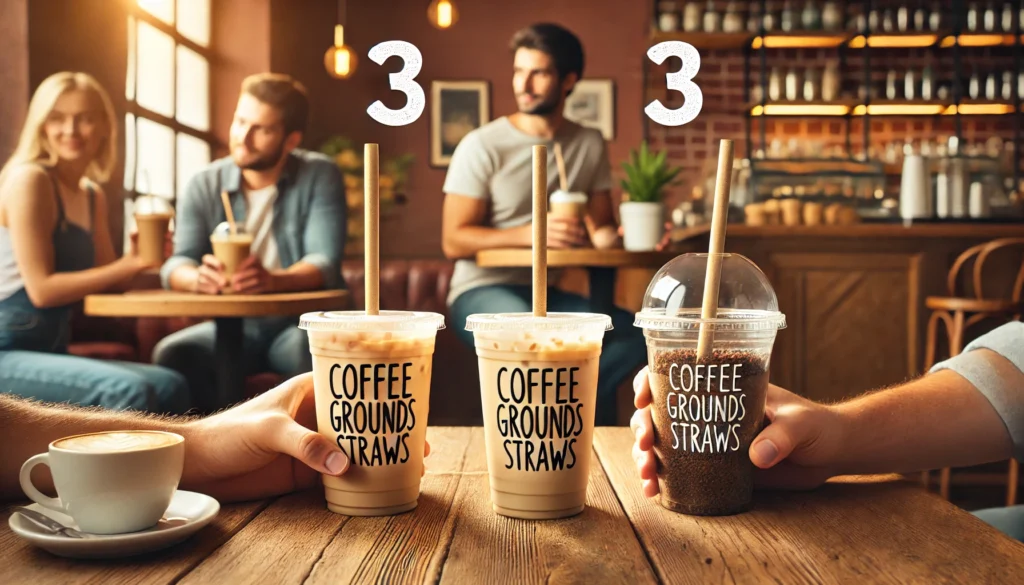
- Klanteducatie: Display signage explaining the straws’ origin and compostability.
5. Frequently Asked Questions (FAQ)
1. Are coffee grounds straws truly compostable?
Yes, under industrial composting conditions (TÜV OK Compost certification). Home composting is feasible but less efficient.
2. Do they impart a coffee flavor to beverages?
No. Residual oils are removed during sterilization, ensuring neutral taste.
3. How do costs compare to plastic straws?
Approximately 15–20% higher per unit, though bulk pricing narrows this gap.
4. Are there allergen risks?
The sterilization process eliminates proteins linked to coffee allergies (FDA, 2021).
5. Can businesses customize straws?
Yes. Branding options include embossed logos and color variations (PLA dyes).
6. What disposal methods are recommended?
Prioritize industrial composting. Landfill disposal negates biodegradability benefits.
7. Do they comply with EU plastic bans?
Yes. Compliant with Directive (EU) 2019/904 on single-use plastics.
8. Where can I purchase them?
Direct from eco-suppliers like Het suikerrietstrobedrijf or wholesale platforms like EcoEnclose.
6. Future Innovations and Policy Implications
Technologische vooruitgang
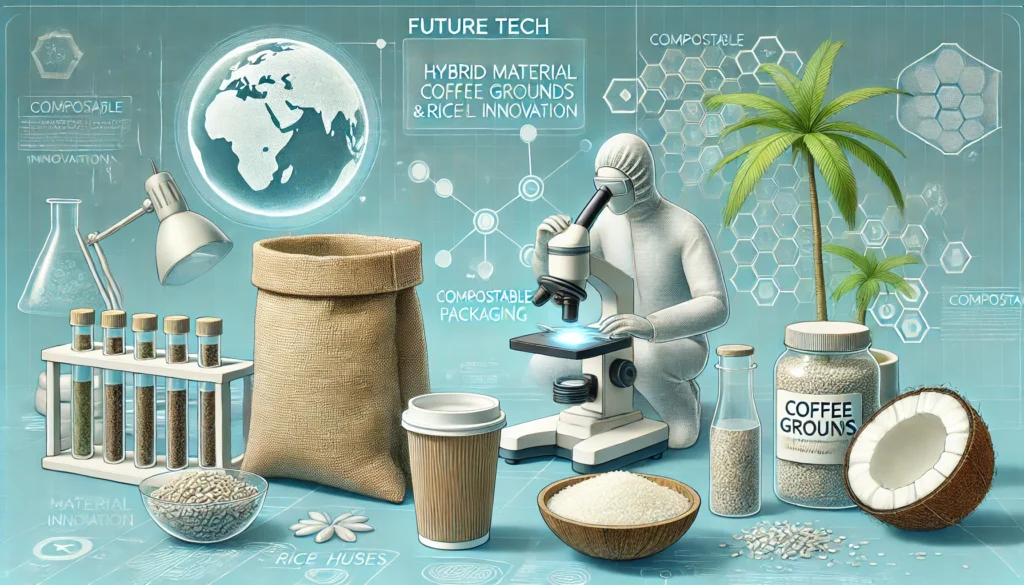
- Hybride materialen: Research into blending coffee grounds with rice husks for enhanced tensile strength.
- Smart Tracking: Integration of QR codes to educate users on local composting options.
Regulatory Trends
The European Union’s Circular Economy Action Plan (2023) incentivizes businesses adopting upcycled materials through tax rebates.
Conclusion: Leading the Shift to Sustainable Consumption
Coffee grounds straws exemplify the intersection of innovation and environmental stewardship. By adopting these straws, individuals and businesses collectively mitigate plastic pollution while advancing circular economy objectives. As regulatory frameworks evolve, proactive adoption positions enterprises as sustainability leaders.
Citaties
- TÜV Oostenrijk. (2023). OK Compost Industrial Certification Criteria. https://www.tuv-at.be/compost
- Amerikaanse Environmental Protection Agency (EPA). (2022). Advancing Sustainable Materials Management. https://www.epa.gov/plastics
- Europese Commissie. (2023). Single-Use Plastics Directive. https://ec.europa.eu/environment/plastics
- Starbucks Corporation. (2021). Grounds for Your Garden Initiative. https://www.starbucks.com/sustainability
- Amerikaanse Food and Drug Administration (FDA). (2021). Regelgeving voor stoffen die in contact komen met voedsel. https://www.fda.gov/food
- Green Business Journal. (2023). Case Study: Berlin Café Waste Reduction.
- BPI. (2022). Certified Compostable Products Directory. https://www.bpiworld.org
- Marine Pollution Bulletin. (2022). Impact van plastic rietjes op mariene ecosystemen.