Invoering
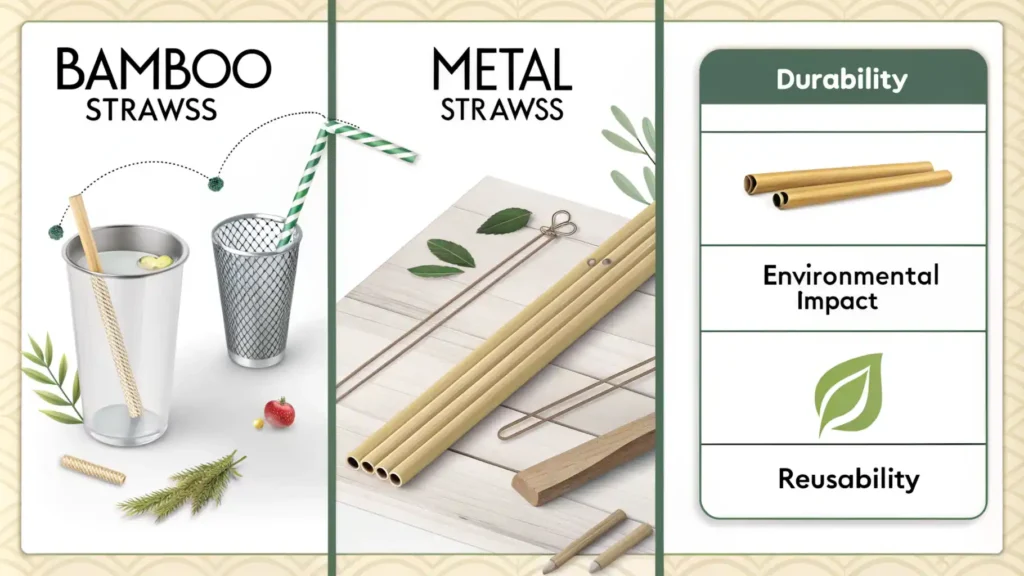
In the quest for eco-friendly alternatives to single-use plastic straws, bamboo and metal straws have emerged as popular choices. This article delves into the production processes, cost comparisons, quality standards, and environmental impacts of bamboo and metal straws to provide a comprehensive overview.
The Production Process of Bamboo and Metal Straws
How are Bamboe rietjes Made?
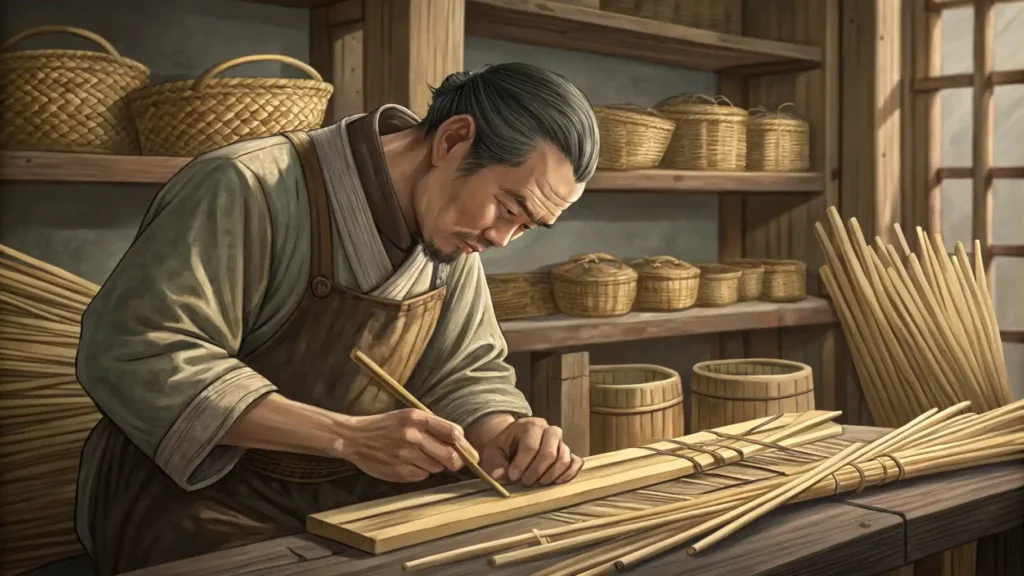
Bamboo straws are crafted using natural bamboo, which is a highly sustainable and biodegradable material. The process involves several steps:
- Sourcing and Harvesting:
Mature bamboo stalks, typically from the Moso bamboo species, are harvested.

- Cleaning and Stripping:
De geoogste bamboe wordt gereinigd om vuil, puin of buitenste lagen te verwijderen, zodat de grondstof hygiënisch en vrij van onzuiverheden is. - Drogen en verouderen:
De gereinigde bamboe wordt op natuurlijke wijze gedroogd, wat de veerkracht vergroot en het risico op barsten of kromtrekken tijdens de verwerking verkleint.


- Behandelen en ontsmetten:
Om schimmel- en insectenplagen te voorkomen, wordt de bamboe behandeld met een niet-giftige oplossing. Deze behandeling verbetert ook de duurzaamheid van het rietje, waardoor het herbruikbaar en duurzaam wordt. - Gladmaken en polijsten:
De bamboe wordt geschuurd en gepolijst om een glad drinkoppervlak te creëren, waarbij eventuele ruwe randen of onvolkomenheden worden verwijderd. - Carven en uithollen:
Artisans use traditional techniques to carve and hollow the bamboo, maintaining the structural integrity of the straw. This intricate process requires precision and expertise.
How are Metal Straws Made?
Metal straws, primarily made from stainless steel, undergo a different manufacturing process:
- Sourcing Materials:
Stainless steel is sourced for its durability and recyclability. - Snijden en vormgeven:
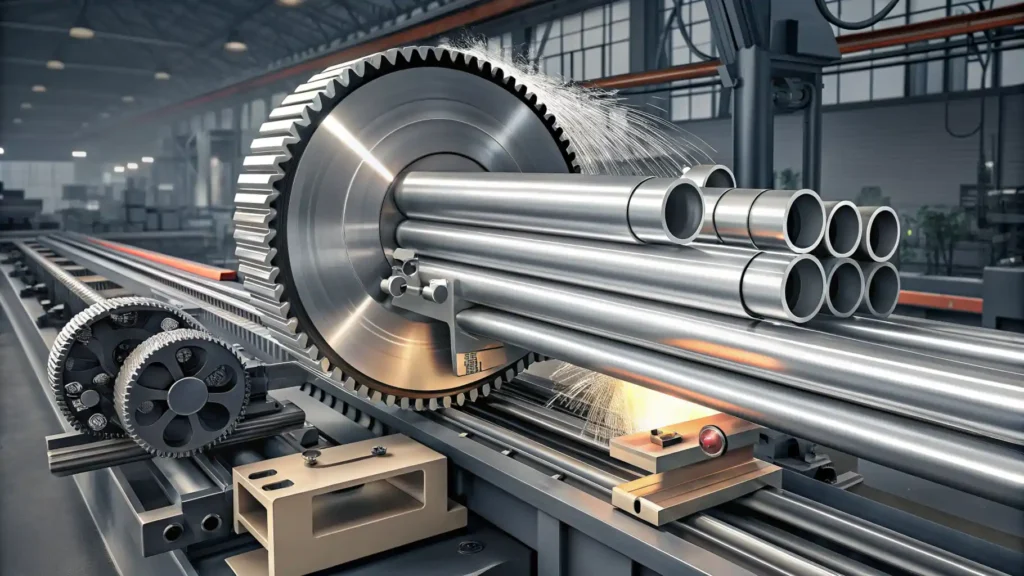
The raw steel is cut into the desired shape and size for the straw.
- Polishing and Finishing:
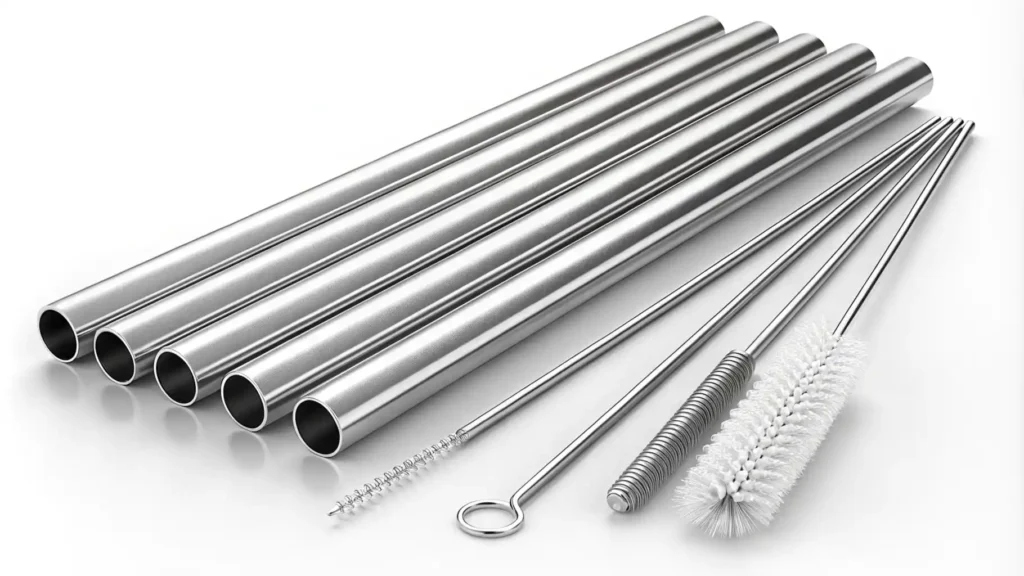
The metal is polished to give it a smooth finish, ensuring it is safe for use with hot beverages and easy to clean. - Assembly (if necessary):
Some metal straws may require additional components like handles or cleaning brushes.
Cost Comparison: Bamboo Vs Metal Straws
Initial Costs
| Factor | Bamboe rietjes | Metalen rietjes |
|---|---|---|
| Raw Material Costs | $0.10 to $0.20 per unit | $0.50 to $1.50 per unit |
| Manufacturing Costs | Takes 2 to 5 minutes per straw | Higher due to machinery, but cheaper in bulk |
Long-term Costs
- Bamboe rietjes: While durable, bamboo straws have a shorter lifespan compared to metal straws. They typically last for several months with proper care, requiring occasional replacement.
- Metalen rietjes: Metal straws are known for their durability and longevity, potentially lasting a lifetime with proper care and maintenance.
Hidden Costs
- Bamboe rietjes:
- Transportation costs can vary depending on the distance between bamboo farms and manufacturing facilities.
- Tariffs on imported bamboo might apply, increasing overall costs.
- Maintenance: Bamboo straws require careful cleaning to prevent mold, adding to maintenance costs.
- Metalen rietjes:
- Higher energy consumption during manufacturing may indirectly add to production costs.
- Het verzenden van metalen rietjes is doorgaans efficiënter, omdat ze lichter en minder omvangrijk zijn dan bamboe.
Milieu-impact
Bamboe rietjes
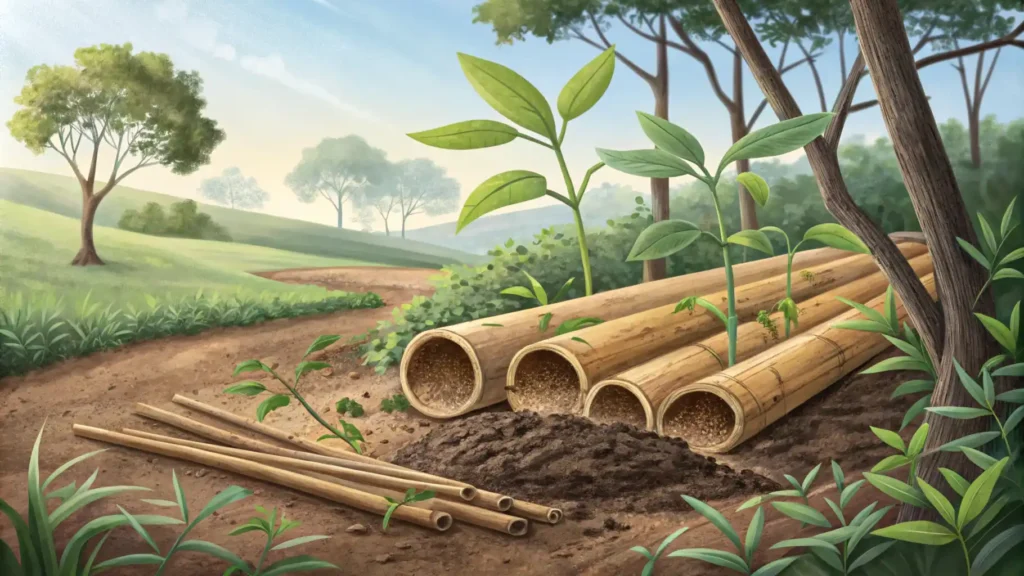
- Duurzaamheid: Bamboe is een hernieuwbare en biologisch afbreekbare hulpbron, waardoor het een milieuvriendelijke optie is.
- Koolstofvoetafdruk: De productie van bamboe heeft een relatief lage ecologische voetafdruk vergeleken met de industriële metaalproductie.
- Ontleding: Aan het einde van de levenscyclus ontleden bamboerietjes op natuurlijke wijze, waardoor er geen giftige resten achterblijven.
Metalen rietjes
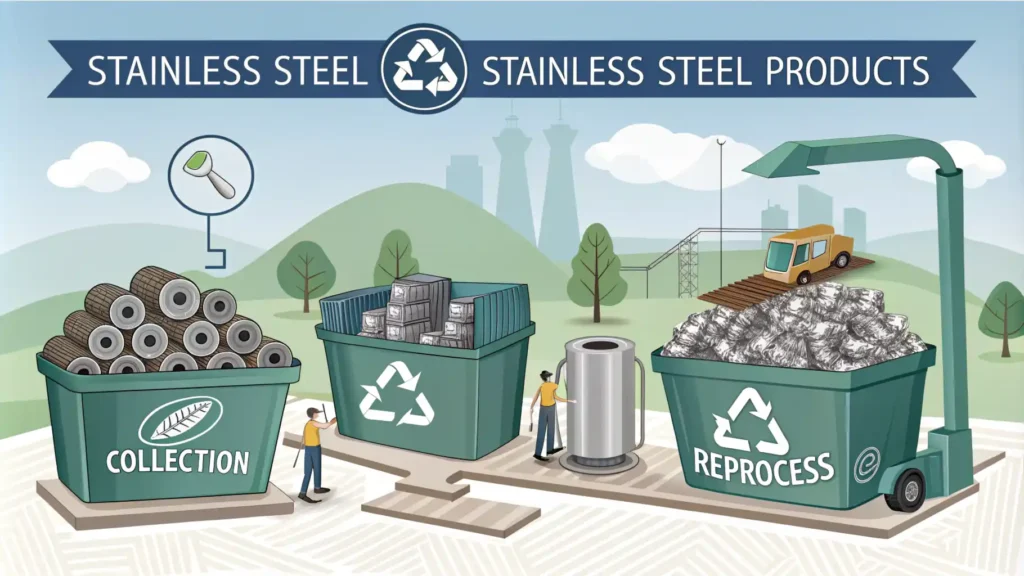
- Duurzaamheid: Roestvrij staal is zeer duurzaam en kan onbeperkt worden gerecycled zonder kwaliteitsverlies.
- Energieverbruik: Het productieproces van metalen rietjes kost meer energie dan de productie van bamboe.
- Levensduur: Vanwege hun lange levensduur kunnen metalen rietjes hun hogere ecologische voetafdruk in de loop van de tijd compenseren.
Conclusie
Zowel bamboe als metalen rietjes bieden haalbare, milieuvriendelijke alternatieven voor plastic voor eenmalig gebruik, elk met zijn sterke punten en beperkingen. Bamboerietjes blinken uit in duurzaamheid en biologische afbreekbaarheid, terwijl metalen rietjes op de lange termijn duurzamer en kosteneffectiever zijn. Uiteindelijk hangt de keuze tussen de twee af van gebruikersvoorkeuren, milieudoelstellingen en budgetbeperkingen.