De vraag naar biologisch afbreekbare producten is de afgelopen jaren enorm gestegen, gedreven door een groeiend bewustzijn van milieukwesties en een collectieve inspanning om plasticvervuiling te bestrijden. Nu de wereld geconfronteerd wordt met toenemende uitdagingen op het gebied van afval, bieden biologisch afbreekbare producten een haalbare oplossing om onze ecologische voetafdruk te verkleinen. Deze blogpost onderzoekt wat biologisch afbreekbare producten zijn, de materialen die ze milieuvriendelijk maken en de voordelen van de integratie ervan in het dagelijks leven.
Biologisch afbreekbare producten begrijpen
Wat zijn biologisch afbreekbare producten?
Biologisch afbreekbare producten zijn materialen die zijn ontworpen om in de loop van de tijd op natuurlijke wijze af te breken via biologische processen, waarbij doorgaans micro-organismen zoals bacteriën of schimmels betrokken zijn. Deze producten vallen uiteen in natuurlijke stoffen zoals water, kooldioxide en organisch materiaal, zonder schadelijke resten achter te laten. In tegenstelling tot traditionele kunststoffen, die honderden jaren in het milieu kunnen blijven bestaan, bieden biologisch afbreekbare producten een veiliger alternatief voor de planeet.
Waarom biologisch afbreekbaar?
The increasing prevalence of non-biodegradable plastics has resulted in significant environmental damage, particularly in oceans, landfills, and wildlife habitats. Biodegradable products help mitigate these issues by providing a more sustainable option. By choosing biodegradable alternatives, consumers can play a vital role in reducing plastic waste and supporting environmental sustainability.
Veel voorkomende biologisch afbreekbare materialen en hun voordelen
Plantaardige materialen
Biodegradable products are often made from plant-based materials such as bamboe, cotton, En coconut. These materials are renewable, fast-growing, and require minimal resources to cultivate. For example, bamboo toothbrushes En cotton dishcloths are non-toxic, compostable, and provide a much-needed alternative to harmful plastic products.
Voordelen:
- Duurzaamheid: Derived from renewable sources.
- Minimale verspilling: These materials break down easily in the environment.
- Non-Toxic: Free from harmful chemicals, making them safer for both people and wildlife.

Bioplastics
PLA (polymelkzuur) En PHA (Polyhydroxyalkanoates) are two commonly used bioplastics. PLA is made from maïszetmeel, while PHA is produced by microorganisms. These bioplastics are often used for food packaging, disposable cutlery, En beverage containers, offering a more sustainable alternative to conventional petroleum-based plastics.
Voordelen:
- Verminderde ecologische voetafdruk: These materials are derived from renewable resources, reducing reliance on fossil fuels.
- Composteerbaarheid: PLA and PHA products can break down in industrial composting conditions, making them a good choice for eco-conscious consumers.
Innovatieve materialen
Innovative biodegradable materials such as mycelium (fungus-based materials) and seaweed-based packaging are emerging as environmentally friendly alternatives to traditional packaging and construction materials.
Voordelen:
- Veelzijdigheid: Mycelium can be used for packaging, insulation, and even construction materials.
- Biologisch afbreekbaar: These materials break down quickly and safely in the environment.
- Lage milieu-impact: Unlike plastic, these materials don’t contribute to long-term pollution.
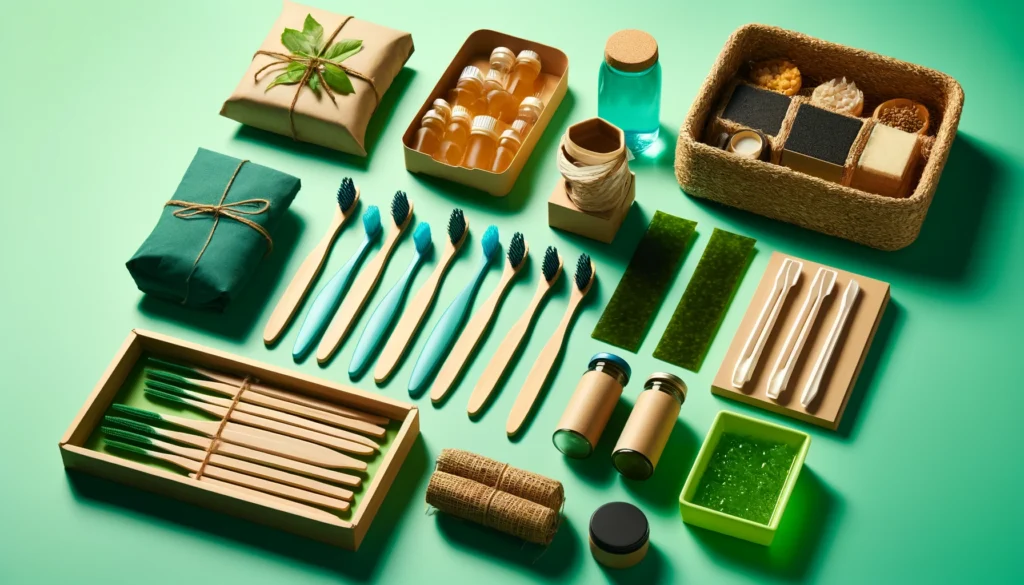
Biologisch afbreekbare producten in het dagelijks leven
Cleaning Supplies
Biodegradable cleaning products, including surface cleaners, wipes, En coconut cleaning brushes, are gaining popularity. These products are made from plant-based ingredients and are designed to break down without releasing harmful chemicals into the environment.
Voorbeelden:
- Puracy Everyday Surface Cleaner: Made with plant-powered ingredients and 100% biodegradable formula.
- Swedish Dishcloths: Composed of cotton, fast-drying, and a great alternative to paper towels.
Personal Care
From bamboo toothbrushes naar biodegradable floss, personal care products made from biodegradable materials are growing in demand. These products are hypoallergenic and free of harmful chemicals, making them safer for both the user and the planet.
Kitchenware and Packaging
PLA containers En biodegradable cutlery are excellent alternatives to single-use plastics. In addition, sugarcane-based trays En compostable food packaging help reduce plastic waste in the foodservice industry.
Voorbeelden:
- PLA Containers: Made from cornstarch, ideal for clear containers and biodegradable beverage packaging.
- Sugarcane Food Trays: Compostable and biodegradable, made from renewable resources.
Afvalbeheer
Biodegradable trash bags are more energy-efficient to produce compared to plastic bags, and they provide an environmentally friendly option for waste disposal. Additionally, products like composteerbaar bestek En biologisch afbreekbare rietjes reduce plastic pollution in landfills and oceans.

Voordelen van het overstappen op biologisch afbreekbare producten
Milieu-impact
Biodegradable products significantly reduce the amount of plastic waste in oceans and landfills. By breaking down naturally, they contribute to lower pollution levels, conserve natural resources, En support biodiversity by minimizing harm to wildlife.
Gezondheid en veiligheid
Biodegradable products are typically made from non-toxic materials, making them a safer option for consumers. For example, bamboo toothbrushes En coconut cleaning brushes are naturally hypoallergenic and free of harmful chemicals often found in plastic alternatives.
Long-Term Cost Savings
While biodegradable products can be more expensive upfront, they can save money in the long run by reducing waste management costs and contributing to more efficient recycling and composting processes.

Veelvoorkomende misvattingen over biologisch afbreekbare producten overwinnen
Myths vs. Reality
Myth 1: “All biodegradable products break down quickly in landfills.”
- Realiteit: Many biodegradable products require specific conditions (e.g., industrial composting) to degrade properly. Without these conditions, some biodegradable products may still take years to break down.
Myth 2: “Biodegradable products are always 100% eco-friendly.”
- Realiteit: While biodegradable products decompose naturally, their environmental impact depends on factors such as production methods, raw materials, En disposal conditions. Some products still require significant resources to manufacture.

De toekomst van biologisch afbreekbare producten
Innovaties in biologisch afbreekbare materialen
De toekomst van biologisch afbreekbare producten ziet er veelbelovend uit met de ontwikkeling van op mycelium gebaseerde verpakkingen, op zeewier gebaseerde kunststoffen, En wateroplosbare bioplastics. Deze innovaties kunnen een revolutie teweegbrengen in de industrie en duurzamere en effectievere oplossingen bieden voor verpakkingen en consumptiegoederen.
Overheidsregelgeving en mondiale initiatieven
Overheden over de hele wereld implementeren steeds meer regelgeving om plastic afval te verminderen. Veel landen hebben het gebruik van kunststoffen voor eenmalig gebruik verboden of beperkt, terwijl ze de adoptie van biologisch afbreekbare producten aanmoedigen. Deze mondiale verschuiving biedt bedrijven zowel uitdagingen als kansen om in duurzame alternatieven te investeren.
De rol van consumenten en bedrijven
Both consumers and businesses play a crucial role in transitioning to biodegradable products. By choosing eco-friendly options and supporting companies that prioritize sustainability, consumers can drive demand for biologisch afbreekbare alternatieven. Similarly, businesses can adopt green certifications, sustainable sourcing practices, En composteerbare verpakking to meet the growing demand for environmentally friendly products.

FAQ-sectie
1. What are biodegradable products made from?
Biodegradable products are typically made from plantaardige materialen such as bamboo, cotton, and cornstarch, or bioplastics like PLA and PHA.
2. How do biodegradable products break down?
Biodegradable products break down through biological processes involving microorganisms such as bacteria and fungi. The process depends on environmental conditions like temperature, moisture, En oxygen.
3. Are biodegradable products better than recyclable products?
Both biodegradable and recyclable products have environmental benefits, but biodegradable products tend to natuurlijk afbreken, reducing waste in landfills. Recyclable products can be reused multiple times but require appropriate recycling facilities.
4. Do biodegradable products still cause pollution?
While biodegradable products decompose faster than plastics, they can still contribute to microplastic vervuiling if not disposed of properly. It’s important to follow disposal guidelines.
5. How long does it take for biodegradable products to break down?
The breakdown time varies depending on the material and environmental conditions. For example, PLA may take months, while bamboe En mycelium decompose in weken tot maanden under the right conditions.
6. Are biodegradable products more expensive?
Biodegradable products can be more expensive upfront, but they can provide long-term savings through reduced waste management costs En energy consumption.
7. Where can I dispose of biodegradable products?
Biodegradable products should be gecomposteerd in industriële composteerinstallaties of home composting systems. They should not be thrown into regular landfills unless composting is not available.
8. What certifications should I look for when buying biodegradable products?
Zoek naar certificeringen zoals BPI-gecertificeerd, Composteerbaar gecertificeerd, of USDA Organic to ensure that the product meets environmental standards.
Citaties
- Puracy – 10 Biodegradable Products for the Planet
- Meyers – Biodegradable Packaging Materials for Food and Beverages
- EcoFreek – Biodegradable Materials
- PMC – Biodegradable Products and Their Environmental Impact
- Spark Interiors – 8 biologisch afbreekbare producten die elk huis nodig heeft