
| Materiaal | Rating | Price Range | Composting Type | Beschrijving |
|---|---|---|---|---|
| Thuis composteerbaar | ★★★★☆ | $0.08–$0.12 | Biodegradable and compostable at home | Withstands heat well. |
| PLA Bioplastic | ★★★★☆ | $0.06–$0.10 | Alleen industrieel | Requires industrial composting facilities; mimics plastic from our product range functionality. |
| Papier | ★★☆☆☆ | $0.03–$0.06 | Limited by PFAS | Susceptible to sogginess; some brands contain hazardous coatings. |
| Tarwe Stengels | ★★★☆☆ | $0.01–$0.05 | Thuis composteerbaar | Biodegradable and compostable at home; a relatively new alternative. |
Key Considerations for Choosing Sustainable Straws
- PLA bioplastic: While functionally similar to plastic, it requires industrial composting facilities, limiting its widespread home compostability. Assess the availability of industrial composting facilities in your area before switching to this plastic alternative.
- Paper straws: The presence of PFAS in some paper straws necessitates careful supplier selection and verification of certifications. Look for independent third-party certifications confirming the absence of harmful chemicals.
- Sugarcane straws: Made from bagasse (agricultural waste), sugarcane straws offer a superior combination of biodegradability, heat resistance, and cost-effectiveness. They are a great eco-friendly plastic alternative.
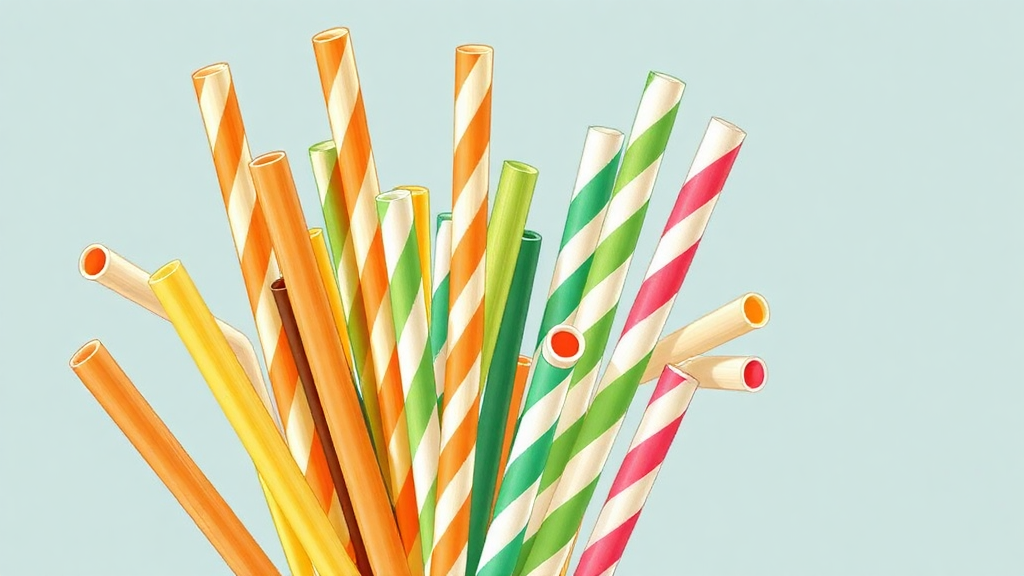
Sugarcane Straws: A Zero-Waste Standout
Sugarcane-based straws address common pain points associated with plastic waste reduction while offering operational ease and cost-effectiveness for businesses.
Benefits of Sugarcane Straws:
- Thuis composteerbaar: Break down in backyard compost bins within weeks, reducing landfill waste. This aligns with growing consumer demand for environmentally friendly products and reduces plastic waste.
- Heat-Resistant: Maintain structural integrity in hot beverages up to 85°C. This is crucial for businesses serving hot drinks.
- Kosteneffectief: Bulk pricing significantly lowers the per-unit cost compared to reusable models, making them a viable option for high-volume businesses.
Actionable Steps for Businesses Transitioning to Sugarcane Straws:
- Partner with reputable suppliers: Choose suppliers who can provide certifications confirming the biodegradability and compostability of their rietjes van boba-rietjes and who offer customizable branding options (e.g., prints or colors) to enhance your brand identity.
- Educate patrons: Use signage and other communication channels to inform customers about your commitment to sustainability and the benefits of your chosen straw alternative. Highlight the eco-friendly nature of the sugarcane straws and their compostability.
- Implement a comprehensive waste management system: Zorg ervoor dat de juiste verwijderingsmethoden aanwezig zijn om het composteringsproces te vergemakkelijken. Dit kan inhouden dat er compostbakken aan klanten worden aangeboden of dat er wordt samengewerkt met lokale composteringsfaciliteiten.
- Monitoren en evalueren: Beoordeel regelmatig de prestaties en kosteneffectiviteit van het door u gekozen stro-alternatief. Verzamel feedback van klanten en personeel om verbeterpunten te identificeren.
Door het regelgevingslandschap en de beschikbare alternatieven zorgvuldig af te wegen, kunnen bedrijven weloverwogen beslissingen nemen die hun impact op het milieu minimaliseren, terwijl de operationele efficiëntie behouden blijft en aan de verwachtingen van de klant wordt voldaan. Om zero-waste-initiatieven te realiseren moeten bedrijven prioriteit geven aan duurzame alternatieven voor plastic voor eenmalig gebruik, met name rietjes. Deze transitie biedt aanzienlijke ecologische en economische voordelen.
Significant Environmental and Economic Benefits of Eco-Friendly Straws
Aligning with growing consumer demand for eco-conscious practices, this article explores the shift towards sustainable alternatives to plastic straws. Switching to sugarcane straws, for instance, offers businesses a chance to reduce their environmental footprint while potentially saving money in the long run.

Plastic Straw Bans: A Path to Sustainability
Sustainable Straw Alternatives for Businesses
This article explores the transition to eco-friendly straws, focusing on sugarcane and PLA bioplastic options. We’ll examine their durability, cost-effectiveness, sourcing, disposal methods, and overall impact on businesses’ sustainability goals.

Switching from plastic straws to sustainable alternatives like sugarcane and PLA bioplastic offers businesses a significant opportunity to reduce their environmental footprint and enhance their brand image. The benefits extend beyond simply complying with plastic bans; they encompass cost savings, improved customer perception, and a stronger commitment to corporate social responsibility.
FAQs on Eco-Friendly Straw Adoption
Onderneem vandaag nog actie
Embracing plastic-free initiatives isn’t merely about compliance; it’s a strategic move to enhance your brand image and attract environmentally conscious consumers. For businesses ready to pilot sustainable straw solutions:
📩 Claim Free Samples: Visit NatureBioEco’s Partner Portal om op maat gemaakte suikerrietstromonsters aan te vragen voor uw vestiging. Overweeg om monsters van zowel suikerriet- als PLA-rietjes aan te vragen om de duurzaamheid en geschiktheid voor uw specifieke behoeften te vergelijken.
Door plasticvrije alternatieven te adopteren, draagt u actief bij aan het mondiale behoud van de oceanen en voldoet u aan de toenemende vraag naar duurzame horecapraktijken. Deze toewijding heeft een positieve weerklank bij klanten en verbetert de merkreputatie.
Case Studies: Successful Implementation of Sustainable Straws
Casestudy 1: De transitie van een grote koffieketen naar suikerrietrietjes
Een toonaangevende Europese koffieketen is in al zijn verkooppunten met succes overgestapt op suikerrietrietjes. Dit resulteerde in een opmerkelijke vermindering van 40% in plastic afval binnen zes maanden. Bovendien toont positieve feedback van klanten, waarbij 85% van de klanten hun waardering uitspreekt voor het milieuvriendelijke initiatief, de positieve impact op de klantperceptie aan. Dit succes onderstreept de haalbaarheid en positieve ontvangst van een dergelijke transitie.
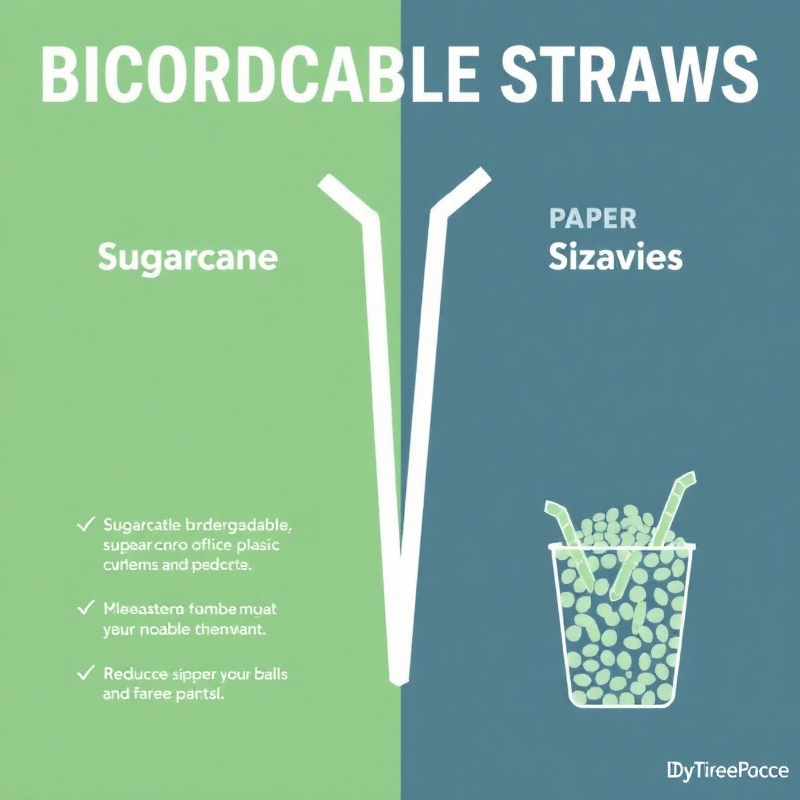
Casestudy 2: De adoptie van PLA bioplastic rietjes door een Amerikaanse restaurantketen
Een prominente Amerikaanse restaurantketen integreerde PLA-bioplastic rietjes in zijn duurzaamheidsstrategie. Ondanks hogere initiële kosten realiseerde de keten een reductie van 25% in de totale afvalbeheerkosten dankzij de industriële composteerbaarheid van de rietjes. Deze kostenbesparingen, gekoppeld aan een toename van 15% in klantloyaliteit, laten de financiële en reputatievoordelen op de lange termijn zien. Dit toont aan dat, hoewel de initiële investering hoger kan zijn, het rendement op de lange termijn aanzienlijk kan zijn.

Data Insights: The Impact of Plastic Straw Bans
- Milieu-impact: Uit onderzoek blijkt dat het verbod op plastic stro de plasticvervuiling in oceanen en stortplaatsen aanzienlijk vermindert.
Reduce Plastic Waste with Sustainable Sugarcane Straws for Your Business
Plastic straw bans are significantly reducing plastic waste, achieving up to a 50% decrease in urban areas. This highlights the substantial environmental benefits of eliminating single-use plastics and switching to sustainable alternatives like sugarcane straws. Businesses are increasingly recognizing the importance of this shift, both for environmental responsibility and for attracting environmentally conscious consumers.
A 2022 survey showed a strong 70% consumer preference for businesses using sustainable straws. This preference presents a significant market opportunity for businesses to cater to environmentally conscious consumers and improve their sustainability profile.
Economische voordelen van het overstappen op suikerrietrietjes
De overstap naar milieuvriendelijke suikerrietrietjes kan op de lange termijn aanzienlijke kostenbesparingen opleveren, die over een periode van vijf jaar tot wel 30% op de afvalbeheerkosten kunnen oplopen. Deze besparingen kunnen worden geherinvesteerd in andere zakelijke aspecten, waardoor de winstgevendheid wordt vergroot en een sterk rendement op de investering wordt aangetoond.
Bruikbare inzichten voor bedrijven die overstappen op suikerrietrietjes
- Voer een afvalaudit uit: Begin met het grondig beoordelen van uw huidige gebruik van plastic rietjes om verbeterpunten te identificeren en een basislijn vast te stellen voor het meten van de impact van uw transitie naar suikerrietrietjes. Deze datagestuurde aanpak zorgt voor een efficiënte toewijzing van middelen.
- Betrek belanghebbenden: Betrek medewerkers en klanten bij het transitieproces. Opleiding van medewerkers en transparante communicatie met klanten zorgen voor draagvlak en bevorderen een gevoel van gedeelde verantwoordelijkheid. Vraag actief om feedback van klanten om zorgen of uitdagingen aan te pakken.
- Monitoren en evalueren: Volg voortdurend de impact van uw nieuwe suikerrietrietjes op de afvalvermindering en klanttevredenheid. Regelmatige monitoring maakt aanpassingen aan uw strategie mogelijk, waardoor duurzaamheidsinspanningen worden geoptimaliseerd en positieve resultaten worden gemaximaliseerd. Gebruik gegevens om de ROI aan te tonen en uw aanpak te verfijnen.
Conclusie
De transitie van plastic rietjes voor eenmalig gebruik biedt bedrijven een substantiële kans om hun duurzaamheidsprofiel te verbeteren, milieubewuste klanten aan te trekken en aanzienlijke kostenbesparingen op de lange termijn te realiseren. Door duurzame alternatieven zoals suikerrietrietjes zorgvuldig te evalueren, effectieve strategieën te implementeren en de voortgang consequent te monitoren, kunnen bedrijven aanzienlijk bijdragen aan het mondiale milieubehoud en tegelijkertijd een concurrentievoordeel verwerven.
Claim vandaag nog uw gratis monsters van suikerrietstro! Bezoek het partnerportaal van NatureBioEco (voeg hier de Partner Portal-link in) om een proefpakket op maat aan te vragen, afgestemd op de behoeften van uw specifieke locatie. We bieden een scala aan opties voor suikerrietstro, variërend in diameter, lengte en kleur, om ervoor te zorgen dat ze perfect passen bij uw bestaande drinkgerei en merkesthetiek. Geef tijdens het aanvraagproces uw wensen aan – geef bijvoorbeeld aan of u een dikker rietje voor smoothies of een dunner rietje voor cocktails verkiest. We sturen u een selectie om te testen en volledige tevredenheid te garanderen voordat u een grotere bestelling plaatst.
Sustainable Sugarcane Straws for Businesses
Marketingmateriaal kan deze positieve boodschap verder versterken. U kunt bijvoorbeeld een korte verklaring opnemen als: "We streven naar ecologische duurzaamheid en gebruiken 100% composteerbare suikerrietrietjes."
Furthermore, transitioning to sugarcane straws offers significant advantages.
Reduce Costs and Improve Efficiency with Sugarcane Straws
Switching to sugarcane straws can improve your operational efficiency. Unlike plastic straws, sugarcane straws are often sourced locally, reducing transportation costs and lead times. Their biodegradable nature also simplifies waste management, reducing your reliance on single-use plastic recycling programs and potentially lowering your waste disposal expenses. Many municipalities offer incentives for businesses that actively reduce their environmental footprint; investigate local programs to see if you qualify for any financial benefits.
Frequently Asked Questions about Sugarcane Straws
Ready to Make a Positive Impact with Sustainable Plastic Alternatives?
Request your free samples now and experience the difference that sustainable, eco-friendly solutions can make for your business. Don’t hesitate to contact our team (or ) if you have any questions or require further assistance.
Veelgestelde vragen over suikerrietstro
Q: What are the environmental benefits of using sugarcane straws?
Sugarcane straws are made from bagasse, a byproduct of sugarcane processing, making them a sustainable and renewable resource. Their biodegradability significantly reduces plastic waste in landfills and oceans.
Q: How cost-effective are sugarcane straws compared to plastic?
While initial costs might seem slightly higher, bulk purchasing of sugarcane straws often leads to lower per-unit costs compared to plastic, especially for high-volume businesses. The long-term savings from reduced waste management costs can also be significant.
Q: Are sugarcane straws durable enough for thick drinks?
A: Yes. Sugarcane straws, unlike paper straws, effectively withstand thick drinks like milkshakes and smoothies without disintegrating. Their superior durability makes them a practical and sustainable alternative to plastic straws.
Q: How do costs compare to plastic straws?
A: Hoewel de initiële kosten hoger kunnen zijn, vermindert de bulkaankoop van suikerriet- of PLA-rietjes de kosten in de loop van de tijd aanzienlijk, waardoor bedrijven mogelijk ongeveer 30% worden bespaard in vergelijking met de lopende kosten van het herhaaldelijk kopen van plastic rietjes. Deze kostenbesparingen op de lange termijn compenseren de initiële investering.
Vraag: Waar kunnen bedrijven suikerrietrietjes kopen?
A: Gerenommeerde leveranciers zoals Green Straws en Holy City Straw Company bieden bulkzendingen suikerrietrietjes aan die voldoen aan de ASTM-normen (American Society for Testing and Materials), waardoor kwaliteit en consistentie worden gegarandeerd. Het is van cruciaal belang om de certificeringen van leveranciers te verifiëren om de duurzaamheidsclaims van het product te garanderen.
Vraag: Vereisen composteerbare opties een speciale verwijdering?
A: Alternatieven voor suikerriet en tarwestro ontbinden op natuurlijke wijze in de meeste composteringsomgevingen. Voor een goede afbraak van PLA (polymelkzuur) bioplastic rietjes zijn echter industriële composteringsfaciliteiten nodig. Communiceer duidelijk verwijderingsinstructies aan klanten om de voordelen voor het milieu te maximaliseren.
Q: What are the environmental benefits of using sugarcane straws?
Rietjes van suikerriet zijn een volledig composteerbaar en biologisch afbreekbaar alternatief voor plastic rietjes. Door over te stappen op suikerrietrietjes wordt het plasticafval direct verminderd en wordt de vervuiling van de oceaan, een groot probleem voor het milieu, bestreden.
Vraag: Hoe kunnen bedrijven profiteren van de overstap naar suikerrietrietjes?
Businesses benefit from reduced waste management costs, improved brand image, and the ability to attract environmentally conscious customers. The transition to sugarcane straws aligns with growing consumer demand for sustainable practices.
Q: Are sugarcane straws truly biodegradable?
Yes, sugarcane straws are completely biodegradable and compostable, unlike plastic straws which persist in the environment for hundreds of years. This makes them a sustainable alternative for businesses committed to reducing their environmental impact.
Q: Where can I source sugarcane straws for my business?
Contact us today to learn more about sourcing high-quality, sustainable sugarcane straws for your business. We offer competitive pricing and reliable delivery.