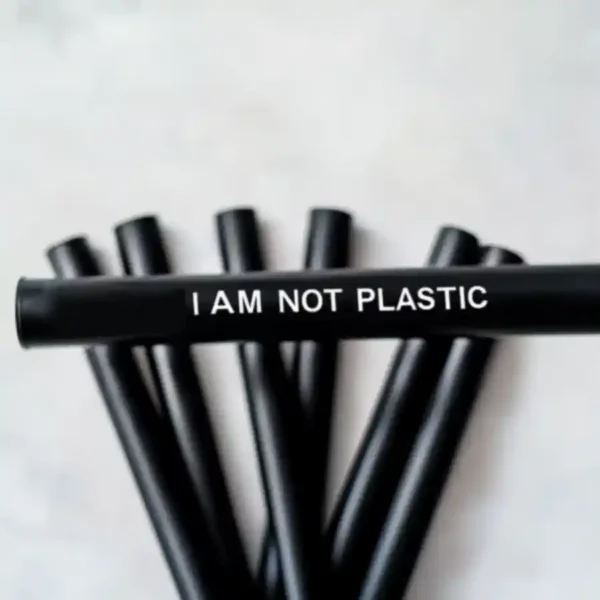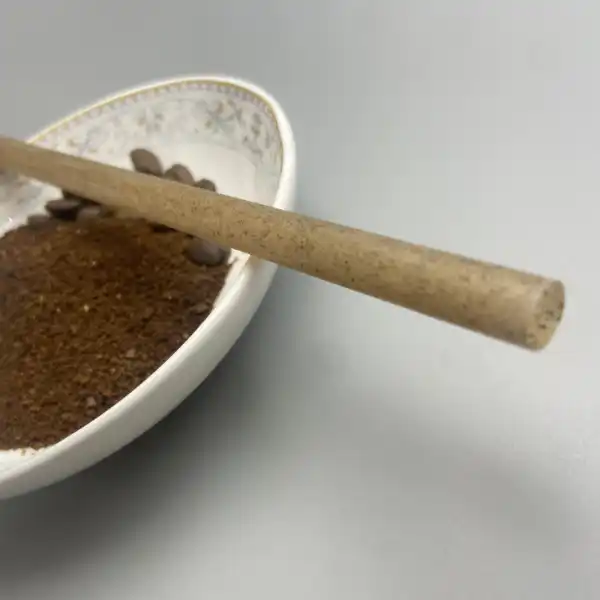
 De wereldwijde verschuiving naar duurzaamheid vereist dat bedrijven prioriteit geven aan de vermindering van plasticafval. Plastic voor eenmalig gebruik, vooral rietjes, draagt aanzienlijk bij aan de aantasting van het milieu; Sinds de jaren vijftig is er 8,3 miljard ton plastic afval geproduceerd. Milieubewuste bedrijven en restaurants die op zoek zijn naar duurzame alternatieven zouden suikerrietrietjes moeten overwegen – een wetenschappelijk gevalideerde oplossing die verantwoordelijkheid voor het milieu in evenwicht brengt met operationele efficiëntie. Uw bedrijf kan een verschil maken.
Waarom Boba-rietjes van suikerriet Zijn een gamechanger
Suikerrietrietjes worden vervaardigd uit suikerrietbagasse, een vezelachtig bijproduct van de suikerproductie, gecombineerd met plantaardige bindmiddelen zoals polymelkzuur (PLA). In tegenstelling tot traditionele plastic rietjes bieden ze belangrijke voordelen:
- Biologisch afbreekbaarheid: Ze worden op natuurlijke wijze afgebroken binnen 3-6 maanden in thuiscompostsystemen en zijn gecertificeerd voor industriële compostering (ASTM D6400). Dit staat in schril contrast met plastic rietjes die eeuwenlang blijven bestaan.
- Composteerbaarheid: Hun certificering garandeert een verantwoorde verwijdering, waardoor de stortlast wordt verminderd. Dit is een cruciale onderscheidende factor ten opzichte van veel andere alternatieven.
- Hernieuwbaarheid: Het gebruik van landbouwafval in plaats van fossiele brandstoffen bevordert een circulaire economie en vermindert de afhankelijkheid van nieuwe materialen. Dit verlaagt de CO2-voetafdruk aanzienlijk in vergelijking met de productie van plastic.
Een levenscyclusanalyse uit 2023 onthulde dit suikerriet rietjes de CO2-uitstoot met 52% verminderen in vergelijking met plastic, waardoor hun positie als hoeksteen van zero-waste-oplossingen en groene bedrijfspraktijken wordt verstevigd. Dit datagedreven voordeel zou een dwingende factor moeten zijn voor bedrijven die duurzaamheidsdoelstellingen nastreven.
Belangrijkste voordelen van het overstappen op suikerrietrietjes voor uw bedrijf
1. Vermindering van de milieu-impact:
- Beperking van plastic afval: Het vervangen van plastic rietjes voorkomt direct dat niet-recyclebaar afval op stortplaatsen en in de oceanen terechtkomt. Denk eens aan de onthutsende statistiek: alleen al in de VS worden dagelijks 500 miljoen plastic rietjes weggegooid. Het overstappen op suikerrietrietjes betekent een substantiële vermindering van deze afvalstroom.
- Ecosysteembescherming: Het leven in zee wordt aanzienlijk beïnvloed door plasticvervuiling. Biologisch afbreekbare suikerrietrietjes beperken dit risico en beschermen kwetsbare ecosystemen.
- Behoud van hulpbronnen: Het hergebruiken van bagasse, een afvalproduct, is een voorbeeld van de principes van de circulaire economie, waardoor de afhankelijkheid van nieuwe materialen wordt verminderd en de impact op het milieu wordt geminimaliseerd.
2. Operationele voordelen voor uw bedrijf:
- Merkdifferentiatie: Trek milieubewuste consumenten aan. Uit onderzoek blijkt dat 72% van de consumenten de voorkeur geeft aan merken die zich inzetten voor duurzame praktijken. Het onder de aandacht brengen van uw gebruik van suikerrietrietjes kan een krachtig marketinginstrument zijn.
- Naleving van regelgeving: Ga proactief in op veranderende regelgeving. Veel steden (zoals New York) en landen (zoals Canada) voeren een verbod in op plastic voor eenmalig gebruik. Het gebruik van suikerrietrietjes zorgt voor naleving en vermijdt mogelijke boetes.
- Kostenefficiëntie: Opties voor bulkaankoop (bijvoorbeeld $ 20 per 1.000 eenheden) bieden kostenconcurrentievermogen met papieren alternatieven, terwijl ze superieure prestaties bieden. Overweeg om bulkkortingen te onderhandelen om de kosteneffectiviteit verder te verbeteren.
3. Uitmuntende prestaties:
- Duurzaamheid: Rietjes van suikerriet zijn 4 tot 6 uur bestand tegen vloeistoffen zonder drassig te worden, wat de prestaties van papieren rietjes overtreft. Dit zorgt voor een positieve klantervaring.
- Veelzijdigheid: Geschikt voor zowel warme (tot 80°C) als koude dranken.
Rietjes van suikerriet: een duurzame oplossing voor bedrijven

Hun bruikbaarheid uitbreiden. Hierdoor zijn er geen aparte soorten stro meer nodig.
- Smaakneutraal: In tegenstelling tot sommige alternatieven bieden suikerrietrietjes een neutrale smaakervaring, waardoor de smaak van de drank niet wordt aangetast.
Suikerriet versus andere milieuvriendelijke rietjes voor uw bedrijf
| Materiaal | Biologische afbreekbaarheid | Duurzaamheid (uren) | Kosten per 1k-eenheden (USD) | Koolstofvoetafdruk |
|---|---|---|---|---|
| Plastic | Eeuwen | Onbepaald | 10 | Hoog |
| Papier | 2–6 weken | 0.5–1 | 15 | Gematigd |
| Suikerriet | 3–6 maanden | 4–6 | 20 | Laag |
Door over te stappen op suikerrietrietjes kunnen bedrijven hun ecologische voetafdruk aanzienlijk verkleinen, hun merkimago versterken en de operationele efficiëntie verbeteren. Deze transitie vertegenwoordigt een verantwoorde en impactvolle stap naar een duurzamere toekomst.
Het kiezen van duurzame suikerrietrietjes voor uw bedrijf
Houd rekening met de milieu-impact van uw verpakkingskeuzes. Rietjes van suikerriet bieden een superieur alternatief voor plastic rietjes.
Overstappen op suikerrietrietjes is een eenvoudige maar impactvolle manier voor uw bedrijf om duurzaamheid te omarmen.
| Materiaal | Afbraaktijd (stortplaats) | Afbraaktijd (Compost) | Kosten per 1000 eenheden | Milieu-impact |
|---|---|---|---|---|
| Suikerriet | 3–6 maanden | 60–90 dagen | $ 20 | Laag |
| Rijst | 6–12 maanden | 120-180 dagen | $ 25 |
Overstappen op duurzame suikerrietrietjes voor uw bedrijf
Gegevens afkomstig van onafhankelijke levenscyclusanalyses.
Rietjes van suikerriet vormen een superieur alternatief voor plastic rietjes voor uw bedrijf. Ze bieden een overtuigende mix van kosteneffectiviteit en uitzonderlijke milieuvoordelen. Dit maakt ze de perfecte oplossing voor bedrijven die prioriteit geven aan duurzaamheid zonder concessies te doen aan de kwaliteit of operationele efficiëntie. De inherente biologische afbreekbaarheid van suikerrietrietjes vermindert het plasticafval aanzienlijk, wat perfect aansluit bij de groeiende vraag van de consument naar milieuvriendelijke producten.
Implementatie van suikerrietrietjes: een gefaseerde aanpak
Stap 1: Geleidelijke integratie
Start by replacing 30% of your current plastic straw inventory each quarter. This measured approach helps manage costs while clearly demonstrating your commitment to sustainability. The gradual change also allows ample time to adapt operations and train your staff. Regularly monitor customer feedback to quickly address any potential issues.
Step 2: Strategic Sourcing and Partnerships
Utilize your bulk purchasing power to negotiate better prices. Partner with suppliers like Renouvo or noissue to secure discounted rates on orders exceeding 10,000 units. Explore carbon-neutral shipping options from suppliers to further minimize your environmental impact. Negotiate contracts ensuring consistent supply and quality. Request samples from various suppliers to compare quality, durability, and pricing before placing a large order.
Step 3: Comprehensive Staff Training and Customer Engagement
Thorough staff training is essential for a smooth transition. Educate your employees on proper composting techniques, emphasizing the importance of separating sugarcane straws from regular waste. Provide clear instructions and visual aids to simplify the process. Communicate your sustainability commitment to customers via table tents, digital menus, or signage. Highlight the reduced plastic waste and the positive environmental impact of your choice. Use engaging visuals and concise messaging for optimal customer understanding and appreciation.
Step 4: Strategic Marketing and Brand Enhancement
Promote your sustainability efforts across various marketing channels. Share your sugarcane straw initiative to showcase your commitment to environmental responsibility and attract environmentally conscious customers. This will enhance your brand image and attract customers who value sustainable business practices.
Het aanpakken van veelvoorkomende problemen met betrekking tot suikerrietrietjes
Durability of Sugarcane Straws
Sugarcane straws exhibit superior durability compared to paper alternatives, making them suitable for various beverages, including smoothies and hot coffee. Their resilience ensures a positive customer experience, mitigating concerns about breakage or structural integrity.
Cost Comparison: Sugarcane vs. Plastic Straws
While the initial cost of sugarcane straws may be slightly higher than plastic, long-term savings can be achieved through tax incentives for sustainable businesses and reduced waste disposal fees. Conduct a thorough cost-benefit analysis to assess the long-term financial implications of switching to sugarcane straws.
Availability of Sugarcane Straws for Your Businesses
Ensuring a reliable supply of sugarcane straws is crucial for your businesses. Partnering with established suppliers can help mitigate potential disruptions to your operations.
Casestudy: een succesvolle overgang naar suikerrietrietjes
A U.S.-based café chain successfully transitioned to sugarcane straws across 50 locations. The results highlight the benefits for your businesses:
- 40% increase in customer satisfaction scores
- 12% revenue growth attributed to environmentally conscious consumers
- Avoidance of significant fines by complying with California’s single-use plastics ban – saving approximately $5,000 per month.
This demonstrates the potential for positive financial and reputational benefits associated with adopting sustainable practices for your businesses.
Veelgestelde vragen (FAQ) over suikerrietrietjes
Diepe duik: de wetenschap achter suikerrietrietjes
Sugarcane straws are derived from sugarcane bagasse, a byproduct of sugar production that would otherwise be discarded. This agricultural waste is combined with polylactic acid (PLA), a plant-based polymer derived from renewable resources like corn starch or sugarcane. The resulting material is biodegradable and compostable under the right conditions.
A 2023 study in the Journal of Cleaner Production found that sugarcane straws have a 52% lower carbon footprint than traditional plastic straws. This reduction stems from the use of sustainable materials and reduced reliance on fossil fuels.
De economische voordelen van suikerrietrietjes voor uw bedrijf
While the initial cost of sugarcane straws might be higher than plastic, the long-term economic benefits are substantial. Businesses can leverage tax incentives offered for adopting sustainable practices and reduce waste disposal fees. For example, offers a for businesses using sustainable alternatives to plastic. Furthermore, the rising demand for eco-friendly products allows businesses switching to sugarcane straws to attract environmentally conscious consumers, boosting revenue and fostering customer loyalty. A recent study by suggests that .
Mondiale trends en het regelgevingslandschap voor suikerriet en plastic rietjes
The global movement to ban single-use plastics is accelerating. Countries like Canada, the UK, and Australia have implemented stringent regulations, and many U.S. cities are following suit. Specific examples include . By adopting sugarcane straws, your businesses can future-proof their operations and avoid potential fines and penalties for non-compliance. Proactive adoption demonstrates corporate social responsibility and can enhance your brand reputation. Understanding the specific regulations in your region is crucial; consult for detailed information.
Actionable Steps for Businesses Transitioning to Sugarcane Straws
- Conduct a Comprehensive Waste Audit: Analyze your current plastic straw usage, identifying areas for the most impactful sugarcane straw substitution. Consider using a standardized waste audit methodology like .
- Strategic Supplier Engagement: Establish relationships with suppliers offering carbon-neutral shipping and bulk discounts for sugarcane straws. Negotiate contracts that incorporate sustainability clauses, such as .
- Effective Customer Education: Utilize marketing materials to communicate your switch to sugarcane straws and their positive environmental impact. Highlight the reduced carbon footprint and compostability. Consider using clear, concise messaging like ” is committed to sustainability. Our switch to sugarcane straws reduces our environmental impact and reflects our values.”
- Robust Measurement and Reporting: Track your progress, quantifying reductions in plastic waste and carbon emissions from sugarcane straws. Use this data to create compelling sustainability reports for stakeholders, demonstrating your commitment to environmental responsibility. Consider using a recognized sustainability reporting framework like .
Conclusie: Duurzame praktijken omarmen met suikerrietrietjes
Sugarcane straws offer a sustainable, cost-effective, and high-performing alternative to traditional plastic straws. The transition not only reduces environmental impact and ensures regulatory compliance but also enhances your brand image and appeals to environmentally conscious consumers. With a well-defined strategy, the shift to sugarcane straws benefits both the planet and your bottom line.
Aanvullende bronnen over suikerrietrietjes
- Lifecycle Analysis Reports: Search for detailed studies on the environmental impact of sugarcane straws versus plastic straws.
Verminder de impact van uw bedrijf op het milieu met suikerrietrietjes
In today’s environmentally conscious market, businesses face increasing pressure to adopt sustainable practices. Reducing your carbon footprint and contributing to a healthier planet are no longer optional but essential for long-term success. Sugarcane straws offer a powerful solution, allowing your businesses to eliminate plastic waste while enhancing your brand’s image and appeal. These biodegradable, durable, and eco-friendly alternatives represent a tangible commitment to a greener future, going beyond a simple trend.
Sugarcane straws are manufactured from bagasse, a readily-available byproduct of sugarcane processing. This makes them a sustainable and renewable resource, unlike traditional plastic straws which persist in the environment for hundreds of years. Sugarcane straws are fully compostable, naturally breaking down within months, aligning perfectly with global sustainability initiatives and the growing demand for eco-conscious products. This biodegradability significantly reduces your business’s environmental impact. Consider the lifecycle assessment: from sustainable sourcing to rapid decomposition, sugarcane straws minimize waste at every stage.
Proven Durability and Performance
A common concern when transitioning to eco-friendly alternatives is a perceived compromise in performance. However, sugarcane straws are engineered to match the durability of plastic straws, effectively handling both hot and cold beverages without compromising quality. Their strength ensures a positive user experience, mitigating any concerns about fragility or premature breakdown. Request free samples today to personally assess their strength and functionality.
Visit naturebioeco.com/contact or email samples@naturebioeco.com to join the thousands of businesses already experiencing the benefits.
By implementing these steps, businesses can establish themselves as sustainability leaders and contribute significantly to global plastic waste reduction efforts.
Zet de volgende stap richting duurzaamheid
Ready to minimize plastic waste and enhance your brand’s appeal? Contact us today to discuss your transition to sugarcane straws. Request free samples of sugarcane straws today and experience their durability firsthand. Visit naturebioeco.com/contact or email samples@naturebioeco.com to join thousands of businesses pioneering a greener future. By adopting sugarcane straws, your business can align with global sustainability targets, satisfy eco-conscious customers, and build a legacy of environmental stewardship—one sip at a time.
Experience the Benefits of Sugarcane Straws
Experience firsthand the numerous benefits of sugarcane straws. Visit naturebioeco.com/contact or email samples@naturebioeco.com to begin your journey towards a more sustainable future.
Sluit u aan bij de verwachtingen van de consument en geef uw bedrijf een boost
A 2023 NielsenIQ survey revealed that 73% of global consumers are willing to adjust their purchasing habits to minimize their environmental impact. By offering sugarcane straws, your business directly taps into this growing market segment of environmentally conscious consumers. This resonates deeply with customers seeking ethical and sustainable brands, fostering brand loyalty and building a strong reputation for corporate social responsibility. This simple change can significantly enhance your brand image and set you apart from competitors.
Bouw een erfenis van milieubeheer op
Sustainability is no longer a mere buzzword; it’s a fundamental business imperative. Adopting sugarcane straws contributes to a circular economy, reducing plastic pollution, and inspiring positive change within your industry. Every sugarcane straw used represents a step towards a cleaner, healthier planet, reflecting positively on your company’s values and commitment to environmental responsibility.
Onderneem vandaag nog actie: vraag uw gratis monsters aan
Don’t delay in making a positive impact. Request your free samples now and
Sluit je aan bij de beweging Naar een groenere toekomst
Together, we can create a world where sustainability and success go hand in hand—one sip at a time. This isn’t just a trend; it’s a fundamental shift in how businesses operate and compete. Consumers are increasingly demanding sustainable practices from the brands they support, and this demand is only growing. Ignoring this trend is a significant risk; embracing it presents a powerful opportunity.
By integrating sustainable practices into your business model, you not only contribute to environmental protection but also enhance your brand reputation, attract environmentally conscious consumers, and potentially unlock new revenue streams. Consider these actionable steps:
1. Supply Chain Optimization
Analyze your entire supply chain, from raw material sourcing to product distribution. Identify areas where you can reduce waste, minimize your carbon footprint, and source more sustainable materials. For example, switching to recycled packaging or partnering with suppliers committed to ethical and sustainable practices can significantly reduce your environmental impact. Quantify your progress by tracking metrics such as reduced waste volume, decreased carbon emissions, and increased use of recycled materials. Regularly audit your supply chain to ensure ongoing improvement.
2. Energy Efficiency
Implement energy-efficient technologies and practices throughout your operations. This could involve upgrading to energy-efficient lighting and equipment, optimizing your building’s energy consumption, or investing in renewable energy sources such as solar panels. Track your energy usage and identify areas for improvement. The savings on energy bills alone can provide a strong return on investment.

3. Waste Reduction and Recycling
Develop a comprehensive waste management plan that minimizes waste generation and maximizes recycling and composting efforts. This includes implementing robust recycling programs, exploring composting options for organic waste, and investing in waste reduction technologies.
Sustainable Straws: Reducing Plastic Waste for Your Businesses
Transition to eco-friendly sugarcane straws as a sustainable alternative to plastic. This simple change can significantly reduce your business’s environmental impact and appeal to environmentally conscious consumers. Explore different sugarcane straw options to find the best fit for your needs. Consider the durability, cost-effectiveness, and overall sustainability of your chosen straws.
Publicly reporting your waste reduction progress, including the switch to sugarcane straws, can build trust and transparency with your consumers. This demonstrates your commitment to environmental responsibility and strengthens your brand reputation.
Sustainable Packaging Options for Your Business
Transition to eco-friendly packaging materials for your products. Explore options such as biodegradable, compostable, or recycled packaging. Reduce packaging size where possible to minimize material usage and transportation costs. Clearly communicate your commitment to sustainable packaging on your product labels and marketing materials.
Employee Engagement in Sustainability Initiatives
Involve your employees in your sustainability initiatives. Educate them about your sustainability goals and encourage them to participate in initiatives such as waste reduction programs or energy conservation efforts. A company culture that values sustainability can foster innovation and improve employee morale.
Transparency and Communication About Your Sustainability Efforts
Be transparent about your sustainability efforts. Publicly report on your progress towards your sustainability goals. Use your website, social media, and other marketing channels to communicate your commitment to sustainability and highlight your achievements. Transparency builds trust with consumers and strengthens your brand reputation.
By actively pursuing these strategies, you demonstrate a commitment to a greener future, enhance your brand image, attract and retain customers, and contribute to a healthier planet.
Veelgestelde vragen over biologisch afbreekbare rietjes
Q: What is the decomposition time of sugarcane straws?
A: Sugarcane straws decompose in 3-6 months in home compost and even faster in industrial composting facilities.
Q: How durable are sugarcane straws compared to plastic?
A: While not as durable as plastic (lasting 4-6 hours), sugarcane straws offer a sustainable alternative for most beverage applications.
Q: How long do sugarcane straws take to decompose?
A: In home compost systems: 3–6 months; industrially: 60–90 days. The decomposition time is significantly shorter than plastic straws, which can persist in the environment for hundreds of years.
Q: Are sugarcane straws FDA-approved?
A: Yes, sugarcane straws are FDA-approved and free from BPA, phthalates, and microplastics, ensuring safety and compliance with food safety regulations.
Q: Can sugarcane straws handle hot beverages?
A: Yes, sugarcane straws can withstand temperatures up to 176°F/80°C without softening, making them suitable for hot coffee and tea.
Q: Where can I purchase bulk orders of sugarcane straws?
A: Suppliers like noissue and Renouvo offer wholesale pricing starting at $15 per 1,000 units. Contact multiple suppliers to compare pricing, quality, and delivery options.
Q: How can sugarcane straws benefit my business economically?
Sugarcane straws offer long-term cost savings through reduced waste disposal fees and tax incentives for sustainable practices. The increased appeal to environmentally conscious consumers also boosts revenue and brand loyalty.
Q: Are there any government incentives for using sugarcane straws?
Many regions offer tax incentives and grants for businesses adopting sustainable alternatives like sugarcane straws. Research your local and national programs for specific details.
Q: How can I find reputable sugarcane straw suppliers?
Explore online directories specializing in sustainable packaging solutions to find reputable sugarcane straw suppliers.
Q: How do I compost sugarcane straws?
Consult resources from organizations like for best practices on composting sugarcane straws.
Q: How can my business benefit from using sugarcane straws?
A: Switching to sugarcane straws reduces your plastic footprint, aligns with consumer demand for sustainable products, and enhances your brand’s image as environmentally responsible.
Q: What types of sustainable packaging are available?
A: Biodegradable, compostable, and recycled packaging are all excellent options to consider for your business’s sustainability efforts.