Introduction: The Plastic Straw Villain and the Redemption of Sustainability
Plastic straws have long been an inconspicuous part of our daily lives, but with growing environmental awareness, the issue of plastic pollution is gaining global attention. It’s estimated that around 8 million tons of plastic waste enter the oceans every year, with plastic straws being one of the major single-use plastic products. Environmental organizations suggest that reducing or eliminating plastic straws could be a key step in “reducing plastic waste.”
De druk van consumenten en toezichthouders zet verschillende industrieën ertoe aan om alternatieven voor plastic rietjes te zoeken. Door het gebruik van milieuvriendelijke materialen en veranderende consumptiegewoonten proberen bedrijven hun ecologische voetafdruk te verkleinen en tegelijkertijd hun merkimago te verbeteren. Dit artikel analyseert grondig de praktijken van verschillende industrieën die duurzame rietjes adopteren, van horeca tot luchtvaartmaatschappijen, en onderzoekt hun successen en uitdagingen.
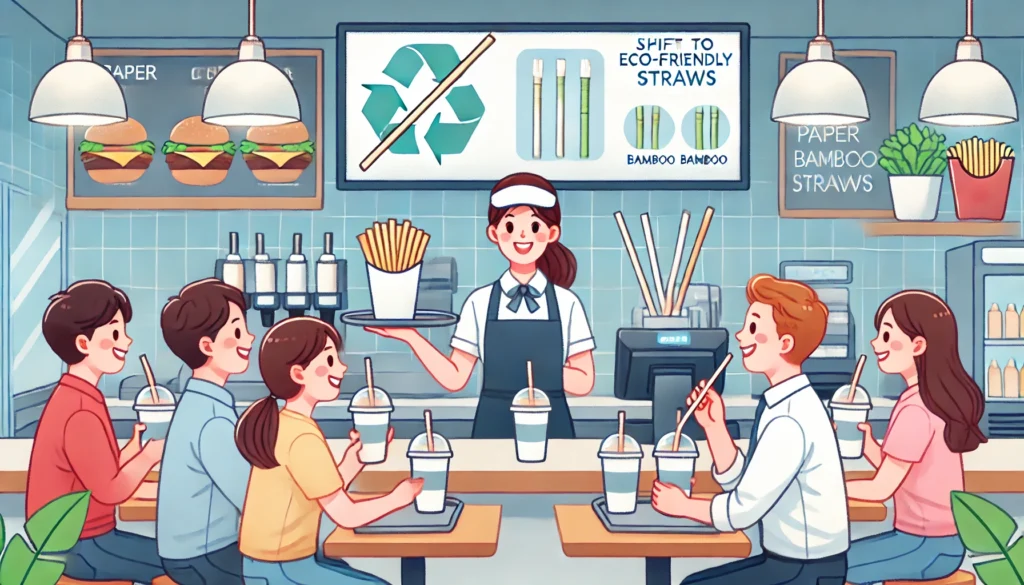
1. The Hospitality and Restaurant Industry: Leading the Charge in Sustainable Straws
In the hospitality and restaurant industries, reducing plastic use has become a core part of the environmental transformation, with straws being one of the easiest items to replace. Many hotel chains have fully eliminated plastic straws, opting for paper, biodegradable, or bamboo alternatives. For example:
- Five-Star Hotels in India: Some hotels have completely removed plastic straws and provide biodegradable straws for weddings, meetings, and other events, reflecting their commitment to sustainability.
- International Hotel Chains: Certain brands have gained eco-friendly reputations by reducing single-use plastic items such as straws and cutlery, appealing to millennials who favor a greener lifestyle.
Challenges and Outlook
Hoewel de horeca aanzienlijke vooruitgang heeft geboekt bij het promoten van duurzame rietjes, blijven de kosten een belangrijk aandachtspunt. Hoewel papieren rietjes een veelgebruikt alternatief zijn, komen hun duurzaamheid en ervaring vaak niet overeen met die van traditionele plastic rietjes. Het vinden van oplossingen die zowel praktisch als kosteneffectief zijn, zal van cruciaal belang zijn voor toekomstige vooruitgang.
Ontdek onze milieuvriendelijke rietjes voor horecabedrijven.
2. The Fast Food Industry: A Global Brand’s Shift Towards Environmental Transformation
De fastfoodindustrie is een van de grootste gebruikers van plastic rietjes, vooral vanwege de lage kosten en de hoge gebruiksfrequentie. Nu de consumenten zich steeds meer bewust zijn van het milieu, intensiveren de marktleiders hun inspanningen echter:
- McDonald's: Since 2018, McDonald’s has fully eliminated plastic straws in the UK and Ireland, replacing them with paper straws.
- Starbucks: “Strawless lids” have become part of their eco-friendly strategy, reducing the need for straws while promoting reusable cups. However, this lid change has stirred some controversy, as its production process increases plastic content.
Challenges and Contradictions
Although paper straws from brands like McDonald’s are seen as positive steps, consumer complaints about their fragility remain a concern. Starbucks’ example highlights that in the pursuit of sustainability, businesses must consider the overall environmental impact, not just focus on a single issue.
See our customizable eco-friendly straws for the fast food industry.
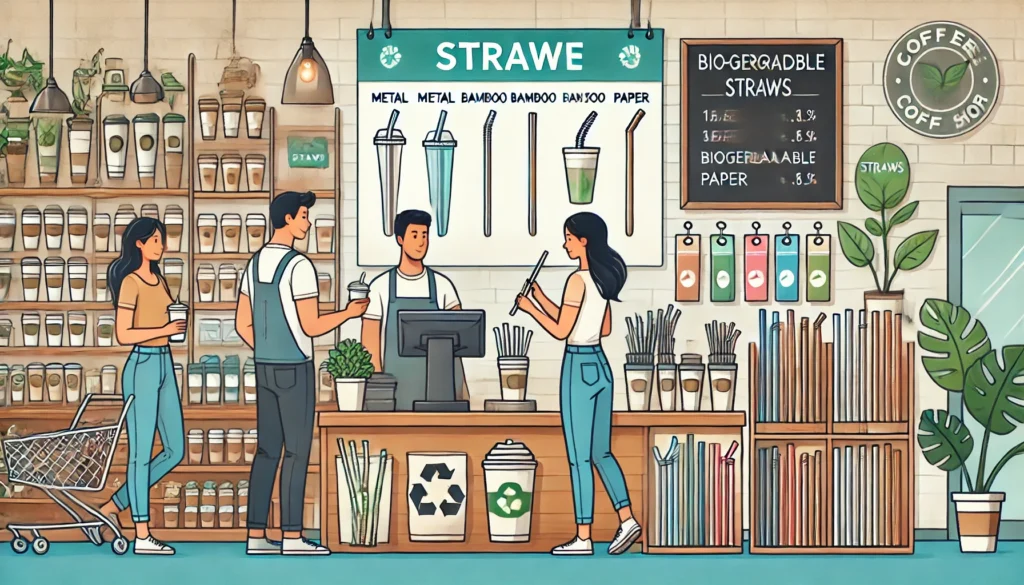
3. The Beverage Industry: The New Frontier for Sustainable Packaging
The beverage industry consumes billions of plastic straws every year, especially in markets like India. Facing stricter plastic bans, beverage companies are increasingly turning to more eco-friendly straw and packaging solutions:
- Paper and PLA Straws: PLA (polylactic acid) straws, made from corn starch, are a widely adopted compostable alternative in many beverage brands.
- Customized Paper Straws: Some companies are innovating by developing branded paper straws, which enhance product recognition and reinforce their eco-friendly image.
Focus on Innovation
The beverage industry is a key driver of material innovation. By developing biodegradable materials or reusable straw solutions, beverage companies are balancing commercial interests with environmental responsibilities.
Explore our eco-friendly PLA and paper straws for beverages.
4. The Coffee Shop Industry: The Rise of Diverse Alternatives
As a major user of straws, the coffee shop industry has played a pioneering role in promoting eco-friendly alternatives:
- Starbucks: The company was one of the first to implement paper straws globally, with bamboo and metal alternatives becoming even more widely accepted within the industry.
- Independent Coffee Shops: Many local coffee shops are attracting environmentally conscious consumers by offering reusable straws (metal and glass) or selling eco-friendly straws.
Marktimpact
Studies show that eco-conscious consumers, especially younger individuals, are more likely to choose coffee shops that visibly adopt sustainable measures. This has directly contributed to the diversification of eco-friendly straw products.
Browse our eco-friendly coffee grounds straws for coffee shops.

5. The Food Delivery and Takeout Industry: Challenges and Opportunities
With rising consumer demand for sustainable food packaging, the food delivery industry is gradually introducing plant-based and paper straws:
- Default Straw Removal: A key approach is to eliminate the automatic inclusion of straws, encouraging customers to request them if needed.
- Collaborations for Bio-Based Packaging: Some food delivery companies have partnered with eco-friendly packaging firms to design sustainable solutions for straws and takeout boxes.
Although the goal is clear, widespread adoption remains a challenge in developing countries due to higher costs.
Learn more about our eco-friendly straws for food delivery services.
Future Trends: The Infinite Possibilities of Eco-Friendly Straws
The global demand for sustainable straws is expected to continue growing over the next decade. Looking ahead, we’ll likely see the following trends:
- Technological Breakthroughs: New materials, such as edible straws and algae-based options, could become the next mainstream alternatives.
- Policy Support: Stringent global environmental policies will push more businesses to phase out traditional plastic straws.
- Consumenteneducatie: By increasing consumer awareness about the lifecycle of straws, more individuals will be encouraged to adopt eco-friendly behaviors.

Conclusion: Industry-Wide Collaboration for a Plastic-Free Future
Adopting sustainable straws is not just a challenge for a single industry but an opportunity for global industries to collaborate. From hotels to fast food, beverages to delivery services, businesses are gradually eliminating plastic straws by embracing innovative materials and designs. While challenges like cost and technology remain, the push for eco-friendly straws is paving the way for the future of plastic alternatives.
With combined efforts from policies, innovation, and consumer behavior, we can truly achieve the goal of reducing plastic pollution.