Invoering
The escalating crisis of plastic pollution in our oceans demands immediate and effective solutions. Among the most pervasive pollutants are single-use plastics, with traditional plastic straws being a significant contributor. While many eco-friendly alternatives have emerged, marine biodegradable straws stand out as a particularly crucial innovation due to their capacity to degrade in marine environments, thus offering a direct solution to ocean pollution. This post aims to clarify what makes a straw marine biodegradable, underscore its importance for ocean health, and distinguish it from other “eco-friendly” options.
The Problem: Plastic Straws and Marine Pollution
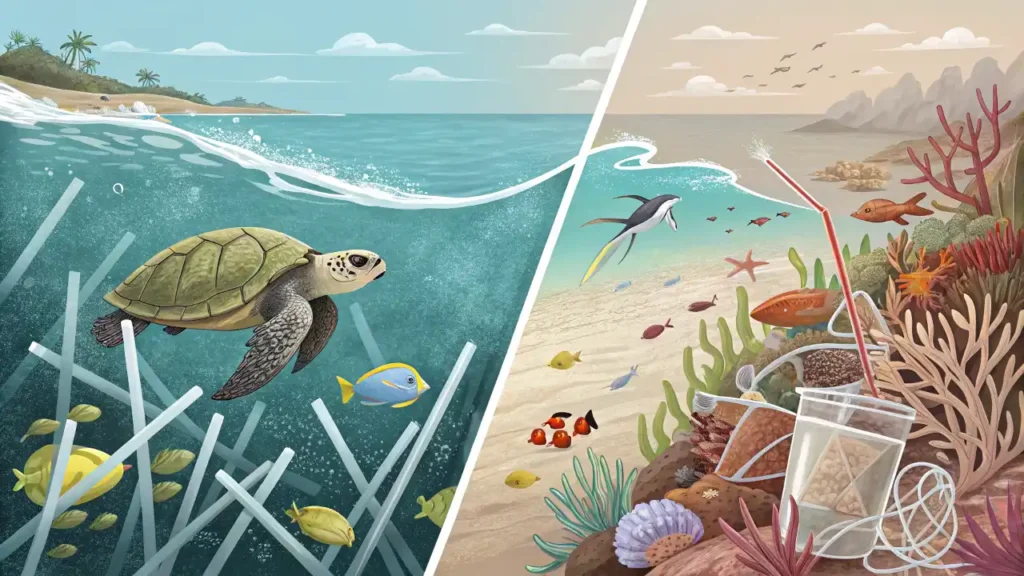
Traditional plastic straws are a significant source of marine debris, contributing to the estimated 8 million metric tons of plastic that enter the oceans annually. These straws persist for hundreds of years, breaking down into harmful microplastics that contaminate ecosystems and enter the food chain. Marine animals often mistake these plastics for food, leading to ingestion, which causes blockages, malnutrition, and death. This poses a dire threat to marine life, including sea turtles, birds, and other organisms. It is therefore imperative to utilize materials that mitigate the environmental damage caused by traditional plastic. For more detailed information on the environmental impact of plastic straws, refer to the ACS report on biodegradable straws.
What Does “Marine Biodegradable” Mean?
The term “marine biodegradable” signifies that a material is designed to decompose naturally in marine environments, breaking down into natural substances within a relatively short period. This decomposition is facilitated by microorganisms, such as bacteria and fungi, which consume the organic materials in the straws. Unlike conventional plastics that can take hundreds of years to degrade, marine biodegradable materials are specifically formulated to break down under the conditions of seawater, therefore reducing their environmental footprint. These materials are often derived from renewable resources, such as plant matter, and are engineered to leave behind no harmful by-products.

Differentiating Marine Biodegradable Straws from Other Options
While various alternatives to traditional plastic straws exist, not all are equally effective in addressing ocean pollution. It’s important to distinguish marine biodegradable straws from other “eco-friendly” options:
Recovered Ocean-Bound Plastic Straws
Voordelen: These straws are made from recycled plastic that would otherwise end up in the ocean, which helps reduce plastic waste and supports cleanup efforts.
Limitations: They are not biodegradable and can potentially add to waste streams if not properly disposed of. Furthermore, the process of collecting and repurposing this plastic can be energy-intensive. They do not break down in the ocean environment.
PHA (Polyhydroxyalkanoate) Straws
Voordelen: PHA straws are made from plant-based materials and are temperature resistant. They are designed to break down in various environments without leaving harmful microplastics.
Limitations: While PHA straws degrade effectively, they are primarily designed for industrial composting, and may have limited marine decomposition capabilities. However, PHA does degrade at natural temperatures in a variety of environments, even on the side of the road or on the beach.
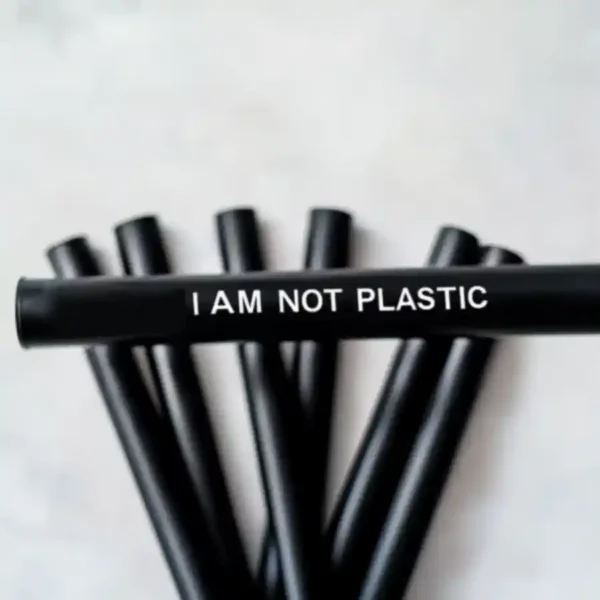
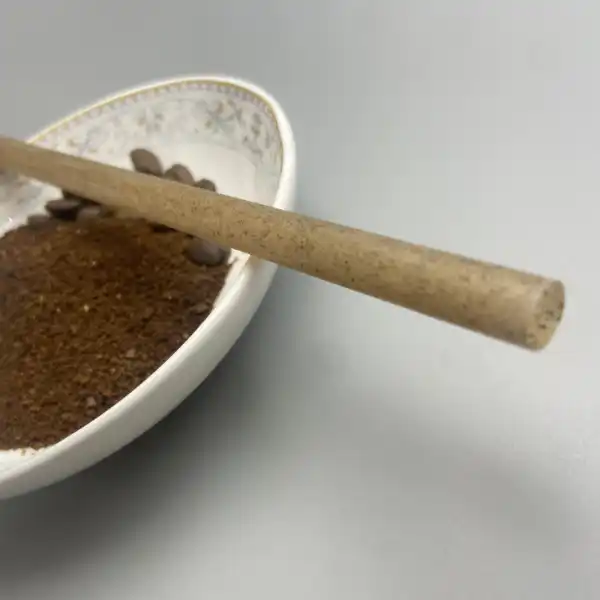
Marine biodegradable straws, on the other hand, are specifically formulated to decompose in ocean environments, making them a more effective solution to marine plastic pollution. These straws, typically made from materials such as PHA, are engineered to break down quickly in seawater, reducing the harm to marine life. Explore our aanpasbare suikerrietstroopjes for options tailored to your business needs.
The Critical Importance of Marine Biodegradable Straws
The significance of marine biodegradable straws lies in their ability to address the unique challenges posed by ocean plastic pollution:
- Protection of Marine Life: These straws degrade more rapidly, reducing the risk of ingestion by marine animals and subsequent harm.
- Reduction of Microplastics: By breaking down naturally, they minimize the formation of microplastics that can infiltrate ecosystems and the food chain.
- Lower Environmental Footprint: They are typically made from renewable, plant-based resources and decompose into natural substances, thus reducing their environmental impact.
- Support for a Circular Economy: Some of these straws can be composted, contributing to a circular economy by minimizing waste and maximizing resource efficiency.

The Science Behind Marine Biodegradable Straws
De effectiviteit van biologisch afbreekbare mariene rietjes hangt af van hun samenstelling, die vaak polyhydroxyalkanoaten (PHA's) bevat. Deze worden geproduceerd door micro-organismen door middel van fermentatie en zijn speciaal geformuleerd om te worden afgebroken door natuurlijke micro-organismen die in de oceaan voorkomen. Bij dit proces zijn micro-organismen zoals bacteriën en schimmels betrokken die zich voeden met de organische materialen in de rietjes, waardoor de afbraak ervan in natuurlijke elementen wordt vergemakkelijkt.
Embracing Marine Biodegradable Straws: A Necessary Step
Overstappen op biologisch afbreekbare mariene rietjes is niet zomaar een trend; het is een essentiële stap voor bedrijven die hun impact op de gezondheid van de oceanen willen verzachten. Hoewel andere milieuvriendelijke alternatieven enkele voordelen bieden, pakken alleen biologisch afbreekbare mariene rietjes het probleem van plasticvervuiling in het mariene milieu direct aan. Bedrijven moeten prioriteit geven aan deze opties om ervoor te zorgen dat ze zinvolle actie ondernemen om onze oceanen te beschermen. Bezoek voor een verscheidenheid aan biologisch afbreekbare opties in de zee Groendrukproducten.
Choosing Marine Biodegradable Straws
Houd bij het selecteren van biologisch afbreekbare mariene rietjes rekening met het volgende:
- Certificeringen: Zorg ervoor dat de rietjes door gerenommeerde organisaties zijn gecertificeerd als biologisch afbreekbaar in de zee.
- Materiële bron: Kies voor rietjes gemaakt van hernieuwbare, plantaardige materialen zoals PHA.
- Leveranciersreputatie: Choose suppliers committed to sustainable practices and ethical sourcing.
- Performance: Confirm that the straws are durable enough for their intended use and will not break down too quickly.

Conclusie
Marine biodegradable straws are a critical solution to the growing problem of plastic pollution in our oceans. They offer a sustainable alternative to traditional plastics and other less effective “eco-friendly” options. By understanding the importance of marine biodegradability and choosing straws specifically designed for marine environments, businesses can significantly contribute to the protection of our oceans. It’s a step towards a more sustainable and healthier planet.