Rietjes van suikerriet: duurzame, gecertificeerde B2B-oplossingen

Introduction: Plastic Bans and Sugarcane Straws Eco-Friendly Drinking Benefits
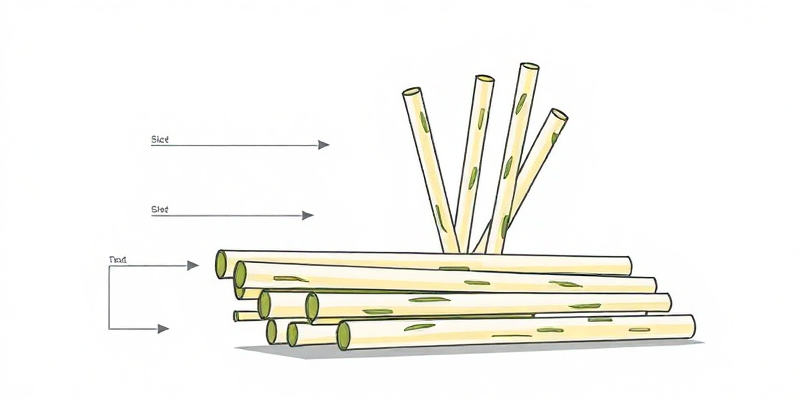
Picture this: It’s Monday morning, and you’ve just received an email notification about your city’s new single-use plastic ban taking effect next month. As a busines owner in the food service industry, you’re suddenly faced with the urgent need to replace thousands of plastic straws. Sound familiar?
This scenario is playing out acros the globe as governments, from local municipalities to entire nations, are implementing strict regulations against single-use plastics. The European Union’s Single-Use Plastics Directive, California’s Assembly Bill 1884, and similar legislation in over 60 countries have created a new busines reality where sustainable alternatives aren’t just nice-to-have—they’re essential for continued operation.
Enter sugarcane straws—an increasingly popular solution that’s helping businesses navigate this changing regulatory landscape while simultaneously meeting growing consumer demand for eco-friendly options. These plant-based alternatives offer remarkable durability and performance while addressing the environmental concerns that prompted plastic bans in the first place.
Unlike paper straws that often become soggy mid-drink or PLA straws that require industrial composting facilities, sugarcane straws provide a genuine solution that meets both practical busines needs and environmental goals. They’re manufactured from bagasse—the fibrous byproduct of sugarcane processing that would otherwise be discarded—creating a virtuous cycle of resource utilization that transforms agricultural waste into valuable products.
For hotels, restaurants, cafes, bars, and distributors, the transition to sugarcane straws represents more than regulatory compliance—it’s an opportunity to align with evolving consumer values while maintaining the quality experience your customers expect. With 78% of global consumers now believing that businesses bear as much responsibility as governments for enacting positive environmental change, your straw choice becomes a visible symbol of your brand’s commitment to sustainability.
Regulatory Compliance: Certifications for Sugarcane Straws Eco-Friendly Drinking

In today’s complex regulatory environment, simply offering “eco-friendly” products isn’t enough—particularly for businesses operating acros multiple jurisdictions. Proper certifications aren’t just bureaucratic hurdles; they’re essential busines protections that verify product safety, environmental claims, and compliance with increasingly stringent regulations.
For sugarcane straws, two certifications stand out as particularly crucial: FDA approval and LFGB certification. FDA certification ensures your sugarcane straws meet strict food safety standards, critical for any product that comes into direct contact with food or beverages. The FDA’s comprehensive guidelines for food contact materials evaluate everything from material composition to potential chemical leaching, providing assurance that products won’t introduce harmful substances into consumables.
Similarly, LFGB certification (the German Food, Articles of Daily Use and Feed Code) represents one of the world’s most rigorous standards for food-contact products, often exceeding even FDA requirements. For businesses serving European markets, this certification isn’t optional—it’s a prerequisite for market acces.
Volgens een rapport uit 2022 van bedrijfsadviesbureau Deloitte worden bedrijven die te maken krijgen met het niet naleven van de regelgeving inzake voedselcontactmaterialen geconfronteerd met een gemiddelde boete van $28.000 per overtreding, waarbij potentiële wettelijke aansprakelijkheden en reputatieschade niet worden meegerekend. Bovendien worden bedrijven die niet-gecertificeerde producten gebruiken, tijdens gezondheidsinspecties strenger gecontroleerd, wat mogelijk kan leiden tot operationele verstoringen en negatieve publiciteit.
For multi-location businesses or those operating internationally, navigating these regulations becomes exponentially more complex. Working with certified sugarcane straw suppliers ensures consistent compliance acros all locations, simplifying your supply chain management and reducing regulatory exposure. By choosing fully certified products, you’re not just checking a compliance box—you’re implementing a strategic risk management approach that protects your busines while demonstrating commitment to customer safety.
How Sugarcane Straws Eco-Friendly Drinking Compares to Other Eco Alternatives

With the market flooded with sustainable straw alternatives, making the right choice requires understanding how each option performs in real-world busines applications. Sugarcane straws offer distinct advantages compared to other eco-friendly alternatives, particularly when considering the full spectrum of operational, customer experience, and environmental factors.
| Functie | Rietjes van suikerriet | Papieren rietjes | PLA-rietjes | Glas/Metal Straws |
|---|---|---|---|---|
| ——— | —————— | ————– | ———— | ——————- |
| Duurzaamheid | 2-3 uur in vloeistoffen | 30-60 minuten voordat het zacht wordt | Good until heat exposure (above 105°F) | Onbepaald |
| Klantervaring | Natuurlijk gevoel, geen smaakoverdracht | Often affects drink taste, becomes soggy | Similar to plastic, can affect taste | Cold/hot temperature transfer to lips |
| Composting Requirements | Thuis composteerbaar (30-90 dagen) | Thuis composteerbaar (30-90 dagen) | Alleen industriële faciliteiten | Herbruikbaar, niet composteerbaar |
| Production Sustainability | Upcycled agricultural waste | Requires fresh wood pulp, chemical processing | Corn-based, uses agricultural land | Energy-intensive manufacturing |
| Cost per Unit (Wholesale) | $0.03-0.07 | $0.02-0.05 | $0.04-0.08 | $0.75-3.00 |
| Storage Requirements | Standard, no special conditions | Must remain completely dry | Temperature controlled | Washing/sanitizing facilities |
| Aanpassingsopties | Color, size, printing available | Beperkte printmogelijkheden | Various colors available | Engraving options, limited |
Volgens de United Nations Environment Programme’s assessment of plastic alternatives, sugarcane-based products offer a 79% reduction in carbon footprint compared to their plastic counterparts, significantly outperforming many other alternatives, including PLA-based products.
For businesses like cafes or quick-service restaurants that prioritize take-away service, the practical durability of sugarcane straws provides a clear advantage over paper options. Similarly, for establishments without industrial composting acces—which represents over 95% of food service businesses globally—the home compostability of sugarcane straws solves a critical end-of-life disposal challenge that PLA alternatives cannot addres.
The natural texture and performance of sugarcane straws closely mimic conventional plastic straws, minimizing customer adjustment and potential dissatisfaction during your transition to sustainable alternatives. This “invisible sustainability” approach allows businesses to implement environmentally responsible practices without compromising the customer experience that builds loyalty and repeat busines.
Top Busines Benefits of Switching to Sugarcane Straws Eco-Friendly Drinking
Beyond environmental considerations, transitioning to sugarcane straws offers compelling busines advantages that directly impact your bottom line and customer relationships. These benefits extend far beyond simple regulatory compliance, creating opportunities for differentiation, cost management, and enhanced brand equity.
**Verbeterde merkperceptie**: uit een onderzoek uit 2023 van Nielsen bleek dat producten met duurzaamheidsclaims een 5,6 keer snellere groei kenden dan producten zonder dergelijke claims. Door uw gebruik van suikerrietrietjes prominent onder de aandacht te brengen in uw marketingmateriaal, tafeltenten en digitale aanwezigheid, geeft u klanten het signaal dat uw bedrijf prioriteit geeft aan milieuverantwoordelijkheid. Deze zichtbare toewijding vindt vooral weerklank bij Millennial- en Gen Z-consumenten, die gezamenlijk meer dan 350 miljard dollar aan jaarlijkse koopkracht vertegenwoordigen en een sterkere loyaliteit tonen aan merken die aansluiten bij hun waarden.
**Voorspelbaarheid van de kosten**: In tegenstelling tot op aardolie gebaseerde producten waarvan de prijzen nauw verbonden zijn met de volatiele oliemarkten, bieden suikerrietrietjes in de loop van de tijd stabielere prijzen. Dankzij hun agrarische basis volgen de prijzen meer voorspelbare seizoenspatronen, waardoor betere budgetprognoses mogelijk zijn. Hoewel de kosten per eenheid aanvankelijk 15-25% hoger kunnen zijn dan die van conventionele plastic rietjes, wordt deze kloof snel kleiner naarmate de productie toeneemt en het verbod op plastic rietjes de vraag doet toenemen. Belangrijker nog is dat deze kosten vaak kunnen worden gecompenseerd door kleine aanpassingen van de menuprijs, die klanten gemakkelijk accepteren als ze de voordelen voor het milieu begrijpen.
**Operationele integratie**: In tegenstelling tot herbruikbare alternatieven waarvoor wasinfrastructuur en -protocollen nodig zijn, passen suikerrietrietjes naadloos in bestaande activiteiten. Ze vereisen geen extra training van het personeel, speciale behandeling of aanpassingen aan de opslag, waardoor de implementatie vrijwel probleemloos is. Deze operationele eenvoud is vooral waardevol voor bedrijven of franchises met meerdere locaties, waar consistente uitvoering op verschillende locaties essentieel is.
**Samenwerkingsmogelijkheden voor leveranciers**: Werken met gespecialiseerde leveranciers van duurzame producten opent vaak deuren naar co-marketingmogelijkheden, gedeelde duurzaamheidsinitiatieven en vroege toegang tot innovaties. Veel fabrikanten van suikerrietstro bieden marketingondersteuningspakketten aan, waaronder op maat gemaakte bedrukkingen, educatief materiaal voor personeel en klanten, en digitale middelen die uw duurzaamheidsboodschap versterken. Deze partnerschappen kunnen verder reiken dan eenvoudige transactionele relaties en strategische allianties worden die wederzijdse groei stimuleren.
**Tax Incentives and Compliance Cost Avoidance**: In many jurisdictions, investments in sustainable busines practices qualify for tax incentives, grants, or preferential financing. Additionally, as plastic ban enforcement increases, early adopters avoid potential fines that can reach up to $1,000 per day in some municipalities. In California alone, businesses have collectively avoided an estimated $14.2 million in potential penalties by proactively transitioning to compliant alternatives before enforcement deadlines.
Environmental Impact: Why Sugarcane Straws Eco-Friendly Drinking Wins
The environmental advantages of sugarcane straws extend far beyond simply replacing plastic. Their full lifecycle environmental profile reveals multiple ecological benefits die verschillende urgente milieuproblemen tegelijkertijd aanpakt.
Rietjes van suikerriet zijn een opmerkelijk voorbeeld van de principes van de circulaire economie in actie. Door gebruik te maken van bagasse – het vezelige bijproduct dat overblijft na de sapextractie – transformeren deze rietjes wat anders landbouwafval zou zijn in waardevolle producten. Deze aanpak leidt niet alleen materiaal uit de afvalstromen, maar maximaliseert ook de waarde die uit de bestaande landbouwproductie wordt gehaald, zonder dat hiervoor extra land, water of hulpbronnen nodig zijn.
The carbon impact is equally impressive. A 2022 lifecycle analysis by the Environmental Resources Management Group found that sugarcane-derived products sequester more carbon during the growing phase than is released during manufacturing and transportation, potentially making them carbon-negative when properly sourced. In concrete terms, switching from plastic to sugarcane straws can reduce a typical café’s straw-related carbon footprint by up to 92%, the equivalent of taking a passenger vehicle off the road for nearly a month for each 10,000 straws used.
The end-of-life scenario for sugarcane straws offers perhaps their most significant environmental advantage. Unlike conventional plastics that persist for centuries or bioplastics that require industrial facilities, sugarcane straws decompose in home composting environments within 90 days, returning their nutrients to the soil. This characteristic is crucial considering that les than 9% of global plastic waste is successfully recycled, with much of the remainder ending up in landfills, incinerators, or natural environments.
For businesses with sustainability goals, this complete degradability helps advance zero-waste initiatives without requiring specialized waste management infrastructure. Even in conventional waste streams, sugarcane straws break down faster than most organic materials, minimizing their environmental persistence and potential for harm to wildlife.
Case Study: Sugarcane Straws Eco-Friendly Drinking Succes in Action
The theoretical benefits of sugarcane straws become tangible when examining real-world implementation. Consider the experience of Coastal Breeze Resort Group, a mid-sized hospitality company operating 12 beachfront properties acros Florida and California.
Facing imminent plastic straw bans in both states and receiving increasing guest feedback about plastic waste on nearby beaches, Coastal Breeze’s management made a strategic decision to transition to certified sugarcane straws for their food and beverage operations. What began as a compliance necessity quickly evolved into a brand-defining initiative with measurable busines impact.
The initial implementation focused on their highest-volume properties, with customized sugarcane straws featuring the company’s palm tree logo and “Protecting Our Coasts” messaging. Staff received brief training on the environmental benefits to effectively communicate the change to guests. Rather than hiding the transition, Coastal Breeze highlighted it through table tents, menu notations, and social media content.
The results exceeded expectations acros multiple metrics:
- Guest satisfaction scores for beverage service increased by 8% within three months of implementation, with comment cards specifically mentioning appreciation for the sustainable straws
- Social media engagement rose dramatically, with posts featuring the branded sugarcane straws generating 314% higher engagement than their average content
- The company eliminated approximately 1.2 million plastic straws in the first year, which they calculated as preventing the equivalent of 2,400 pounds of plastic from potentially entering coastal environments
- Local pres coverage of their initiative generated an estimated $175,000 in earned media value, significantly exceeding their investment in the premium sugarcane products
Most tellingly, despite the 18% higher unit cost compared to their previous plastic straws, Coastal Breeze’s overall straw usage decreased by 22% after implementation. This unexpected benefit emerged because the visible nature of the eco-friendly straws prompted both staff and guests to be more conscious about straw distribution, with many guests declining straws altogether or using a single straw throughout their visit rather than taking a new one with each drink.
Three years into the initiative, what began as a compliance requirement has become a cornerstone of Coastal Breeze’s brand identity, regularly mentioned in guest reviews and helping the company attract environmentally conscious travelers who specifically seek sustainable hospitality options.
Veel Gestelde Vragen
- What certifications should I look for when ordering sugarcane straws for my busines?
- For food service businesses, FDA certification is essential as it ensures the straws meet U.S. safety standards for food contact. For international operations or export, look for LFGB certification (European standard) as well. Additionally, certifications like BPI (Biodegradable Products Institute) or home compostability verification provide assurance about end-of-life claims. Always request certification documentation directly from your supplier rather than relying on website claims.
- Hoe presteren suikerrietrietjes bij warme dranken?
- Sugarcane straws maintain their structural integrity in hot beverages up to approximately 190°F (88°C), making them suitable for hot coffee, tea, and most other hot drinks. Unlike some alternatives like PLA that can warp or deform in hot liquids, sugarcane’s natural fiber structure provides excellent heat resistance. They won’t transfer heat to the lips like metal straws, offering a comfortable drinking experience even with hot beverages.
- What’s the minimum order quantity for customized sugarcane straws?
- Custom-printed or colored sugarcane straws typically have minimum order quantities (MOQs) starting at 25,000-50,000 units, though this varies by manufacturer. For businesses with lower volume needs, consider joining a buying group or exploring standard products with customized packaging instead. For large operations, expect significant unit price reductions at volume tiers above 100,000 units.
- How much should I budget for sugarcane straws compared to conventional plastic?
- Wholesale sugarcane straws typically cost between $0.03-0.07 per unit depending on specifications and volume, compared to $0.01-0.02 for conventional plastic straws. However, this comparison doesn’t account for potential cost offsets: many businesses report 15-30% reduced usage after switching to sustainable alternatives, and some have successfully implemented nominal eco-fees or slight menu price adjustments to cover the difference.
- Do sugarcane straws require special storage conditions?
- Unlike paper straws that can be damaged by humidity, sugarcane straws don’t require special storage conditions beyond standard food service practices. Store them in a clean, dry location away from strong odors (as they can absorb scents). Their shelf life typically exceeds 2 years when stored properly, and they don’t degrade during normal storage periods even in humid environments.
- How quickly do sugarcane straws break down after disposal?
- In home composting conditions, sugarcane straws typically break down completely within 90 days. In commercial composting facilities, this proces accelerates to approximately 30-45 days. Even in conventional landfill environments without ideal composting conditions, they’ll degrade significantly faster than conventional plastics or even PLA alternatives, though exact timeframes depend on specific landfill conditions.
- Can customers tell the difference between sugarcane straws and plastic straws?
- The customer experience with quality sugarcane straws is remarkably similar to conventional plastic straws. They provide the same rigidity and mouthfeel, don’t affect beverage flavor, and resist becoming soggy for 2-3 hours in most drinks. The main noticeable difference is the natural light tan color (unles colored versions are purchased) and subtle texture visible upon close inspection. Most businesses report minimal to no customer adjustment period when making the switch.