Duurzame rietjes: de beste milieuvriendelijke merken & Materialen

Nu bedrijven en consumenten steeds meer prioriteit geven aan duurzaamheid, zijn plastic rietjes voor eenmalig gebruik een symbool geworden van onnodig afval. Milieubewuste merken bieden innovatieve alternatieven, waarbij functionaliteit in evenwicht wordt gebracht met verantwoordelijkheid voor het milieu. Deze gids onderzoekt toonaangevende duurzame stromerken en materialen die de markt voor rietjes transformeren en de plasticvervuiling verminderen.
Voordelen van het overstappen op duurzame rietjes
Overstappen op duurzame rietjes biedt tal van voordelen:
- Verminderde plasticvervuiling: De enorme hoeveelheid plastic stroafval is onthutsend; alleen al in de VS worden er dagelijks meer dan 500 miljoen gebruikt, wat aanzienlijk bijdraagt aan de vervuiling van de oceaan en het schaden van het leven in de zee. Deze vervuiling houdt eeuwenlang aan en wordt afgebroken tot microplastics die ecosystemen vervuilen en mogelijk in de voedselketen terechtkomen. Denk aan de langetermijneffecten op het milieu en het merkimago dat gepaard gaat met het bijdragen aan dit probleem. Kiezen voor duurzame rietjes is een stap richting een schonere planeet.
- Biologisch afbreekbaarheid: Veel duurzame stro-alternatieven ontbinden op natuurlijke wijze, in tegenstelling tot plastic dat honderden jaren blijft bestaan. Dit vermindert de belasting van stortplaatsen en minimaliseert de schade aan het milieu. Het is echter van cruciaal belang om de specifieke beweringen over biologische afbreekbaarheid en de composteeromstandigheden die voor elk materiaal vereist zijn, te verifiëren. Zoek naar rietjes gemaakt van biologisch afbreekbare materialen zoals bamboe of papier.
- Verbeterde merkreputatie: Het toepassen van milieuvriendelijke praktijken verbetert het merkimago en spreekt milieubewuste consumenten aan. Deze afstemming op duurzaamheidswaarden kan nieuwe klanten aantrekken en een sterkere klantloyaliteit bevorderen. Benadruk uw inzet voor duurzaamheid in uw marketingmateriaal om deze positieve merkassociatie onder de aandacht te brengen. Door duurzame rietjes te gebruiken, laat u zien dat u zich inzet voor verantwoordelijkheid voor het milieu.
- Naleving van regelgeving: Veel steden en regio's voeren verboden of beperkingen in op plastic voor eenmalig gebruik, inclusief rietjes. Door over te stappen op duurzame alternatieven wordt naleving van de huidige en toekomstige regelgeving gewaarborgd, waardoor mogelijke boetes en negatieve publiciteit worden vermeden. Proactieve naleving toont verantwoorde bedrijfspraktijken aan. Duurzame rietjes helpen je voorop te blijven lopen.
Top duurzame stromerken per materiaal
In deze sectie worden duurzame stromerken gecategoriseerd op basis van materiaal, waarbij hun voor-, nadelen en ideale toepassingen worden belicht. Vergeet niet elke leverancier grondig te onderzoeken om er zeker van te zijn dat hun duurzaamheidsclaims verifieerbaar zijn en aan uw ethische normen voldoen. Het kiezen van het juiste duurzame stromerk is cruciaal voor uw bedrijf en het milieu.
1. Bamboe rietjes
- Belangrijkste merken: Bambaw, ibambo, HOOI! Rietjes
- Pluspunten: Natuurlijk antibacterieel, maandenlang herbruikbaar met de juiste reiniging, esthetisch aantrekkelijk.
- Nadelen: Vereist zorgvuldige handmatige reiniging; niet geschikt voor alle dranken (dikke smoothies kunnen deze bijvoorbeeld verstoppen).
- Het beste voor: Cafés, bars en restaurants die smoothies, cocktails of sappen serveren waar herbruikbaarheid mogelijk is. Overweeg om voor het gemak van de klant bij elk rietje een schoonmaakborsteltje te leveren.

2. Papieren rietjes
- Belangrijkste merken: Groenboekproducten, Phade®
- Pluspunten: Betaalbaar, breed recyclebaar (hoewel de recycleerbaarheid afhangt van lokale voorzieningen).
- Nadelen: Kan snel drassig worden, vooral bij langdurig contact met vloeistoffen; sommige bevatten PFAS-chemicaliën (per- en polyfluoralkylstoffen), wat aanleiding geeft tot gezondheidsproblemen. Kies voor merken die expliciet vermelden dat ze PFAS-vrij zijn.
- Het beste voor: Evenementen voor eenmalig gebruik of fastfoodketens waarbij de kosten en het gemak van verwijdering voorop staan. Evalueer echter zorgvuldig de milieueffecten van de productie en verwijdering van papierstro. Zoek naar milieuvriendelijke papieren rietjes.

3. Roestvrij staal & Metalen rietjes
- Belangrijkste merken: OXO Good Grips, roestvrijstalen rietjes Co.
- Pluspunten: Duurzaam, herbruikbaar en een duurzaam alternatief voor plastic rietjes.
- Nadelen: Kan vooraf duurder zijn; vereisen een regelmatige reiniging.
- Het beste voor: Consumenten die op zoek zijn naar een duurzame, herbruikbare optie. Metalen rietjes zijn een goede duurzame keuze.
Duurzame stroopties: een uitgebreide gids
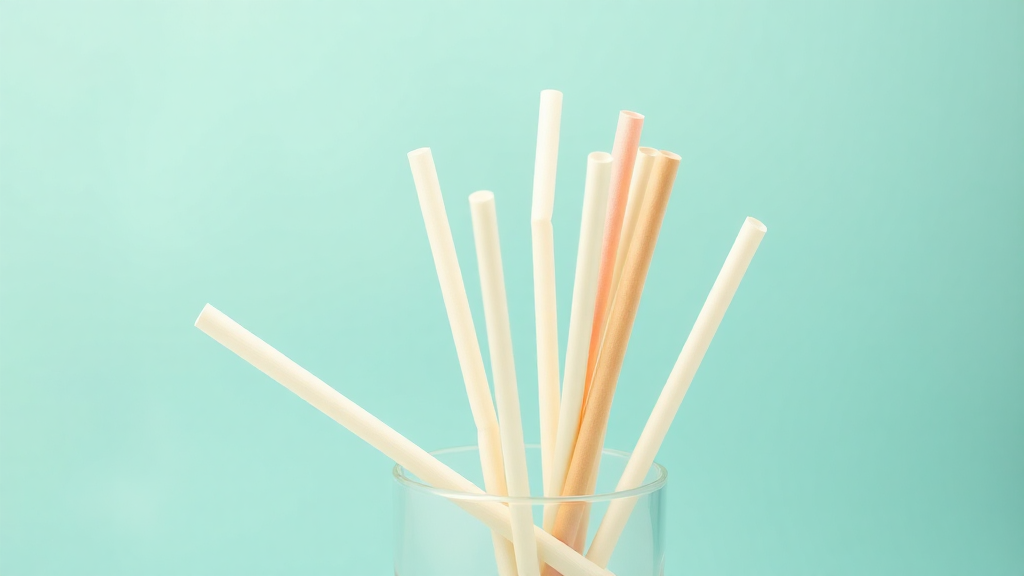
Het kiezen van duurzame rietjes is een belangrijke stap in de richting van het verminderen van plastic afval en het beschermen van ons milieu. Deze gids onderzoekt verschillende milieuvriendelijke alternatieven voor traditionele plastic rietjes en benadrukt hun voor-, nadelen en beste toepassingen. We gaan in op de specifieke kenmerken van elk type, zodat u een weloverwogen beslissing kunt nemen op basis van uw behoeften en voorkeuren. Van duurzame roestvrijstalen rietjes tot composteerbare plantaardige opties: er is voor iedereen een perfecte duurzame rietjesoplossing.
Roestvrijstalen rietjes: duurzaamheid en een lange levensduur
- Belangrijkste merken: FinalStraw, Klean Kanteen
- Pluspunten: Duurzaam, levenslang herbruikbaar, vaatwasmachinebestendig, bestand tegen drassigheid.
- Nadelen: Kan warmte geleiden, waardoor de dranktemperatuur mogelijk verandert; Voor een grondige reiniging heeft u mogelijk een reinigingsborstel nodig.
- Het beste voor: Herbruikbare kits voor coffeeshops, reismokken of individuele consumenten die prioriteit geven aan duurzaamheid en kostenbesparingen op de lange termijn. Bied schoonmaakinstructies en borstels aan om een goede hygiëne te bevorderen.
Siliconen rietjes: zacht en flexibel
- Belangrijkste merken: Platte producten, GIR
- Pluspunten: Zacht, flexibel, kindvriendelijk, geschikt voor bekers en diverse kopjes.
- Nadelen: Niet biologisch afbreekbaar; sommige siliconenproducten kunnen BPA (Bisfenol A) bevatten – controleer op BPA-vrije certificeringen.
- Het beste voor: Gezinnen, scholen of omgevingen waar veiligheid en flexibiliteit voorop staan. Communiceer duidelijk de materiaalsamenstelling en eventuele relevante certificeringen om de zorgen van de consument weg te nemen.
Glass Straws: Elegant and Easy to Clean
- Belangrijkste merken: Hiware, Simply Straws
- Pluspunten: Transparent for easy cleaning, elegant aesthetics.
- Nadelen: Fragile, not suitable for high-traffic venues or environments with risk of breakage.
- Het beste voor: Upscale restaurants, home use, or settings where breakage is minimal. Consider offering protective carrying cases to enhance durability.
Plant-Based Compostable Straws: Eco-Friendly Choice
- Belangrijkste merken: EQUO, Sulapac, Renouvo
- Materialen: Sugarcane bagasse, rice starch, fermented coconut water, and other plant-based materials.
- Pluspunten: Home-compostable in optimal conditions; withstand hot and cold drinks without becoming soggy.
- Het beste voor: Zero-waste businesses, eco-conscious consumers, and settings where home composting is accessible. Clearly communicate composting instructions to ensure proper disposal. Consider offering a compostable carrying case.
Vergelijking van duurzame stromaterialen
| Materiaal | Duurzaamheid | Cost per Unit (USD) | Biologische afbreekbaarheid | Temperatuurbestendigheid | Herbruikbaarheid | Aantekeningen |
|---|---|---|---|---|---|---|
| Bamboe | Hoog | $0.10 – $0.30 | Ja | Uitstekend | Reusable (years) | Durable, aesthetically pleasing; responsible sourcing is crucial for sustainability. |
| Suikerriet | Gematigd | $0.01 – $0.05 | Ja | Uitstekend | Eenmalig gebruik | Cost-effective, widely available; ensure compostable certification for truly sustainable straws. |
| PLA (polymelkzuur) | Gematigd | $0.05 – $0.15 | Biodegradable (check specific material) | Goed | Eenmalig gebruik | Compostable under industrial conditions; avoid disposal in regular waste. |
| Plastic | Laag | Relatively inexpensive (initially) | Niet biologisch afbreekbaar | Goed | Eenmalig gebruik | Contributes significantly to plastic pollution; avoid for sustainable practices. |
Choosing sustainable straws is a significant step towards reducing plastic waste and promoting environmental responsibility. The table above compares various straw materials, highlighting their biodegradability, cost, and durability. Consider the long-term environmental impact when selecting straws for your business.
Remember to factor in the reusability and temperature resistance of each material to ensure they meet your specific needs. For example, bamboo straws are highly durable and reusable, while sugarcane straws are a more cost-effective single-use option. Always prioritize straws made from sustainable and responsibly sourced materials.
| Roestvrij staal | Erg hoog |
Additional Considerations for Sustainable Straws
- Durability varies by material (high for some)
- Generally single-use, except for reusable options
- Reusable (bamboo, metal) or compostable options available
- Increasingly subject to bans and restrictions on plastic straws
- Often compliant with existing environmental regulations
Duurzame stroopties: een vergelijking
Choosing sustainable straws is a crucial step towards reducing plastic waste. Bamboo and sugarcane straws offer eco-friendly alternatives to traditional plastic straws, each with its own advantages. Stainless steel straws provide a durable and reusable option.

Frequently Asked Questions About Sustainable Straws for Businesses
Uw milieuvriendelijke praktijken onder de aandacht brengen met duurzame rietjes
Highlighting your eco-friendly practices can attract environmentally conscious customers and enhance your brand image. Consider using visually appealing designs on your sustainable straws to reinforce your message.
Laatste gedachten en oproep tot actie
Switching to sustainable straws is not just an environmentally responsible choice; it’s a strategic move that aligns with growing consumer demand for eco-conscious products. By choosing options like sugarcane or bamboo straws, businesses can balance cost-effectiveness with environmental responsibility, enhancing their brand reputation and attracting customers who value sustainability. The initial investment in sustainable straws is offset by long-term cost savings and the significant positive impact on your brand image.
Vraag vandaag nog gratis monsters aan! Neem contact op met EQUO of Green Paper Products om de beste merken composteerbaar stro te ontdekken, bulkprijzen op maat te ontvangen en monsterkits aan te vragen om te testen welke optie het beste bij uw zakelijke behoeften past. Overweeg een proefperiode uit te voeren met verschillende soorten rietjes om te bepalen welk materiaal het beste aansluit bij de voorkeuren van uw klant en operationele behoeften. Houd bij het kiezen van herbruikbare opties rekening met de vereisten voor opslag en reiniging.
Casestudies en bruikbare inzichten
Casestudy 1: De transitie van Starbucks naar papieren rietjes
In 2018, Starbucks announced its global initiative to eliminate plastic straws by 2020, replacing them with paper straws and sippy cup lids. This initiative, aligning with their sustainability goals, resonated strongly with their environmentally conscious customer base. By 2021, Starbucks reported a reduction exceeding 1 billion plastic straws annually, demonstrating the significant environmental impact achievable through large-scale adoption of sustainable alternatives. This success underscores the potential for substantial positive change when major corporations prioritize eco-friendly practices. The transition, while initially met with some customer resistance due to the perceived inferiority of paper straws, ultimately proved successful due to Starbucks’ strong brand reputation and commitment to sustainability.
Case Study 2: A Local Café’s Success with Sugarcane Straws
A small café in Portland, Oregon, implemented a switch to sugarcane straws in 2022, resulting in a remarkable 20% increase in customer satisfaction scores. The café strategically leveraged social media to market this change, highlighting the straws’ compostability and the support of sustainable agriculture. This proactive communication not only reduced their environmental footprint but also attracted a new customer segment prioritizing eco-friendly businesses. The success of this local café demonstrates that even small businesses can achieve significant positive impacts through environmentally responsible choices and effective marketing. The café’s experience highlights the importance of transparency and engaging with customers on sustainability initiatives.
Bruikbare inzichten voor bedrijven
- Educate Your Customers: Implement a comprehensive communication strategy. Utilize signage, social media campaigns, menu inserts, and even in-person staff training to clearly articulate the environmental benefits of your chosen sustainable straws. Transparency fosters trust and strengthens customer loyalty. For example, visually appealing infographics explaining the lifecycle of your chosen straw compared to plastic can be very effective.
- Offer Straws on Request: Proactively reducing default straw usage significantly cuts costs and minimizes waste. Communicate this policy clearly.
Duurzame stroopties: een uitgebreide gids
Choosing sustainable straws is a crucial step towards reducing plastic waste and minimizing your environmental impact. This guide explores various sustainable straw options, highlighting their benefits and drawbacks to help you make informed decisions. From bamboo and sugarcane to stainless steel and silicone, we’ll examine the durability, cost, and environmental impact of each type of eco-friendly straw.
Consider factors like durability, cost, and compostability when selecting sustainable straws for your business or personal use. Remember that even small changes can make a significant difference in reducing plastic pollution and promoting a greener future. The shift towards sustainable straws is not just an environmental responsibility; it’s also a smart business decision, aligning with growing consumer demand for eco-conscious products.
The choice of sustainable straw will depend on your specific needs and priorities. Factors to consider include the intended use (single-use vs. reusable), cost, and the overall environmental impact of the material and manufacturing process.
Uitgebreide vergelijkingstabel: Duurzame stroopties
| Functie | Plastic rietjes | Bamboe rietjes | Rietjes van suikerriet | Roestvrijstalen rietjes | Siliconen rietjes | Glazen rietjes |
|---|---|---|---|---|---|---|
| Duurzaamheid | Eenmalig gebruik | Herbruikbaar (6+ maanden) | Eenmalig gebruik | Reusable (years) | Reusable (years) | Reusable (years) |
| Kosten per eenheid | $ 0,01 | $0.25 – $0.50 | $0.10 – $0.20 | $ 1,00 – $ 3,00 | $2,00 – $5,00 | $2,00 – $5,00 |
| Composteerbaarheid | Nee | Potentieel composteerbaar | Potentieel composteerbaar | Nee | Nee | Nee |
Duurzame stroopties: een kostenvergelijking
Het kiezen van duurzame rietjes is cruciaal voor het verminderen van plastic afval. Deze vergelijking onderzoekt verschillende milieuvriendelijke stromaterialen, waarbij de kosten en de impact op het milieu worden benadrukt. Laten we ons verdiepen in de specifieke kenmerken van duurzame rietjes en hun kosteneffectiviteit.
Veel mensen stappen over op duurzame alternatieven zoals bamboe en papieren rietjes. Deze opties bieden een milieuvriendelijkere keuze vergeleken met traditionele plastic rietjes.
De kosten van duurzame rietjes variëren afhankelijk van het materiaal en de leverancier. De milieuvoordelen op de lange termijn zijn echter vaak groter dan het aanvankelijke kostenverschil.
Consider the long-term environmental impact when choosing between plastic and sustainable straws. Reducing plastic straw usage contributes significantly to a cleaner planet.
Remember to consider factors like reusability and biodegradability when selecting your straws. Sustainable straws are a step towards a greener future.
Sustainable Straw Considerations
Vergelijking van duurzame stromaterialen
| Materiaal | Kosten | Composteerbaar | Hittebestendigheid | Common Uses | Aantekeningen |
|---|---|---|---|---|---|
| Polystyrene (PS) | $0.10–$0.30 | Nee | Alle | General purpose, inexpensive applications | Not environmentally friendly; potential health concerns with leaching chemicals. Avoid hot liquids. Consider sustainable alternatives like paper or bamboo straws. |
| PLA (polymelkzuur) | $0.02–$0.05 | Ja | Alle | Smoothies, cocktails, zero-waste events | Compostable under industrial conditions; may not break down in home composting. A good sustainable straw option. |
| Paper (Compostable) | $1–$3 | Ja | Alle | Zero-waste events, eco-conscious businesses | Price varies greatly depending on quality and features (e.g., coating, print). Requires proper disposal for composting. A popular sustainable straw choice. |
| Polypropylene (PP) | $0.50–$1.50 | Nee | Conducts heat | Travel mugs (with sleeve), some food service | Reusable options are more sustainable. Consider double-walled designs for hot beverages. While not a sustainable straw material itself, reusable PP straws are better than single-use plastic straws. |
| Paper (Non-Compostable) | $2–$5 | Nee | Alle | Limited use | Often coated with non-compostable materials. Not a sustainable straw option. |
| Bamboe | $0.15-$0.50 | Ja | Alle | Drinks, smoothies | A durable and sustainable straw alternative. |
| Metaal | $1-$5 | Nee | Alle | Drinks, smoothies | Reusable and sustainable, but requires cleaning. |
| Glas | $2-$10 | Nee | Alle | Drinks, smoothies | Reusable and sustainable, but fragile and requires cleaning. |
| Alle | Families, schools, high-volume events | Lacks the eco-friendly credentials of compostable options. |
Kosten en duurzaamheid van duurzame rietjes
| $2–$5 | Nee | Alle | Upscale dining, reusable applications | Highest upfront cost, but reusable and sustainable over the long term. Fragile and requires careful handling. |
Actionable Insights: Choosing Sustainable Straws
-
Environmental Impact of Straws
Prioritize biodegradable and compostable straws (PLA and compostable paper) to minimize your environmental footprint. Consider the entire lifecycle of the straw, including manufacturing, transportation, and disposal.
-
Cost Optimization for Sustainable Straws
While PLA and compostable paper straws initially cost more, the environmental and potential brand image benefits often outweigh the higher price, especially for businesses focused on sustainability. Bulk purchasing can help reduce per-unit costs.
-
Matching Straws to Applications
Carefully select the straw material based on its intended use. For example, avoid plastic straws for hot beverages.
-
Branding and Marketing with Sustainable Straws
Eco-friendly choices can be a significant marketing advantage, attracting environmentally conscious customers. Highlight the sustainable aspects of your chosen straw material in your marketing materials.
-
Long-Term Savings with Reusable Straws
Investing in reusable straws (metal or bamboo) may seem expensive upfront, but they offer significant cost savings over time, especially for businesses with high volume usage, and are clearly a more sustainable option.
Examples of Sustainable Straw Choices
A café aiming for a sustainable image might opt for compostable paper straws, despite the higher cost, to align with their brand values and attract environmentally conscious customers. A large-scale event might choose PLA straws for their biodegradability and ease of disposal, balancing cost with environmental responsibility. A fast-food chain focused on cost-efficiency might stick with plastic straws (while acknowledging the environmental cost), but should examine the long-term costs of disposal and brand image.
Veelgestelde vragen over suikerrietstro
Q: Why Choose Sugarcane Straws?
Sugarcane straws are a compelling option due to their sustainability and functionality. They are made from bagasse, a byproduct of sugar production, minimizing agricultural waste and reducing the need for new resources. These straws biodegrade within 3–6 months in home compost systems, a significant contrast to the centuries-long lifespan of plastic straws. Furthermore, they retain rigidity in both hot (up to 85°C) and cold beverages for extended periods and are available in various diameters to accommodate different beverages, including boba tea. Bulk purchasing also offers competitive pricing, often comparable to or even less expensive than plastic alternatives, making them a financially viable sustainable choice.
Q: How do sustainable straws compare to plastic straws?
Sustainable straws offer a significantly lower environmental impact compared to plastic straws. While plastic straws contribute to high pollution and have a very long decomposition time, sustainable alternatives like sugarcane straws are biodegradable or recyclable, minimizing their environmental footprint. This makes them a responsible and eco-conscious choice for both consumers and businesses.
Q: What are the most sustainable straw options?
Bamboo and sugarcane straws are generally considered the most sustainable options, offering excellent biodegradability and often being produced from renewable resources.
Q: How can I ensure my straws are truly sustainable?
Look for certifications that verify compostability and responsible sourcing. Transparency from your supplier regarding the materials and manufacturing process is also key.
Q: Are eco-friendly straws more expensive than plastic straws?
While the initial cost of sustainable straws (e.g., $0.05 for sugarcane vs. $0.01 for plastic) might seem higher, the long-term cost savings and positive brand image often outweigh this. Bulk purchasing significantly reduces the per-unit cost, making them increasingly competitive. For example, purchasing 10,000 sugarcane straws could reduce the cost to $0.01-$0.02 per straw, comparable to plastic but with the added benefit of sustainability.
Q: Do biodegradable straws perform as well as plastic straws?
Yes, many sustainable options, such as sugarcane bagasse and bamboo, offer comparable or even superior performance to plastic straws. They maintain their structural integrity, resisting breakage and ensuring a pleasant drinking experience. Unlike paper straws, they don’t get soggy quickly and won’t affect the taste of your beverages.
Q: Where can I buy bulk sustainable straws?
Several reputable suppliers offer wholesale pricing and bulk discounts to businesses. EQUO and Green Paper Products are examples of companies catering to restaurants and businesses needing 10,000+ units monthly. Explore their websites or contact them directly for pricing and minimum order quantities. Consider local suppliers to reduce your carbon footprint from transportation.
Q: What certifications should I look for in sustainable straws?
To ensure authenticity and compliance with sustainability standards, look for certifications such as the Biodegradable Products Institute (BPI) certification, OK Compost HOME, or Forest Stewardship Council (FSC) certification for sustainably sourced materials. These certifications verify the product’s biodegradability or responsible sourcing, assuring your customers and enhancing your brand’s credibility.
Q: How can restaurants promote sustainable straw use?
Proactively reduce straw consumption by offering them only upon request. Clearly communicate your commitment to sustainability through menu inserts, table tents, or signage explaining the environmental benefits of sustainable straws.
Q: What are the benefits of using sustainable straws?
Sustainable straws offer numerous benefits, including reducing plastic waste, minimizing environmental impact, and aligning with growing consumer demand for eco-friendly products. They also often present opportunities for improved brand image and increased customer loyalty.
Q: What types of sustainable straws are available?
A wide variety of sustainable straws are available, including bamboo, sugarcane, stainless steel, silicone, and glass straws. Each type offers unique benefits in terms of durability, cost, and compostability.
Q: What are the most common sustainable straw materials?
A: Common sustainable straw materials include bamboo, paper, and stainless steel. Each offers unique benefits and drawbacks in terms of cost, durability, and environmental impact.
Q: How much more expensive are sustainable straws compared to plastic straws?
A: The price difference varies. While sustainable straws might have a higher upfront cost, the environmental benefits and reduced plastic waste make them a worthwhile investment.
Q: What are the most sustainable straw options?
The most sustainable straw options are generally compostable straws made from materials like PLA or paper, and reusable straws made from bamboo, metal, or glass.
Q: How can I reduce my plastic straw consumption?
Reduce your plastic straw consumption by using reusable straws, opting for drinks without straws, or choosing establishments that offer sustainable alternatives.
Q: Are paper straws always compostable?
No, not all paper straws are compostable. Check the packaging to ensure they are certified compostable and disposed of properly.