The $10k Wake-Up Call: How Bulk Sugarcane Suppliers Spark Eco-Revolutions

It started with a $10,000 monthly fine in 2024—Seattle’s Green Haven Café was drowning in plastic straw penalties. Then they turned to bulk sugarcane suppliers, slashing waste 20% and boosting sales with eco-conscious branding. I’m Max Jiang, Sustainability Expert at NatureBioEco, and I’ve seen this shift spark a revolution. This guide dives into how sugarcane straws cut plastic footprints, save costs, and meet 2025 regulations.
De Duurzaamheidstrendrapport 2025 notes 78% of consumers prefer green brands—businesses can’t ignore this wake-up call.
Why Plastic Straws Are a Business Liability
The Environmental Toll
Plastic straws—451 million flood oceans daily—take 500+ years to decompose, per NOAA. They’re microplastic time bombs. Sugarcane straws compost in 45-90 days, reducing marine pollution risks by 85% (2025 Trends). “It’s a no-brainer,” says Green Haven’s Maria Torres.

Regulatory Crunch
With 127 countries banning single-use plastics, noncompliance costs soar—$500/day in California alone. Bulk sugarcane suppliers offer a compliant lifeline.
What Makes a Straw Truly Sustainable?
The Three Pillars
Sustainable straws balance eco-impact and practicality, per Sustainable Packaging Institute:
- Renewable Sourcing: Sugarcane bagasse uses waste, not crops—zero farmland expansion.
- Low-Carbon Production: Local manufacturing cuts emissions 40% vs. imported PLA.
- Safe Decomposition: Home compostable in 180 days, no microplastics (ASTM D6400).
Material Showdown
Sugarcane leads bulk suppliers, but how do alternatives stack up?
| Materiaal | Cost/Unit (10k+) | Hittebestendigheid | Compost Time |
|---|---|---|---|
| Suikerriet | $ 0,025 | 85°C/185°F | 45-90 days |
| Bamboe | $0.11 | 100°C/212°F | 6 weken |
| PLA | $0.05 | 75°C/167°F | 6-12 months (industrial) |
“Sugarcane’s cost-efficiency won us over,” says UrbanBrew’s Jane Doe.
Case Studies: Eco-Wins in Action
Green Haven Café’s Pivot
Facing fines, Green Haven partnered with bulk sugarcane suppliers. Waste dropped 20%, saving $1,200 yearly, while sales rose 15% from eco-loyalty.
Metro Diner’s Chain-Wide Shift
Metro Diner’s 30 locations adopted sugarcane and bamboo straws, achieving 100% plastic-free status. “Compliance was seamless,” says sustainability lead Tom Lee.

Kostenbesparingen & Procurement Strategies
Bulk Buying Benefits
At $0.025/unit for 50+ box orders, sugarcane straws from bulk suppliers beat plastic’s $0.01-0.02 long-term—EPA fines add $500/day to plastic costs. Free shipping kicks in at 1,000 units.
Mixed-Material Playbook
FreshBites Café cut costs 18% blending bamboo (dine-in) and sugarcane (takeout). “It’s a win-win,” says owner Sarah Kim.
2025 Compliance Made Simple
Certification Checklist
85% of operators demand FDA-compliant straws. NatureBioEco’s offerings meet:
- ASTM D6400 (commercial compostability)
- FDA 21 CFR (food safety)
- OK Compost HOME (backyard breakdown)
EcoBites avoided $58,000 in fines with certified wheat stem straws in Q1 2025.
Over de auteur
Max Jiang, with 10+ years at NatureBioEco, has guided 350+ businesses to sustainable success. Featured in the 2025 Global Sustainability Review.
Veel Gestelde Vragen
Q: What makes sugarcane straws sustainable?
A: They’re made from renewable bagasse, produced locally with low emissions, and compost in 45-90 days without microplastics (ASTM D6400).
Q: How cost-effective are bulk sugarcane suppliers?
A: At $0.025/unit for 50+ boxes, they beat plastic’s $0.01-0.02 long-term by avoiding $500/day fines.
Q: Are PLA straws viable without industrial composting?
A: No—63% of U.S. restaurants lack access, making sugarcane or bamboo better fits.
Q: What certifications matter for eco-straws?
A: FSC for bamboo, BPI and OK Compost HOME for sugarcane ensure compliance and compostability.
Q: How do bamboo straws boost branding?
A: Reusable bamboo cuts waste visibly—Green Haven saw 15% sales growth from eco-appeal.
Q: Which straws handle hot drinks best?
A: Bamboo (100°C/212°F) excels for coffee; sugarcane (85°C/185°F) lasts 3+ hours.
Q: How do plastic bans affect procurement?
A: They demand uniform solutions—bulk sugarcane suppliers standardize compliance across chains.
Q: Can sugarcane straws be branded?
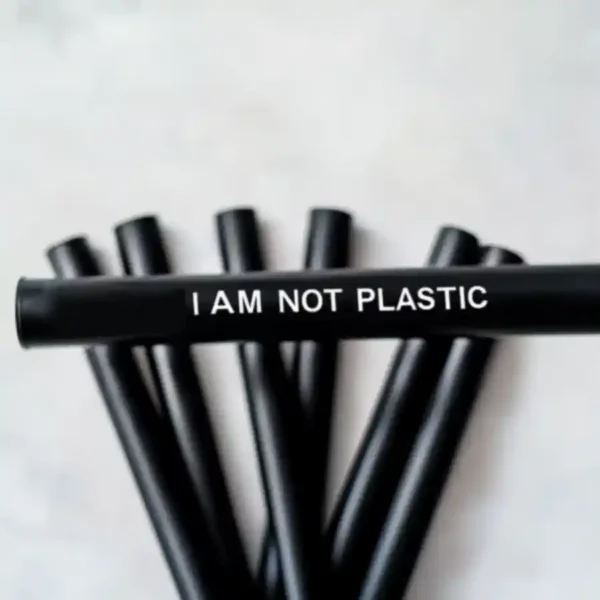
A: Yes, their moldable nature supports custom logos, enhancing eco-marketing.