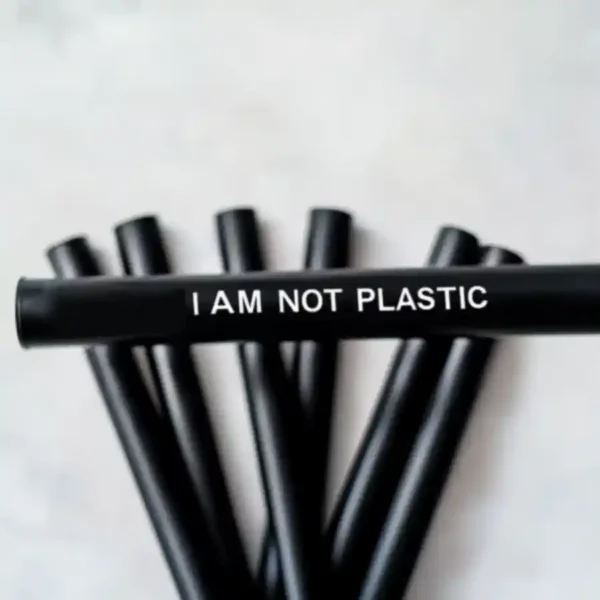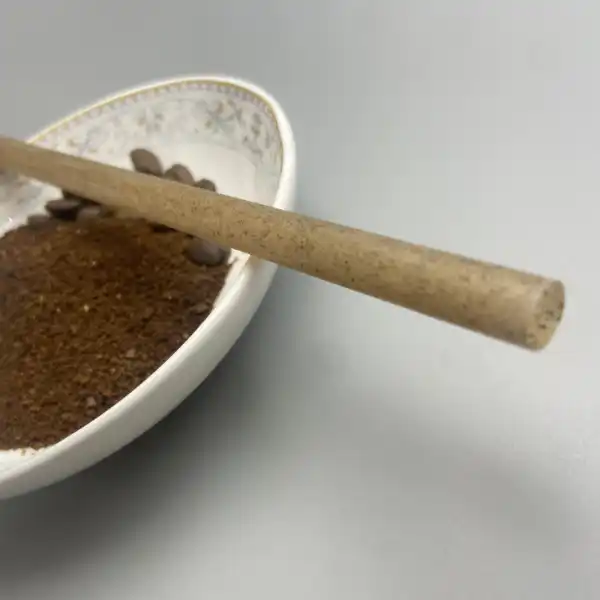

In het licht van de escalerende zorgen over het milieu heeft de wereld een toename gezien in de regelgeving gericht op plastic boba-rietjes, die een belangrijke bijdrage leveren aan de plasticvervuilingscrisis. Deze blogpost heeft tot doel licht te werpen op de huidige situatie, overheidsregelgeving en de gevolgen daarvan voor bedrijven op het gebied van compliance, duurzaamheid en toekomstige trends.
Invoering

Huidig scenario van plasticvervuiling
Plasticvervuiling is een ernstig milieuprobleem, waarbij kunststoffen voor eenmalig gebruik, waaronder plastic boba-rietjes, aanzienlijke ecologische schade veroorzaken. In de VS worden dagelijks 500 miljoen plastic rietjes weggegooid, wat enorm bijdraagt aan de vervuiling van de zee[1][5]. Deze rietjes belanden vaak op stortplaatsen of in de oceanen en vormen een ernstige bedreiging voor het leven in zee.
Overheidsvoorschriften inzake plastic Boba-rietjes
Wereldwijde overheden hebben regelgeving geïmplementeerd om het gebruik van plastic boba-rietjes te verminderen. Groot-Brittannië heeft bijvoorbeeld sinds juli 2021 de distributie van plastic rietjes verboden, met enkele uitzonderingen[4].
Compliance en duurzaamheid voor bedrijven

Naleving van deze regelgeving is niet alleen een wettelijke vereiste, maar ook een zakelijke noodzaak. B2B-kopers en op duurzaamheid gerichte bedrijven moeten zich aan deze veranderingen aanpassen om hun reputatie en marktpositie te behouden.
Achtergrond
Geschiedenis van de regelgeving voor plastic rietjes
De regelgeving tegen plastic rietjes is in de loop der jaren toegenomen. In de VS gaf de in december 2020 aangenomen Save Our Seas 2.0 Act de EPA de opdracht een nationale strategie te ontwikkelen om plasticvervuiling aan te pakken, inclusief het terugdringen van het gebruik van plastic rietjes[3].
Probleem van plastic Boba-rietjes

Plastic boba-rietjes dragen, vanwege hun uitgebreide gebruik in de voedingsmiddelen- en drankenindustrie, aanzienlijk bij aan de vervuiling door microplastics. De niet-biologische afbreekbaarheid van deze rietjes betekent dat ze honderden jaren in het milieu blijven hangen, waarbij bij de afbraak schadelijke microplastics vrijkomen.
Current Government Regulations on Plastic Boba Straws
Governments across the world have implemented regulations to curb the use of plastic boba straws. These regulations are pushing businesses, particularly those in the food and beverage industry, to adopt sustainable alternatives. Below is an overview of key regulations in several countries:
European Union (EU)
In 2021, the European Union enforced the Single-Use Plastics Directive (SUPD), which prohibits the use of single-use plastic straws, whether they are labeled as “bio-sourced” or “home compostable.” This ban applies to all EU member states and aims to reduce plastic waste and its environmental impact.
United Kingdom (UK)
Since July 2021, the UK has implemented a ban on the distribution of plastic straws. Businesses are prohibited from selling plastic straws as a standard offering and must instead provide alternatives such as paper or bamboo. However, there are exemptions:
- Plastic straws may be kept out of sight and provided only upon customer request.
- Businesses cannot offer plastic straws verbally or in writing.
Australia (New South Wales)
Starting 1 januari 2025, businesses in New South Wales will no longer be allowed to include banned plastic items in packaged food and drinks. This includes plastic straws sealed within packaging or attached to beverage containers via machine automation.
Implications for Businesses
Compliance Requirements
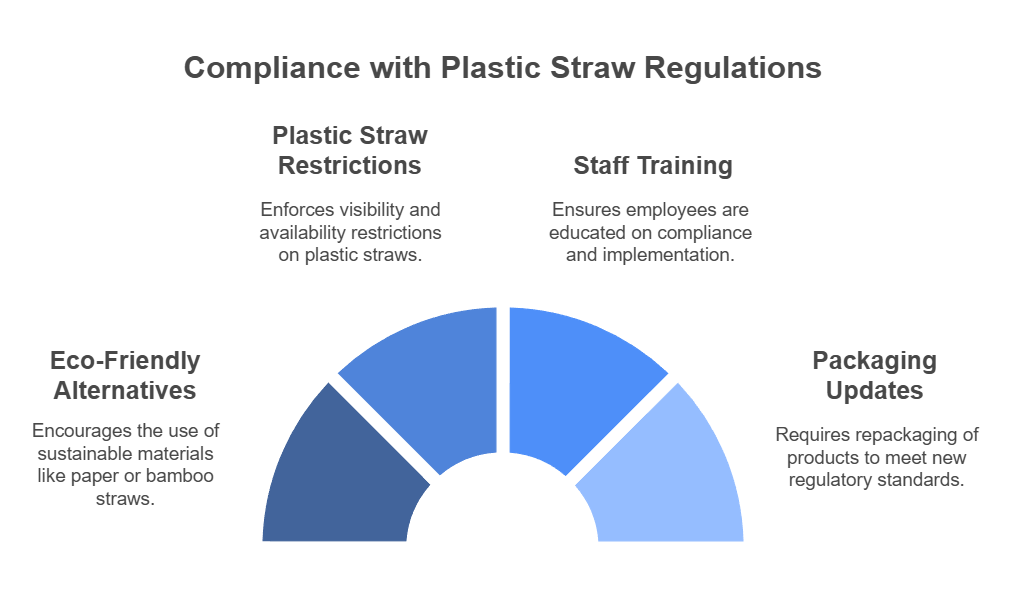
To comply with these regulations, businesses must make adjustments to their operations:
- Offer Alternatives: Businesses must provide eco-friendly alternatives such as paper or bamboo straws.
- Plastic Straw Restrictions: Where permitted, businesses must keep plastic straws out of sight and offer them only upon request.
- Opleiding van personeel: Businesses need to ensure that employees are informed about the new regulations and understand how to implement them.
- Packaging Updates: Products with integrated straws must be repackaged to comply with the new regulations.
Sustainability Challenges
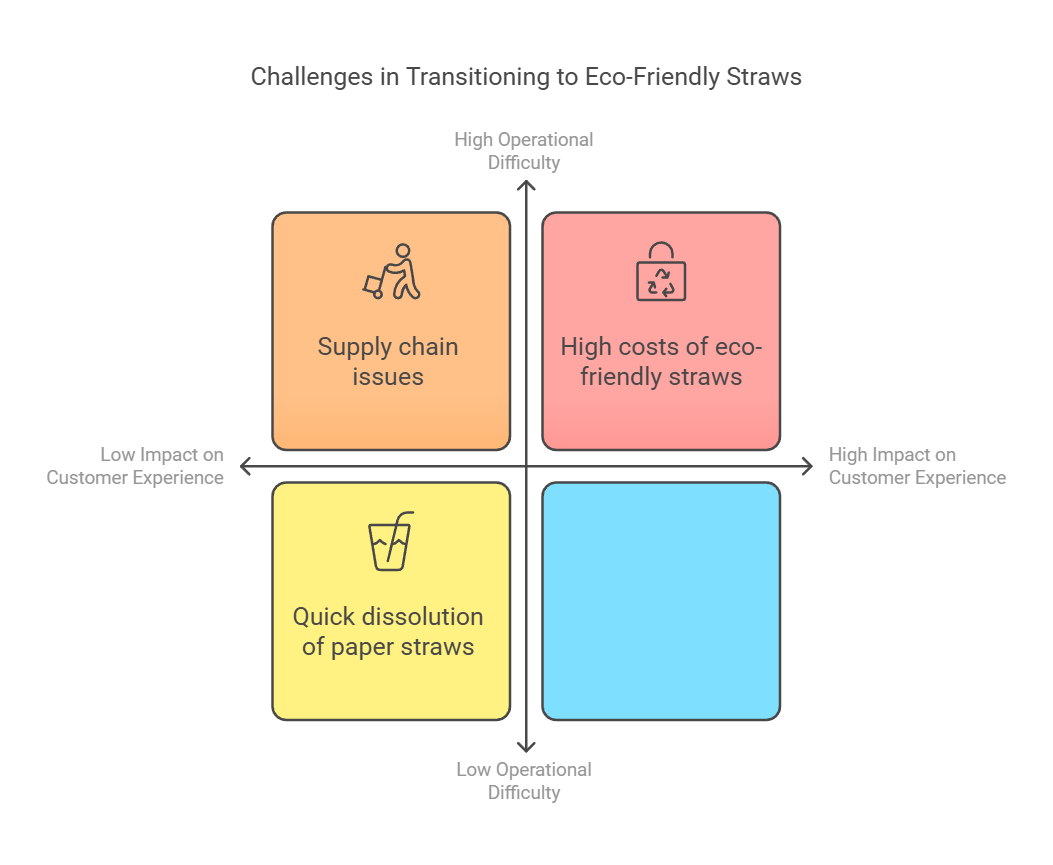
While transitioning away from plastic straws, businesses face several challenges:
- Quality of Alternatives: Many paper straws dissolve quickly in liquids, potentially affecting the customer experience, especially in beverages like bubble tea.
- Higher Costs: Eco-friendly alternatives often come with a higher price point compared to plastic straws.
- Supply Chain Issues: Businesses must source reliable suppliers for sustainable straws, which can sometimes be challenging and costly.

Future Trends
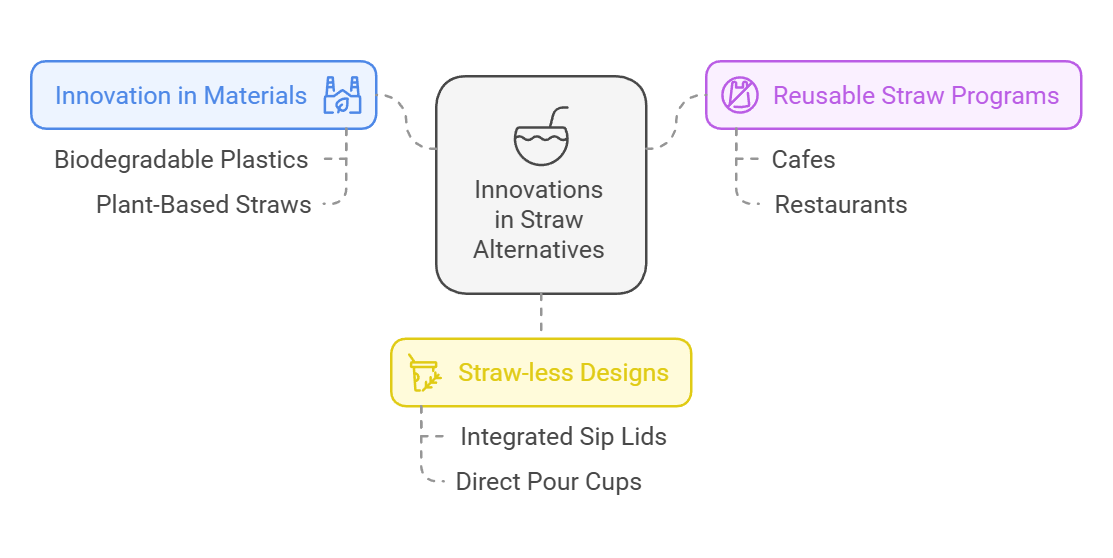
As the market adapts to these regulations, businesses are looking towards innovations that can address both environmental concerns and customer needs:
- Innovation in Materials: New, more durable, and eco-friendly materials are being developed to replace plastic straws.
- Reusable Straw Programs: Cafes and restaurants are introducing reusable straw programs to further reduce waste and enhance sustainability.
- Straw-less Designs: Some businesses are exploring cup designs that eliminate the need for straws altogether, further contributing to sustainability efforts.
Conclusie
The shift towards banning plastic straws is not just a regulatory requirement but a business opportunity. By staying informed about government regulations and adopting sustainable practices, businesses, especially in the bubble tea industry, can avoid penalties, enhance their brand image, and attract environmentally conscious customers. Embracing eco-friendly alternatives can improve sustainability efforts, reduce costs, and ultimately build customer loyalty.
Citaties:
- Taipec – Plastic Straws: What Are the Rules Bubble Tea Shop Owners Should Know?
- Drinking Straw – What is Bio-Sourced Bioplastic Straw?
- EPA – New South Wales Plastics Ban Guidance
- Drinking Straw – Which Alternatives to Plastic Straws?
- Renouvo – Plastic Straws Ban in the US and Europe
- Instagram – Advancing Justice