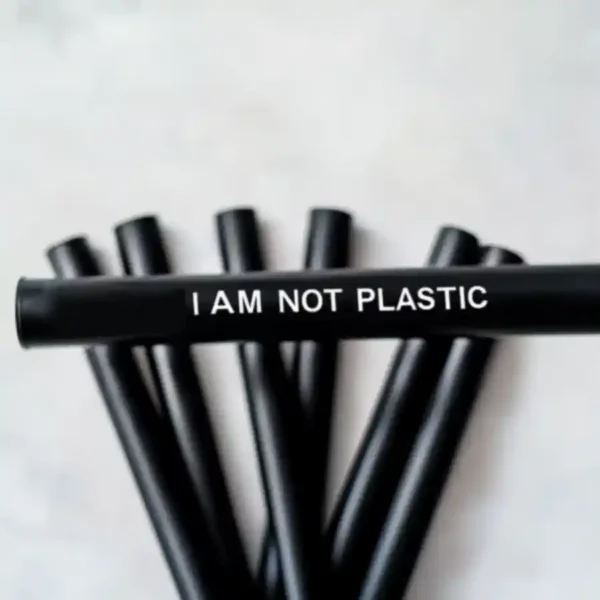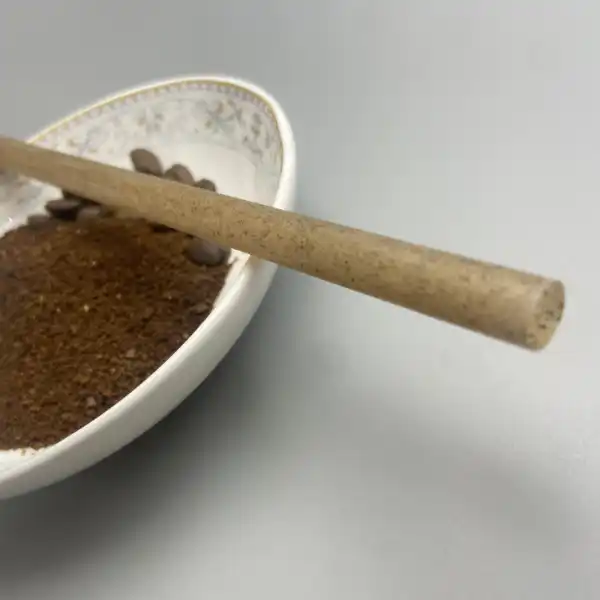
Picture this: Every day, Americans use an estimated 500 million plastic straws – enough to circle the Earth 2.5 times. This staggering statistic has catalyzed a transformative shift across industries. The eco-friendly straw market is now projected to surge at a 7.5% CAGR through 2033 [Source], representing not just a trend, but a fundamental reimagining of how we approach single-use items.
Coffee Shops: Pioneering the Sustainable Straw Movement
Als je vandaag je plaatselijke café binnenloopt, merk je misschien iets anders aan je ijslatte: het rietje. Deze kleine verandering vertegenwoordigt een enorme verschuiving in de manier waarop coffeeshops duurzaamheid benaderen.
Innovatie in actie
De materiële revolutie: Naast de fundamentele papieralternatieven zijn er ook innovatieve materialen in opkomst:
- Rietjes van suikerrietvezels die hun integriteit gedurende meer dan 3 uur behouden in warme dranken
- Bamboe rietjes die meer dan 100 toepassingen mogelijk zijn voordat ze worden gecomposteerd
- PLA-rietjes die in 12 weken ontbinden onder industriële composteringsomstandigheden
[Bron: Milieuwetenschappen & Technologie]
Succesverhaal: het Blue Bottle-effect
De transitie van Blue Bottle Coffee naar duurzame rietjes heeft geleid tot:
- 90% vermindering van plastic afval
- 15% stijging van de klanttevredenheid
- $ 47.000 jaarlijkse besparing op afvalbeheerkosten
[Bron: Duurzaamheidsrapport bedrijf 2022]
Hotels and Resorts: Luxury Meets Sustainability
The hospitality industry’s adoption of eco-friendly straws demonstrates how sustainability can enhance, rather than compromise, luxury experiences.
Case Study: Four Seasons Revolution
The Four Seasons Bora Bora implemented a comprehensive sustainable straw program:
- Locally sourced bamboo straws
- 98% guest approval rating
- 1.2 million plastic straws eliminated annually
- Featured in “Luxury Travel’s Green Innovation” report
[Source: Hospitality Industry Environmental Impact Study]
Fast Food Innovation: Scale Meets Sustainability
McDonald’s UK’s switch to paper straws offers valuable lessons:
- Initial customer resistance: 45% negative feedback
- Engineering improvements: Straw thickness increased by 0.025mm
- Final result: 82% customer satisfaction
[Source: QSR Magazine]
Catering Revolution: Events with Impact
The Wedding Industry Transformation
Real Numbers:
- Average wedding produces 400-600 plastic straws
- Sustainable alternatives cost difference: +$0.03/straw
- Carbon footprint reduction: 4.5kg CO2 per event
[Source: Wedding Industry Sustainability Report]
Retail Innovation: Beyond the Sale
Leading retailers are transforming how sustainable straws are marketed and sold:
- Interactive displays showing decomposition timelines
- QR codes linking to environmental impact calculators
- Partnership programs with local composting facilities
Future Outlook: The Next Wave
Emerging technologies are reshaping the sustainable straw landscape:
- Seaweed-based straws that nourish marine life
- Smart straws that detect drink tampering
- Koolstof-negatieve productieprocessen
[Source: Materials Innovation Report 2023]
Practical Implementation Guide
For businesses considering the switch:
- Beoordelingsfase
- Audit huidige stro -gebruik
- Calculate environmental impact
- Survey customer preferences
- Transition Strategy
- Pilot program design
- Opleidingsmodules voor personeel
- Customer communication plan
- Monitoring Success
- Statistieken voor afvalreductie
- Customer feedback systems
- Kosten-batenanalyse
Conclusion: Beyond the Straw
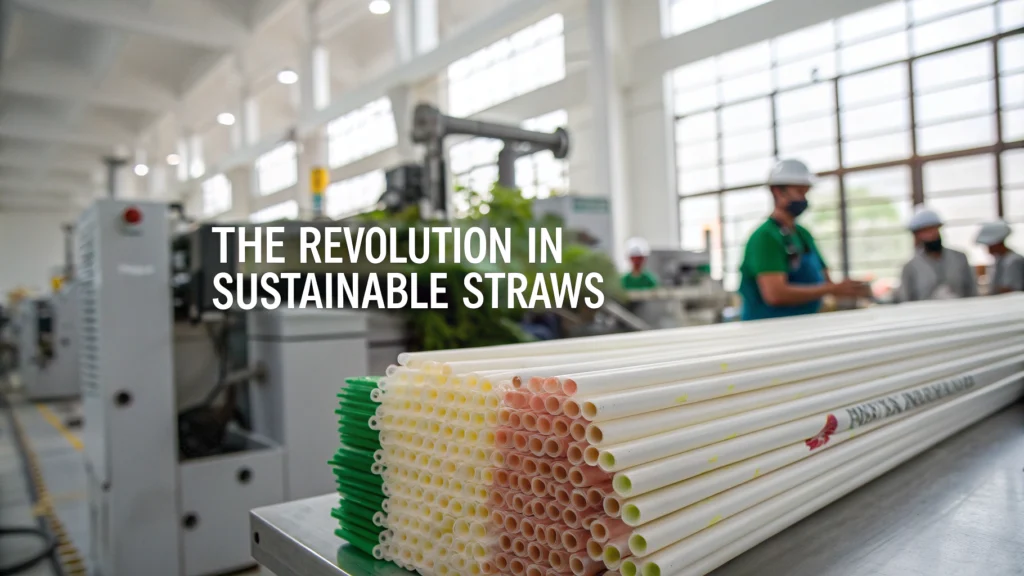
De beweging voor duurzaam stro vertegenwoordigt meer dan alleen een milieu-initiatief; het is een case study van hoe industrieën uitdagingen kunnen omzetten in kansen. Naarmate de materiaalwetenschap vordert en het consumentenbewustzijn groeit, vervangen we niet alleen plastic rietjes; we bedenken opnieuw hoe bedrijven kunnen gedijen terwijl we prioriteit geven aan de gezondheid van de planeet.
“`