Top FAQs About Sugarcane Straws and Their Benefits
With sustainability on the rise, suikerriet rietjes are becoming a go-to eco-friendly alternative for businesses and consumers. Made from bagasse—a sugarcane byproduct—these biodegradable straws reduce waste and support zero-waste goals. This guide answers top FAQs about sugarcane straws, highlighting their benefits over plastic and paper.

Wat zijn suikerrietrietjes?
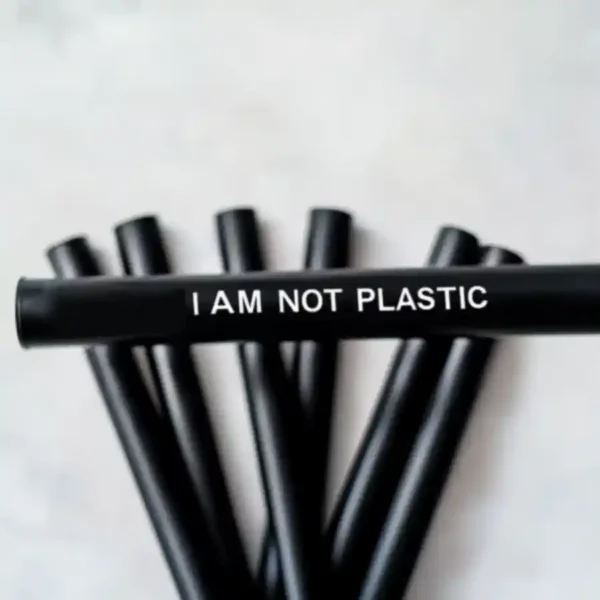
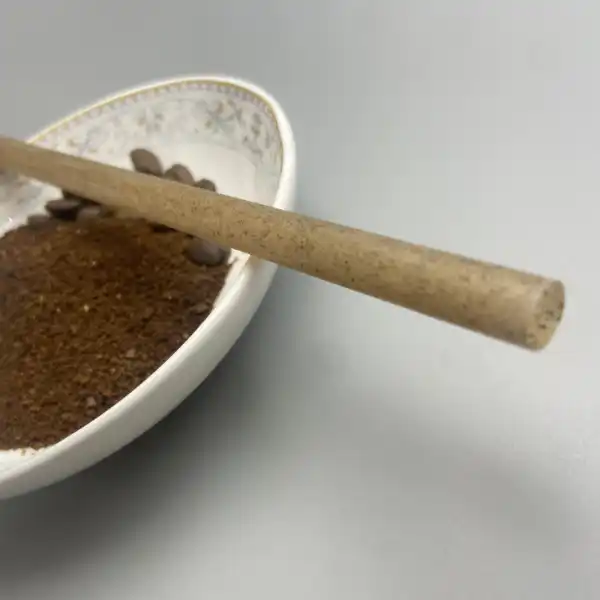
Sugarcane straws are crafted from bagasse, the fibrous residue left after sugarcane juice extraction. Through cleaning and heat-press molding, this byproduct transforms into durable, plant-based straws. Unlike plastic or paper, they’re fully compostable and biodegradable, offering a sustainable solution.
Belangrijkste kenmerken
- Renewable: Made from sugarcane waste, reducing virgin material use.
- Veilig: BPA-free, no bleach or dyes.
- Duurzaam: Withstands hot (up to 90°C) and cold drinks for 24+ hours.
- Certified: BPI and OK Compost HOME certified for home and commercial composting.
Why Choose Sugarcane Straws Over Plastic or Paper?
Sugarcane straws outshine traditional options in sustainability and performance:
| Functie | Plastic rietjes | Papieren rietjes | Rietjes van suikerriet |
|---|---|---|---|
| Material Source | Petroleum | Trees | Sugarcane waste |
| Ontledingstijd | 200+ jaar | 6 maanden | 12 weken |
| Composteerbaar | Nee | Beperkt | Ja |
| Hittebestendigheid | Smelt | Soggy | Tot 90°C |
Plastic takes centuries to break down, while paper straws falter in hot drinks. Sugarcane straws offer durability and eco-friendliness.

Top Benefits of Sugarcane Straws
Here’s why sugarcane straws are the best compostable straws for businesses:
- Renewable Production: Repurposes bagasse, supporting a circular economy.
- Composteerbaar: Breaks down in 12 weeks, certified for home use.
- Kosteneffectief: Bulk buys (e.g., $0.03/unit) rival paper costs.
- Duurzaam: Taste-neutral, lasts 24+ hours in drinks.
- Local Support: Sourcing bagasse boosts regional agriculture.
Data Insight: A 2023 Environmental Research Institute study shows sugarcane straws have a 60% lower carbon footprint than plastic (Source: ERI 2023).

How Businesses Can Transition to Sugarcane Straws
Adopt sugarcane straws with these actionable steps:
- Klanten opleiden: Use signage like “Composts in 12 weeks!”
- Offer Samples: Showcase quality with free trials.
- Selecteer leveranciers: Partner with certified vendors like Sumkoka.
- Treinpersoneel: Teach proper composting and customer communication.
- Market It: Promote your eco-friendly switch.
Casestudy: Green Café reduced waste by 30% and saw a 15% satisfaction boost after switching (2023 Green Business Report).

Over de auteur
Max Jiang, duurzaamheidsexpert bij NatureBioEco, heeft meer dan 10 jaar ervaring in milieuvriendelijke oplossingen.
Veel Gestelde Vragen
What are sugarcane straws made of?
Sugarcane straws are made from bagasse, a renewable sugarcane byproduct, processed into compostable straws.
Hoe lang gaan suikerrietrietjes mee in drankjes?
They last 24+ hours in cold drinks and withstand hot drinks up to 90°C without softening.
Are sugarcane straws more expensive than plastic?
Slightly higher upfront, but bulk pricing (e.g., $0.03/unit) and waste savings make them cost-effective.
Where can businesses buy sugarcane straws?
Certified suppliers like Sumkoka and EQUO offer bulk options with branding customization.
Are sugarcane straws compostable at home?
Yes, they compost in 12 weeks at home or industrially, per BPI and OK Compost HOME standards.