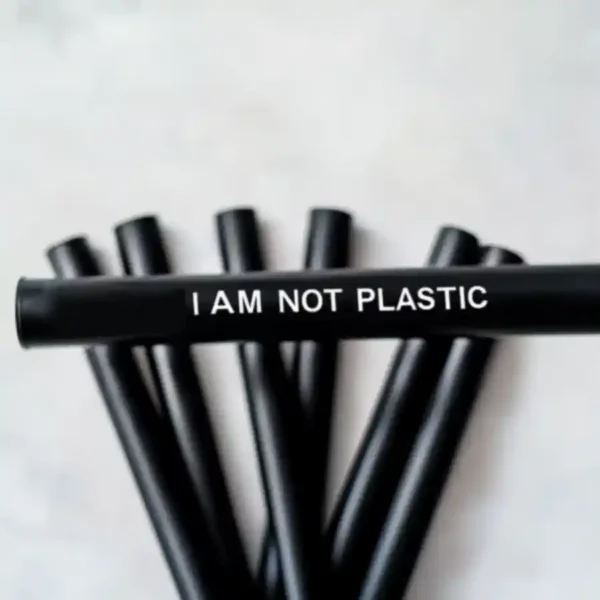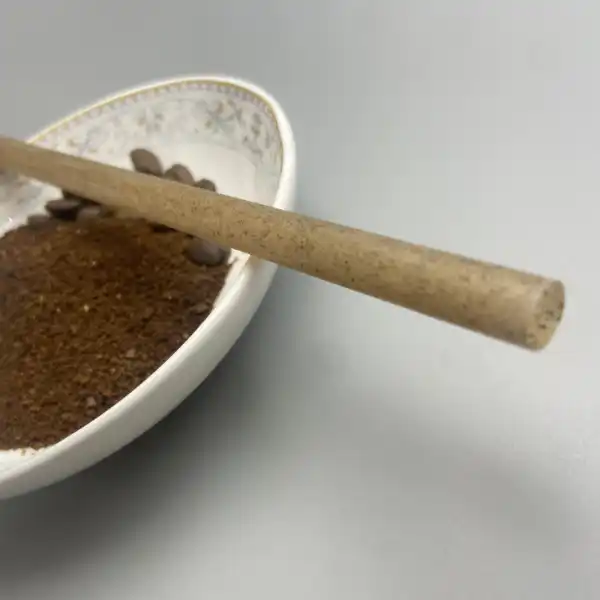

Why don’t we use bamboo straws?
## Why Don’t We Use Bamboo Straws? A Deep Dive into the Eco-Friendly Alternative
Invoering
Onze planeet worstelt met een kritiek milieuprobleem, voornamelijk veroorzaakt door het grootschalige gebruik van plastic rietjes. Hoewel ze misschien onbeduidend lijken, dragen deze rietjes aanzienlijk bij aan de plasticvervuiling, brengen ze mariene soorten in gevaar en dragen ze bij aan de enorme hoeveelheden afval in onze oceanen. De laatste tijd is er een enorme belangstelling ontstaan voor milieuvriendelijke alternatieven voor plastic rietjes, waaronder bamboerietjes. Ondanks hun voordelen voor het milieu moeten bamboerietjes echter nog algemeen worden toegepast. Deze blogpost heeft tot doel deze paradox te ontrafelen en licht te werpen op waarom bamboerietjes serieuzer moeten worden overwogen.
Bamboerietjes begrijpen
Bamboo straws are derived from the natural, renewable resource of bamboo. Here’s a rundown of how they’re made and their unique features:
How They Are Made
Bamboo straws are manufactured from 100% natural bamboo, which is cut to size, smoothed, and sometimes polished. Their production typically necessitates minimal resource inputs like water, pesticides, or fertilizers, making it an energy-efficient method.
Unique Features of Bamboo Straws
- Hernieuwbare hulpbronnen: Bamboo is a highly sustainable crop that grows rapidly without the need for fertilizers or pesticides.
- Biologisch afbreekbaar en composteerbaar: Unlike plastic straws, which take hundreds of years to decompose, bamboo straws can be composted at the end of their lifespan, returning to the earth without leaving harmful residues.
- No Harmful Chemicals: Bamboo straws do not contain any harmful chemicals, ensuring they are safe for drinking and do not leach into beverages.
Case Studies of Successful Bamboo Straw Usage
Several companies and countries have successfully implemented the use of bamboo straws, demonstrating their positive impacts on the environment.
Companies Leading the Charge
Companies like FOOGO Green have been at the forefront of promoting bamboo straws as a sustainable alternative. Their straws are made from high-quality bamboo, are allergen-free, and come in various sizes suitable for different beverages.
Another company, ARBHU Enterprises, has detailed the manufacturing process of bamboo straws, showcasing their eco-friendly nature and low carbon footprint.
Countries Embracing Sustainable Practices
Countries like the UK have banned single-use plastic straws, paving the way for sustainable alternatives like bamboo straws. This policy shift has encouraged consumers to opt for eco-friendly options, reducing plastic waste significantly.
Challenges in Implementing Bamboo Straws
Despite their benefits, there are several challenges that hinder the widespread adoption of bamboo straws.
Practicality Issues
- Durability and Usability: Some consumers may find bamboo straws less convenient than plastic straws due to their natural material, which can be more prone to warping or bending. However, many manufacturers address this by ensuring their straws are sturdy and durable.
- Cleaning and Maintenance: Bamboo straws require gentle soap and warm water for cleaning. If not properly dried, they can develop mold or mildew, which can be a hygiene concern.
Cost Factor
- Production Costs: The cost of producing bamboo straws can be higher than that of plastic straws due to the natural material and handcrafted or energy-efficient manufacturing methods.
- Retail Prices: Although the retail price of bamboo straws is generally comparable to plastic straws, it may still be a deterrent for some consumers.
Potential Health Concerns
- Allergies: There is a minimal risk of allergies to bamboo, but some individuals might still be concerned. Proper sourcing and manufacturing processes minimize this risk.
- Hygiene Issues: With proper cleaning and maintenance, bamboo straws can be considered hygienic. Manufacturers often include a cleaning brush to facilitate this process.
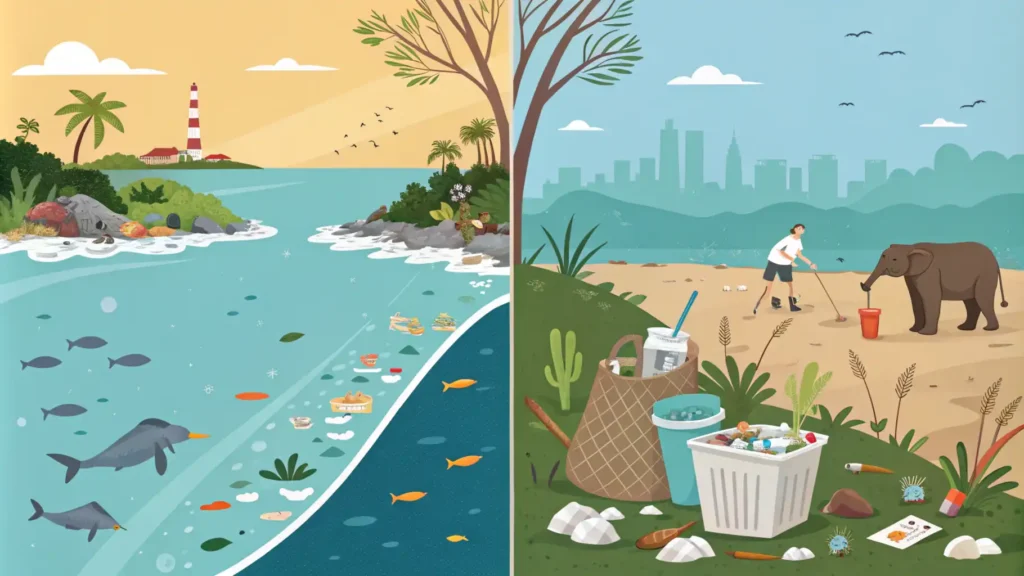
The Bigger Picture: The Problem of Plastic Pollution
Plastic pollution is a global issue, with approximately 12.7 million tonnes of plastic entering our oceans each year. This level of pollution necessitates a systemic change in consumer behavior and product choices.
Recap of Plastic Pollution
Plastic straws contribute significantly to ocean pollution, harming marine life and contaminating our ecosystems. The long decomposition time of plastic straws means that even the smallest amount used can accumulate and cause devastating effects over time.
Role of Bamboo Straws
Using bamboo straws can significantly reduce plastic waste and support sustainable practices. Their biodegradable nature ensures they decompose naturally without harming wildlife or ecosystems.
Need for Systemic Changes
While bamboo straws offer a viable alternative, they are just one part of a larger solution. We need to address the root causes of plastic pollution through education, innovation, and policy changes.
Overcoming the Challenges: What Can Be Done?
To overcome the challenges associated with bamboo straws, several strategies can be employed:
Innovations in Production
Innovations in manufacturing processes can reduce production costs and improve durability. For example, using sustainable materials for packaging and optimizing manufacturing techniques can enhance efficiency.
Government Subsidies
Overheden kunnen subsidies verstrekken aan bedrijven die milieuvriendelijke alternatieven produceren, zoals bamboerietjes, waardoor ze concurrerender worden op de markt.
Consumenteneducatie
Het voorlichten van consumenten over de voordelen van bamboerietjes en de schade veroorzaakt door plastic voor eenmalig gebruik kan de vraag naar duurzame alternatieven stimuleren. Marketingcampagnes die de milieuvriendelijke aspecten van bamboerietjes onder de aandacht brengen, kunnen ook een cruciale rol spelen.
Other Sustainable Alternatives
Naast bamboerietjes zijn er ook andere duurzame alternatieven: tarwerietjes, die gemaakt zijn van geoogste tarwestengels en volledig composteerbaar zijn.

Conclusie
In conclusion, while there are several reasons why bamboo straws are not yet widely used, their eco-friendly nature and potential to significantly reduce plastic pollution make them an attractive alternative. By addressing the practicality issues, cost factors, and potential health concerns associated with bamboo straws, we can increase their adoption rates.
We must recognize the bigger picture of plastic pollution and take a holistic approach to combat this issue. By choosing sustainable products like bamboo straws, we can contribute to a cleaner environment and support sustainable practices.
Steps You Can Take:
- Switch to Bamboo Straws: Make the switch from plastic to bamboo straws in your daily life.
- Educate Others: Share information about the benefits of bamboo straws with friends and family.
- Support Eco-Friendly Brands: Choose brands that offer sustainable alternatives like bamboo straws.
- Participate in Policy Changes: Advocate for policies that promote the use of sustainable materials.
Together, we can make a difference and reduce our plastic footprint.
Referenties
- Interfaith Sustain: “Bamboo Straws”
- Seek Bamboo: “Reusable Bamboo Drinking Straws”
- ARBHU Enterprises: “Discover How Bamboo Straws are Made”
- Decoding Biosphere: “Are Bamboo Straws Safe and Reusable?”
- FOOGO Green: “Advantages of Using Bamboo Straws”