“`html
Audite sua cadeia de suprimentos de canudos compostáveis em 2025

Em 2025, a sustentabilidade não é apenas uma palavra da moda – é um imperativo empresarial. À medida que as regulamentações globais se tornam mais rigorosas e as expectativas dos consumidores evoluem, as equipas de compras enfrentam uma pressão crescente para garantir que todos os aspectos da sua cadeia de fornecimento estejam alinhados com os compromissos ambientais. As palhinhas compostáveis surgiram como uma pedra angular das operações sustentáveis de serviços alimentares, mas nem todas as alternativas ecológicas são criadas iguais.
Behind every truly sustainable straw lies a complex supply chain that demands rigorous scrutiny. From raw material sourcing to manufacturing processes and certification standards, each link in your supply chain tells a story about your brand’s commitment to environmental stewardship. This year, forward-thinking businesses are conducting comprehensive audits of their compostable straw suppliers to verify claims, optimize performance, and mitigate reputational risks.
Why Transparency in Sourcing Matters

In today’s information-rich marketplace, surface-level sustainability claims no longer suffice. Stakeholders demand verifiable evidence of ethical practices throughout your supply chain. For compostable straws, transparency begins with fundamental questions: Where are the raw materials harvested? Under what conditions? How are workers treated? What environmental safeguards are in place during manufacturing?
Transparent sourcing delivers multiple competitive advantages:
- Risk mitigation: Identifying potential disruptions or compliance issues before they impact your operations
- Consumer trust: Building authentic connections with increasingly discerning customers
- Regulatory readiness: Staying ahead of evolving environmental legislation
- Brand integrity: Ensuring your sustainability messaging aligns with operational realities
Companies lacking visibility into their compostable straw supply chains face significant vulnerabilities, from greenwashing accusations to business continuity threats.
Key Certifications to Look For

When auditing potential suppliers, certain certifications serve as critical indicators of quality, safety, and environmental responsibility:
- FDA certification: Ensures materials meet stringent food safety standards
- LFGB certification: The German standard widely recognized as one of the world’s most rigorous for food-contact materials
- Home compostability verification: Confirms straws will decompose in home composting conditions, not just industrial facilities
- Third-party sustainability certifications: Independent verification of environmental claims
These certifications provide objective evidence that your compostable straws truly deliver on their sustainability promise while maintaining the highest safety standards. Ask potential suppliers for comprehensive documentation rather than accepting vague certification claims.
Innovative Eco-Friendly Solutions
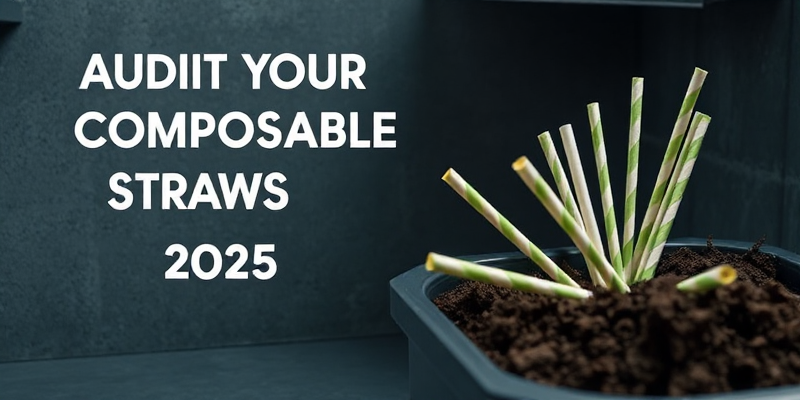
The compostable straw market has evolved dramatically, with Pertos de cana de açúcar personalizáveis representing the cutting edge of sustainable innovation. Leading suppliers now offer:
- Material innovations beyond plastic alternatives, including coffee grounds-based options
- Size customization for specific beverage applications, from canudos padrão para smoothie sizes e boba tea options
- Individually wrapped solutions for hygiene-conscious environments, available in padrão e specialty sizes
- Bulk packaging options for operational efficiency and reduced packaging waste
- Custom branding opportunities that transform sustainable straws into marketing assets
The most sophisticated suppliers offer end-to-end customization capabilities, allowing you to align your compostable straw program precisely with your brand identity and operational requirements.
Actionable Steps for Auditing Your Supply Chain
Implementing a comprehensive audit of your compostable straws supply chain requires a systematic approach:
- Map your current supply network: Document all suppliers, sub-suppliers, and raw material sources
- Establish clear evaluation criteria: Define your non-negotiable requirements for sustainability, quality, and ethical practices
- Request detailed documentation: Collect certificates, test results, and chain-of-custody records
- Conduct supplier assessments: Evaluate manufacturing facilities through virtual or in-person visits
- Implement tracking systems: Deploy technology solutions to maintain ongoing visibility
- Establish performance metrics: Monitor key indicators to drive continuous improvement
Uma auditoria abrangente pode revelar oportunidades para consolidar fornecedores, reduzindo a complexidade e melhorando simultaneamente os resultados de sustentabilidade.
Case Study: Transforming Sustainability from Promise to Practice
A NatureBioEco fez recentemente uma parceria com uma cadeia multinacional de restaurantes de serviço rápido que procura melhorar as suas credenciais de sustentabilidade e, ao mesmo tempo, garantir a excelência operacional. O cliente usava canudos supostamente compostáveis, mas descobriu, por meio de testes preliminares, que esses produtos não estavam se decompondo conforme o esperado em condições reais.
Através do nosso processo de auditoria abrangente, identificamos lacunas críticas na sua cadeia de fornecimento. O seu fornecedor existente proporcionava transparência limitada no fornecimento de matérias-primas e empregava processos de fabrico que introduziam riscos de contaminação. Além disso, a documentação de certificação estava incompleta e desatualizada.
By transitioning to NatureBioEco’s palhas de cana ecológicas, the restaurant chain achieved:
- 100% verified home compostability
- Complete supply chain transparency
- Custom-branded sustainable straws that reinforced their environmental messaging
- Cost savings through improved logistics and bulk purchasing options
- Enhanced customer satisfaction and measurable reputation improvements
The partnership demonstrates how rigorous supply chain auditing can transform sustainability from aspiration to operational reality.
perguntas frequentes
What certifications should I look for in compostable straws?
Look for FDA and LFGB certifications, which ensure the straws are safe for consumer use and meet environmental standards. Additionally, home compostable certifications are a plus.
How can I ensure transparency in my supply chain?
Start by mapping out your supply chain and conducting regular audits. Request detailed reports and verify certifications. Engage with suppliers who prioritize transparency and provide comprehensive documentation.
What are the benefits of customizable compostable straws?
Customizable straws allow you to tailor products to your brand’s specific needs, including unique colors, sizes, and branding options. This enhances your market presence and aligns with your brand identity.
Why is home compostability important?
Home compostable straws are preferred by eco-conscious consumers as they can be composted at home, reducing the need for industrial composting facilities and further minimizing environmental impact.
How often should I audit my supply chain?
Regular audits are essential. Conduct them at least annually, or more frequently if there are significant changes in your supply chain or if you identify potential risks.
“`