Cana-de-açúcar Sustentável & Canudos de papel: conformidade B2B & Guia de ROI

No movimentado restaurante de um hotel em Miami, o gerente observa os hóspedes saborearem coquetéis refrescantes em canudos resistentes à base de plantas. O que eles não percebem é que essas palhinhas aparentemente simples representam uma importante decisão operacional que está economizando milhares de dólares em custos de conformidade para o hotel, ao mesmo tempo em que aumenta suas credenciais de sustentabilidade.
Com as proibições dos canudos de plástico afetando agora mais de 30 países e centenas de cidades em todo o mundo, as empresas de serviços alimentares enfrentam um ponto de inflexão crítico. A humilde palhinha tornou-se o modelo dos plásticos desnecessários de utilização única, com cerca de 500 milhões de palhinhas de plástico utilizadas diariamente só nos EUA – a maioria acabando em aterros sanitários ou, pior, nos nossos oceanos.
Para cadeias de hotéis, grupos de restaurantes, cafés e empresas de catering, a transição das palhinhas de plástico não se trata apenas de uma questão de consciência ambiental – trata-se de uma questão de sobrevivência num mercado onde as regulamentações são mais rigorosas todos os anos e os consumidores votam cada vez mais com as suas carteiras em opções sustentáveis.
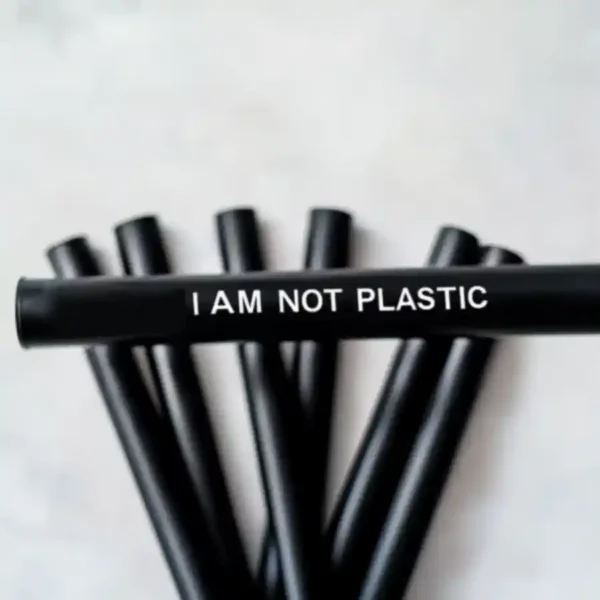
Os canudos de cana-de-açúcar e de papel emergiram como os principais concorrentes no mercado de canudos sustentáveis, oferecendo às empresas soluções compatíveis que atendem aos requisitos regulatórios e às expectativas dos clientes. Mas navegar nesta transição requer a compreensão das nuances entre opções, requisitos de certificação, implicações de custos e desempenho no mundo real.
Este guia abrangente revela tudo o que os compradores B2B precisam saber sobre como fazer a mudança para canudos sustentáveis – desde considerações de conformidade e análise de custos até estratégias de implementação e recepção de clientes. Exploraremos por que as principais marcas de hospitalidade estão cada vez mais recorrendo a alternativas à base de cana-de-açúcar, como esses produtos funcionam em vários ambientes de serviços de alimentação e os benefícios comerciais tangíveis que impulsionam essa mudança em todo o setor.
Conformidade Regulatória: Certificações para Cana-de-Açúcar e Canudos de Papel

O cenário regulatório para produtos de uso único continua a evoluir rapidamente, criando um ambiente complexo para as empresas navegarem. Compreender as certificações importantes pode salvar seus negócios de multas caras e interrupções operacionais.
De acordo com dados recentes da indústria, as empresas que não cumpram os regulamentos de plástico de utilização única enfrentam penalidades que variam entre 100 e 1.000 dólares por violação em muitas jurisdições, com algumas áreas metropolitanas impondo multas até 2.000 dólares para reincidentes. Esses riscos financeiros tornam essencial a certificação adequada.
As duas certificações mais críticas para itens de food service, como canudos sustentáveis, são:
1. **Conformidade com a FDA**: O FDA exige que todos os materiais em contato com alimentos sejam seguros para o uso pretendido. Os canudos de cana-de-açúcar e de papel certificados pela FDA foram submetidos a testes rigorosos para garantir que não contenham produtos químicos nocivos que possam migrar para as bebidas.
2. **Certificação LFGB**: Este padrão alemão de segurança alimentar é frequentemente considerado mais rigoroso do que os requisitos da FDA, tornando-o o padrão ouro em todo o mundo. Os canudos certificados pela LFGB oferecem garantia adicional de segurança do produto.
3. **Certificações de Compostabilidade**: Procure as certificações BPI, TÜV Austria (OK Compost) ou DIN CERTCO que verificam se os produtos se decompõem adequadamente em instalações de compostagem comercial.
Para empresas que operam internacionalmente, navegar pelos diferentes requisitos regionais acrescenta outra camada de complexidade. As palhas de cana-de-açúcar oferecem vantagens específicas para empresas que trabalham em vários ambientes regulatórios pois normalmente atendem aos padrões globais mais rigorosos e oferecem compostabilidade genuína no final da vida útil.
Ao adquirir fornecedores, solicite documentação abrangente de todas as certificações relevantes. Fabricantes respeitáveis devem fornecer prontamente essas informações e ajudá-lo a entender quais certificações se aplicam aos seus mercados específicos.
Como a cana-de-açúcar e os canudos de papel se comparam a outras alternativas ecológicas

O mercado da palha sustentável explodiu em opções, criando confusão para os gestores de compras encarregados de fazer a escolha certa. Veja como as principais alternativas se comparam:
| Tipo palha | Durabilidade | Experiência do usuário | Custo (US$/1.000) | Compostabilidade | Impacto ambiental |
|---|---|---|---|---|---|
| ———— | ———— | —————– | ————— | —————- | ———————— |
| Cana -de -açúcar | 2-4 horas | Sabor rígido e neutro | US$ 25-40 | Casa compostável | Material subproduto, baixa pegada de carbono |
| Papel | 1-2 horas | Pode suavizar rapidamente | US$ 15-30 | Compostável | Maior uso de água na produção |
| PLA “Bioplástico” | Mais de 4 horas | Mais semelhante ao plástico | US$ 20-35 | Apenas composto industrial | Muitas vezes contaminam os fluxos de reciclagem |
| Macarrão | 30-60 minutos | Impacto do sabor | US$ 40-60 | Comestível | Preocupações com desperdício de alimentos |
| Bambu | Reutilizável | Requer limpeza | US$ 200-300 | Normalmente não | Limpeza com uso intensivo de recursos |
UM análise abrangente comparando cana-de-açúcar com canudos de papel revela diferenças significativas no desempenho e na pegada ambiental. Embora os canudos de papel tenham conquistado o domínio do mercado desde o início, as reclamações dos clientes sobre a rápida deterioração das bebidas levaram muitas empresas a reconsiderar suas opções.
De acordo com um inquérito da indústria de 2023, 67% das empresas de serviços alimentares que inicialmente mudaram para palhinhas de papel relataram ter recebido reclamações de clientes sobre o seu desempenho, com 41% eventualmente mudando para materiais alternativos sustentáveis.
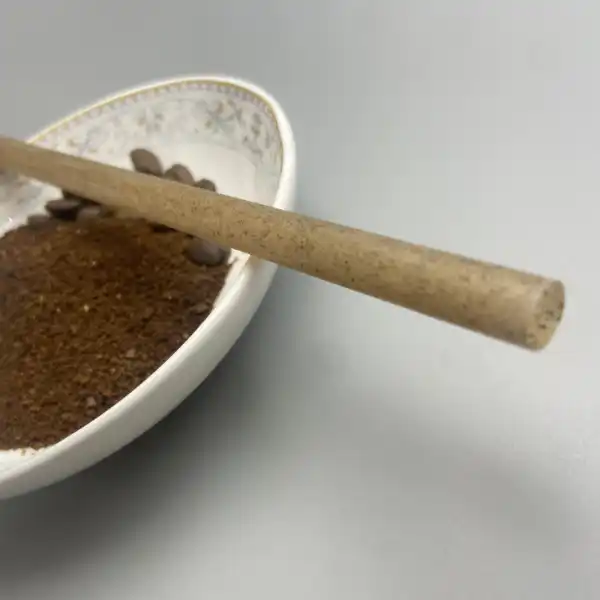
As palhas de cana-de-açúcar ganharam força precisamente porque colmatam essa lacuna de satisfação do cliente, ao mesmo tempo que mantêm fortes credenciais ambientais. Feitas a partir do bagaço (subproduto fibroso da extração do caldo da cana), essas palhas reaproveitam resíduos agrícolas que seriam queimados ou descartados.
Para empresas que operam em ambientes úmidos ou que servem bebidas congeladas, palhas de cana-de-açúcar resistentes à umidade oferecem vantagens particulares, mantendo sua estrutura por muito mais tempo do que as alternativas de papel padrão.
Principais benefícios empresariais da mudança para canudos sustentáveis

Além da conformidade regulatória, a transição para canudos de cana-de-açúcar ou de papel oferece diversas vantagens comerciais que podem impactar positivamente seus resultados financeiros:
1. **Percepção aprimorada da marca**: uma pesquisa da Deloitte de 2023 descobriu que 45% dos consumidores mudaram suas preferências de compra com base em preocupações de sustentabilidade, com esse número subindo para 62% entre os millennials. Iniciativas de sustentabilidade visíveis, como canudos ecológicos, sinalizam seus valores aos clientes.
2. **Estabilização de custos**: Embora os canudos sustentáveis normalmente custem mais por unidade do que o plástico convencional (aproximadamente 2-3 centavos versus 0,5 centavos), eles protegem as empresas da volatilidade dos preços dos produtos à base de petróleo e do aumento dos impostos sobre o plástico que estão sendo introduzidos globalmente.
3. **Simplicidade Operacional**: Iniciativas de desperdício zero incorporando canudos sustentáveis pode simplificar os fluxos de resíduos e reduzir os custos de eliminação. As empresas que utilizam produtos compostáveis relatam poupanças no tratamento de resíduos de 15-20% quando devidamente implementados com sistemas de gestão de resíduos apropriados.
4. **Diferenciação de marketing**: Canudos sustentáveis criam oportunidades de marketing tangíveis – desde barracas de mesa destacando seus compromissos ambientais até conteúdo de mídia social mostrando suas práticas sustentáveis. Esses pontos de contato reforçam a fidelidade do cliente e atraem consumidores ambientalmente conscientes.
5. **Operações preparadas para o futuro**: À medida que as regulamentações continuam a ficar mais rigorosas em todo o mundo, as empresas que já utilizam produtos em conformidade evitam transições de emergência dispendiosas e interrupções operacionais.
Para operações de grande escala, como redes de hotéis ou centros de conferências, a compra em massa de canudos sustentáveis pode reduzir significativamente os custos por unidade, com descontos por volume muitas vezes atingindo 25-30% para pedidos superiores a 100.000 unidades.
Ao calcular o ROI, considere não apenas o diferencial de custo do produto, mas também o valor de marketing, os benefícios de redução de desperdício e a garantia de conformidade que esses produtos oferecem.
Impacto Ambiental: Por que as Canudos Sustentáveis Vencem

O argumento ambiental para abandonar as palhinhas de plástico é convincente, com benefícios que vão muito além da simples conformidade regulamentar.
De acordo com uma avaliação do ciclo de vida de 2023 publicada no Journal of Environmental Management, a substituição de um milhão de canudos de plástico por alternativas à cana-de-açúcar reduz as emissões de carbono em aproximadamente 7,5 toneladas métricas – o equivalente a tirar 1,6 veículos de passageiros das estradas durante um ano.
Ao contrário dos canudos de plástico que persistem há séculos, palhas de cana-de-açúcar normalmente biodegradam dentro de 90-180 dias em condições adequadas de compostagem, devolvendo nutrientes ao solo em vez de se fragmentarem em microplásticos nocivos. Esta rápida decomposição contrasta fortemente com os estimados mais de 200 anos necessários para a degradação da palha plástica.
O PNUMA identificou alternativas à base de plantas como críticas para lidar com os 8 milhões de toneladas de plástico que entram nos oceanos anualmente, com as palhinhas classificadas consistentemente entre os dez principais itens encontrados nas limpezas de praias em todo o mundo.
Para empresas com objetivos de sustentabilidade estabelecidos, as palhinhas sustentáveis proporcionam uma demonstração visível e tangível de compromisso ambiental que repercute nos clientes. A implementação desses produtos cria oportunidades educacionais com funcionários e clientes sobre iniciativas mais amplas de sustentabilidade.
Estudo de caso: Sucesso da palha sustentável em ação

O Costa Azul Resort, uma propriedade de 350 quartos à beira-mar em Cancún, demonstra na prática o caso comercial de canudos sustentáveis. Em 2022, enfrentando regulamentações locais rigorosas sobre plásticos descartáveis e maiores expectativas dos hóspedes em relação à responsabilidade ambiental, o resort fez a transição do plástico para o plástico. palhas de cana-de-açúcar projetadas especificamente para ambientes úmidos.
Os resultados foram atraentes em várias métricas:
- **Satisfação dos hóspedes**: pesquisas pós-implementação mostraram um aumento de 22% nos comentários positivos sobre as práticas de sustentabilidade do resort, com 64% dos hóspedes mencionando especificamente os canudos ecológicos.
- **Garantia de Conformidade**: O resort evitou possíveis multas de até US$ 10.000 sob as rigorosas regulamentações da zona costeira do México.
- **Valor de marketing**: o envolvimento nas mídias sociais aumentou 37% ao apresentar conteúdo sobre suas iniciativas de desperdício zero, incluindo palhas de cana-de-açúcar.
- **Gestão de Custos**: Apesar de um custo por unidade mais elevado, o resort reportou um ROI globalmente positivo ao considerar a redução dos custos de tratamento de resíduos e os benefícios de marketing.
Mais notavelmente, a propriedade praticamente não recebeu reclamações dos hóspedes sobre o desempenho do canudo – um fator crítico dadas as expectativas de experiência premium do cliente. As palhas de cana-de-açúcar mantiveram sua integridade em coquetéis congelados e resistiram à alta umidade do ambiente tropical.
“A transição foi perfeita do ponto de vista operacional”, observou Elena Vega, Diretora de Sustentabilidade da Costa Azul. “Nossa equipe gostou de ter um produto que pudesse recomendar com segurança aos hóspedes e incorporamos os canudos em nossa história mais ampla de sustentabilidade.”
perguntas frequentes
- Quanto mais caros são os canudos sustentáveis em comparação com o plástico?
- Embora a diferença de custo por unidade seja significativa (2-3 cêntimos para opções sustentáveis versus 0,5 cêntimos para o plástico), a compra em volume pode reduzir substancialmente esta lacuna. Muitas empresas compensam o aumento do custo do produto através da redução de resíduos, benefícios de marketing e garantia de conformidade. Calcule seu custo total de propriedade em vez de focar apenas no preço de compra.
- Qual é o desempenho da palha de cana-de-açúcar em bebidas frias ou congeladas?
- Os canudos de cana-de-açúcar normalmente mantêm sua estrutura em bebidas geladas por 2 a 4 horas, superando significativamente os canudos de papel padrão, que podem começar a se deteriorar em 30 a 60 minutos. Para bebidas congeladas ou lamacentas, procure especificamente opções de cana-de-açúcar reforçada, projetadas para maior durabilidade.
- As palhinhas sustentáveis são realmente melhores para o ambiente?
- Sim, quando devidamente adquiridos e descartados. Os canudos de cana-de-açúcar utilizam subprodutos agrícolas e são totalmente biodegradáveis, enquanto os canudos de papel vêm de fontes renováveis, mas requerem mais água na produção. Ambos oferecem melhorias ambientais substanciais em relação aos plásticos à base de petróleo que persistem durante séculos.
- Os clientes percebem ou se preocupam com o tipo de canudo?
- A investigação mostra que os clientes notam cada vez mais práticas sustentáveis, com 73% dos consumidores dispostos a mudar os hábitos de consumo para reduzir o impacto ambiental. Mais importante ainda, eles definitivamente percebem quando o desempenho dos canudos é ruim, tornando a qualidade essencial para a satisfação do cliente.
- Que certificações devo procurar ao comprar palhinhas sustentáveis?
- Priorize a conformidade da FDA para segurança alimentar, a certificação LFGB para padrões de segurança aprimorados e certificações de compostabilidade adequadas (BPI, TÜV Austria ou DIN CERTCO) para garantir uma biodegradabilidade genuína no fim da vida.
- Como os canudos sustentáveis devem ser descartados de maneira adequada?
- As palhas de cana-de-açúcar compostáveis normalmente podem ser processadas em instalações de compostagem comercial e em muitos sistemas de compostagem doméstica. Os canudos de papel geralmente requerem instalações comerciais de compostagem. Nenhum deles deve ser colocado em fluxos de reciclagem padrão. A comunicação clara com os clientes sobre o descarte adequado é essencial.
- Existem tipos de bebidas que não funcionam bem com canudos sustentáveis?
- As bebidas quentes podem acelerar a quebra tanto dos canudos de cana-de-açúcar quanto dos canudos de papel. Para essas aplicações, considere “tampas” que eliminam totalmente os canudos ou oferecem opções reutilizáveis, como aço inoxidável ou silicone, para clientes que preferem canudos.