1. Introdução: Por que abandonar o plástico?
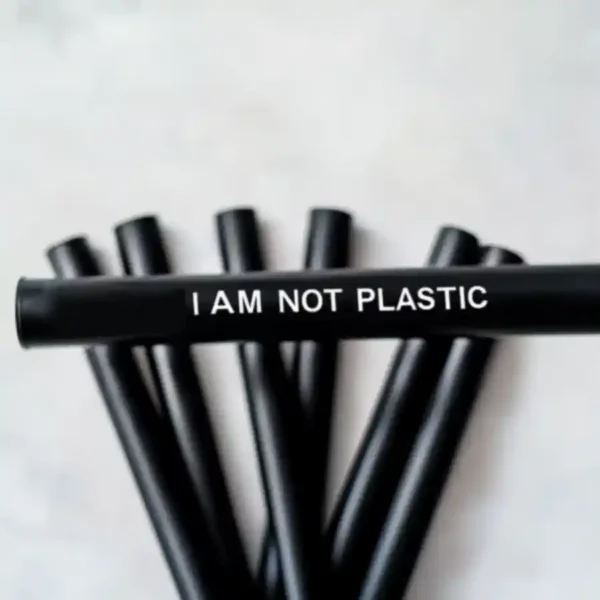
Os canudos de plástico tornaram-se um símbolo da crise ambiental, representando a questão mais ampla dos plásticos descartáveis. Com os americanos usando uma estimativa 500 milhões de canudos de plástico diariamente, esses itens aparentemente pequenos têm um enorme impacto ambiental. Os canudos de plástico não são recicláveis, muitas vezes acabando em aterros sanitários ou como lixo nos oceanos, onde podem persistir por mais de 200 anos. A sua acumulação nos ecossistemas marinhos põe em perigo a vida selvagem, uma vez que as palhas podem ser ingeridas ou causar emaranhamento, provocando ferimentos ou morte de animais marinhos.

Em resposta, governos e consumidores em todo o mundo pressionaram por mudanças. Regulamentos como o Diretiva de Plásticos de Uso Único da União Europeia e da Califórnia Iniciativa SB-1884 visam eliminar completamente os canudos de plástico. Entretanto, os consumidores ambientalmente conscientes procuram alternativas sustentáveis, o que leva as empresas a explorar opções inovadoras e ecológicas.
2. O nascimento de alternativas ecológicas
A jornada em direção aos canudos sustentáveis começou no final dos anos 2000, impulsionada pela crescente conscientização sobre a poluição plástica. A primeira onda de canudos ecológicos introduziu materiais como papel e bioplásticos. Embora estas opções tivessem reduzido os impactos ambientais, as primeiras versões enfrentavam desafios como fragilidade e usabilidade limitada.
Apesar das desvantagens iniciais, esses canudos abriram caminho para inovações significativas. Por exemplo, canudos de papel, entre as primeiras alternativas, são biodegradáveis e eficazes para uso a curto prazo. No entanto, questões como a umidade estimularam os fabricantes a desenvolver opções mais duráveis.
Produtos relacionados em NatureBioEco.com:

3. Materiais inovadores de hoje
Canudos ecológicos modernos utilizam materiais avançados para aumentar a sustentabilidade e a usabilidade. Algumas das opções mais notáveis incluem:
- Palhinhas de Cana: Feitas a partir de subprodutos agrícolas, as palhas de cana-de-açúcar são duráveis, compostáveis e têm um impacto ambiental mínimo. Saiba mais sobre as palhas de cana da NatureBioEco.
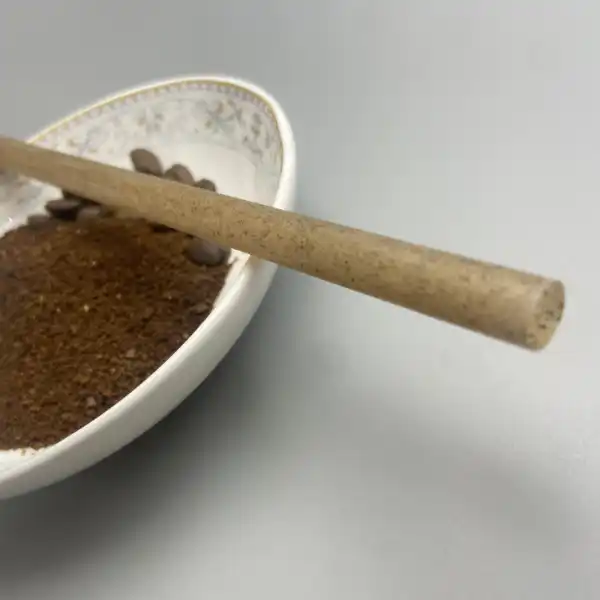
- Palhas de palha: Esses canudos utilizam resíduos da indústria do café, oferecendo uma alternativa robusta e resistente ao calor, ideal para bebidas quentes.
- Canudos de Bambu: Conhecidos por sua reutilização, os canudos de bambu são biodegradáveis e conferem uma estética única e natural às bebidas.
- Canudos à Base de Algas: Esses canudos se decompõem na água do mar em 48 horas enquanto absorvem CO2 durante a produção, representando inovação de ponta.
Produtos relacionados em NatureBioEco.com:
- Canudos de borra de café Smoothie (8 mm x 140 mm)
- Canudos de grãos de café para coquetéis ecológicos
Os canudos ecológicos modernos são projetados para equilibrar funcionalidade e sustentabilidade, atendendo à demanda dos consumidores por produtos duráveis e ambientalmente responsáveis.

4. O futuro dos canudos
A indústria da palha ecológica está preparada para um crescimento e transformação notáveis, impulsionada pelos avanços tecnológicos e pela crescente consciência do consumidor. Algumas tendências principais incluem:
- Materiais Inteligentes: Inovações em materiais adaptativos podem levar a canudos que monitoram o frescor da bebida ou melhoram o sabor com probióticos incorporados.
- Regulamentações mais rigorosas: É provável que os governos implementem proibições mais abrangentes aos plásticos descartáveis, acelerando a adoção de alternativas.
- Expansão do Mercado: Até 2029, o mercado de palha ecológica deverá atingir US$ 19,68 bilhões, crescendo a um CAGR de 12,2% .
As empresas que adoptam soluções ecológicas agora não estão apenas a contribuir para a protecção ambiental, mas também a alinhar-se com as tendências regulamentares e de consumo a longo prazo.
Produtos relacionados em NatureBioEco.com:
- Palhinhas de cana-de-açúcar para coquetel embaladas individualmente (6 mm x 140 mm)
- Palhinhas de Cana Regulares (6mm x 210mm)
5. Conclusão: Impulsionando a mudança, um canudo de cada vez

A mudança de canudos de plástico para canudos ecológicos significa um movimento maior em direção a hábitos de consumo e práticas comerciais sustentáveis. Com os avanços em materiais e tecnologia, as empresas têm mais opções do que nunca para reduzir seu impacto ambiental e, ao mesmo tempo, atender às demandas dos clientes.
Para empresas que buscam soluções confiáveis e sustentáveis, estabelecendo parcerias com fornecedores confiáveis como NaturebioEco garante acesso a produtos certificados de alta qualidade que se alinham com as metas modernas de sustentabilidade. Ao adotar alternativas ecológicas, as empresas podem desempenhar um papel vital na criação de um futuro mais limpo e saudável para o nosso planeta.
Citações:
- Além dos plásticos: o impacto dos canudos de plástico
- Guia das principais tendências em canudos sustentáveis para 2025
- Canudos Phade: Bioplásticos na Prática
- Canudos Plásticos e o Meio Ambiente
- Insights de crescimento do mercado ecológico
- Inovações em canudos à base de algas
- Tendências de palha de papel para 2025