FDA-Certified Sugar Cane Straws: Bulk & Custom for B2B
Imagine isto: é segunda-feira de manhã e você acabou de receber uma notificação por e-mail sobre a nova proibição de canudos de plástico em sua cidade que entrará em vigor no próximo trimestre. Como gestor da cadeia de abastecimento de um restaurante, proprietário de um café ou especialista em compras de hotelaria, isto não é apenas uma notícia ambiental – é um desafio empresarial que requer atenção imediata.
Você não está sozinho. Em todo o mundo, mais de 127 países implementaram alguma forma de regulamentação visando os plásticos de utilização única, com as palhinhas frequentemente na vanguarda destas proibições. Para empresas que operam em diversas jurisdições, isso cria um cenário de conformidade complexo que muda quase que mensalmente.
The shift away from conventional plastic straws isn’t merely about avoiding fines (though those can range from $100-$1,000 per violation in some U.S. cities). It’s increasingly about meeting consumer expectations. A recent Global Web Index study found that 61% of millennials—now the largest consumer demographic—are willing to pay more for eco-friendly products, and they expect their favorite establishments to reflect these values.
This is where sugar cane straws enter the picture as a game-changing solution. Unlike paper alternatives that deteriorate in drinks or PLA options that require industrial facilities to break down, sugar cane straws offer a unique balance of functionality, sustainability, and regulatory compliance.
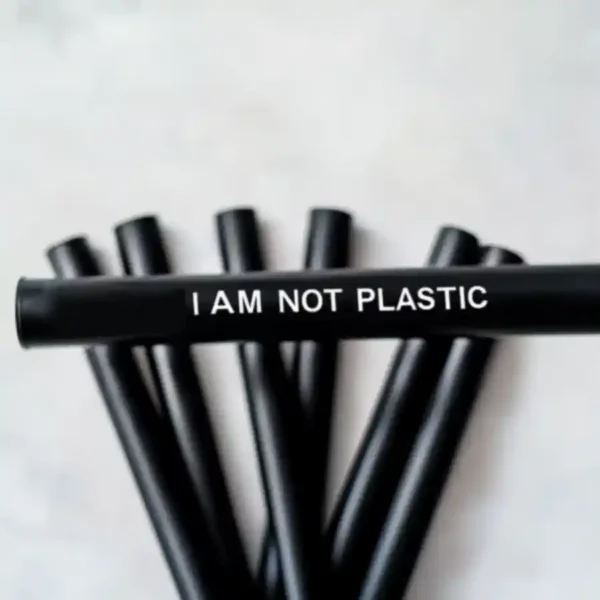
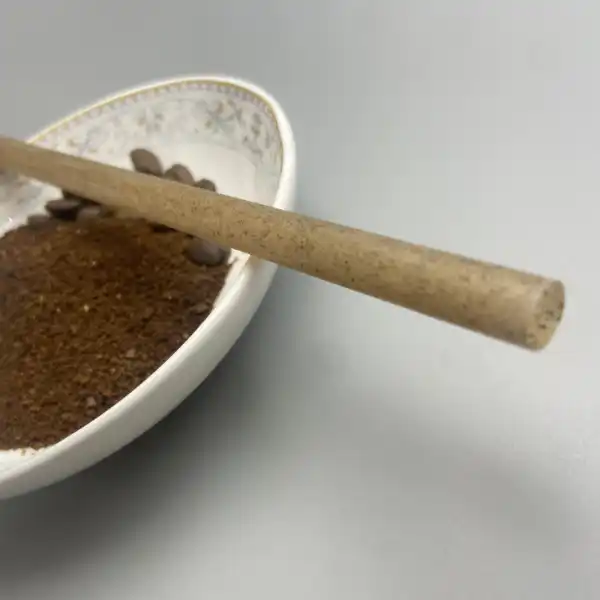
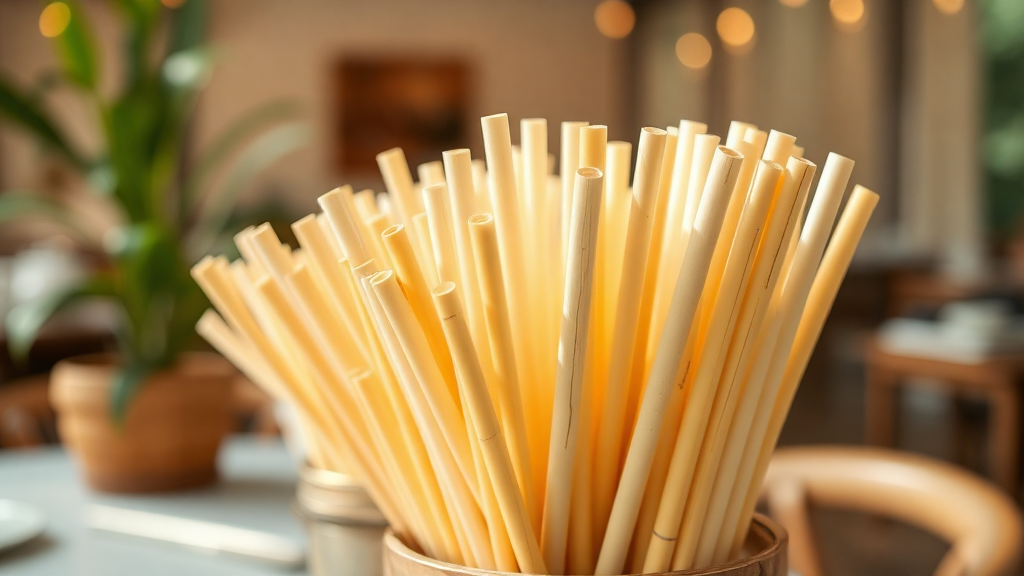
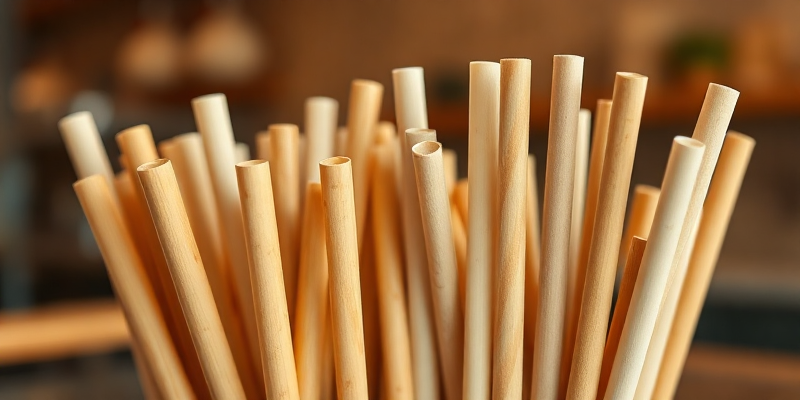
Sugar cane straws (sometimes called bagasse straws) are manufactured from the fibrous byproduct of sugar production—material that would otherwise be discarded. The result is a straw that feels substantial like plastic but breaks down naturally in home compost environments within 90-180 days.
Discover premium sugar cane straws with FDA and LFGB certifications that are transforming how forward-thinking businesses approach their sustainability challenges. As we explore the benefits, specifications, and busines advantages of these innovative products, you’ll see why major brands and small businesses alike are making the switch.
Conformidade Regulatória: FDA & LFGB Certifications for Sugar Cane Straws

Ao adquirir produtos que entram em contato com alimentos para seus negócios, a conformidade regulatória não é opcional – é essencial. Para empresas que operam em serviços de alimentação, hotelaria ou varejo, as consequências do uso de produtos não conformes podem ser graves. De acordo com a FDA, as empresas que distribuem itens não conformes em contato com alimentos podem enfrentar penalidades de até US$ 500.000 e possíveis acusações criminais em casos de violações repetidas.
As palhas de cana-de-açúcar de fornecedores respeitáveis como a NatureBioEco vêm com certificações cruciais que protegem seus negócios e clientes:
1. **Certificação FDA**: EUA Administração de Alimentos e Medicamentos (FDA) avalia materiais que entram em contato com alimentos e bebidas para garantir que não transferem substâncias nocivas. Os canudos de cana-de-açúcar certificados pela FDA foram rigorosamente testados e considerados seguros para contato direto com alimentos, proporcionando às empresas proteção legal e confiança do consumidor.
2. **Certificação LFGB**: A certificação do Código Alemão para Alimentos e Rações (LFGB) representa um dos padrões mais rigorosos do mundo para materiais em contato com alimentos. Envolve testes mais abrangentes do que muitas outras certificações e é amplamente respeitado internacionalmente. Para empresas que exportam ou operam na UE, esta certificação é particularmente valiosa.
Essas certificações não são apenas caixas de seleção burocráticas – elas são proteções empresariais. Quando um cliente pergunta sobre a segurança dos seus canudos ou quando um inspetor de saúde visita o seu estabelecimento, ter uma certificação documentada proporciona uma validação imediata.
Explore canudos de cana-de-açúcar compostáveis certificados pela FDA que atendem aos mais altos padrões de segurança para materiais em contato com alimentos, proporcionando excelente desempenho. A certificação dupla de conformidade com FDA e LFGB significa que esses canudos atendem aos requisitos em vários mercados internacionais, simplificando o gerenciamento de estoque para empresas que operam globalmente.
For franchise operations or businesses with multiple locations, standardizing on certified sugar cane straws eliminates the compliance guesswork acros different regulatory environments—what works in California will also work in Germany or Japan.
How Sugar Cane Straws Compare to Other Eco Alternatives

Not all sustainable straws are created equal. When evaluating alternatives for your busines, understanding the practical differences is crucial for making the right investment. Here’s how sugar cane straws stack up against other popular options:
| Recurso | Sugar Cane Straws | Canudos de papel | Canudos PLA | Canudos de Bambu |
|---|---|---|---|---|
| ——— | —————— | ————– | ———— | ————— |
| Durabilidade em Bebidas | 2-3 horas | 30-60 minutos | 2-3 horas | Ilimitado |
| Feel Similar to Plastic | Sim | Não | Sim | Não |
| Compostável Doméstico | Yes (90-180 days) | Sim (30-90 dias) | Não | Yes (1-2 years) |
| Resistência ao calor | Up to 200°F | Limitado | Up to 105°F | Alto |
| Production Carbon Footprint | Low (agricultural byproduct) | Moderado | Moderado | Baixo |
| Personalização | Alto | Alto | Alto | Limitado |
| Typical Cost (per 1000) | $35-$60 | $25-$40 | $30-$50 | $200-$300 |
A key consideration often overlooked in sustainability decisions is what happens at the product’s end of life. According to a 2021 PNUMA report, approximately 79% of PLA straws still end up in landfills where they won’t degrade for decades due to lack of acces to industrial composting facilities. In contrast, sugar cane straws can decompose in home compost systems or even soil environments when disposed of improperly.
For businesses like coffee shops, bubble tea cafes, or smoothie bars where drinks may sit for extended periods, the durability factor becomes particularly important. While paper straws often become soggy within 30-60 minutes, sugar cane straws maintain their integrity for 2-3 hours—closely matching the customer experience of traditional plastic.
Learn why sugar cane straws offer superior performance compared to other eco-friendly alternatives, particularly for businesses where straw performance directly impacts customer experience.
Top Busines Benefits of Switching to Sugar Cane Straws
Beyond meeting regulatory requirements, transitioning to sugar cane straws delivers tangible busines advantages acros multiple areas:
1. **Enhanced Brand Perception**: According to a 2022 Nielsen report, products with sustainability claims showed a 5.6x higher growth rate than products without such claims. Visible sustainability efforts like sugar cane straws signal to customers that your busines is environmentally conscious and forward-thinking.
2. **Cost-Effective Compliance**: While sugar cane straws typically cost 20-30% more than conventional plastic straws, they eliminate the risk of non-compliance fines in regulated areas, which can range from $100-$1,000 per day of violation. This makes them a financially prudent choice in the long run.
3. **Supply Chain Resilience**: As petroleum-based plastic faces increasing regulation, businesses using sugar cane alternatives position themselves ahead of future restrictions. This proactive approach prevents rushed sourcing decisions when new bans are announced.
4. **Cros-Market Standardization**: For businesses operating acros multiple regions with different plastic regulations, sugar cane straws provide a universal solution that meets the strictest requirements globally, simplifying procurement and inventory management.
5. **Customer Experience Preservation**: Unlike paper alternatives that deteriorate quickly, sugar cane straws maintain their structure for hours, preserving the customer experience while meeting sustainability goals—particularly important for premium beverage vendors.
6. **Marketing Storytelling Opportunities**: Sugar cane straws create authentic sustainability stories for marketing campaigns. Their agricultural origin and compostability provide compelling content for social media, packaging, and in-store signage.
Many businesses report unexpected benefits after switching. A national coffee chain that transitioned to sugar cane straws found their customer satisfaction metrics increased by 4% after the change, with customers specifically mentioning the quality of the straws in feedback forms.
Find customizable sugar cane straws for your busines needs that can be tailored to your brand specifications, enhancing both functionality and marketing impact.
Environmental Impact: Why Sugar Cane Straws Wins
The environmental credentials of sugar cane straws extend far beyond simply being non-plastic. When evaluating the full lifecycle impact, these innovative straws offer several significant ecological advantages:
1. **Circular Economy Champion**: Sugar cane straws utilize bagasse—the fibrous byproduct left after sugar extraction—transforming what would be agricultural waste into a valuable product. This reduces waste while maximizing resource efficiency.
2. **Carbon Sequestration**: During growth, sugar cane plants actively capture carbon dioxide from the atmosphere. According to research from the University of São Paulo, each hectare of sugar cane can absorb up to 60 tons of CO2 annually—significantly higher than many other crops.
3. **Reduced Petroleum Dependency**: Unlike conventional plastics derived from fossil fuels, sugar cane straws rely on renewable agricultural resources that can be regrown yearly, decreasing dependence on finite petroleum reserves.
4. **End-of-Life Advantage**: Perhaps most importantly, sugar cane straws decompose naturally in home compost environments within 90-180 days, leaving no microplastics behind. This stands in stark contrast to conventional plastics that persist for hundreds of years.
5. **Water System Protection**: The Ocean Conservancy ranks straws among the top ten items collected during beach cleanups. By switching to compostable alternatives, businesses help prevent plastic straws from entering waterways where they can harm marine life.
Discover eco-friendly sugar cane straws for e-commerce businesses that allow online retailers to ship sustainable options directly to environmentally conscious consumers.
Case Study: Sugar Cane Straws Succes in Action
When Coastal Brew Coffee, a regional chain with 24 locations acros California, received notice of impending plastic straw bans in three of their operating cities, they faced a critical decision. Initial tests with paper straws resulted in a 6% increase in customer complaints—primarily about straws dissolving in cold brew coffees and smoothies before customers finished their drinks.
After researching alternatives, they implemented FDA-certified sugar cane straws from NatureBioEco acros all locations, even in cities without plastic bans. The results were impressive:
- **Customer Satisfaction**: Complaint rates returned to pre-paper straw levels within two weeks
- **Cost Management**: Despite a 28% higher product cost compared to plastic, overall expenses balanced out when accounting for avoided fines and reduced customer compensation for poor experiences
- **Brand Enhancement**: Social media mentions of their sustainability efforts increased by 34% year-over-year
- **Operational Simplicity**: Staff training and inventory management became easier with a single straw solution acros all locations
- **Environmental Impact**: They prevented approximately 1.7 million plastic straws from entering the waste stream annually
Most significantly, Coastal Brew Coffee reported that 22% of new customers cited their visible sustainability efforts as a factor in choosing them over competitors. The customized sugar cane straws featuring their logo also increased brand recognition as customers posted photos of their beverages on social media.
“The switch to sugar cane straws wasn’t just about compliance,” explains Maya Rodriguez, Coastal Brew’s Operations Director. “It became a cornerstone of our brand identity and a tangible demonstration of our environmental values.”
Learn how restaurants are benefiting from bulk eco-friendly sugar cane straws through improved customer perception and regulatory compliance.
perguntas frequentes
- What minimum order quantities are available for sugar cane straws?
- NatureBioEco offers flexible order quantities starting at 10,000 units for standard sizes, with larger orders receiving tiered pricing discounts. For customized printing or packaging, minimum orders typically start at 25,000 units to optimize production efficiency and keep unit costs competitive for businesses.
- How long do sugar cane straws last in hot and cold beverages?
- Sugar cane straws maintain their structural integrity for 2-3 hours in cold beverages and approximately 1-2 hours in hot beverages below 200°F (93°C). This makes them ideal for restaurant service, coffee shops, and bubble tea establishments where drinks may sit for extended periods.
- Can sugar cane straws be customized with our company logo?
- Yes, sugar cane straws can be customized with your company logo, colors, and messaging through either printing directly on the straws or custom sleeve packaging. This branding opportunity turns a necessary product into a marketing touchpoint that reinforces your company’s sustainability commitment.
- What certifications do your sugar cane straws have?
- Our sugar cane straws come with FDA certification for food safety in the U.S. market and LFGB certification for the European market. These certifications verify that the straws are free from harmful chemicals and safe for direct contact with food and beverages in their respective jurisdictions.
- How should businesses properly dispose of sugar cane straws?
- For optimal environmental benefit, sugar cane straws should be collected for commercial composting where available. They are also home compostable in 90-180 days. If neither option is available, they will biodegrade faster than conventional plastics in landfill environments, though this is not the ideal disposal method.
- What are the shipping times for bulk sugar cane straw orders?
- Standard bulk orders typically ship within 2-3 weeks after order confirmation. Custom printed orders generally require 3-4 weeks for production. For businesses with consistent needs, we offer scheduled delivery programs to ensure you maintain adequate stock without requiring excessive storage space.
- How do sugar cane straws compare to PLA straws for busines use?
- While both maintain their structure well in beverages, sugar cane straws offer superior end-of-life advantages. PLA requires industrial composting facilities (often unavailable in many regions) to properly decompose, while sugar cane straws break down in home compost environments. Sugar cane straws also have higher heat resistance (200°F vs. 105°F for PLA), making them suitable for hot beverages.