

No atual cenário empresarial em rápida evolução, a sustentabilidade já não é uma preocupação periférica, mas sim um imperativo operacional central. As empresas reconhecem cada vez mais o profundo impacto das suas cadeias de abastecimento no ambiente, na sociedade e na sua viabilidade a longo prazo. Como resultado, a integração de práticas sustentáveis na gestão da cadeia de abastecimento é essencial para as organizações que procuram manter uma vantagem competitiva, construir a reputação da marca e garantir a conformidade regulamentar. Esta postagem explorará os principais conceitos, objetivos e estratégias para alcançar uma cadeia de abastecimento mais sustentável.
Understanding Sustainable Supply Chain Management

Sustainable supply chain management is the strategic integration of environmental, social, and financial considerations into all aspects of the supply chain. This includes sourcing raw materials, manufacturing processes, transportation, distribution, and final disposal. The goal is to minimize negative impacts on the environment and society while ensuring efficiency, reliability, and profitability.
Key Objectives of Green Supply Chain Management
A robust green supply chain management framework should focus on these primary objectives:
- Reducing greenhouse gas (GHG) emissions: Supply chains are a significant source of greenhouse gases. Companies need to monitor and reduce emissions using alternative technologies and energy sources.
- Increasing the use of renewable resources: Decreasing reliance on fossil fuels and switching to renewable energy sources like solar and wind power are essential steps for a greener supply chain.
- Minimizing waste in supply processes: This involves reducing industrial waste, improving waste treatment facilities, and promoting the use of biodegradable packaging materials.
- Sustainable sourcing through collaboration: Companies should ensure that raw materials are sourced responsibly and ethically, working with suppliers to promote sustainability throughout the supply chain.
- Ensuring compliance with environmental protection regulations: Aderir às leis ambientais locais e internacionais é fundamental para evitar interrupções nos negócios e ramificações legais.
- Garantir transparência e responsabilidade: A tomada de decisões baseada em dados é vital para garantir a transparência, permitindo às empresas acompanhar o impacto ambiental dos seus processos da cadeia de abastecimento.
The Importance of Sustainability in Supply Chains

A necessidade de práticas sustentáveis na gestão da cadeia de abastecimento é sublinhada por vários factores:
- Crescente consciência ambiental: Consumers, investors, and regulators are increasingly environmentally conscious, demanding that companies minimize their environmental footprint. According to IBM, sustainable supply chain management is pivotal in achieving overall corporate sustainability goals.
- Regulatory pressures: Governments are implementing stricter environmental regulations, making sustainability a compliance issue. For instance, the Supply Chain Due Diligence Act (LkSG) mandates that companies implement due diligence systems in their supply chain.
- Cost savings and efficiency: Sustainable practices such as reducing waste and minimizing energy requirements can lead to significant cost savings and improved profitability.
- Imagem de marca aprimorada: Consumers are more likely to support businesses with strong environmental and social values. A commitment to sustainability can boost brand image and attract loyal customers.
- Improved resilience: Sustainable practices such as resource efficiency can make supply chains more resilient to disruptions caused by climate change and geopolitical instability.
Strategies for Implementing Sustainable Supply Chain Practices
Companies can employ various strategies to make their supply chains more sustainable:
- Adopting a circular economy model: This involves minimizing waste through the reuse, recycling, and repurposing of materials, keeping products and resources in use for as long as possible.
- Prioritizing sustainable sourcing: Choosing suppliers that commit to environmentally friendly practices, use renewable resources, and ensure fair labor practices is essential. Explore our range of produtos de embalagem ecológicos concebido para apoiar cadeias de abastecimento sustentáveis.
- Optimizing transportation and logistics: Reducing greenhouse gas emissions by choosing energy-efficient transportation, consolidating shipments, and using advanced route planning technologies.
- Leveraging technology for greater efficiency: Technologies such as IoT, AI, and blockchain can enhance supply chain visibility, optimize resource use, and ensure the transparency of sustainability claims.
- Engaging in supplier collaboration and audits: Regular audits help ensure that suppliers adhere to environmental standards and best practices. Working closely with suppliers promotes stronger partnerships and improves the sustainability of the entire supply chain.
- Reducing Carbon Footprints: Using fuel-efficient vehicles, consolidating shipments, planning route optimizations, investing in renewable energy, and energy-efficient technologies can reduce GHG emissions.
- Gestão de Resíduos: Adopting circular economy principles, such as reducing packaging and using recyclable materials, can reduce waste. Companies can also implement reuse programs.
- Visibility and Transparency: Companies can use supply chain visibility to track and monitor products through the supply chain. Learn more about our sustainability practices to ensure complete transparency and accountability.
- Collaboration: Companies and suppliers should collaborate towards shared sustainability goals through knowledge sharing, resource sharing, and joint investment.
- Training and Education: Training and education can ensure employees and suppliers understand and implement sustainable practices.

The Role of Green Logistics
Green logistics is the practice of reducing the environmental impact of logistics operations through the implementation of sustainable practices. Key principles of green logistics include:
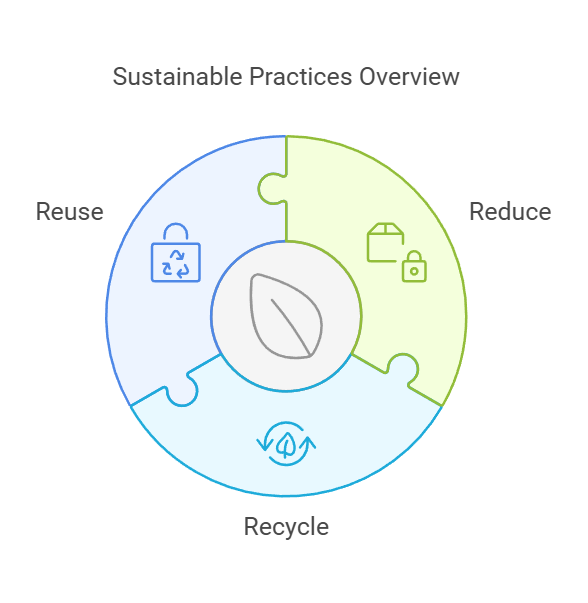
- Reduce: Minimizing resource use and waste generation through efficient transportation, sustainable packaging, and energy management.
- Recycle: Converting waste materials into reusable materials through recycling programs and closed-loop systems.
- Reuse: Emphasizing the repeated use of products and materials through reusable packaging, refurbishment programs, and reverse logistics.
Green logistics also involves:
- Using recycled materials
- Reducing packaging
- Implementing technology to streamline manufacturing
- Improving transportation logistics and routes
- Switching to electric or hybrid vehicles
- Choosing renewable manufacturing resources
- Establishing energy-conserving efficiencies in warehouses
- Partnering with sustainable suppliers
By implementing these practices, businesses can reduce their carbon footprint and contribute to a more sustainable supply chain. For a comprehensive overview, visit GEP’s supply chain sustainability page.
Key Performance Indicators (KPIs) for Sustainable Supply Chains
To measure the effectiveness of sustainability initiatives, companies should track relevant KPIs:
- Recycling rate: The percentage of recycled materials used in a process.
- Net-zero electricity consumption: The difference between total electricity consumed and electricity generated from renewable sources.
- Greenhouse gas emission: Tracking GHG emissions across various business processes.
- Supply chain waste generation: Measuring waste generated throughout a product’s lifecycle.
- Water consumption indicators: Monitoring total water consumption and the use of recycled water.
- Material quality for future value creation: Assessing the recyclability and reusability of materials used in products.
The Benefits of a Sustainable Supply Chain
Implementing sustainable practices in supply chain management offers numerous benefits:
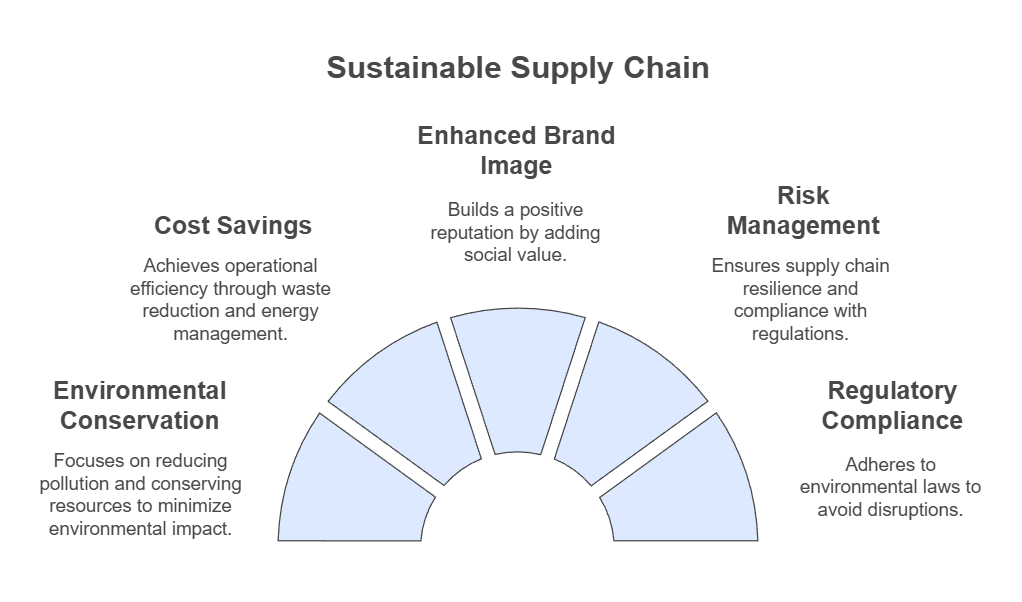
- Environmental conservation: Reducing pollution, conserving resources, and minimizing the negative environmental impact of supply chain operations.
- Cost savings: Reducing operational costs through resource efficiency, waste reduction, and improved energy management.
- Imagem de marca aprimorada: Building a positive brand reputation through social value addition.
- Risk management: Improving supply chain resilience and ensuring compliance with environmental regulations.
- Conformidade regulatória: Adhering to environmental laws and avoiding business disruptions.
Desafios e como superá-los
While implementing a sustainable supply chain has many benefits, there are some challenges to be aware of:
- Increased operational costs: Sustainable practices can increase operational expenditures, but these can be offset through efficiency gains and reduced waste.
- Capital expenditure requirements: The initial investment in IT infrastructure and pollution control devices can be a barrier, but long-term cost savings will compensate this.
- Potential for supply process delays: New technologies and sustainable practices can cause delays initially, but over time, they lead to more streamlined operations.
- Data Risks: The reliance on IoT-enabled data collection for sustainability requires robust cybersecurity measures.
- Loss of Competitive Edge: Initial costs of sustainability might affect competitiveness, but can be overcome with industry-wide adoption and regulations.
- Customer Backlash: Avoiding superficial sustainability claims and greenwashing is crucial for protecting brand credibility.
Conclusion: Embracing Sustainability for the Future
Integrating sustainable practices into supply chain management is crucial for long-term business success and environmental stewardship. By focusing on environmental responsibility, social responsibility, and financial responsibility, companies can create more efficient, resilient, and ethical supply chains. It is no longer enough for businesses to simply consider profit margins, but rather, they must also be environmentally conscious and socially aware. By embracing sustainability, companies can not only meet the expectations of consumers and stakeholders but also contribute to a healthier planet for future generations. As the demand for eco-friendly business practices grows, those who prioritize sustainability will lead the marketplace and secure a greener future for all.
Perguntas frequentes (FAQ)
- What is sustainable supply chain management?
- Responder: Sustainable supply chain management is the strategic integration of environmental, social, and financial considerations into all aspects of the supply chain. It aims to minimize negative impacts on the environment and society while ensuring efficiency, reliability, and profitability.
- How can I measure the effectiveness of sustainability initiatives in my supply chain?
- Responder: You can track relevant Key Performance Indicators (KPIs) such as recycling rate, greenhouse gas emissions, supply chain waste generation, and water consumption indicators to measure the effectiveness of sustainability initiatives.
- What are the main challenges in implementing a sustainable supply chain, and how can they be overcome?
- Responder: Os principais desafios incluem o aumento dos custos operacionais, requisitos de despesas de capital, potenciais atrasos no processo de fornecimento, riscos de dados, perda de vantagem competitiva e reações adversas dos clientes. Estas podem ser superadas concentrando-se em ganhos de eficiência, investindo em poupanças a longo prazo, implementando medidas robustas de cibersegurança, aderindo a padrões de sustentabilidade em toda a indústria e assegurando declarações de sustentabilidade transparentes e genuínas.
- Por que a logística verde é importante na gestão da cadeia de abastecimento?
- Responder: A logística verde reduz o impacto ambiental das operações logísticas através de práticas sustentáveis, como a redução do uso de recursos, a reciclagem de materiais, a reutilização de produtos e a otimização do transporte. Ajuda a minimizar a pegada de carbono e contribui para uma cadeia de abastecimento mais sustentável.
- How does sustainability enhance the resilience of a supply chain?
- Responder: Sustainability practices such as resource efficiency and renewable energy use make supply chains more resilient to disruptions caused by climate change, geopolitical instability, and other unforeseen challenges by ensuring that resources are used wisely and are readily available.