As the world shifts towards more sustainable practices, reusable straws have emerged as a key solution to combat the environmental impact of single-use plastic. With growing awareness about the devastating effects of plastic waste on ecosystems, reusable straws have become an eco-friendly choice for conscientious consumers. This guide dives deep into the essence of reusable straws, examining frequently asked questions, material types, and competitive strategies that businesses can adopt to align with this positive change.

What Are Reusable Straws?
Reusable straws are designed with the intent to reduce the disposable plastic burden by offering a sustainable, long-lasting alternative. These straws are made from materials such as stainless steel, silicone, bamboo, glass, and even innovative options like sugarcane and coffee grounds. By choosing reusable straws, individuals contribute to a significant reduction in plastic pollution, fostering a more sustainable future for all.

Why Should I Use Reusable Straws?
The environmental benefits of using reusable straws are immense:
- Reduce Plastic Waste: By transitioning away from disposable plastic straws, we can help mitigate plastic pollution in oceans and landfills, which endangers wildlife.
- Custo-benefício: Despite their initial cost, reusable straws are an investment that can lead to long-term savings, as they replace disposable straws.
- Health-Conscious: Many reusable straws are made from non-toxic, safe materials that do not leach harmful chemicals into your drinks, ensuring your health and well-being.
What Materials Are Used for Reusable Straws?
The versatility of reusable straws comes from their diverse material options, each offering unique advantages. Let’s explore some of the leading choices:
- Aço inoxidável: Known for its durability and rust-resistant properties, stainless steel is a popular choice for those seeking longevity and strength in their straws.
- Silicone: Flexible and safe for children, silicone straws are soft and portable, making them an excellent option for on-the-go use.
- Bambu: A biodegradable option, bamboo straws offer a natural alternative, though they require more care to maintain their usability.
- Glass: Offering a sleek and elegant look, glass straws provide a neutral taste without compromising beverage quality, though they are fragile.
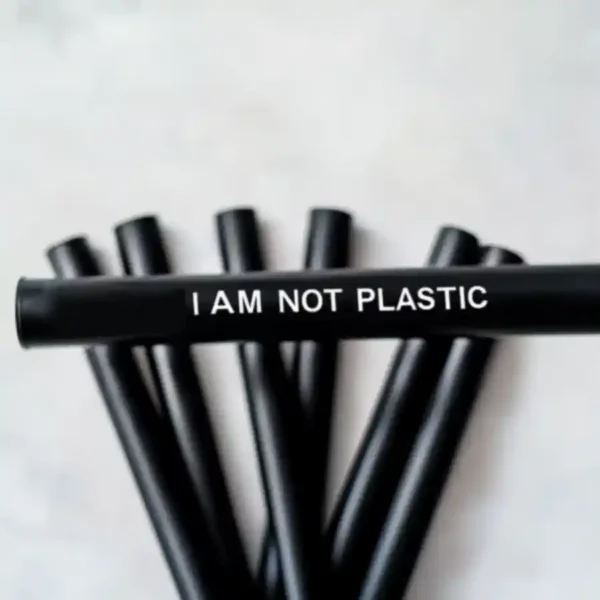
- Cana -de -açúcar: Derived from the waste of sugarcane processing (bagasse), sugarcane straws are biodegradable and compostable, with a strong resilience that endures up to 20 dishwasher cycles.
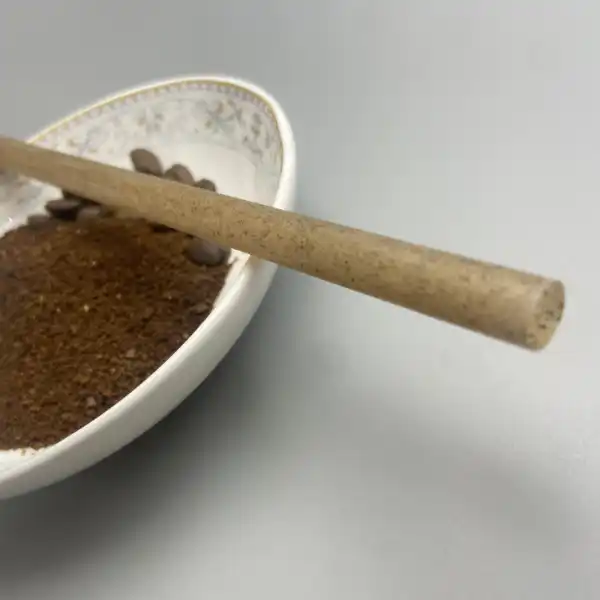
- Café: Utilizing recycled coffee grounds, these straws offer a sustainable, compostable option that also withstands repeated use, embodying a creative recycling approach.

How Do You Clean Reusable Straws?
Cleaning reusable straws is a simple and eco-friendly task. Most straws can be easily washed by hand with soap and water or placed in the dishwasher. Many reusable straw sets come with cleaning brushes to ensure thorough maintenance and hygiene.
Top-Ranking Analysis
To further understand how businesses can best position their reusable straw products, we analyzed top-ranking resources answering common questions related to “reusable straws.”
What Are Reusable Straws?
- Reusable Straws: A Comprehensive Guide
Este guia oferece uma visão geral completa dos canudos reutilizáveis, desde os tipos até os benefícios ambientais. Ele tem uma boa classificação devido ao seu conteúdo educacional abrangente e ao forte foco na vida ecologicamente consciente. - Tudo o que você precisa saber sobre canudos reutilizáveis
Este artigo cobre detalhadamente a diversidade de materiais e as vantagens ambientais dos canudos reutilizáveis, combinando insights práticos com marcas ecológicas. - Por que você deve escolher canudos reutilizáveis
Enfatizando a necessidade ambiental de canudos reutilizáveis, este recurso constrói a confiança dos leitores por meio de depoimentos autênticos e informações apoiadas por especialistas.
What Materials Are Used for Reusable Straws?
- Melhores materiais para canudos reutilizáveis
Este guia destaca materiais importantes como aço inoxidável, bambu e opções inovadoras como cana-de-açúcar e borra de café, com foco em sua sustentabilidade e potencial multiuso. - Quais materiais são melhores para canudos reutilizáveis?
Oferecendo uma análise aprofundada de cada material, este artigo enfatiza a durabilidade e a responsabilidade ambiental, ajudando o leitor a escolher a opção mais sustentável. - Guia para escolher o material certo para seu canudo
Destacando a sustentabilidade, este guia investiga os aspectos práticos dos canudos reutilizáveis, desde a segurança do material até considerações ambientais.
Conclusão
As the world continues to embrace sustainability, materials like sugarcane and coffee grounds are paving the way for more innovative and eco-friendly alternatives to single-use plastics. These new materials, tested for durability and ease of use (including 20 dishwasher cycles), provide long-lasting, responsible choices for consumers. By adopting reusable straws and supporting the reduction of plastic waste, individuals and businesses alike contribute to a cleaner, healthier planet.
Let’s move beyond disposable plastics and embrace the sustainable future offered by these innovative alternatives!