Canudos de Cana-de-Açúcar: Sustentáveis & Soluções B2B econômicas
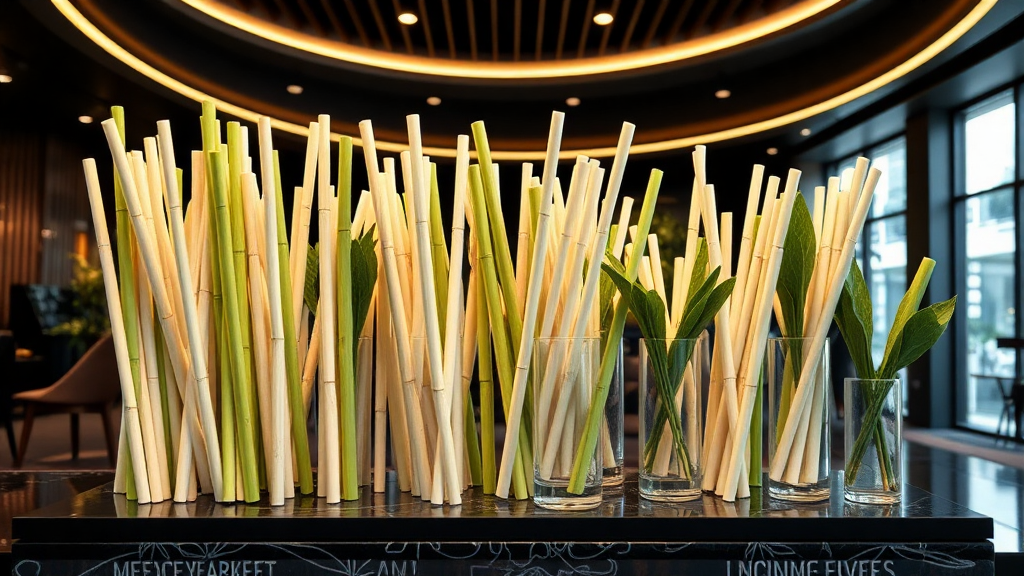
In the bustling outdoor café area of a popular hotel chain in Barcelona last summer, I witnessed something remarkable. As servers delivered refreshing cocktails to thirsty tourists, not a single plastic straw was in sight. Instead, natural tan-colored straws stood proudly in colorful drinks, bearing the hotel’s subtle logo. When I asked the food and beverage director about this choice, her response was illuminating: “Our sugarcane straws have cut our straw costs by 15% annually while eliminating nearly two tons of plastic waste. Plus, guests specifically mention them in positive reviews.”
This scene is playing out acros the global hospitality industry as single-use plastic bans continue expanding worldwide. Major markets including the EU, Canada, and numerous Asian countries have already implemented partial or complete bans on conventional plastic straws, with the United States following suit through state-by-state legislation. For businesses operating acros multiple jurisdictions, maintaining compliance has become increasingly complex.
Enter sugarcane drinking straws – the revolutionary alternative transforming how forward-thinking businesses approach sustainability. Made from bagasse, the fibrous byproduct of sugarcane processing that would otherwise be discarded, these straws represent a perfect example of circular economy principles in action. Unlike their plastic predecessors, sugarcane straws naturally biodegrade in home composting conditions within 90-180 days, eliminating persistent environmental contamination.
Discover why leading global brands are switching to sugarcane straws for sustainable busines solutions that simultaneously satisfy regulatory requirements, consumer demands, and environmental responsibility. The momentum toward these alternatives isn’t merely a trend—it’s a fundamental shift in how businesses approach their environmental footprint.
For global B2B buyers acros hospitality, food service, distribution, and retail, sugarcane straws offer a compelling combination of practical functionality, cost-effectivenes, and genuine sustainability credentials. Let’s explore why this agricultural byproduct has become the preferred straw solution for businesses serious about both sustainability and bottom-line performance.
Regulatory Compliance: Certifications for Sugarcane Drinking Straws
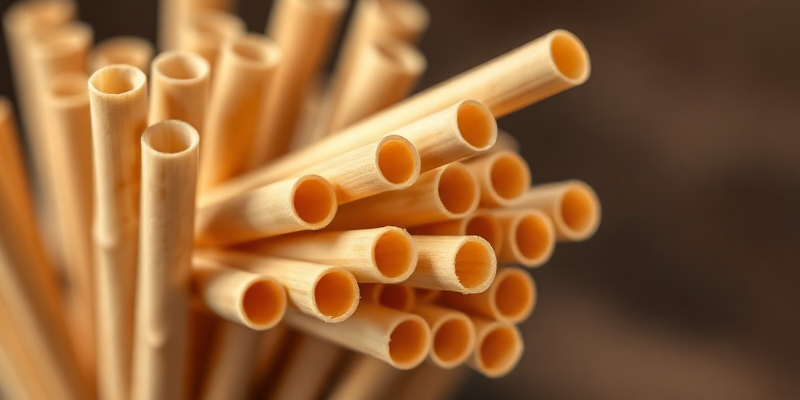
Navigating the complex landscape of international regulations for food-contact materials can be daunting for global businesses. Sugarcane straws offer a significant advantage through comprehensive certification that ensures compliance acros major markets.
First and foremost, quality sugarcane straws come with FDA certification, confirming their safety for direct food contact in the United States market. This rigorous testing verifies the absence of harmful chemicals and ensures the material performs as expected under various food service conditions. Similarly, LFGB certification (the German Food and Commodity Goods Law) provides the stringent approval needed for European markets, typically considered among the world’s most demanding regulatory environments.
De acordo com dados da indústria, as empresas que não cumpram os regulamentos relativos ao plástico de utilização única enfrentam multas médias de 8.500 euros por violação na UE, com sanções a aumentar para os reincidentes. Estas consequências financeiras não incluem os danos significativos à marca e a potencial perda de clientes ambientalmente conscientes.
Além das certificações de segurança, as palhas legítimas de cana-de-açúcar devem ter a devida verificação de compostabilidade. A compostabilidade doméstica é particularmente valiosa, pois significa que as palhas se decompõem em condições normais de compostagem no quintal, em vez de exigir instalações industriais especializadas. Esse recurso permite que as empresas de hospitalidade reivindiquem com sinceridade a biodegradabilidade completa de seus produtos de palha.
Learn about crucial industrial compostable straw certifications and compliance requirements for your busines, enabling you to navigate regulatory challenges confidently while delivering genuinely sustainable solutions to your customers.
How Sugarcane Drinking Straws Compare to Other Eco Alternatives

The sustainable straw market has exploded with options, leaving many buyers confused about which truly delivers the best combination of performance and environmental benefits. Let’s compare the major contenders:
| Alternativa | Durabilidade | Experiência do usuário | Preço | Biodegradabilidade | Pegada de carbono |
|---|---|---|---|---|---|
| ————- | ———— | —————– | ————- | —————— | —————— |
| Palhinhas de Cana | 2-3 horas em bebidas frias, 1+ hora em bebidas quentes | Natural feel, minimal taste impact | Moderado | 90-180 days (home compostable) | Very Low (agricultural byproduct) |
| Canudos de papel | 30-60 minutos antes de amolecer | Often becomes soggy, affects drink taste | Baixo | 30-60 dias | Low-Medium (requires virgin pulp) |
| Palhinhas de Milho PLA | Semelhante ao plástico | Excelente | Moderate-High | Requer compostagem industrial | Medium (agricultural land use) |
| Canudos de Bambu | Reutilizável por meses | Natural, slightly textured | High (initial investment) | Years when discarded | Low-Medium (processing required) |
| palhas de trigo | 1-2 horas | Natural, slight grain taste | Low-Moderate | 30-90 days | Very Low (agricultural byproduct) |
UM University of California study found that sugarcane-based products have 75% lower carbon emissions compared to conventional plastics, with significantly reduced water usage and environmental impact during production.
What distinguishes sugarcane straws is their balanced performance acros all key metrics. While paper straws may be slightly cheaper, their poor durability leads to customer complaints and often requires double-strapping (using two straws per drink), negating any cost advantages. PLA straws, despite their excellent performance, require specialized industrial composting facilities rarely available in most regions, meaning they often end up in landfills where they behave similarly to conventional plastics.
Find out why sugarcane straws offer the perfect balance of sustainability and practical performance for modern businesses compared to other alternatives on the market today.
Top Busines Benefits of Switching to Sugarcane Drinking Straws

The decision to adopt sugarcane straws extends far beyond environmental considerations—it delivers tangible busines benefits acros multiple dimensions:
1. **Brand Differentiation and Customer Loyalty**
Modern consumers actively seek businesses demonstrating authentic sustainability efforts. A recent Nielsen study revealed that 73% of global consumers would definitely or probably change their consumption habits to reduce environmental impact. By prominently featuring sugarcane straws, businesses signal their genuine commitment to sustainability, creating powerful brand differentiation.
2. **Cost Stability and Predictability**
Unlike petroleum-based products subject to fossil fuel price volatility, sugarcane straws offer price stability derived from agricultural inputs. With multi-year supplier agreements, businesses can lock in pricing, ensuring budgetary predictability for this essential item.
3. **Marketing and Social Media Opportunities**
Sustainable initiatives generate free publicity. Restaurants and hotels report that customers frequently photograph and share their sugarcane straws on social media, providing valuable organic marketing. Many businesses enhance this effect with custom branding on their straws, turning a necessary item into a marketing tool.
4. **Operational Simplicity**
Ao contrário das alternativas reutilizáveis que exigem protocolos de lavagem e rastreamento de estoque, as palhas de cana-de-açúcar se adaptam perfeitamente às operações existentes. Com uma redução de 30% nas solicitações dos clientes por alternativas de palha relatadas por empresas que mudaram para palhas de cana-de-açúcar, a equipe pode se concentrar no serviço principal em vez de explicar as políticas de sustentabilidade.
5. **Preparação para o futuro contra mudanças regulatórias**
O panorama regulamentar continua a evoluir no sentido de controlos mais rigorosos sobre plásticos de utilização única. Ao adotar proativamente alternativas compatíveis, as empresas evitam interrupções causadas por mudanças regulatórias repentinas e os custos associados ao fornecimento emergencial.
Explore análises detalhadas de custo-benefício para empresas que consideram as palhas de cana-de-açúcar como solução sustentável to understand the complete financial and operational advantages.
Environmental Impact: Why Sugarcane Drinking Straws Wins

The environmental benefits of sugarcane straws extend far beyond simply avoiding plastic pollution. These straws represent a model of circular economy principles in action:
First, they utilize an agricultural byproduct (bagasse) that would otherwise be burned or discarded, preventing waste and creating value from an existing resource stream. No additional land, water, or farming inputs are required specifically for straw production.
Second, during their growth phase, sugarcane plants are exceptional carbon sequesters, absorbing CO₂ from the atmosphere. Research from Brazil’s sugarcane industry indicates that one hectare of sugarcane can absorb up to 60 tons of CO₂ annually, significantly offsetting emissions from processing and transportation.
Third, unlike many supposedly “biodegradable” alternatives that require industrial composting facilities, sugarcane straws decompose in home composting conditions within 3-6 months, returning naturally to the soil as nutrient-rich matter. In marine environments, they degrade without releasing harmful microplastics, addressing one of the most pressing environmental challenges of our time.
The University of São Paulo’s environmental research center found that replacing one ton of plastic straws with sugarcane alternatives prevents approximately 3.5 tons of CO₂ equivalent emissions from entering the atmosphere—a substantial contribution to corporate carbon reduction targets.
Understand the comprehensive environmental benefits of natural sugarcane drinking straws and how they support your organization’s sustainability goals with concrete, measurable impacts.
Case Study: Sugarcane Drinking Straws Succes in Action

When international hotel group Meridian Properties decided to eliminate single-use plastics acros their 32 properties in 2022, finding a suitable straw alternative became their first major challenge. Initial trials with paper straws resulted in significant customer complaints about premature softening and taste alteration, particularly in signature cocktails that typically took longer to consume.
After testing multiple alternatives, Meridian implemented customized sugarcane straws featuring their subtle leaf logo acros all properties. The results were impressive:
- Redução de 94% nas reclamações de clientes relacionadas a canudos
- 2.1 million plastic straws eliminated annually
- $42,000 annual savings compared to premium paper alternatives
- 15% increase in positive social media mentions specifically referencing their sustainable practices
- Marketing boost from being featured in three hospitality sustainability publications
The Food and Beverage Director at Meridian’s flagship property noted: “The sugarcane straws have performed exceptionally well in our high-volume bars. They maintain structural integrity throughout the guest experience, work well with both cold and hot drinks, and have become a conversation starter that allows our staff to highlight our broader sustainability initiatives.”
Particularly valuable was the ability to customize straws for special events and promotions, creating limited-edition branded versions for conferences and weddings that generated additional revenue through photography packages highlighting the sustainable touches.
Discover how global B2B businesses are implementing sugarcane straws as part of comprehensive sustainability strategies with measurable busines benefits beyond simple compliance.
perguntas frequentes
- What is the minimum order quantity for wholesale sugarcane straws?
- Most quality suppliers offer minimum order quantities starting at 25,000-50,000 straws for standard sizes, with custom-branded options typically starting at 100,000 units. Volume discounts generally apply for orders exceeding 250,000 units, making them increasingly cost-effective for larger operations.
- Qual é o desempenho da palha de cana com bebidas quentes?
- Quality sugarcane straws maintain their structural integrity in hot beverages up to 85°C (185°F) for approximately 60-90 minutes—more than adequate for most hot drink consumption. Unlike paper alternatives, they don’t soften quickly or affect the taste profile of the beverage.
- Can sugarcane straws be customized with our company logo?
- Absolutely! Sugarcane straws accept high-quality printing using food-safe inks, allowing for logos, text, or patterns in 1-3 colors. This customization transforms a necessary utensil into a brand-building opportunity and conversation starter for environmentally conscious customers.
- Qual o prazo de validade das palhas de cana-de-açúcar?
- Properly stored sugarcane straws maintain their quality for 24-36 months. They should be kept in their original packaging in a cool, dry place away from direct sunlight. Unlike some bio-based alternatives, they don’t degrade during normal storage conditions.
- Are sugarcane straws more expensive than conventional plastic straws?
- While the unit price is higher than conventional plastic (typically 2-3 times), this analysis ignores regulatory compliance costs, potential fines, and consumer preferences. When factoring these elements, many businesses find sugarcane straws offer superior total cost of ownership, especially as increasing production scale continues to drive prices downward.
- Com que rapidez as palhas da cana se decompõem?
- In home composting conditions, sugarcane straws typically decompose within 90-180 days, depending on temperature, humidity, and specific composting conditions. This represents a dramatic improvement over conventional plastics’ 200+ year degradation timeline.
- Existem tamanhos diferentes disponíveis para diversas aplicações de bebidas?
- Yes, most suppliers offer standard drinking straws (6-8mm diameter), cocktail straws (6mm with shorter length), jumbo straws (8-10mm for smoothies and bubble tea), and even unwrapped bulk options for self-service stations. Custom diameters and lengths can typically be produced for orders exceeding 250,000 units.