Benefícios da compostagem de palha: sustentável & Econômico para B2B

Introduction: The Busines Case for Composting Straws

Picture this: It’s Monday morning at your busy café, and your staff is emptying trash bins overflowing with single-use plastic straws. Each straw represents not just waste, but a growing liability as plastic bans sweep acros global markets. Sound familiar?
Para empresas B2B com visão de futuro – desde hotéis e restaurantes a cafés e empresas de catering – a mudança das palhinhas de plástico tradicionais não se trata apenas de cumprir os regulamentos; está se tornando um imperativo estratégico para os negócios. Com mais de 60 países implementando agora alguma forma de restrição aos canudos de plástico, a situação está na parede para as empresas que ainda dependem de opções convencionais.
The global landscape has shifted dramatically since 2018 when the anti-plastic straw movement gained mainstream momentum. Today, businesses face a complex decision matrix: adapt to eco-friendly alternatives or risk both compliance issues and consumer backlash. According to recent market research, 78% of consumers say they feel better about patronizing businesses that offer compostable alternatives to plastic.
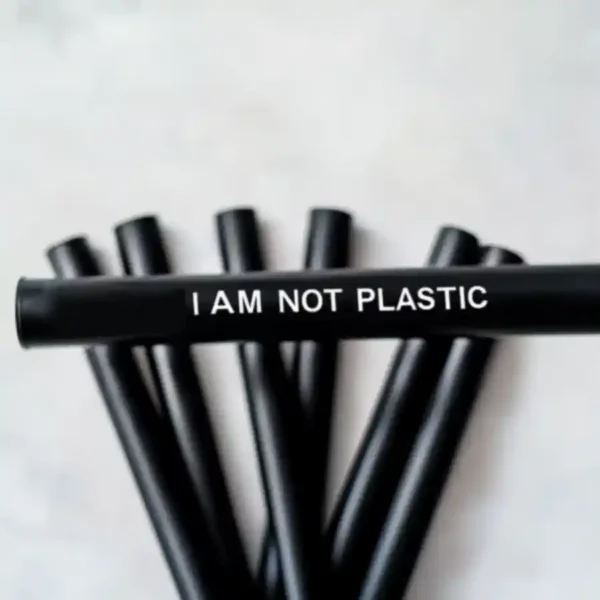
This is where straw composting enters the picture as a comprehensive solution rather than just a product switch. When businesses implement straw composting programs alongside compostable straw products, they create a closed-loop system that delivers multiple benefits: waste reduction, enhanced brand reputation, potential cost savings, and meaningful environmental impact.
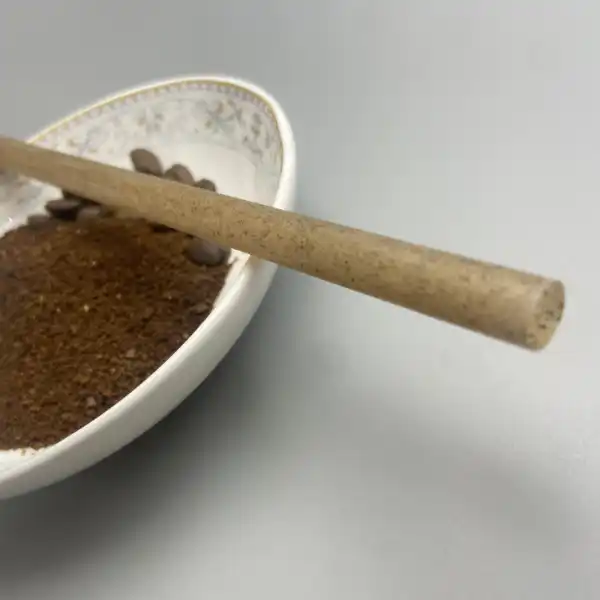
Compostable straws made from materials like sugarcane (bagasse), PLA (polylactic acid), or paper provide a viable alternative to plastic. However, the real magic happens when these products are properly composted rather than sent to landfills. Commercial composting facilities can transform these materials into nutrient-rich soil amendments in as little as 90 days, compared to the 500+ years a plastic straw might take to degrade in a landfill.
For B2B businesses, particularly those in the hospitality and food service industries, implementing a straw composting program isn’t merely an environmental gesture—it’s increasingly becoming a sound busines decision with measurable returns. Let’s explore how this sustainable approach is creating new opportunities for progressive businesses worldwide.
Regulatory Compliance: Certifications for Straw Composting

Understanding the regulatory landscape for compostable products is essential for B2B buyers making purchasing decisions. With penalties for non-compliance reaching up to $10,000 per violation in some jurisdictions, staying ahead of regulations is both a compliance necessity and a risk management strategy.
When sourcing compostable straws for your busines, two primary certifications stand out:
1. **Certificação FDA**: O FDA avalia a segurança dos materiais em contato com alimentos, garantindo que seus canudos compostáveis sejam seguros para uso do cliente. Esta certificação examina tudo, desde matérias-primas até processos de fabricação, para verificar se nenhuma substância nociva migrará para as bebidas.
2. **Certificação LFGB**: Este padrão alemão de segurança alimentar é frequentemente considerado mais rigoroso do que os requisitos da FDA e fornece garantia adicional para empresas que atendem clientes internacionais.
3. **Certificações de Compostabilidade**: Procure as certificações BPI (Biodegradable Products Institute), ASTM D6400 ou EN13432 que validam declarações autênticas de compostabilidade.
Beyond these primary certifications, businesses should also consider regional regulations. In California, for instance, businesses can face fines starting at $1,000 per day for distributing non-compliant straws. The European Union’s Single-Use Plastics Directive imposes similar restrictions with comparable penalties.
Navigating these complex regulatory requirements becomes significantly easier when partnering with a supplier who specializes in certified compostable products. Rather than managing multiple vendors and certification verifications, working with a specialized provider like NatureBioEco streamlines compliance while ensuring consistent quality and availability.
Case in point: When a major hotel chain faced potential non-compliance with new regulations in three different countries, they partnered with a compostable straw provider who handled certification documentation acros all jurisdictions, saving an estimated 120 hours of internal compliance work while eliminating the risk of penalties.
How Straw Composting Compares to Other Eco Alternatives

With multiple sustainable straw options on the market, how does composting stack up against the alternatives? A comprehensive analysis reveals distinct advantages when viewed through a complete lifecycle lens.
According to a 2022 industry report, businesses that implement straw composting programs reduce their straw-related waste management costs by an average of 27% compared to those using non-compostable alternatives.
| Alternativa | Upfront Cost | Durabilidade | Fim da vida | Experiência do cliente | Impacto ambiental |
|---|---|---|---|---|---|
| ————- | ————– | ———— | ————- | ———————— | ———————— |
| Compostable Straws + Composting | Médio | Uso único | Returns to soil in 90-180 days | Familiar single-use experience | Closed-loop system with minimal waste |
| Reusable Metal Straws | Alto | Years | Recyclable but rarely recycled | Requires cleaning, temperature conductivity issues | Resource-intensive production, low replacement rate |
| PLA Straws (without composting) | Médio | Uso único | Requires industrial composting or becomes landfill waste | Semelhante ao plástico | Potentially misleading if not properly composted |
| Canudos de papel | Low-Medium | Limited durability | Biodegradável | Often becomes soggy, affects taste | Lower production impact but single-use |
| No Straws Policy | Nenhum | N / D | No waste | Customer dissatisfaction for certain drinks | Lowest impact but customer service tradeoffs |
Where compostable straw programs truly excel is in creating a complete system rather than simply switching products. Many businesses find that implementing composting programs provides additional benefits beyond straw management, allowing them to compost food waste, napkins, and other organic materials.
A key distinction: while alternatives like metal straws require significant behavior change from both staff and customers (cleaning protocols, theft prevention, etc.), compostable straws maintain the familiar single-use experience while dramatically improving environmental outcomes when properly composted.
Top Busines Benefits of Switching to Straw Composting
Beyond environmental considerations, implementing a straw composting program delivers tangible busines advantages that impact your bottom line:
1. **Waste Hauling Cost Reduction**: Businesses implementing comprehensive composting programs report an average 31% reduction in waste hauling costs. By diverting compostable straws and other organic waste from landfill-bound trash, the volume and weight of traditional waste decrease significantly.
2. **Tax Incentives and Rebates**: Many jurisdictions offer tax benefits for businesses implementing waste reduction initiatives. These incentives can offset implementation costs while providing ongoing tax advantages.
3. **Brand Differentiation**: In competitive markets, sustainability initiatives create meaningful differentiation. A recent hospitality industry survey revealed that 83% of hotels highlighting their composting programs saw increased positive reviews specifically mentioning their environmental initiatives.
4. **Staff Engagement and Retention**: Sustainability programs boost employee satisfaction and retention. When staff understand the positive impact of composting programs they’re participating in, it creates purpose beyond transactional work.
5. **Customer Education Opportunities**: Composting programs provide authentic sustainability storytelling opportunities. Rather than vague “green” claims, businesses can communicate specific environmental benefits their operations deliver.
6. **Procurement Streamlining**: When working with dedicated sustainable straw suppliers, businesses often benefit from consolidated ordering, consistent availability, and specialized knowledge that reduces the administrative burden on procurement teams.
7. **Future-Proofing Operations**: As regulations around single-use plastics continue to tighten globally, businesses with established composting infrastructure face les disruption and lower compliance costs when new requirements emerge.
The ROI calculation for straw composting programs includes both hard cost savings and softer benefits like customer perception and brand value. For a mid-sized café serving 500 drinks with straws daily, the annual environmental impact story becomes a powerful marketing asset while potentially saving thousands in waste management costs.
Environmental Impact: Why Straw Composting Wins
The environmental case for straw composting is compelling when examined through a comprehensive lifecycle analysis. According to a 2023 study on foodservice waste management, properly composted straws reduce greenhouse gas emissions by up to 70% compared to conventional plastic straws sent to landfills.
This significant reduction stems from multiple factors:
1. **Carbon Sequestration**: When compostable straws break down in proper composting environments, a portion of their carbon content becomes sequestered in the resulting soil amendment rather than releasing as methane in landfills.
2. **Reduced Methane Emissions**: In landfill environments, organic materials breaking down without oxygen produce methane—a greenhouse gas 25 times more potent than CO2. Composting prevents these emissions by allowing decomposition in oxygen-rich environments.
3. **Soil Enhancement**: The resulting compost improves soil structure, water retention, and fertility, creating additional environmental benefits beyond waste diversion.
4. **Demanda de extração reduzida**: Muitas palhas compostáveis utilizam subprodutos agrícolas como bagaço de cana-de-açúcar, dando uma segunda vida a materiais que de outra forma seriam queimados ou descartados.
O PNUMA destacou a compostagem como um cenário de fim de vida preferido para bioplásticos e materiais vegetais apropriados, observando que, quando devidamente implementados, estes sistemas criam recursos valiosos em vez de resíduos persistentes.
Para as empresas que comunicam as suas iniciativas de sustentabilidade, a compostagem de palha fornece métricas concretas para partilhar com as partes interessadas. Uma cadeia hoteleira com 100 propriedades que implemente a compostagem de palha poderia desviar anualmente mais de 25 toneladas de resíduos de palha dos aterros – um dado significativo para relatórios de sustentabilidade e materiais de marketing.
Case Study: Straw Composting Succes in Action
Coastal Café Group, a regional chain with 12 locations acros California and Oregon, provides a compelling example of straw composting benefits in action. When facing both state-level plastic regulations and customer pressure, they implemented a comprehensive straw composting program with remarkable results.
**The Challenge**:
With over 2,000 cold beverages served daily acros all locations, Coastal Café was using approximately 730,000 plastic straws annually. California’s plastic straw legislation meant immediate compliance requirements, while their sustainability-conscious customer base was increasingly vocal about plastic waste.
**The Solution**:
Working with a specialized compostable product supplier, Coastal Café:
- Switched to FDA-certified compostable sugarcane straws
- Partnered with a commercial composting service
- Implemented staff training for proper waste sorting
- Created customer-facing educational materials about their composting initiatives
**The Results**:
Within 18 months, the program delivered multiple benefits:
1. **Waste Reduction**: Diverted 1,850 pounds of straw waste from landfills
2. **Cost Savings**: Reduced waste hauling expenses by 22% due to decreased landfill-bound waste
3. **Customer Response**: Recorded a 7% increase in positive online reviews specifically mentioning environmental initiatives
4. **Regulatory Compliance**: Eliminated compliance concerns acros all locations
5. **Brand Differentiation**: Featured in local busines publications as a sustainability leader
The program achieved a 134% ROI when accounting for both direct savings and revenue increases attributed to improved brand perception. Furthermore, the infrastructure established for straw composting enabled Coastal Café to expand composting to other materials, multiplying the environmental and economic benefits.
“The initial investment seemed significant,” noted Coastal’s Operations Director, “but the program paid for itself faster than expected when we factored in waste reduction savings, customer response, and the marketing value of our sustainability story.”
perguntas frequentes
- How much more expensive are compostable straws compared to conventional plastic?
- While compostable straws typically cost 1.5-3 times more than conventional plastic straws on a per-unit basis, this calculation doesn’t account for potential waste hauling savings, compliance cost avoidance, and customer preference benefits. Many businesses find that the total cost of ownership, especially when factoring in regulatory risks, is comparable or even favorable for compostable alternatives.
- Do we need special composting equipment to implement a straw composting program?
- Most businesses partner with commercial composting services rather than composting on-site. These services typically provide dedicated bins and regular collection, requiring minimal equipment investment from your busines. The key requirement is training staff for proper sorting and contamination prevention.
- How quickly do compostable straws actually break down?
- In commercial composting environments, properly certified compostable straws typically break down within 90-180 days, depending on the material and composting conditions. This compares to the 500+ years that conventional plastic straws might persist in the environment.
- Can customers tell the difference between plastic and compostable straws?
- Canudos compostáveis de qualidade oferecem uma experiência de usuário muito semelhante ao plástico convencional, especialmente para períodos típicos de consumo de bebidas. Alguns materiais como o PLA mantêm rigidez e clareza comparáveis ao plástico. As alternativas de cana-de-açúcar e papel têm uma sensação na boca ligeiramente diferente, mas funcionam bem para a maioria das bebidas. A comunicação com o cliente sobre os benefícios da sustentabilidade normalmente ofusca quaisquer pequenas diferenças de desempenho.
- Que certificações devemos procurar ao adquirir palhinhas compostáveis?
- As certificações prioritárias incluem certificação FDA para segurança alimentar, além de certificações de compostabilidade como BPI, ASTM D6400 ou EN13432. Para empresas internacionais, a certificação LFGB oferece garantia adicional. Estas certificações garantem a segurança do produto e alegações autênticas de compostabilidade.
- Can we include compostable straws in our existing recycling program?
- Compostable straws should not be included in traditional recycling streams as they can contaminate conventional plastic recycling. They require proper composting facilities for optimal environmental benefits. This distinction makes clear waste stream separation and staff training essential components of any compostable straw program.
- How do we communicate our straw composting program to customers?
- Effective communication strategies include table tents or menu notes explaining your composting initiative, staff training to answer customer questions, social media content highlighting your environmental commitment, and proper labeling on composting bins. Many businesses find that authentic storytelling about their specific environmental impact resonates more strongly than generic “green” messaging.