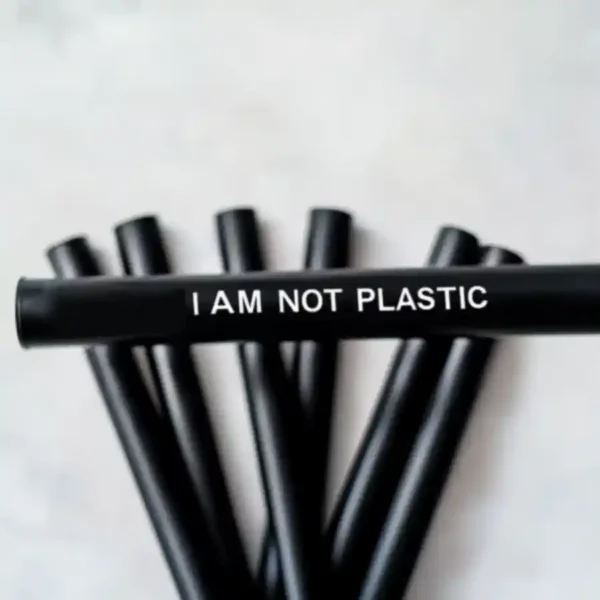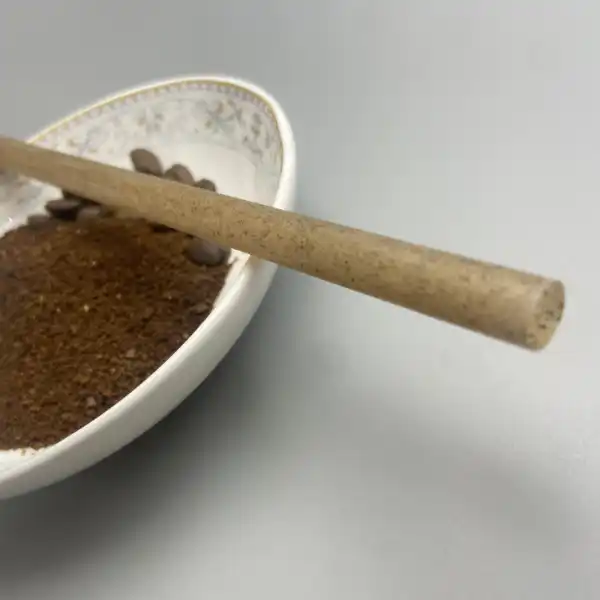
Palhinhas de cana-de-açúcar ecológicas: soluções B2B para bebericar de forma sustentável

Num movimentado café no centro de Amsterdã, o gerente exibe orgulhosamente uma placa: “Eliminamos o plástico!” Este não é apenas um movimento de marketing moderno – é uma resposta às mudanças nas regulamentações, às demandas dos clientes e a um desejo genuíno de reduzir o impacto ambiental. Em todo o mundo, desde resorts de luxo em Bali até restaurantes de esquina em Toronto, as empresas enfrentam um desafio semelhante: como proporcionar uma experiência de qualidade ao cliente e, ao mesmo tempo, eliminar os plásticos descartáveis.
O canudo de plástico, que já foi um elemento básico da hospitalidade, tornou-se um símbolo de desperdício desnecessário. Com mais de 500 milhões de palhinhas de plástico utilizadas diariamente só nos Estados Unidos, estes pequenos itens contribuem significativamente para os 8 milhões de toneladas de plástico que entram anualmente nos nossos oceanos. Em resposta, uma onda de proibições de canudos plásticos varreu municípios, estados e até países inteiros.
Essa pressão regulatória não vai desaparecer. Na verdade, está se intensificando. A Diretiva de Plásticos de Uso Único da UE, o Projeto de Lei 1884 da Assembleia da Califórnia e legislação semelhante em países da Tailândia ao Canadá alertaram as empresas: adaptem-se ou enfrentem as consequências.
É aí que entra a palha da cana-de-açúcar – uma solução inovadora que tem a aparência, o toque e o desempenho do plástico, mas não traz nenhuma bagagem ambiental. Feitas a partir do bagaço, subproduto fibroso do processamento da cana-de-açúcar que de outra forma seria descartado, essas palhas representam um exemplo perfeito dos princípios da economia circular em ação.
Ao contrário de muitas alternativas “ecologicamente corretas” que não oferecem desempenho, os canudos de cana-de-açúcar oferecem uma experiência notavelmente semelhante ao plástico. Eles não ficam encharcados rapidamente como os canudos de papel, não afetam o sabor das bebidas como algumas alternativas à base de plantas e mantêm sua integridade estrutural tanto em bebidas quentes quanto frias.
Para as empresas que navegam nas águas desafiadoras das transições de sustentabilidade, as palhas de cana-de-açúcar oferecem uma solução atraente que satisfaz tanto os requisitos regulamentares como as expectativas dos clientes sem comprometer a qualidade. Descubra como a palha da cana-de-açúcar pode transformar suas práticas comerciais sustentáveis ao mesmo tempo que aprimora as credenciais ecológicas da sua marca.
Conformidade Regulatória: Certificações para Palhinhas de Cana-de-Açúcar
Ao tomar decisões de compra para sua empresa, compreender a conformidade regulatória não envolve apenas marcar caixas – trata-se de proteger sua marca, evitar penalidades e garantir a segurança do cliente. Para itens em contato com alimentos, como canudos, a conformidade não é negociável.
No cenário competitivo de alternativas ecológicas, nem todos os produtos são criados iguais. De acordo com um relatório recente da indústria, as empresas que não conseguiram verificar as certificações adequadas para itens em contacto com alimentos enfrentaram uma média de 28.000 dólares em multas só em 2022. Além das sanções financeiras, os danos à reputação podem ser muito mais caros.
Palhas de cana de qualidade devem vir com diversas certificações críticas:
1. **Certificação FDA**: O FDA estabelece diretrizes rígidas para materiais em contato com alimentos para garantir que eles não lixiviem produtos químicos nocivos para as bebidas. Os canudos de cana-de-açúcar certificados pela FDA foram submetidos a testes rigorosos para confirmar que são seguros para uso do cliente.
2. **Certificação LFGB**: Esta norma alemã é frequentemente considerada ainda mais rigorosa do que os requisitos da FDA, proporcionando garantia adicional de segurança do produto.
3. **Certificação de Compostabilidade Doméstica**: Ao contrário da compostabilidade industrial, a compostabilidade doméstica significa que os canudos se decomporão em condições de compostagem doméstica dentro de 180 dias, oferecendo uma verdadeira sustentabilidade de ponta a ponta.
Para cadeias de hotéis, restaurantes e cafés, essas certificações proporcionam mais do que apenas conformidade regulatória: elas oferecem tranquilidade e credenciais de sustentabilidade comercializáveis. Conheça nossas palhas de cana compostáveis certificadas que atendem a todos os padrões internacionais.
A indústria hoteleira assistiu a uma série de casos de grande repercussão em que as empresas enfrentaram reações adversas significativas por utilizarem produtos supostamente “amigos do ambiente” que não possuíam certificações adequadas. Em contraste, as empresas que destacam de forma proeminente a utilização de produtos sustentáveis totalmente certificados relatam um aumento médio de 24% no feedback positivo dos clientes relacionado com as suas práticas ambientais.
Lembre-se: quando um cliente coloca seu canudo na boca, ele está confiando que sua empresa fez a devida diligência. Palhas de cana-de-açúcar certificadas não são apenas um requisito regulatório – elas são uma declaração sobre o compromisso da sua marca com a segurança do cliente e com a responsabilidade ambiental.
Como as palhas de cana-de-açúcar se comparam a outras alternativas ecológicas

The sustainable straw market has exploded with options, leaving many busines owners understandably confused. Let’s break down how sugarcane straws stack up against other popular alternatives in a practical, busines-focused comparison:
| Recurso | Palhinhas de Cana | Canudos de papel | Plástico “compostável” PLA | Canudos Metálicos | Canudos para macarrão |
|---|---|---|---|---|---|
| ——— | —————— | ————– | ————————— | ————– | ————– |
| Durabilidade em Bebidas | 2-3 hours without degrading | 20-30 minutos antes de amolecer | Good durability | Indeterminado | 30-60 minutos antes de amolecer |
| Experiência do cliente | Sensação natural, sem transferência de sabor | Often affects drink taste, texture changes quickly | Semelhante ao plástico | Cold/metallic sensation, teeth sensitivity issues | Pode afetar o sabor da bebida |
| True Compostability | Casa compostável em 90 dias | Casa compostável | Requires industrial facilities, often not properly processed | Reutilizável, não compostável | Casa compostável |
| Production Impact | Upcycles agricultural waste | High water usage in production | Made from crops grown for plastic | Resource-intensive mining and manufacturing | Food product that could feed people |
| Custo por unidade (em massa) | US$ 0,03-0,05 | US$ 0,02-0,04 | US$ 0,03-0,06 | $0.80-2.00 (plus cleaning costs) | US$ 0,04-0,07 |
| Percepção da marca | High-end, thoughtful sustainability | Basic eco-effort, economy option | Often perceived as greenwashing | Premium, commitment to sustainability | Novelty factor |
A study by the Sustainable Packaging Coalition found that 76% of food service businesses that switched from paper to sugarcane straws reported higher customer satisfaction scores and fewer complaints, primarily due to the superior durability and mouth-feel of the sugarcane option.
Paper straws may appear cheaper initially, but the hidden costs emerge quickly: customers requesting multiple straws per visit, negative reviews mentioning soggy straws, and the impression of cutting corners on sustainability efforts. Discover why sugarcane straws outperform other eco-friendly cocktail options for your establishment.
For coffee shops, the heat resistance of sugarcane straws makes them particularly valuable. Unlike paper straws that quickly deteriorate in hot beverages, sugarcane straws maintain their integrity, providing a consistent experience from first sip to last. For businesses serving both hot and cold beverages, this versatility eliminates the need to stock multiple types of straws.
The true advantage of sugarcane straws lies in their balanced profile—they deliver on performance, sustainability, and cost-effectivenes without major compromises in any area.
Principais benefícios empresariais da mudança para palhas de cana-de-açúcar
Beyond compliance and environmental considerations, sugarcane straws offer substantial busines advantages that directly impact your bottom line and brand positioning:
**Enhanced Brand Image and Customer Loyalty**
Os consumidores de hoje votam com as suas carteiras. De acordo com um estudo da Nielson de 2023, 73% dos consumidores da geração Y e da geração Z dizem que estão dispostos a pagar mais por produtos sustentáveis de marcas ambientalmente conscientes. Ao destacar sua mudança para canudos de cana-de-açúcar em seus materiais de marketing e displays de pontos de venda, você sinaliza seus valores para esses consumidores conscientes.
A proprietária de uma cafeteria, Maria, de Barcelona, conta: "Quando mudamos para canudos de cana-de-açúcar e destacamos essa mudança em nossas mídias sociais e na sinalização das lojas, vimos uma resposta imediata. Os clientes mencionavam isso positivamente nas avaliações, e notamos muitos rostos novos mencionando especificamente que nos escolheram por causa de nossos esforços de sustentabilidade".
**Sustentabilidade econômica**
Embora os canudos de cana-de-açúcar normalmente custem de 10 a 15% mais que os canudos de plástico convencionais, essa diferença costuma ser compensada por:
- Evitar multas regulatórias (que podem chegar a dezenas de milhares de dólares)
- Necessidade reduzida de vários canudos por cliente (ao contrário dos canudos de papel que geralmente exigem substituição)
- Aumento da disposição dos clientes em pagar preços premium em estabelecimentos com práticas de sustentabilidade visíveis
- Valor de marketing que de outra forma exigiria publicidade paga para alcançar
**Simplicidade Operacional**
Ao contrário das alternativas reutilizáveis que exigem infraestrutura e processos de lavagem, as palhas de cana-de-açúcar se adaptam perfeitamente às operações existentes. O treinamento da equipe é mínimo e sua cadeia de suprimentos permanece semelhante à que você está acostumado com canudos plásticos. Veja como as empresas implementaram com sucesso palhas de cana-de-açúcar without disrupting operations.
**Future-Proofing Your Busines**
With plastic straw bans expanding globally at a rate of approximately 22% year-over-year, businesses that proactively transition to sustainable alternatives avoid scrambling when regulations hit their region. This strategic foresight prevents potential service disruptions and positions your busines as a sustainability leader rather than a reluctant follower.
**Oportunidades de personalização**
Premium sugarcane straws can be branded with your logo or messaging, turning a necessary item into a marketing opportunity. Customized sustainable straws are photographed and shared on social media 4.7 times more often than generic straws, creating organic brand exposure.
Para as empresas que equilibram múltiplas prioridades concorrentes, as palhas de cana-de-açúcar representam uma rara oportunidade de fazer uma melhoria significativa na sustentabilidade que melhore, em vez de comprometer, a experiência do cliente.
Impacto Ambiental: Por que a palha da cana vence
A defesa ambiental das palhas de cana-de-açúcar vai muito além da simples substituição do plástico – representa uma abordagem fundamentalmente diferente à utilização de recursos e à gestão de resíduos.
Os canudos de plástico tradicionais resumem a economia linear do tipo “pegar-fazer-descartar” que levou à nossa atual crise ambiental. Feitos a partir de combustíveis fósseis extraídos, utilizados durante minutos e persistindo no ambiente durante séculos, representam um pesadelo em termos de eficiência de recursos. De acordo com o PNUMA, a produção, uso e descarte de canudos plásticos convencionais gera aproximadamente 1,8 kg de CO2 equivalente por 1.000 canudos.
As palhas de cana-de-açúcar, por outro lado, exemplificam os princípios da economia circular:
1. **Sequestro de Carbono**: Durante o crescimento, a cana-de-açúcar captura dióxido de carbono da atmosfera. Uma avaliação do ciclo de vida de 2022 descobriu que o cultivo da cana-de-açúcar para mil palhas sequestra aproximadamente 2,3 kg de CO2 durante a fase de crescimento.
2. **Desvio do fluxo de resíduos**: Feitos a partir do bagaço – o subproduto fibroso deixado após a extração do açúcar da cana-de-açúcar – esses canudos utilizam material que de outra forma seria descartado. Esta reciclagem evita o consumo adicional de recursos que ocorreria se as palhinhas fossem feitas de materiais virgens.
3. **End-of-Life Benefits**: When composted, sugarcane straws return valuable nutrients to the soil, completing a natural cycle. Discover how biodegradable straws contribute to reduced landfill waste and a healthier planet.
The environmental math is compelling: a hotel with 200 rooms switching from plastic to sugarcane straws reduces plastic waste by approximately 438 pounds annually. For a chain with 50 locations, that’s over 10 tons of plastic eliminated from the waste stream each year.
Além dos benefícios quantificáveis, a palha da cana-de-açúcar oferece uma importante oportunidade educacional. Cada palha é um exemplo tangível de inovação sustentável com o qual os clientes interagem fisicamente, criando um momento poderoso para refletir sobre escolhas ambientais mais amplas.
Para as empresas comprometidas com uma sustentabilidade significativa, as palhas de cana-de-açúcar representam muito mais do que um gesto simbólico: fazem parte de uma abordagem holística para reduzir o impacto ambiental, mantendo ao mesmo tempo a excelência operacional.
Estudo de caso: Palhinhas de cana-de-açúcar são bem-sucedidas em ação
**The Coastal Collection: rede hoteleira de luxo eleva a sustentabilidade**
Quando a The Coastal Collection, um grupo de 12 hotéis boutique espalhados por três países, decidiu eliminar os plásticos descartáveis, abordou a transição de forma sistemática. Com 840 mil canudos usados anualmente em suas propriedades, encontrar a alternativa certa foi fundamental para manter a experiência de luxo dos hóspedes.
“Inicialmente testamos canudos de papel, mas recebemos feedback negativo imediato”, explica Sophia Chen, Diretora de Sustentabilidade. “Os convidados reclamaram que os canudos encharcados afetavam sua experiência com o coquetel, e nossa equipe relatou ter que fornecer vários canudos por bebida, o que na verdade aumentou nossos desperdícios e custos.”
Depois de testar diversas alternativas, a The Coastal Collection implementou canudos de cana-de-açúcar personalizados da NatureBioEco com o logotipo da onda em relevo. Os resultados foram impressionantes:
- As pontuações de satisfação dos hóspedes com o serviço de bar aumentaram 8,3% em comparação com o período do canudo de papel
- Redução de 94% nas reclamações relacionadas ao canudo
- Economia estimada de US$ 27.600 em penalidades evitadas de proibição de plástico
- Apresentado em três revistas de viagens que destacam especificamente a sua abordagem sustentável
- Aumento de 27% nas menções nas redes sociais às suas iniciativas ambientais
“O benefício mais surpreendente foi como esses canudos se tornaram o ponto de partida para uma conversa”, observa Chen. “Os hóspedes perguntavam sobre eles, o que dava à nossa equipa oportunidades naturais para destacar as nossas outras iniciativas de sustentabilidade, desde o nosso programa de limpeza dos oceanos até às nossas medidas de eficiência energética.”
A implementação não foi isenta de desafios. O treinamento inicial da equipe foi necessário para garantir o armazenamento adequado, longe de alta umidade, e a equipe de compras precisou ajustar os prazos de pedidos para levar em conta prazos de entrega um pouco mais longos para os produtos personalizados.
“Consideramos isso um investimento e não um custo”, explica Chen. “Quando você leva em consideração o valor de marketing, a satisfação do cliente e a conformidade regulatória, o preço unitário ligeiramente mais alto da palha de cana-de-açúcar torna-se insignificante.” Saiba como a palha da cana pode melhorar a sustentabilidade do seu evento assim como fizeram com a The Coastal Collection.
O sucesso da The Coastal Collection demonstra como alternativas sustentáveis cuidadosamente implementadas podem melhorar, em vez de prejudicar, experiências premium do cliente, ao mesmo tempo que proporcionam benefícios comerciais significativos.
perguntas frequentes
- As palhas de cana são realmente biodegradáveis e compostáveis?
- Absolutamente! As palhas de cana-de-açúcar de qualidade são certificadas como compostáveis em casa, o que significa que se decompõem completamente em 90-180 dias num ambiente de compostagem doméstica, sem deixar microplásticos ou resíduos tóxicos. Esta é uma verdadeira solução de fim de vida, ao contrário de muitas alternativas que requerem instalações industriais. O processo de decomposição devolve nutrientes valiosos ao solo, completando um ciclo natural.
- Como os canudos de cana impactam o sabor da bebida em comparação com outras alternativas?
- Os canudos de cana-de-açúcar têm sabor neutro, o que é uma grande vantagem em relação a alternativas como papel (que pode conferir um sabor de papel), bambu (que às vezes tem sabor amadeirado) ou canudos de macarrão (que podem afetar o sabor da bebida à medida que começam a amolecer). Donos de cafeterias apreciam principalmente canudos de cana-de-açúcar porque não alteram os sabores cuidadosamente elaborados de bebidas especiais.
- Qual é a quantidade mínima de pedido para compras B2B?
- A maioria dos fornecedores oferece quantidades mínimas de pedido a partir de 10.000 unidades para canudos padrão, com opções de personalização normalmente disponíveis em mais de 50.000 unidades. A NatureBioEco oferece MOQs flexíveis com base no tamanho e nas necessidades do seu negócio, com programas especializados para pequenas empresas que buscam fazer a transição para opções sustentáveis.
- As palhas de cana podem ser personalizadas ou personalizadas para o meu negócio?
- Sim! Os canudos de cana premium podem ser personalizados com sua logomarca, slogan ou desenho, seja por meio de técnicas de impressão ou relevo. Isso transforma um item necessário em um ponto de contato de marca. Cores, comprimentos e diâmetros personalizados também estão disponíveis para combinar com bebidas específicas ou estética de marca.
- Qual é o desempenho da palha de cana em bebidas quentes?
- Ao contrário dos canudos de papel que se deterioram rapidamente em líquidos quentes, os canudos de cana-de-açúcar de qualidade mantêm sua integridade estrutural em bebidas quentes por 2 a 3 horas. Isso os torna ideais para cafeterias, cafés e restaurantes que servem uma variedade de bebidas quentes e frias, eliminando a necessidade de estocar vários tipos de canudos.
- Quais certificações devo procurar ao adquirir palhas de cana-de-açúcar?
- Procure a certificação FDA para segurança alimentar, a certificação LFGB (que é o padrão alemão frequentemente considerado mais rigoroso do que os requisitos da FDA) e a certificação de compostabilidade doméstica. Isso garante que seus canudos sejam seguros para uso do cliente e verdadeiramente ecológicos no final da vida útil.
- Como armazenar a palha da cana-de-açúcar para manter a qualidade?
- As palhas de cana-de-açúcar devem ser armazenadas em local fresco e seco, longe da luz solar direta e de alta umidade. Embora sejam mais resistentes à umidade do que as alternativas de papel, o armazenamento adequado maximiza sua vida útil e garante que mantenham suas qualidades de desempenho quando servidos aos clientes.