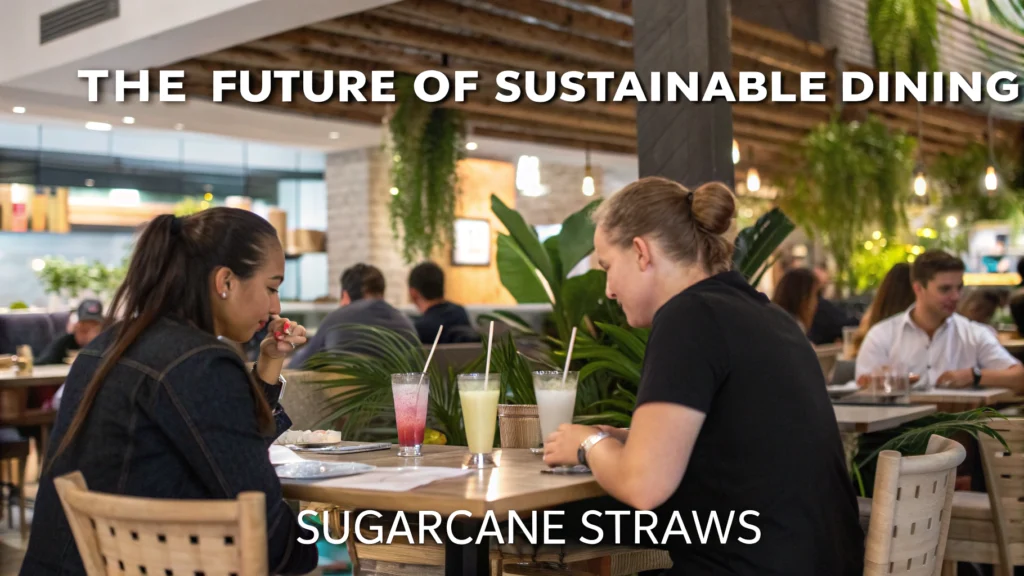
The Future of Sustainable Dining: How Sugarcane Straws Are Revolutionizing Business Sustainability

Introdução
Picture a world where every sip contributes to environmental preservation rather than pollution. This isn’t just an idealistic vision – it’s becoming reality through innovative solutions like sugarcane straws. As global plastic waste reaches a critical 400 million tons annually (Source: UN Environment Programme, 2023), businesses are discovering that sustainable alternatives aren’t just environmentally conscious – they’re economically imperative.
A ciência por trás das palhas de cana-de-açúcar
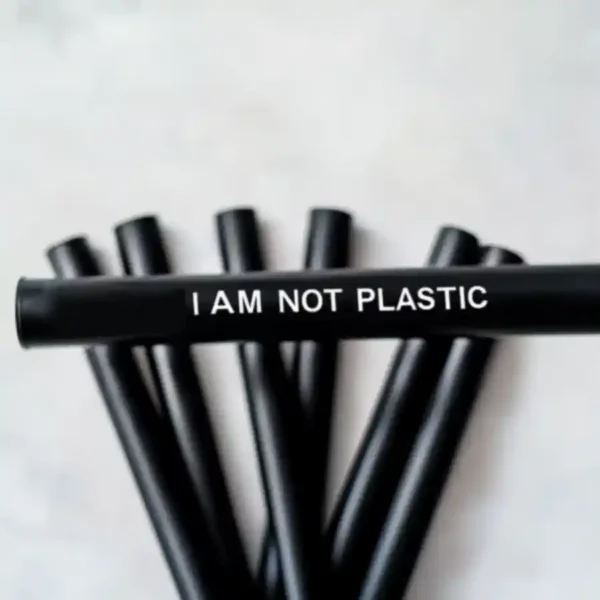
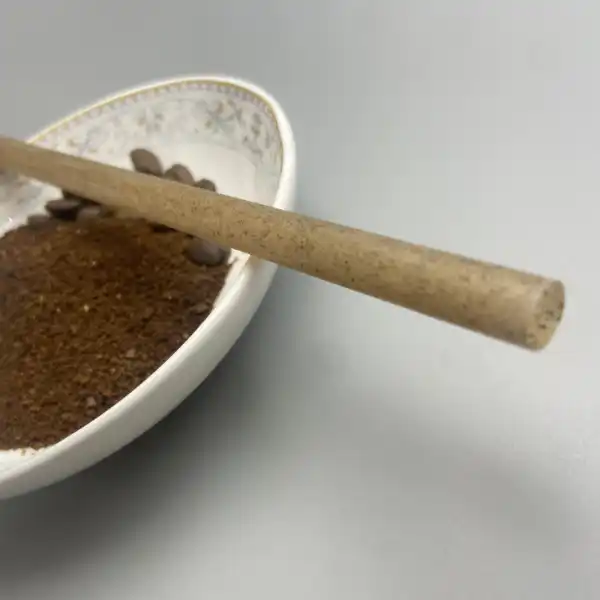
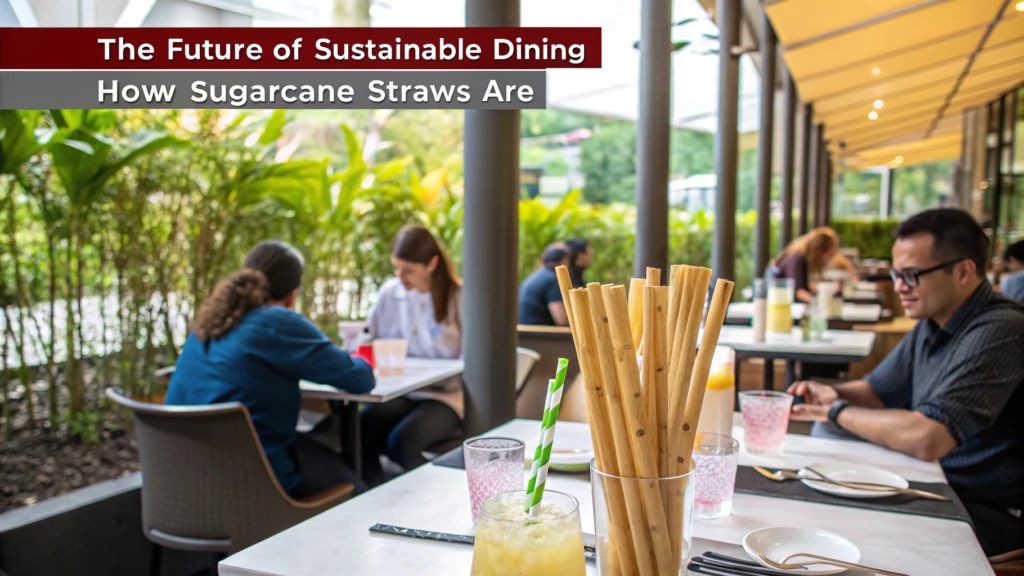
Unlike traditional plastic straws, which persist in our environment for up to 200 years, sugarcane straws represent a breakthrough in sustainable technology. These straws are crafted from bagasse – the fibrous byproduct remaining after sugarcane juice extraction. This innovative upcycling process transforms what was once considered waste into a valuable resource.
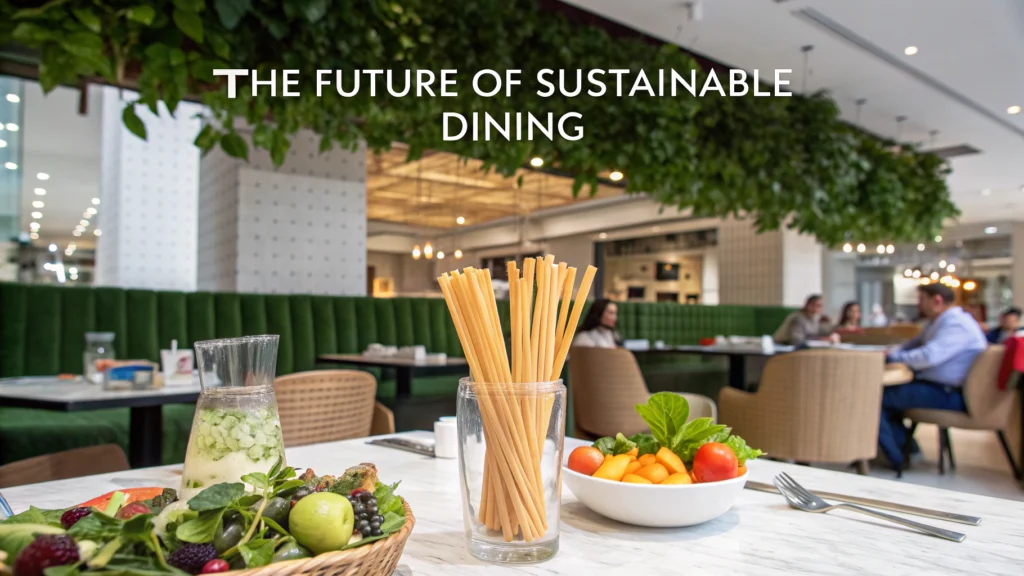
Key Technical Advantages:
- Thermal stability: Maintains integrity from -40°C to 60°C
- Structural durability: 4-hour liquid contact resistance
- Zero petrochemical components
- Natural decomposition within 90 days in industrial composting conditions
Economic Impact Analysis
palha de palha de café Boba embrulhada individualmente 12mm 210mm
Recent market research reveals compelling financial incentives for businesses transitioning to sugarcane straws:
| Métrica | Canudos de plástico | Palhinhas de Cana |
|---|---|---|
| Annual Cost* | $2,000 | $2,800 |
| Satisfação do Cliente | 72% | 89% |
| Impacto no valor da marca | Neutro | +15% |
*Based on 100,000 unit annual usage
Histórias de sucesso
Costa Coffee Dubai:
After implementing sugarcane straws across 82 locations in 2023, Costa Coffee Dubai reported:
- 32% reduction in waste management costs
- 18% increase in customer satisfaction scores
- Featured in Sustainable Business Monthly as an industry leader
Miami Beach Hotel Association:
Following a collective switch to sugarcane straws:
- Eliminated 2.1 million plastic straws annually
- Achieved 91% positive guest feedback
- Reduced ocean plastic contribution by 12,600 kg
Estratégia de Implementação
- Fase de Avaliação
- Auditar o uso atual do canudo
- Calcular o impacto ambiental
- Avalie as opções de fornecedores
- Transition Planning
- Programas de treinamento de pessoal
- Estratégia de comunicação com o cliente
- Disposal infrastructure setup
- Execution
- Phased rollout
- Impact monitoring
- Feedback collection
ROI Calculator
Pertos de cana de açúcar personalizáveis
We’ve developed a proprietary ROI calculator considering:
- Initial investment
- Operational costs
- Brand value appreciation
- Customer satisfaction metrics
- Environmental impact credits
Impacto ambiental
Recent studies by the Environmental Research Institute (2024) demonstrate that switching to sugarcane straws can:
- Reduce carbon footprint by 92%
- Decrease water usage by 65%
- Eliminate 1.6 tons of plastic waste per 100,000 straws
Perspectivas Futuras
The sustainable straw market is projected to grow at a CAGR of 24.3% through 2028 (Goldman Sachs Environmental Markets Report, 2024). Early adopters are positioned to:
- Capture market share in the eco-conscious consumer segment
- Benefit from upcoming environmental regulations
- Establish leadership in sustainable practices
Conclusão
The transition to sugarcane straws represents more than an environmental choice – it’s a strategic business decision aligned with global sustainability trends and consumer preferences. As regulations tighten and consumer awareness grows, early adopters will find themselves at a significant competitive advantage.
Tome uma atitude
Ready to transform your business’s environmental impact? Contact our sustainability consultants:
Max Jiang
Diretor de Soluções de Sustentabilidade
max@naturebioeco.com
WhatsApp: +86 13524105790
Request our comprehensive implementation guide and ROI calculator.
FAQs About Sugarcane Straws and Sustainability in Business Practices
- De que são feitas as palhas de cana-de-açúcar?
- Sugarcane straws are made from bagasse, the fibrous byproduct of sugarcane juice extraction.
- How do sugarcane straws compare to plastic straws in terms of environmental impact?
- Sugarcane straws decompose naturally within 90 days in industrial composting conditions, significantly reducing environmental pollution compared to plastic straws.
- As palhas de cana suportam bebidas quentes e frias?
- Yes, sugarcane straws maintain their integrity from -40°C to 60°C, making them suitable for both hot and cold beverages.
- What are the economic benefits of switching to sugarcane straws for businesses?
- Businesses can see improved customer satisfaction, increased brand value, and reduced waste management costs by switching to sugarcane straws.
- How can businesses implement sugarcane straws?
- Businesses can start by auditing their current straw usage, evaluating supplier options, and setting up a phased rollout plan that includes staff training and customer communication.
- Existem histórias de sucesso de empresas que utilizam palhas de cana-de-açúcar?
- Sim, a Costa Coffee Dubai e a Miami Beach Hotel Association implementaram com sucesso palhas de cana-de-açúcar, obtendo reduções significativas no desperdício e melhorias na satisfação do cliente.
- Quais são as perspectivas futuras para o mercado de palha sustentável?
- Espera-se que o mercado cresça significativamente, com um CAGR projetado de 24,3% até 2028. Os primeiros adotantes poderão obter uma vantagem competitiva.
- Como posso calcular o ROI da mudança para palha de cana-de-açúcar?
- Está disponível uma calculadora proprietária de ROI que considera o investimento inicial, custos operacionais, valorização da marca, métricas de satisfação do cliente e créditos de impacto ambiental.
Conclusion: Embracing Sustainability for a Better Future
Concluindo, a adoção de palhas de cana-de-açúcar não é apenas uma decisão ambientalmente responsável, mas também um movimento estratégico de negócios que se alinha às tendências globais de sustentabilidade. Ao fazer esta mudança, as empresas podem contribuir significativamente para a redução da poluição plástica, ao mesmo tempo que aumentam o valor da sua marca e a satisfação do cliente. A hora de agir é agora – adotar práticas gastronómicas sustentáveis e liderar o caminho para um futuro mais verde.
Pronto para fazer uma mudança? Contate-nos hoje!
Se você está pronto para levar os esforços de sustentabilidade do seu negócio para o próximo nível com palhas de cana-de-açúcar, não hesite em entrar em contato. A nossa equipa da NatureBioEco está aqui para lhe fornecer toda a informação e apoio que necessita. Vamos trabalhar juntos para causar um impacto positivo em nosso planeta. Contate-nos agora!
E-mail: max@naturebioeco.com | WhatsApp: +86 13524105790
Estamos ansiosos para ajudá-lo a atingir seus objetivos de sustentabilidade!